A Clean Inspection Report Does Not Answer the Sinkhole Question
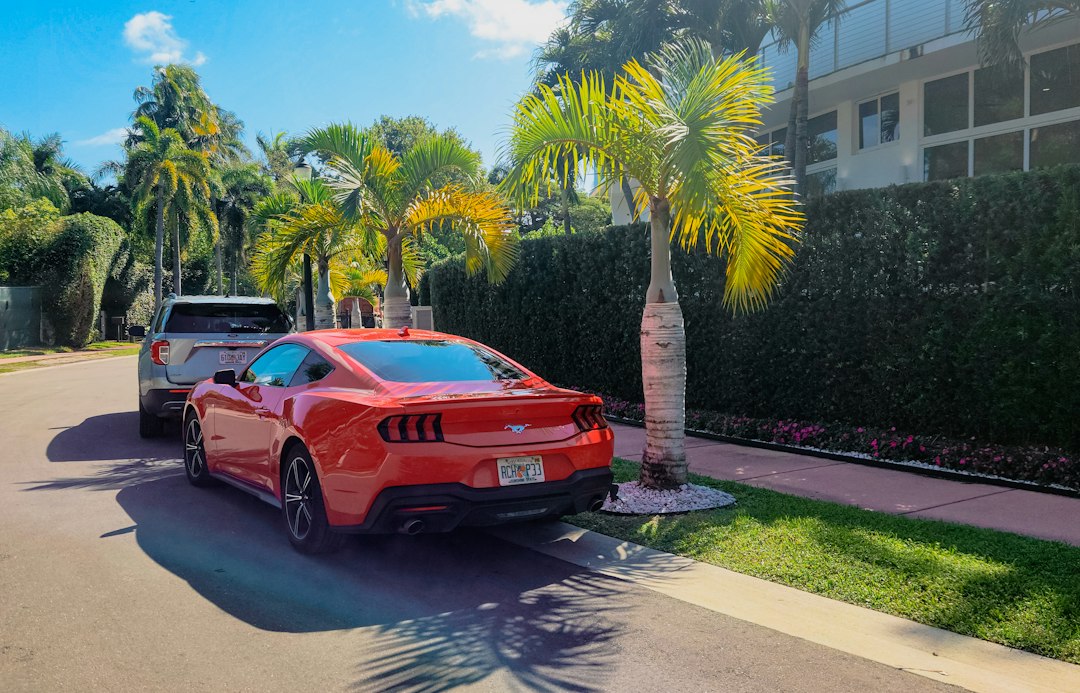
A buyer under contract on a $4.8 million estate in the Tampa Bay area gets a spotless general inspection. The roof is sound, the pool equipment is new, the seawall holds. Three weeks after closing, a hairline crack runs from a master bedroom window to the ceiling and a door stops latching. The inspector never looked for ground movement because ground movement is not part of a standard inspection scope.
That gap is what this guide covers. Sinkhole risk in Florida is real, uneven across the state, and handled by a specific insurance framework that most buyers first read about after something goes wrong. For a luxury purchase, where a single structure can carry a seven or eight figure value, the cost of skipping this homework is large enough to justify a dedicated step in the due diligence timeline.
At MJI Realty Group, our core market is South Florida, where the geology works in the buyer’s favor. But many of our clients also look at Tampa Bay, Orlando, and the Gulf Coast, and plenty of owners hold property in more than one region. Knowing where the exposure sits, and what the statute actually requires, lets you price it correctly instead of guessing.
What a Sinkhole Is, and What It Is Not

According to the Florida Geological Survey, sinkholes form when acidic rainwater percolates through Florida’s limestone and dolomite and slowly dissolves the rock, creating underground voids. When the sediments above those voids give way, the surface drops. The state’s karst terrain, the ground shaped by dissolving carbonate rock, is the reason sinkholes appear in Florida and not in, say, Colorado.
Geologists describe three common types:
- Cover-subsidence sinkholes develop gradually as loose sediment settles into a void. They can take years to show up at the surface.
- Cover-collapse sinkholes are the dramatic ones. A thick layer of clay holds for a long time, then fails abruptly.
- Solution sinkholes form where rock near the surface dissolves directly, creating a shallow bowl.
Just as important is what a sinkhole is not. The state agency points out that other events can cause holes, depressions, or subsidence, including compressed clay, a broken water or sewer line, and poorly compacted fill. Those get classified as subsidence incidents unless a professional verifies sinkhole activity. This distinction matters in a claim, because an insurer will ask which cause the engineer can support, and a leaking pipe under a slab is a very different coverage conversation.
Where the Risk Concentrates, and Why South Florida Looks Different
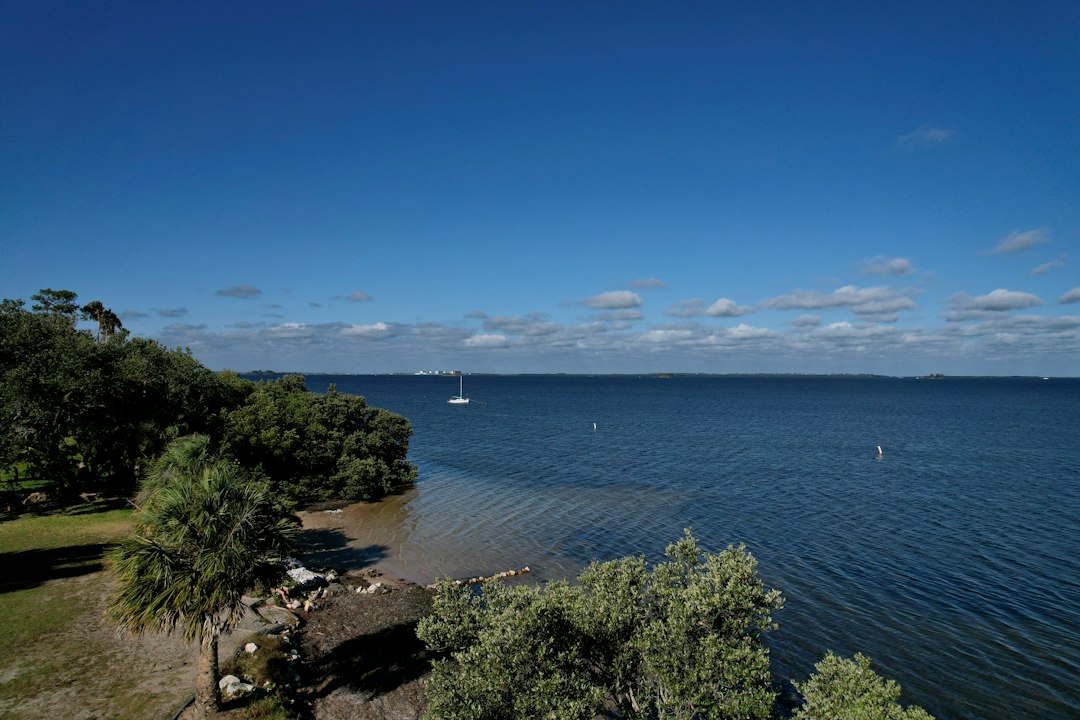
Sinkholes can occur across most of the state’s karst terrain, but they are not evenly spread. The U.S. Geological Survey circular on west-central Florida sinkholes describes west-central Florida as an area where soluble limestone sits below the water table and where surface water and groundwater interact in ways that favor collapse. Counties around Tampa Bay and north of it, including Hillsborough, Pasco, and Hernando, are where buyers hear about sinkholes most often.
South Florida is a different geologic setting. The shallow Biscayne aquifer under much of Miami-Dade, Broward, and southern Palm Beach is separated from the deeper Floridan aquifer system by a thick clayey confining unit, and sinkhole formation under those conditions is uncommon. That is a general geologic statement, not a promise about any individual lot. A cover-collapse event can still happen where conditions allow, and a broken storm drain or sewer main can undermine a slab in any county.
For a buyer, the practical read is simple. If the property is in Miami-Dade, Broward, or Palm Beach, sinkhole risk is usually a lower-order item, but you should still ask the question and document the answer. If it is in west-central or north-central Florida, it moves to the top of the list.
How Florida Homeowners Insurance Treats Sinkholes

This is the part most buyers misread. Under Section 627.706 of the Florida Statutes, every insurer writing residential property coverage in Florida must cover catastrophic ground cover collapse. That coverage is built into the policy. Broader sinkhole loss coverage is separate: insurers must make it available for an additional premium, but it is optional.
The statute defines catastrophic ground cover collapse narrowly. All of the following must be present:
- Abrupt collapse of the ground cover
- A depression in the ground clearly visible to the naked eye
- Structural damage to the building, including the foundation
- The structure being condemned and ordered vacated by the governmental agency authorized to do so
Read that list again. It describes a house that has been declared unsafe. The statute also states that settling or cracking of a foundation, structure, or building does not by itself qualify. A home with a progressive crack pattern from slow subsidence can fall outside the mandatory coverage entirely, which is why the optional sinkhole endorsement matters for an estate in a higher-risk area.
Sinkhole loss coverage is defined more broadly, covering structural damage to the foundation from settlement or systematic weakening of the earth caused by soil or rock collapsing into voids from limestone dissolution. For residential policies the statute allows sinkhole deductibles of 1, 2, 5, or 10 percent of the dwelling limit, with premium discounts tied to each level. On a $3 million dwelling limit, a 10 percent deductible means the owner absorbs the first $300,000. That number belongs in your purchase analysis, not in a surprise letter after a loss.
Insurers may also require an inspection before issuing sinkhole coverage. In a competitive purchase, build that timing into your offer so the coverage is bound before your inspection period ends.
The Claim Process: Engineers, Neutral Evaluators, and Recorded Reports
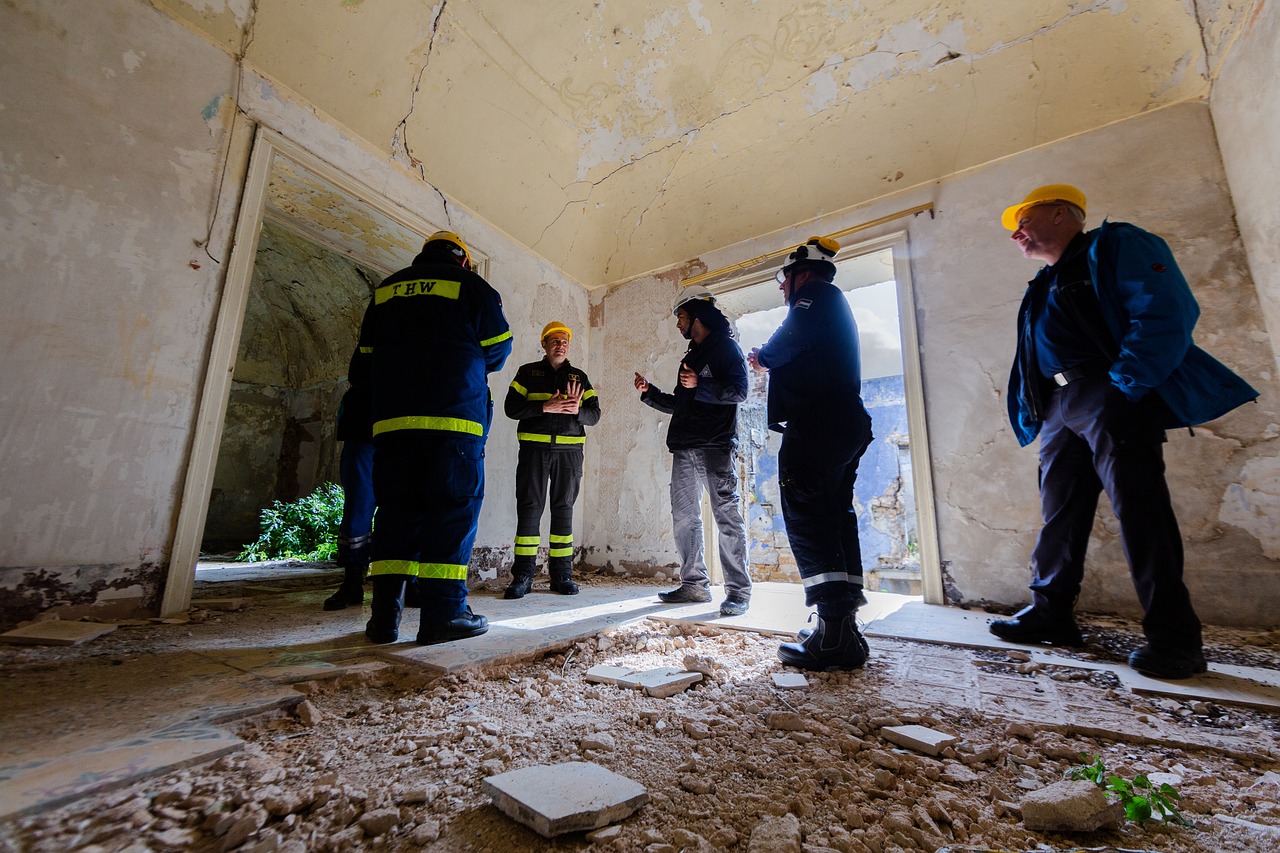
When an owner files a sinkhole claim, the insurer typically retains a professional engineer or professional geologist to test the property. Under Section 627.7073, that professional issues a written report. If sinkhole activity is confirmed, the report must say that structural damage has been identified and that sinkhole activity caused it, within reasonable professional probability, and it must recommend a stabilization and repair method. If the cause is something else, the professional must say so and identify the actual cause.
Disputes are common, because the dollar amounts are large and the science involves judgment. The statute provides for a neutral evaluator, who must be a licensed engineer or professional geologist with sinkhole experience and approved dispute resolution training. That evaluator gives owners and insurers a structured path before litigation.
One more detail affects buyers directly. When an insurer pays a sinkhole claim, the engineer’s report, the property description, the owner’s name, and a certification of the stabilization work must be filed with the county clerk of court for recording. After repairs, the supervising engineer files a completion report. These records are searchable, which means a prior claim on a property you want is something you can find before you close, not just something you hope the seller mentions.
Seller Disclosure and What the Recorded Report Means for Title
The same statute that requires recording also addresses what happens at sale. A recorded sinkhole report does not create a lien, a defect in title, or liability against prior owners or title insurers. It is information, not an encumbrance. But the seller of a property must disclose to the buyer whether a sinkhole claim was paid and whether the proceeds were enough to complete the repairs.
Florida’s broader seller disclosure duty adds to this. Sellers must reveal known facts that materially affect the value of the property and are not readily observable. Evidence of past ground movement, a prior engineering report, or unrepaired foundation work fits that description. If a seller answers vaguely, put your questions in writing and require written answers, then attach them to the contract file.
On the selling side, the same logic runs in reverse. A seller with a documented, engineer-certified repair and a completion report is in a stronger position than one with an undocumented patch. Clear paperwork protects price, and in a confidential off-market sale it also keeps the buyer’s attorney from asking for a credit at the last minute.
A Buyer’s Sinkhole Due Diligence Checklist

Use this sequence on any Florida purchase outside the southern tri-county core, and a shorter version inside it.
- Ask for the claims history early. Request the seller’s insurance claims record and any engineering, geotechnical, or foundation reports in the seller’s possession.
- Search county records. Look for recorded sinkhole reports and completion certifications with the clerk of court.
- Get an insurance quote with sinkhole coverage. Ask for the premium and deductible options in writing, then price them into your offer.
- Add a foundation and ground assessment. A standard home inspector is not a geotechnical engineer. For higher-risk areas, hire a licensed professional engineer or geologist to evaluate the site, often with ground-penetrating radar or borings.
- Walk the exterior and interior for signs. Look for new cracks in stucco and tile, sticking doors and windows, sloping floors, and small depressions in the yard.
- Check drainage and utilities. Leaking pipes and failing stormwater structures can mimic sinkhole damage or cause real ground loss.
Build the contract timeline around this list. An inspection period that is too short to complete an engineering study leaves you choosing between a rushed answer and an extension request that a seller in a strong market may refuse. Ask for the time up front.
Pricing the Risk Into a Luxury Offer

Higher dwelling values change the math. A 5 percent sinkhole deductible on a $6 million dwelling limit is $300,000 of exposure, and the premium for broader coverage scales with the property. Buyers paying cash sometimes skip insurance analysis because no lender requires it, which is a mistake in the parts of the state where ground movement is a known factor.
A few ways the risk shows up in negotiations:
- Price: A documented prior sinkhole claim with verified repairs may justify a price adjustment, though the size depends on the quality of the repair record.
- Credits: If the engineering report recommends additional stabilization, request a repair credit or a seller completion before closing.
- Insurance contingency: Make the contract contingent on obtaining sinkhole coverage at a stated maximum premium and deductible.
- Walk-away right: If the geotechnical findings are unfavorable, your inspection clause should give you a clean exit.
For investors, the same questions affect the numbers. A commercial or multifamily asset in a higher-risk area carries insurance cost that flows directly into net operating income and, through the cap rate, into value. Run the quote before you finalize the underwriting.
Questions to Put to Your Broker and Attorney, Then a Next Step
Before you write an offer, ask your broker which counties and neighborhoods in your search have recorded sinkhole activity, and ask your real estate attorney to draft the insurance and inspection contingencies. If you have questions about a specific site, the Florida Geological Survey operates a sinkhole helpline at 850-245-2118 and publishes a homeowner’s guide to sinkholes.
If you are weighing a purchase in Miami-Dade, Broward, or Palm Beach, MJI Realty Group works with buyers who want the due diligence done properly and the details kept private. If your search extends north or to the Gulf Coast, we help you build the right inspection and insurance plan before you commit, and we work alongside the engineers and attorneys who handle the technical review.
Real estate decisions depend on individual circumstances; this is general information, not legal, tax, insurance, or investment advice for your specific situation. Confirm coverage terms with a licensed insurance agent, and rely on a licensed engineer or professional geologist for any site-specific assessment.