Why Impact Windows Decide the Value of a Florida Luxury Home
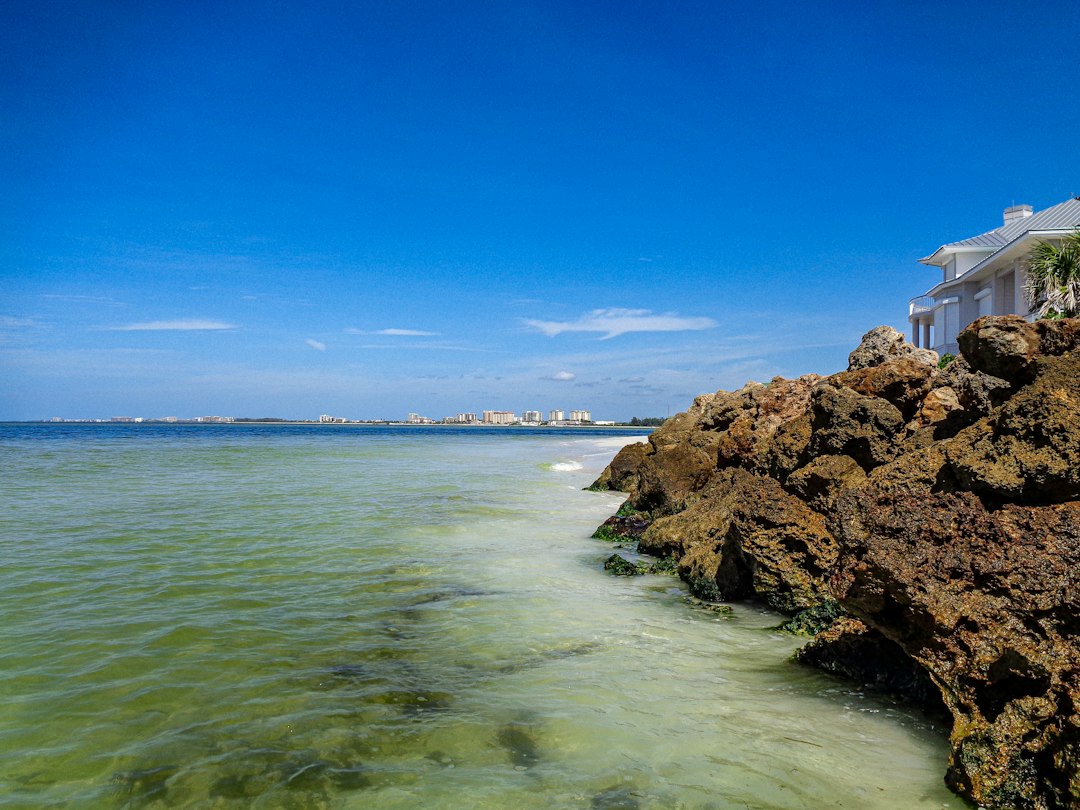
Walk through a $4 million waterfront estate in Coral Gables or Palm Beach and the glass tells you a lot. Floor-to-ceiling openings, oversized sliders, a double-height entry with a transom: these are the features buyers pay for, and they are also the weakest points in a house when a hurricane arrives. That is why impact-rated glazing sits near the top of every serious inspection list in South Florida.
Impact windows and doors use laminated glass, two panes bonded to a clear interlayer, set in a reinforced frame. When a piece of wind-borne debris strikes, the glass can crack but stays in the frame. The envelope stays closed, interior pressure stays stable, and the roof is far less likely to lift. Shutters do the same job from the outside. Impact glass does it every hour of every day without anyone climbing a ladder.
For buyers, the question is not simply whether the windows are impact rated. It is which product, which approval, which installation date, and what paperwork proves it. A listing sheet that says “impact windows throughout” tells you almost nothing. At MJI Realty Group, we ask for the product approval numbers before a buyer ever writes an offer, because that paper trail drives insurance pricing, permit history, and resale value.
How Florida Rates Impact Glazing: HVHZ, NOA and Product Approval
Florida regulates opening protection through the Florida Building Code. Most of the state follows the standard wind-borne debris requirements in areas near the coast. Miami-Dade and Broward counties sit in the High-Velocity Hurricane Zone, usually shortened to HVHZ, where the testing is tougher. Products there must pass large missile impact testing followed by cyclic pressure testing, which simulates the repeated push and pull of hurricane gusts.
Three terms matter when you read a listing or an inspection report:
- Miami-Dade Notice of Acceptance (NOA): the local approval required for HVHZ projects. Each NOA names a specific manufacturer, product line, glass build-up, frame, and anchoring method.
- Florida Product Approval: the statewide approval that applies outside the HVHZ. The state keeps a searchable database through the Florida Building Commission product approval search.
- Design pressure rating: the wind load a unit can take, shown in pounds per square foot. A tall sliding wall on an exposed coastal lot needs a higher rating than a small bedroom window.
The detail that surprises many buyers is that the approval covers the whole assembly, not only the glass. A window with the right glass but the wrong fastener spacing is not the approved system. The Florida Building Commission publishes a plain-language fact sheet on window systems that explains how installation details tie back to the approval, and it is worth a read before you meet an inspector.
What Impact Windows Cost in South Florida
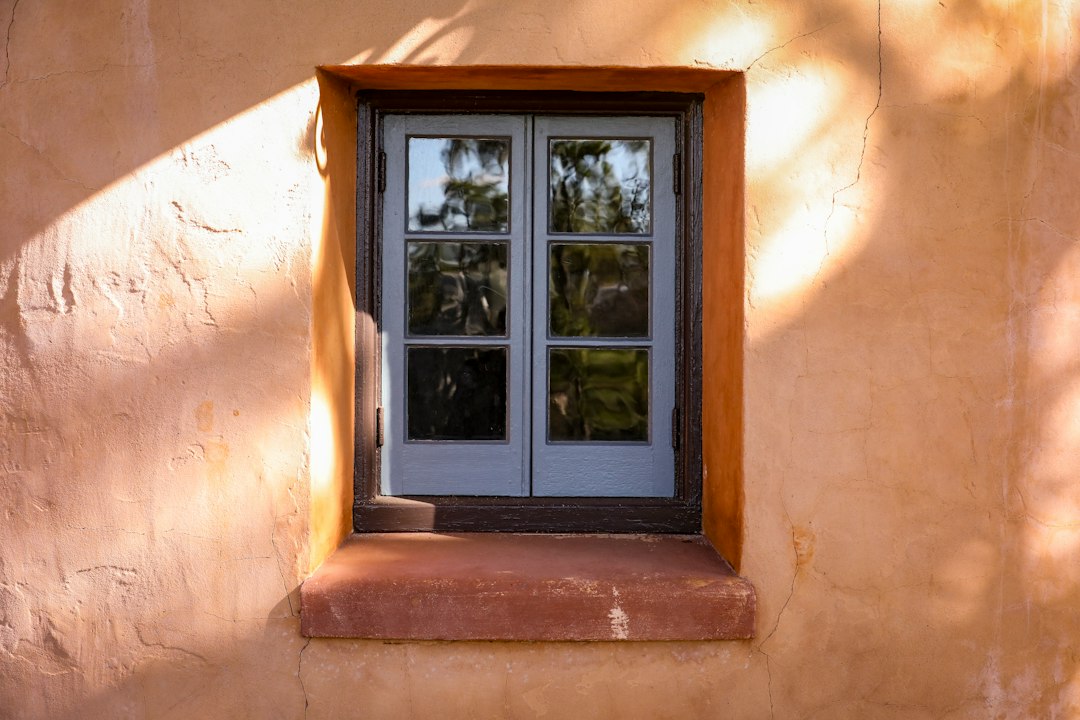
Installed pricing varies with size, frame finish, glass tint, and how much stucco or trim work the opening needs. For planning, recent contractor figures for South Florida put standard impact windows at roughly $1,200 to $1,500 per opening, impact sliding doors at roughly $4,500 to $5,500, and impact entry doors at roughly $3,500 to $4,500. Those numbers are for typical sizes. Custom steel-look systems, oversized pocketing doors, and curved or arched units can run several times higher.
Run the math on a 6,500-square-foot estate with 40 openings, three large sliding walls, and two entry doors and a full replacement lands well into six figures. A buyer who finds out after closing that the windows are original 1990s aluminum with shutters stored in the garage has just inherited a major capital project. It belongs in the negotiation, not in the surprise column.
Lead times matter too. Custom impact products are typically built to order, and fabrication plus permitting can stretch for months. A seller who started a window replacement and never finished it hands the buyer a half-completed permit and a deposit problem, which leads directly to the permit section below.
Insurance Credits and the Wind Mitigation Inspection
Impact glazing earns its keep in the insurance market. Florida law requires insurers to offer discounts for verified wind-resistance features, and the proof comes from a wind mitigation inspection form completed by a licensed inspector. Opening protection is one of the largest line items on that form. Depending on the carrier, the home, and the other features present, the combined credits can reduce the windstorm portion of a premium by a meaningful share, with industry sources citing a range of roughly 10 to 45 percent when roof shape, roof-to-wall connections, and opening protection all qualify.
The Florida Office of Insurance Regulation explains how consumers can find and compare coverage on the state insurance regulator’s website, and our earlier guide on wind mitigation inspections covers the form line by line. The point for a luxury buyer is practical: ask for the current wind mitigation report, check the date, and confirm that the opening protection box matches what you see on the walls.
Three traps show up repeatedly:
- A report that credits all openings as protected when one sliding door or a garage door is not rated.
- Shutters counted on the form that are rusted, missing tracks, or no longer fit the openings.
- A report older than the most recent renovation, so it describes a house that no longer exists.
A single unprotected opening can change the classification. If a seller promises a discount, make the offer contingent on a fresh inspection and a binder quote from your own insurer.
State Support: My Safe Florida Home
Florida runs a state program that has helped owners pay for hardening upgrades, including opening protection. The My Safe Florida Home program offers inspections and matching grants when funds and eligibility allow. Rules, income tests, home value caps, and funding cycles change from year to year, so confirm the current terms on the program site before you count on any money.
For luxury properties, the practical effect is limited, because grant caps and home value limits often exclude estate-level homes. Even so, the program’s inspection standards are a useful benchmark, and its contractor requirements show what a defensible installation record looks like. Buyers of more modest second homes, guest cottages, or rental units in the same portfolio may find the program relevant.
Permits, Installers and Unpermitted Replacement Risk
Every impact window replacement in Florida requires a permit and a final inspection. The permit file is where you learn whether the installer followed the approval: product approval number, anchoring method, and inspector sign-off. A homeowner who paid cash to a handyman and skipped the permit may have beautiful glass that does not qualify for an insurance credit and cannot be proven compliant.
Before you close, ask your attorney or title company to pull the permit history from the county or municipal building department. The same research should uncover any open or expired permits, which stay with the property and become the next owner’s problem. We covered that issue in more depth in our guide on unpermitted work.
Then verify the installer. Florida requires contractor licensing, and the Florida Department of Business and Professional Regulation lets anyone check whether a license is active and whether complaints or discipline are on file. A license in good standing, a permit with a passed final inspection, and an approval number that matches the installed product make a clean file. Missing any of the three should change the price.
Condos, HOAs and Architectural Approval
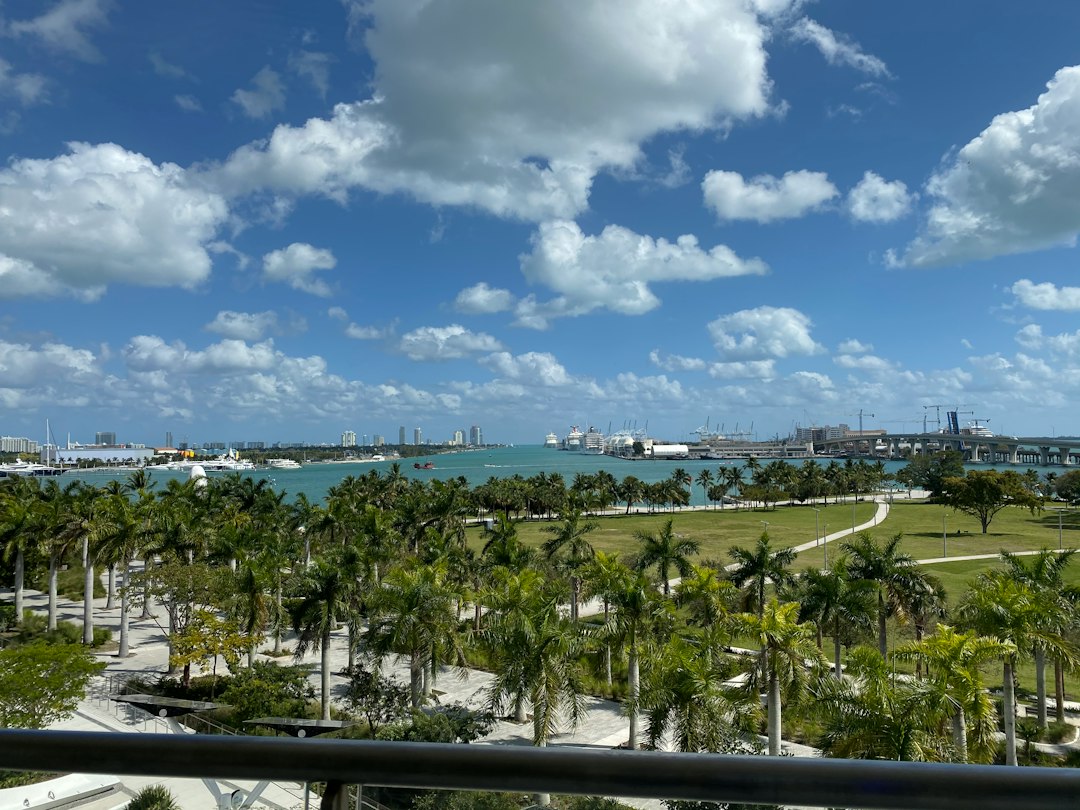
Condominium buyers face a different set of rules. In most buildings the exterior glass, including windows and balcony doors, is common element or association controlled. That means the board approves the product, the color, the installer, and sometimes the schedule. A unit owner may not have the right to choose the glass on their own.
If you are buying a high-rise unit in Miami or Fort Lauderdale, request these documents:
- The association’s window and door replacement rules and approved product list.
- Minutes showing whether a building-wide glass replacement or special assessment is planned.
- Proof that the unit’s current glazing is the association-approved product, with permit records.
- The latest milestone inspection and structural integrity reserve study results, which affect balcony and envelope work.
A building that has already completed a full envelope upgrade is a different investment from one with the work still ahead. An assessment can arrive after closing and is allocated per unit, so a luxury penthouse can carry a bill far larger than a standard apartment.
Glass Build, Frames, Noise and Energy Performance
Not all impact units perform alike once the storm passes. Laminated glass blocks most ultraviolet light, which protects flooring, art, and fabrics in a house with a lot of sun exposure. It also cuts exterior noise, a real benefit on Brickell towers, Las Olas corridors, and homes near boat traffic on the Intracoastal. A thicker interlayer or an insulated build-up with a low-emissivity coating improves both sound control and cooling load.
Frames deserve the same attention as glass. Aluminum is the standard in Florida because it holds the approved anchoring well, but finish quality varies. Powder coat near saltwater needs periodic cleaning, and cheaper finishes can pit within a few years. Ask about the finish warranty separately from the glass warranty, and ask who services the hardware on large sliders, since rollers and locks are the parts that wear first.
Age matters as well. Early impact products from the 2000s were tested to older standards, and some sealants and gaskets are at the end of their service life. A twenty-year-old unit can still carry a valid approval and yet leak around the perimeter. Have the inspector test a sample of units for water intrusion and check interior sills for staining, since small leaks around frames often show up first as swollen trim or discolored drywall below the opening.
A Buyer’s Checklist and How MJI Realty Group Helps
Use this sequence when impact glazing is part of a luxury purchase in South Florida:
- Ask for the product approval or NOA numbers and the installation date for every opening.
- Order your own wind mitigation inspection, not just the seller’s old report.
- Pull permit history and confirm each window job passed final inspection.
- Get a written insurance quote that reflects the verified opening protection.
- Check the manufacturer warranty and whether it transfers to a new owner.
- Price any replacement into the offer using current installed rates.
Sellers have a parallel task. If your windows are certified and permitted, gather the paperwork into one folder before listing. A clean file shortens due diligence, supports your price, and keeps a buyer’s insurance quote from becoming the reason a deal slips. For off-market sales, where buyers want a quick timeline and expect discretion, a ready file carries even more weight.
MJI Realty Group is a boutique brokerage that works with luxury buyers and sellers across Miami-Dade, Broward, and Palm Beach. If you are weighing an estate or condo where the glazing questions are still open, we can help you line up the right inspectors and read the results. Real estate decisions depend on individual circumstances; this is general information, not legal, tax, insurance, or investment advice for your specific situation, so confirm details with a licensed attorney, inspector, and insurance professional.