The Loggia Is Not on the Permit Record
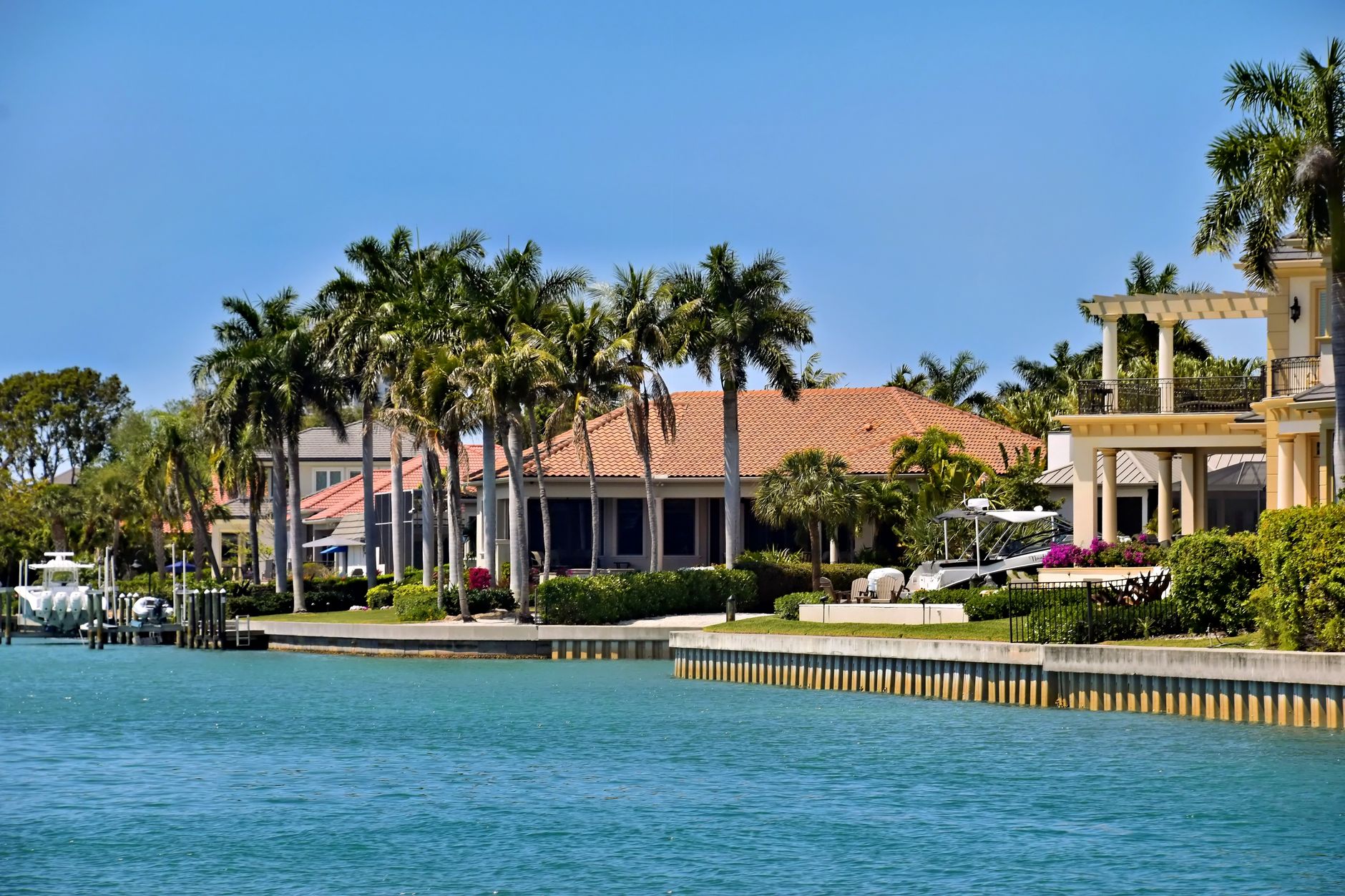
Picture a buyer walking through a Coral Gables estate. The covered loggia is spectacular. The summer kitchen is better equipped than most restaurants. The garage has been converted into a guest suite with its own bath. The listing counts every square foot, and the asking price reflects it.
Then the buyer’s attorney pulls the city’s permit history. The loggia has a permit that was issued eleven years ago and never closed. The guest suite has no permit at all. The summer kitchen sits on a gas line that nobody inspected.
This is not an unusual story. Florida homes change hands often, and many luxury properties have been renovated several times by several owners. Each project is supposed to produce a permit, a series of inspections, and a final sign-off from the local building department. When any link in that chain breaks, the result is either an open permit (a permit that was pulled but never finished or closed) or unpermitted work (construction that never had a permit to begin with).
Neither one automatically kills a deal. Both can change price, timing, financing, insurance, and what a buyer can safely do with the property after closing. At MJI Realty Group, we treat the permit search as a standard part of due diligence on estate-class purchases, not an optional extra.
Open Permits and Unpermitted Work: Two Different Problems

People use the terms interchangeably, but a title company, an insurer and a building official do not. Keeping them separate makes the rest of the process easier to follow.
- Open permit: a permit was issued, but the project never received a final inspection and the permit was never closed. The work may be complete and perfectly sound. The paperwork is simply unfinished.
- Expired permit: a permit that lapsed because work stopped or the inspection schedule was missed. It is often also open, since it was never closed out.
- Unpermitted work: construction, electrical, plumbing or mechanical changes that required a permit and never had one.
The distinction matters because the fixes differ. An open permit is often a matter of scheduling inspections and paying a contractor to finish the file. Unpermitted work can require an engineer, drawings, an after-the-fact permit application, and in some cases opening walls so an inspector can see what is behind them.
Work that normally requires a permit includes additions, enclosed lanais, new or relocated walls, roof replacements, window and door replacements in many jurisdictions, electrical service changes, plumbing relocations, pools, seawalls, docks and generators. Cosmetic work such as painting and basic flooring generally does not. Because rules are set locally, the permit threshold for the same project can differ between Miami-Dade, Broward and Palm Beach counties and among their cities.
What Florida Law Protects: The Arm’s Length Purchaser Rule

Florida changed the rules in 2019, and the change helps buyers. Under Florida Statute 553.79, a local enforcement agency may not deny a building permit to, issue a notice of violation to, or fine or penalize an arm’s length purchaser of a property for value solely because a building permit applied for by a previous owner was never closed.
In plain terms, if you buy a home at a fair price from an unrelated seller, the city cannot punish you for the seller’s unfinished permit. That is a meaningful protection. Before the change, an open permit could block a buyer from pulling any new permit on the house, which stalled roof, window and renovation plans.
The same statute also created practical tools for closing old files:
- An owner can close an expired permit by retaining the original contractor, hiring a different licensed contractor, or acting as an owner-builder where the law allows it.
- If the work was substantially completed, the permit may be closed under the code in effect when the permit was first applied for, rather than forcing a redesign to current standards.
- A local agency may close a permit six years after issuance, even without a final inspection, if it determines that no apparent safety hazards exist.
- Local governments may mail or email a written notice to the owner and contractor at least 30 days before a permit is set to expire.
Notice what the rule does not say. It protects against penalties tied to a previous owner’s unclosed permit. It does not make unpermitted work legal, it does not guarantee that the work is safe, and it does not stop an insurer, lender or appraiser from reacting to what they find.
What Sellers Must Disclose
Florida is not a pure buyer-beware state when it comes to residential sales. In Johnson v. Davis, the Florida Supreme Court held that a seller of a home who knows of facts that materially affect its value, and who knows the buyer cannot readily observe them, must disclose those facts. Known unpermitted work and known open permits fit that description in many cases, especially when they involve additions, structural changes or systems.
Brokers have their own obligations. Florida Statute 475.278 sets out the disclosure duties for licensees, including dealing honestly and fairly and disclosing known facts that materially affect a property’s value. A listing agent who knows a garage suite was never permitted cannot simply leave it out of the conversation.
Two cautions for buyers. First, the duty applies to what the seller knows. A seller who bought five years ago may honestly have no idea that the prior owner enclosed the lanai without a permit. Second, an “as is” contract does not erase disclosure duties, and it does not erase the buyer’s need to investigate. The only reliable way to learn what the county has on file is to ask the county.
For sellers, the same logic runs in the other direction. A property with known permit gaps sells better when the gap is documented and priced than when a buyer discovers it in week three of a thirty-day inspection period.
How to Run a Permit Search Before You Close

A permit search is cheap compared with the problems it can reveal. Start it on day one of your due diligence window, because municipal records take time to retrieve and some older files are stored off site.
- Get the folio or parcel number and the full legal address, including any prior addresses if the street was renumbered.
- Search the building department’s online portal. Most Florida cities and counties publish permit histories. Miami-Dade County and Broward County maintain building resources, and many individual cities in both counties run their own permitting offices, so confirm which agency has jurisdiction over the address.
- Request a records search in writing if the portal is incomplete. Older permits, pre-2000 files, and anything issued by a city that has since changed its software are common gaps.
- Compare the permit record to the property. Walk the house with the permit list in hand. Every addition, enclosure, pool, dock, generator and converted space should match a permit, or you should know why it does not.
- Ask for contractor details. Every permit should name a licensed contractor. You can verify a license through the Florida Department of Business and Professional Regulation.
Compare the permit record to the square footage on the listing, the county property appraiser’s records, and any prior appraisal. Mismatches are the clearest signal that something was built without a permit. A listing that advertises more finished space than the property appraiser records shows deserves a closer look.
Insurance, Appraisals and Financing

Permit problems do not stay inside the building department. They reach the three parties who determine whether a luxury purchase can close and stay protected.
Insurance. Florida’s homeowners market already demands careful underwriting on high-value coastal homes. An insurer that discovers an unpermitted addition, an unpermitted electrical upgrade or an unpermitted roof may decline to cover the affected area, charge more, or contest a claim that involves it. The Florida Office of Insurance Regulation publishes consumer information on the state’s insurance market, and your agent should confirm in writing what the carrier will and will not cover before you remove contingencies.
Appraisals. Appraisers typically rely on permitted, legally conforming living area when they report square footage. A garage conversion without a permit may be valued as a garage, not as a guest suite, which can leave a gap between the contract price and the appraised value.
Financing. Lenders may require open permits to be closed or require the buyer to price in the cost of correction. Cash buyers face less lender pressure, but they still inherit the physical condition of the work.
For international buyers, trust and LLC owners, and anyone buying through a privacy structure, these steps happen on a tighter timeline, since the closing group is often larger and coordination takes longer. Starting the permit search early protects the schedule as much as it protects the price.
Your Options When You Find a Problem

Finding a permit gap during the inspection period is not a reason to panic. It is the reason the inspection period exists. Buyers generally have four realistic paths, and the right one depends on the size of the problem, the cost to fix it, and how much the buyer wants the house.
1. Ask the seller to close the permit before closing
For an open permit with substantially completed work, this is often the cleanest answer. The seller hires a licensed contractor, schedules the final inspection, and delivers a closed permit. Build a deadline into the contract so the sale does not drift past the closing date.
2. Negotiate a price reduction or credit
When the seller cannot or will not resolve the issue, a credit lets the buyer handle it after closing. Get a contractor or engineer to price the work first. A credit based on a guess usually falls short.
3. Use an escrow holdback
Funds held at closing can pay for permit closure or corrective work once the buyer takes title. The closing agent and both attorneys should document the amount, the scope and the release conditions in writing.
4. Walk away within your contingency window
Some problems are too big. Unpermitted structural work, unpermitted work over a shoreline, or an addition that was built over a setback line can cost more than the price reduction a seller will accept. A buyer who keeps the inspection and attorney-review rights in the contract keeps the option to leave.
Whichever path you choose, read the contract language on permits and repairs closely. The standard Florida forms do not solve every permit issue, so a real estate attorney should review any addendum that addresses it.
Title Insurance, Liens and the Contractor Question
Permit gaps often travel with contractor problems. A project that skipped permits may also have skipped a licensed contractor. Under Florida’s contracting laws, certain work must be performed by licensed professionals, and homeowners acting as owner-builders operate under specific limits and responsibilities. You can read the owner-builder exemption directly in Florida Statute 489.103.
That matters for two reasons. First, if the previous owner acted as an owner-builder and sold within a short window, local rules and the statute’s conditions can come into play. Second, unpaid contractors can file claims against a property, so the title search should be read with the permit record beside it. A mechanic’s lien, a notice of commencement that was never closed out, or a recorded claim from a contractor on a renovation can show up in the same set of records.
Standard owner’s title insurance does not cover everything a permit search turns up. Policies commonly except matters that a survey or inspection would reveal, and they generally do not guarantee that existing improvements were legally built. Ask your title agent to explain in writing which exceptions apply and whether any endorsement is available. The title company and your attorney can tell you what is and is not covered for the specific property.
None of this means a property with permit history is a bad purchase. It means that the buyer who reads the title commitment, the survey and the permit file together sees the full picture, and the buyer who reads only one of them does not.
Building Back Legally: Cost, Time and Code

If you buy a property with unpermitted work and decide to legalize it, expect a process, not a form. The Florida Building Commission publishes the Florida Building Code that governs the standards an inspector applies. A typical after-the-fact path looks like this.
- A licensed architect or engineer documents what exists, often with measured drawings and, where needed, structural or electrical evaluation.
- A licensed contractor submits the after-the-fact permit application, and the building department reviews the plans.
- Inspectors may require exposed framing, wiring or plumbing to be opened for review, then closed again after approval.
- Corrections follow if anything fails inspection, then final inspection and sign-off.
Cost and time vary widely. A simple enclosed porch and a converted garage with new plumbing are very different projects. Coastal and flood-zone properties add elevation, wind-load and floodplain review. Properties in historic districts add design review. Get a written estimate from a licensed contractor before you rely on any number, and build in time for the municipality’s review queue.
One more point for investors and owners who plan to rent or resell. Permit history follows the property, so work you legalize today makes the next sale easier. Work you leave unresolved becomes the next buyer’s problem, and the next buyer’s attorney will find it.
Questions to Put to Your Broker and Attorney, Then a Next Step
Before you make an offer on a Florida estate or investment property, ask these questions and get the answers in writing.
- Has anyone pulled the full permit history, and does it match the listing’s description of the home?
- Are there open or expired permits, and who is responsible for closing them?
- Does the finished square footage on the listing match the county property appraiser’s records?
- Will the homeowners insurer cover every structure and system on the property?
- What does the title commitment except, and what do the survey and the permit file add?
- Does the contract give me the right to cancel or renegotiate if the permit search finds a problem?
If you are considering buying or selling a luxury property in South Florida, MJI Realty Group works with buyers and sellers who value discretion, speed and a complete picture of what they are buying. We can help you set up the permit search, coordinate with your attorney, and structure an offer that protects you. Real estate decisions depend on individual circumstances; this is general information, not legal, tax, or investment advice for your specific situation, so consult your attorney and licensed professionals before you act.