A Tax Bill Built for Land That Will Never Be Built On
An owner of 40 acres in Martin County with a horse barn, a pond, and a stand of native pine gets a tax notice assessed as if that land could someday hold forty half-acre homesites. The pasture stays pasture. The pond stays a pond. But the bill reflects the land’s highest potential use, not its actual one, because the county property appraiser has no way to know the owner never intends to subdivide.
A conservation easement is the legal tool that closes that gap. It is a recorded, permanent agreement that strips the development rights off a parcel, in whole or in part, and hands enforcement of that restriction to a government agency or a qualified land trust. The owner keeps title, keeps using the land, and keeps the right to sell or pass it to heirs. What disappears, permanently, is the ability to subdivide, pave, or build beyond whatever the deed allows.
In exchange for giving up that development value forever, the owner can claim a federal charitable deduction under Internal Revenue Code Section 170(h) and, separately, a different property tax assessment under Florida law. For owners of large acreage estates in South Florida and the Treasure Coast, equestrian farms, ranch land, and waterfront parcels with wetlands or hammock, that combination is one of the more significant and least understood tools available.
What a Conservation Easement Actually Restricts
A conservation easement does not transfer ownership and it does not open the property to the public unless the deed specifically grants public access, which most private residential and agricultural easements do not. The owner continues to live on the land, farm it, graze it, or use it exactly as before. What the easement eliminates is future development beyond what the deed permits: no new subdivision, no commercial construction, no draining of wetlands, no clearing of a protected hammock.
Because the restriction runs with the land in perpetuity, it binds every future owner. That permanence is not a drafting choice, it is a federal requirement. A temporary or revocable restriction does not qualify for the federal deduction at all. The easement holder, typically a nonprofit land trust organized under IRC Section 501(c)(3) or a government agency such as a water management district, is legally obligated to monitor the property and enforce the restriction against any owner who violates it, including the original donor’s heirs or a future buyer.
That enforcement obligation is why not every nonprofit can hold an easement. Under Florida law and federal regulation, the holder must have the staff, funding, and documented track record to actually defend the restriction in court if a future owner tries to build on restricted ground. Buyers evaluating a property already encumbered by a conservation easement should request the deed and confirm who holds it and what, specifically, it restricts, since terms vary significantly from one easement to the next.
The Federal Deduction Under Section 170(h)
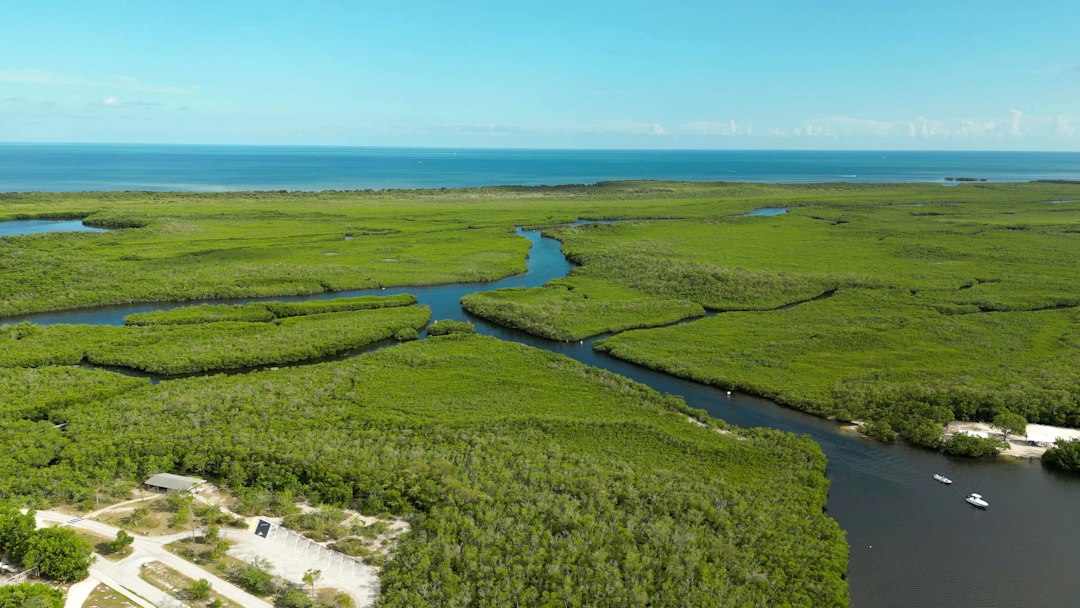
The federal tax benefit comes from treating the donated easement as a charitable gift of a partial property interest. The deduction equals the difference between the land’s fair market value before the restriction and its value after, the value lost because the development rights are gone. On a parcel with real subdivision or commercial potential, that difference can be substantial, which is exactly why the IRS reviews these deductions closely.
What Counts as a Conservation Purpose
The donation only qualifies if it serves at least one of four purposes recognized under 26 CFR Section 1.170A-14: preserving land for public outdoor recreation or education, protecting a relatively natural habitat for fish, wildlife, or plants, preserving open space for scenic enjoyment or under a government conservation policy, or preserving a historically important land area or certified historic structure. A horse farm with intact wetlands or a buffer along a protected waterway typically qualifies under the habitat or open space tests. A parcel with no ecological or scenic significance generally does not, regardless of how much the owner wants the deduction.
The Appraisal and Filing Requirements
Every conservation easement donation above $5,000 in claimed value requires a qualified appraisal performed by a qualified appraiser, attached to IRS Form 8283, Section B. Donations claimed above $500,000 require the full appraisal to be filed with the return, not just summarized. The appraisal has to isolate the before and after value of the specific parcel, not the owner’s broader portfolio, and it has to hold up to IRS review years later. A deduction built on an inflated appraisal is the single most common reason these donations get challenged on audit.
The deduction itself is capped at 50 percent of adjusted gross income in the year of the gift, with a 15 year carryforward for any unused portion. Taxpayers who qualify as farmers or ranchers under Section 170(b)(1)(E), a status tied to how the income is earned rather than the acreage itself, can deduct up to 100 percent of AGI. Congress tightened the rules further through the SECURE 2.0 Act, which added Section 170(h)(7): for easements donated through a partnership or LLC, the deduction cannot exceed 2.5 times the sum of the partners’ bases in the entity, a provision aimed squarely at the syndicated easement deals that drew years of IRS litigation.
Florida’s Separate Property Tax Benefit
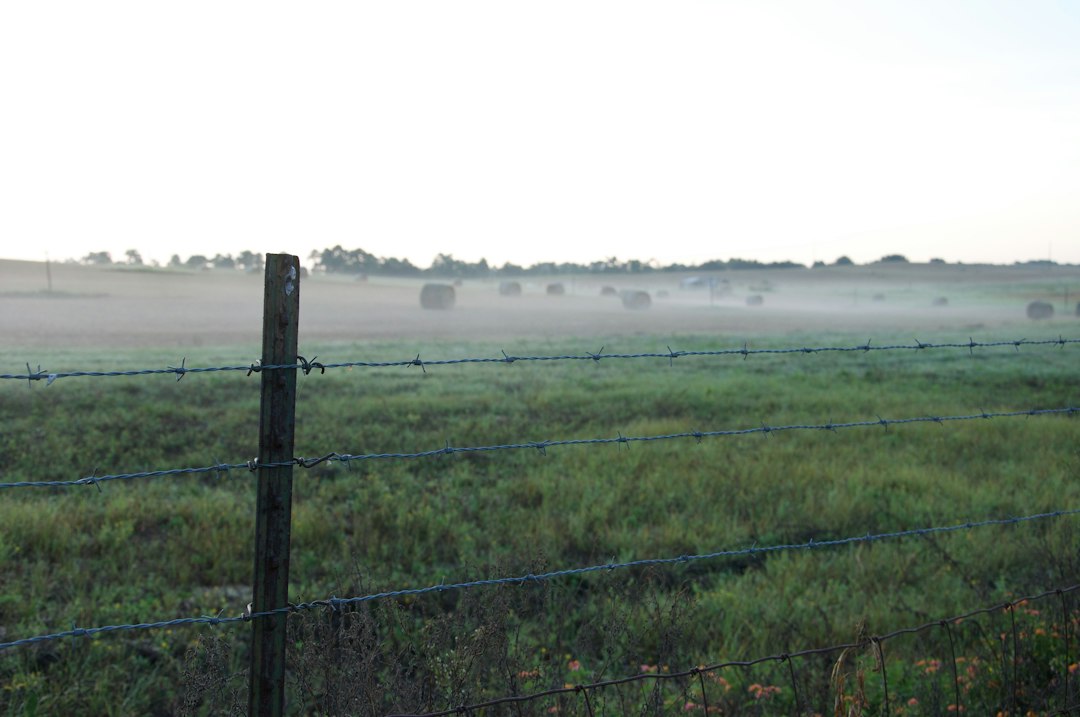
The federal deduction is a one time event tied to the year the easement is donated. Florida’s property tax treatment is a separate, ongoing benefit governed by Florida Statute 193.501, and it runs for as long as the restriction stays in place.
Under that statute, an owner who places land under a qualifying conservation easement, or dedicates it for conservation, outdoor recreation, or park purposes, for a term of at least 10 years can have the county property appraiser assess the land based on its restricted use rather than its unrestricted market value. For raw acreage sitting next to half million dollar homesites, that is frequently the difference between an assessment built around subdivision potential and one built around what the land can actually be used for.
This is a different mechanism than Florida’s agricultural classification, often called greenbelt, which is based on active bona fide agricultural use and can be revoked the moment farming activity stops. A conservation easement assessment under 193.501 is tied to the recorded legal restriction itself, not to whether cattle are currently on the property, which makes it a more durable benefit for land an owner wants protected regardless of how actively it is farmed. The two programs are not mutually exclusive, and a property appraiser’s office can confirm which applies, or whether both do, for a specific parcel.
Where This Shows Up on South Florida and Treasure Coast Estates
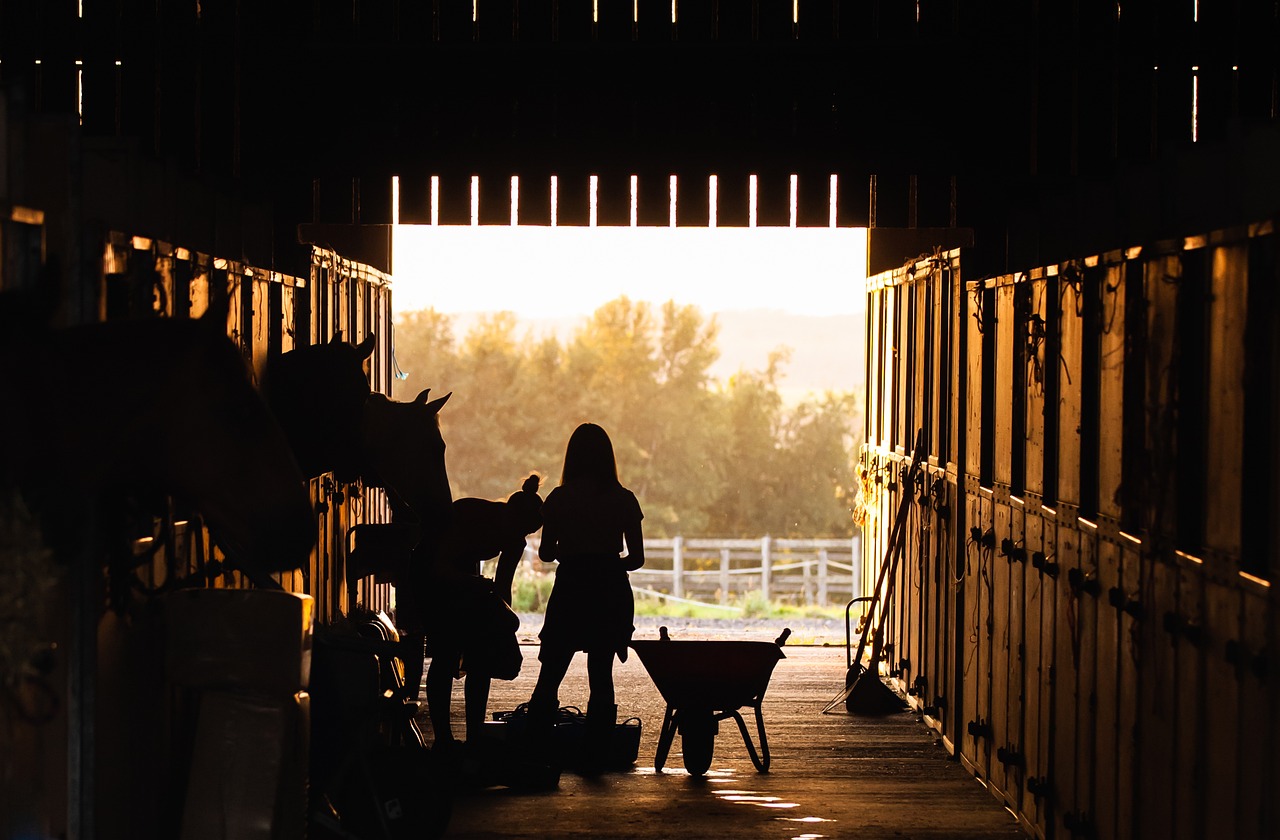
Conservation easements are not a tool for a quarter acre lot in a gated community. They matter when an estate sits on real acreage with ecological or scenic value, and South Florida has no shortage of that profile.
Wellington and the surrounding Palm Beach County equestrian corridor carry some of the highest concentrations of large horse properties in the state, many with pasture, wetland buffers, or canal frontage that can support a qualifying easement. Martin and St. Lucie counties, the firm’s Treasure Coast reach, hold working ranch land and citrus acreage where development pressure from the south is pushing per acre values, and assessments, higher every year. Waterfront estates with mangrove shoreline, hammock, or wetland frontage along the Loxahatchee, the St. Lucie River, or the barrier islands can also qualify where the shoreline itself has habitat value worth protecting.
What does not typically qualify is a standard luxury homesite in an established subdivision, where there is no meaningful development right left to restrict and no habitat or scenic purpose being served. The analysis always starts with the parcel, not the price point.
Why the IRS Scrutinizes These Deals
For more than a decade, promoters sold investors fractional interests in LLCs that existed mainly to buy raw land, obtain an inflated appraisal, donate a conservation easement, and pass oversized deductions through to dozens of unrelated partners who had no connection to the property. The IRS and the Tax Court have spent years unwinding those syndicated deals, and Congress closed much of the remaining loophole with the 2.5x basis limit in SECURE 2.0.
That history means a legitimate, single owner conservation easement donation gets read against a backdrop of real enforcement risk. The appraisal has to be defensible on its own terms, the conservation purpose has to be genuine and well documented with a baseline report describing the property’s condition at the time of the gift, and the easement holder has to be a legitimate organization with the resources to enforce it, not a shell set up for the transaction. None of this makes a real donation on a real property risky. It does mean the paperwork matters as much as the land itself, and it is not a transaction to structure without a tax attorney and a qualified appraiser who has specifically handled conservation easements before.
Running the Numbers on a Hypothetical Parcel
A rough illustration helps make the mechanics concrete, though every real donation depends on a parcel specific appraisal.
Consider a 50 acre parcel in Martin County with frontage suitable for a 20 lot rural subdivision. An appraiser values the land at $6 million as-is, reflecting that subdivision potential. After a conservation easement permanently restricts the parcel to no more than two residences and prohibits further subdivision or wetland disturbance, the same appraiser values it at $2.2 million, the value of a large single family parcel with no further development upside. The difference, $3.8 million, is the charitable deduction, subject to the AGI percentage limits and carryforward rules described above.
- The owner retains both residences, the pasture, and full use of the land.
- The property tax assessment thereafter reflects the restricted use value under Florida Statute 193.501, assuming the 10 year minimum term is met.
- The land trust holding the easement is legally obligated to inspect the property, typically annually, and enforce the restriction against any future owner.
None of this works as a shortcut to avoid taxes on land an owner planned to develop next year. It works for owners who genuinely do not intend to subdivide and want the tax treatment to reflect that intention permanently.
The Process From Decision to Recorded Deed
The timeline from first conversation to recorded deed typically runs six months to a year, not because the paperwork is long but because a defensible appraisal and a willing, qualified holder both take time to line up correctly. Owners who start the process assuming it closes like a real estate sale tend to be the ones who cut corners on the appraisal, which is exactly where IRS challenges begin.
Deciding Whether This Fits Your Estate

A conservation easement is the right tool for an owner who already does not plan to subdivide or develop their acreage and wants the tax and legal structure to catch up to that reality permanently. It is the wrong tool for anyone keeping development optionality open, since the restriction cannot be undone once recorded.
At MJI Realty Group, we work with owners of large Florida estates, equestrian farms, ranch land, and waterfront acreage across Martin, St. Lucie, Palm Beach, and Miami-Dade counties, and we coordinate with the tax attorneys and appraisers who actually structure these donations rather than attempting to advise on the tax mechanics ourselves. If you are evaluating whether a property you own, or one you are considering buying, has the conservation value to support this kind of structure, that is a conversation worth having before you buy, not after.
Real estate decisions depend on individual circumstances, including income, entity structure, and the specific ecological profile of a parcel; this article is general information, not legal, tax, or investment advice for your specific situation. Any owner considering a conservation easement should engage a tax attorney and a qualified appraiser experienced with Section 170(h) before taking any action.