Six Markets, One Decision
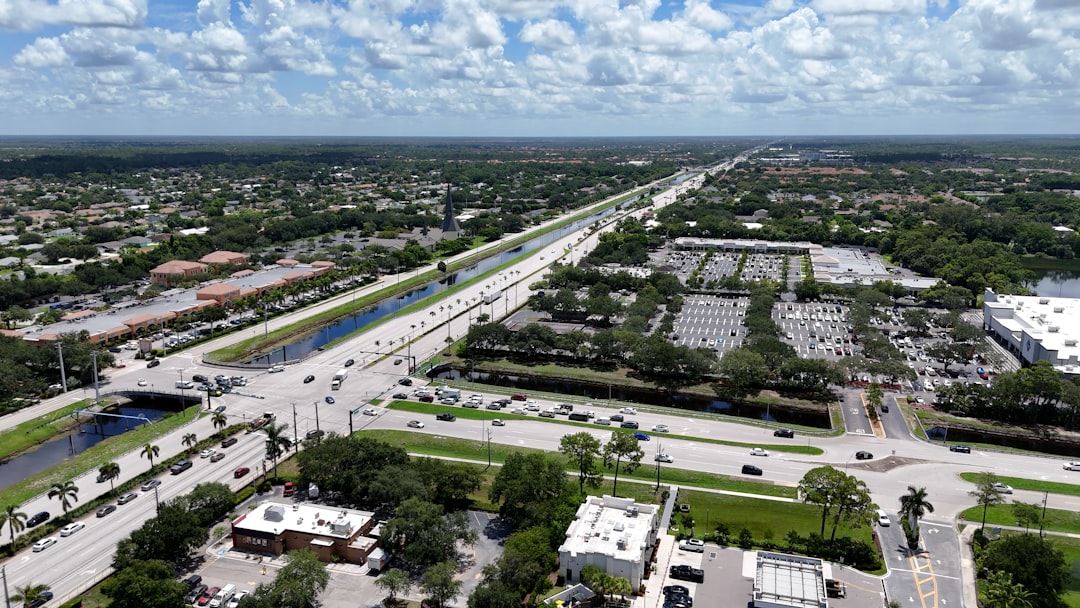
South Florida is not one luxury real estate market. It is six or seven markets stacked against each other, each with a different relationship to water, density, privacy, and lifestyle. Miami Beach sits on a barrier island. Coral Gables runs through a canopied mainland grid. Coconut Grove has a marina-centric character that Miami Beach never had. Brickell is a walkable vertical city. Palm Beach has its own social and architectural history. Boca Raton organizes luxury around golf community infrastructure. Fort Lauderdale built its identity around navigable waterways and boating access.
The choice between these markets is rarely about price. High-net-worth buyers shopping in the $2 million to $15 million range have real options across all of them. The decision comes down to how the buyer wants to live: what proximity to water means to them, whether they want a walkable urban center or a quiet residential enclave, whether school access is central to the purchase, and whether resale demand in a specific submarket aligns with their investment horizon.
The broader context makes South Florida worth understanding in depth right now. According to MIAMI REALTORS®, continued wealth migration from New York, California, Illinois, and Massachusetts is sustaining demand in the $1 million-and-above residential segment through 2026. These buyers are not relocating randomly. They are selecting specific South Florida neighborhoods for specific reasons, and understanding those reasons is what this guide is built around.
Miami Beach: Barrier Island Prestige
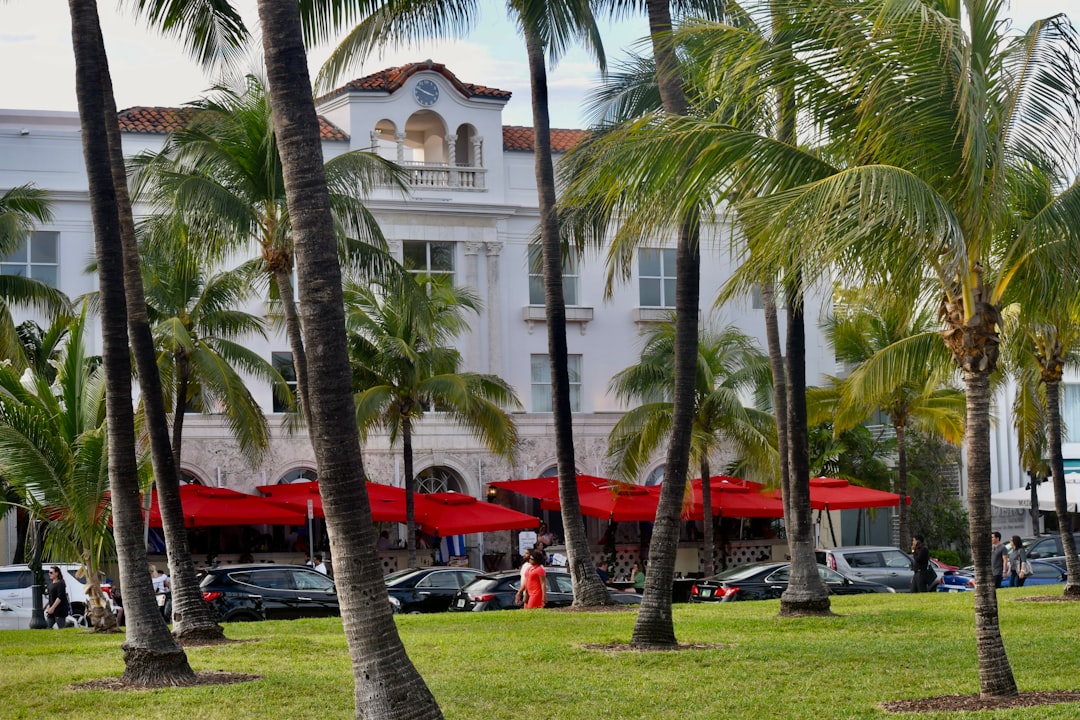
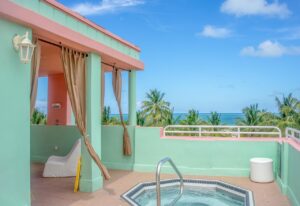
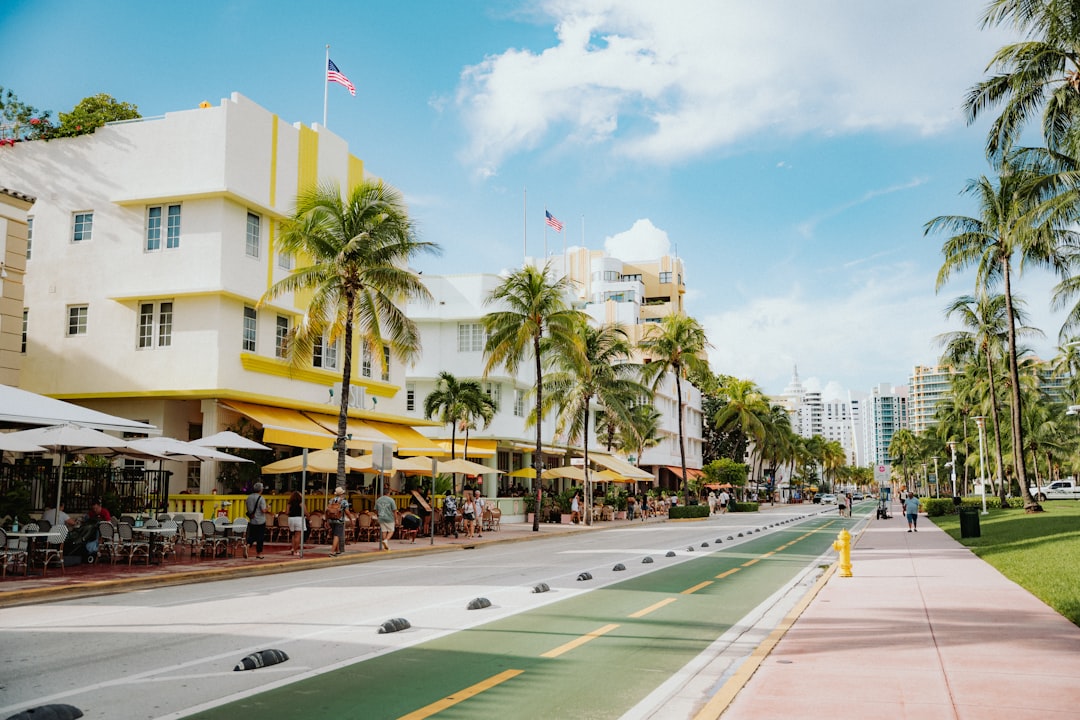
Miami Beach is a barrier island city, and the separation from the mainland is one of its core selling points. The most recognizable part of the city is South Beach, with Ocean Drive, the Art Deco Historic District, and a hospitality infrastructure that operates at a different intensity than the rest of South Florida. Most serious luxury buyers look further north: Mid-Beach, North Beach, Surfside, and Bal Harbour each offer island living with more residential character and less commercial activity than South Beach.
The highest-value single-family residential addresses sit on the Venetian Islands, along Pine Tree Drive, and on the bayfront streets that run parallel to Indian Creek. These are properties with private docks, open-bay views, and lot depth that makes waterfront estate living feel private even in an island context. Luxury sales in Miami Beach averaged around $4.6 million per transaction in recent market data, with the median price near $1.9 million across the full market spectrum. The range is wide because a renovated oceanfront estate on the Venetian Islands and a resale mid-rise unit near South Beach sit in the same ZIP code.
Buyers drawn to Miami Beach typically want walkable access to restaurants, hotels, and cultural activity, paired with a property that sits at or near the water. The tradeoffs are real: flood zone exposure is significant on a barrier island, homeowners insurance costs run materially higher than comparable mainland properties, and the most desirable inventory is limited because the island itself is fully built out. Buyers should review FEMA flood zone classifications as a standard step in due diligence for any Miami Beach property.
Coral Gables: Residential Grace on the Mainland

Coral Gables was designed in the 1920s as a master-planned residential community, and the planning still shows. The street grid follows a numbered system layered with Venetian-inspired names, the canopy trees date back generations, and the architecture trends toward Mediterranean Revival with terracotta rooflines and arched window openings. The city’s zoning code has kept commercial development contained, which is why the residential neighborhoods feel genuinely quiet even by South Florida standards.
For buyers who want waterfront access, Gables Estates and Gables by the Sea are the primary destinations. Both are guard-gated communities with deep-water canal frontage, private docks, and estate-sized lots. These addresses consistently rank among the highest-value residential properties in Miami-Dade County. The Miami-Dade County Property Appraiser records for Gables Estates reflect per-square-foot valuations that place it among the most expensive residential real estate in Florida, with properties frequently transacting above $5 million and major waterfront estates going well beyond that threshold.
Non-waterfront Coral Gables offers a different value proposition: large lots, mature landscaping, proximity to the University of Miami, and a walkable downtown anchored by Miracle Mile and the Shops at Merrick Park. Coral Gables has one of the strongest concentrations of well-regarded private and public schools in the Miami-Dade metro, which draws families relocating from the Northeast and West Coast. Non-waterfront luxury properties in the most sought-after Coral Gables streets trade in the $2 million to $4 million range, with top-tier waterfront estates going substantially higher.
Coconut Grove: Tropical Privacy and Deep Water Access
Coconut Grove is the oldest continuously occupied neighborhood in Miami. That history produces something no amount of new development can replicate: a genuinely organic character. The streets are narrow and lined with old banyan and mahogany trees. The bayfront properties have water access that serious boaters specifically seek out. The village atmosphere around CocoWalk and Grand Avenue gives buyers a local dining and retail scene that feels nothing like a planned suburban development.
The most valuable Coconut Grove properties run along the bayfront and through the private streets of the Grove’s residential enclaves. These do not trade at high volume. Many of the most significant transactions happen before any public listing appears, which means buyers need a brokerage with active relationships in the neighborhood rather than a search-and-schedule approach. Working off-market is the standard in this part of the city, not the exception.
Coconut Grove appeals to buyers who want a luxury address with a real Florida sense of place. The bay views are unobstructed on the most desirable streets, and the privacy feels earned rather than manufactured by gates and guardhouses. Waterfront homes typically start in the $3 million to $4 million range and go well above that for deep-water bayfront estate properties. Non-waterfront luxury homes in the tree-lined interior streets typically trade in the $2 million to $4 million range. Inventory has historically been constrained here, and that tightness has supported pricing across market cycles.
Brickell: Urban High-Rise Luxury in Miami’s Financial Core
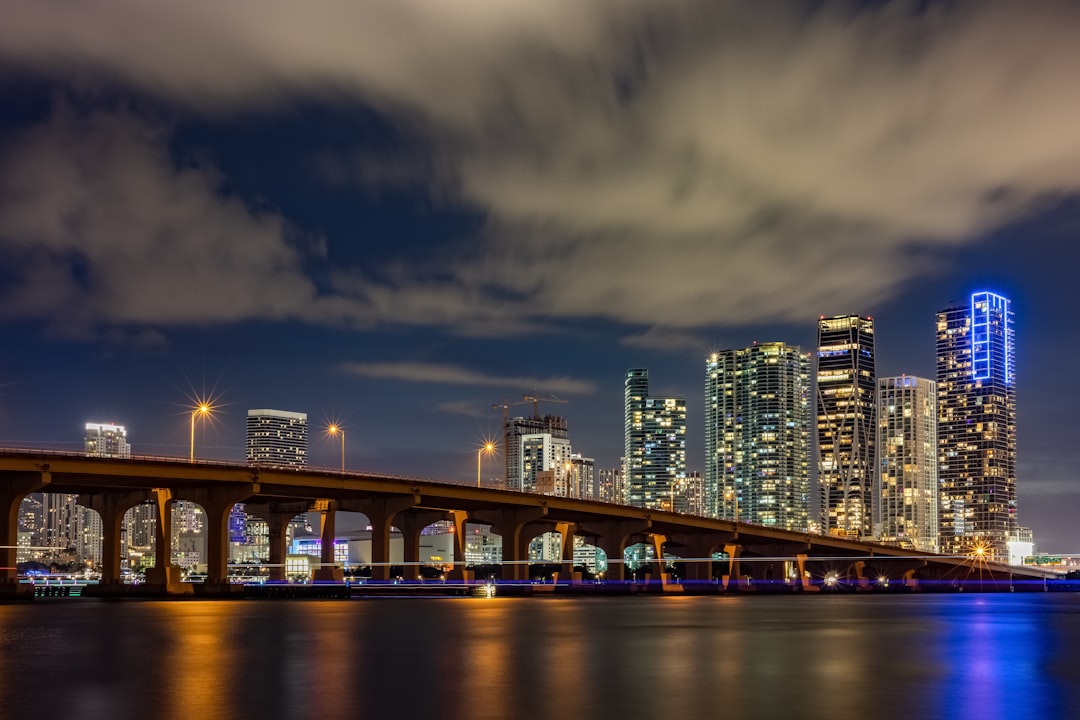
Brickell is Miami’s financial district, and the luxury residential product here is almost entirely vertical. Towers along Brickell Avenue, the Brickell Key island, and the stretch between the Miami River and South Brickell give buyers a range of floor plans, views, and building amenity packages that is difficult to match anywhere else in South Florida.
The neighborhood’s primary appeal is walkability. Brickell City Centre, Mary Brickell Village, the Underline linear park, and the Miami Metromover make Brickell one of the few areas in Miami-Dade where daily errands, dining, and transit can be handled without a car. Buyers relocating from New York, Chicago, or Boston who want an urban lifestyle rather than a suburban estate find that Brickell is the closest analog in South Florida to what they left behind.
The Miami-Dade County luxury condominium market averaged $2.92 million per transaction in Q1 2026, up 3.4% year-over-year, with transaction volume rising 15.9% in the same period. A significant portion of that activity is concentrated in Brickell. Typical luxury floor plans run from 2,000 to 6,000 square feet, with private elevator access, resort-style pools, and city or water views. What Brickell does not offer is the privacy of a low-density residential neighborhood, practical boating access, or the outdoor space a waterfront estate provides. Buyers here make a deliberate trade: those features for proximity, amenity, and urban energy.
Palm Beach: The Island Standard for Ultra-Luxury
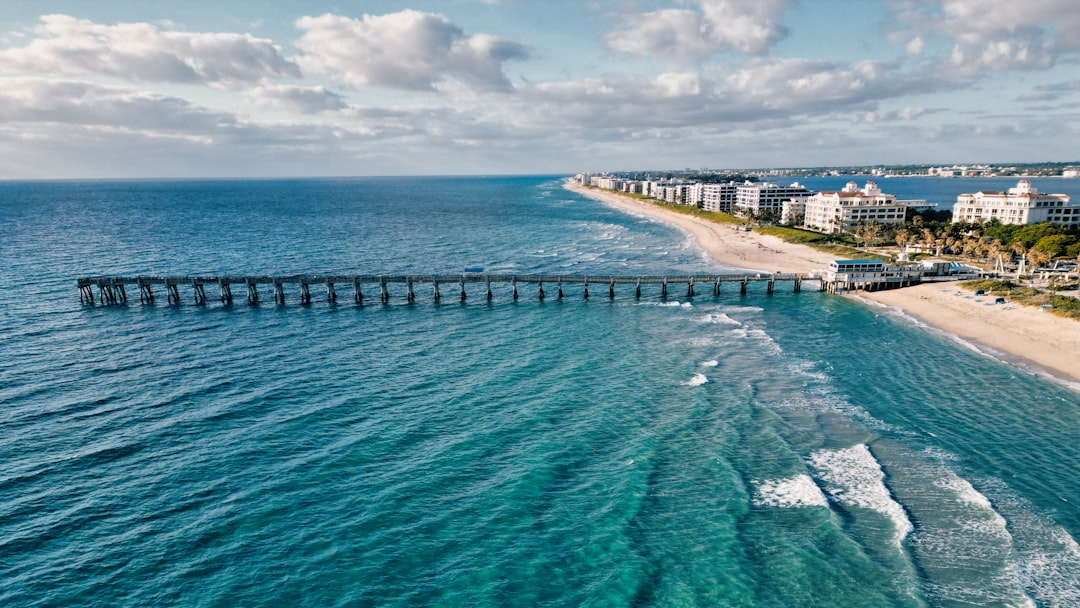
Palm Beach is its own category. The island municipality sits on a narrow barrier strip roughly 14 miles long, and the residential character there is predominantly single-family. Commercial activity is concentrated on Worth Avenue and a small supporting retail corridor. The pace is deliberately unhurried, and the sense of separation from the rest of South Florida’s density is real even though the mainland is minutes away by bridge.
The numbers confirm what buyers already sense about Palm Beach. South Florida recorded 361 residential property sales above $10 million in 2025, the highest total since 2021, according to the Keyes/Illustrated Properties Luxury Market Report. Palm Beach Island is a meaningful contributor to that figure. Oceanfront and Intracoastal estates routinely trade above $20 million, and the most notable properties along the North End and the Estate Section reach price levels without comparison elsewhere in Florida.
The Palm Beach County Property Appraiser records reflect some of the highest per-square-foot residential valuations in the state for oceanfront and Intracoastal properties on the island. Much of the architectural stock dates to Addison Mizner’s Mediterranean Revival work from the 1920s, and a number of the historic estates have been maintained or restored to an exceptional standard. Buyers looking at Palm Beach should expect limited inventory, competitive positioning on the best properties, and transactions that move quickly when the right address becomes available. Many of the most significant trades happen before the public listing stage.
Boca Raton: Planned Luxury and Golf Community Living
Boca Raton occupies a distinct niche in the South Florida luxury market. It is a city built with strong infrastructure investment and a residential culture organized significantly around golf communities, the Intracoastal waterfront, and country club membership. The Royal Palm Yacht and Country Club delivers Intracoastal-access addresses with a boating-oriented community structure that draws buyers who want yacht access paired with a traditional club lifestyle. Woodfield Country Club, Broken Sound, and other premier golf communities offer gated, amenity-rich environments with a different kind of residential infrastructure.
Luxury single-family home pricing in Boca Raton saw a median around $2.19 million for top-tier properties through the most recent market cycle. The Broward County luxury market immediately to the south posted an average sale price of approximately $2.3 million with an 8.6% year-over-year gain, reflecting the broad strength of the Boca Raton to Fort Lauderdale corridor.
Buyers who choose Boca Raton typically prioritize:
- Golf, tennis, and country club amenity access within a private residential community
- A quieter daily pace compared to Miami Beach or Brickell
- Proximity to both the Atlantic beaches and downtown Boca Raton without the density of barrier island living
- Community infrastructure well-suited to families and retirees alike
Boca Raton also benefits from proximity to corporate headquarters and executive office parks concentrated in Boca and Delray Beach, which makes it a practical choice for buyers who need to balance lifestyle priorities with a business commute.
Fort Lauderdale: Waterfront Living on the Intracoastal
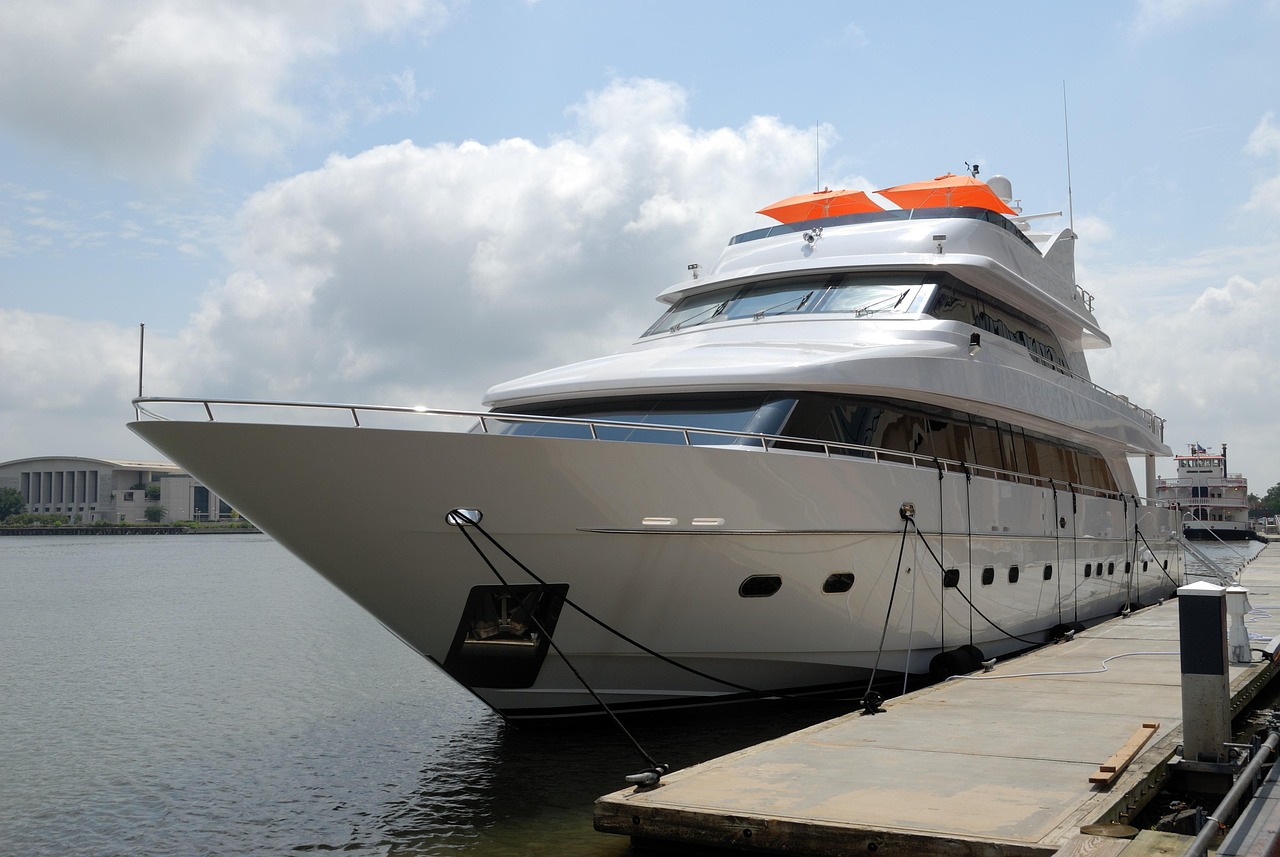
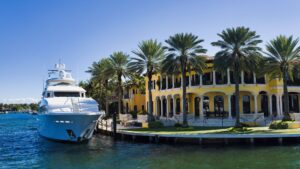
Fort Lauderdale earned its designation as the “Venice of America” for a reason: roughly 165 miles of navigable waterways run through the city. For buyers who want to own a property where a 40-foot or 60-foot vessel can dock directly behind the house, Fort Lauderdale is the South Florida market most purpose-built for that lifestyle.
The primary luxury residential footprint runs along the Intracoastal Waterway and the interior canals. Las Olas Isles, Bay Colony, and Harbor Beach command the highest prices. The distinction between ocean-access and fixed-bridge lots is significant for boaters: a deep-water property with unrestricted ocean access commands a substantial premium over a property where a fixed bridge limits clearance to smaller vessels. Buyers with boats above a certain air draft need to verify this as part of the site evaluation process before making an offer.
Fort Lauderdale’s luxury waterfront pricing is generally lower than comparable waterfront addresses in Miami Beach or Palm Beach, which is part of the draw for buyers who want direct boating access without paying barrier island or Palm Beach pricing. The Broward County luxury single-family segment posted consistent year-over-year gains through early 2026, reflecting sustained demand from both domestic buyers and international buyers who find Fort Lauderdale easier to access by air than Miami. Fort Lauderdale Beach and Lauderdale-by-the-Sea attract buyers who want direct Atlantic access with a smaller-scale beach community character rather than the density of Miami Beach.
Matching the Right Neighborhood to Your Priorities
Most South Florida luxury buyers narrow their options quickly once they identify the two or three priorities that actually drive the decision. The framework is direct:
For boating and water access: Fort Lauderdale is the strongest choice for buyers with larger vessels and a need for unrestricted ocean access. Coconut Grove and Coral Gables waterfront work well for bay-access boating in a quieter setting. Miami Beach waterfront properties offer bay exposure on the island but with the logistical constraints of island living.
For walkable urban living: Brickell is the only South Florida luxury market where daily life can genuinely be conducted on foot. Miami Beach has walkability concentrated in South Beach and parts of Mid-Beach. Every other neighborhood on this list requires a car for most daily activity.
For privacy and low-density residential character: Palm Beach is the clearest choice for buyers who want a self-contained island setting with a social structure to match. Gables Estates and the Coconut Grove bayfront enclaves offer comparable privacy on the mainland without the island price ceiling.
For investment and resale demand: Miami Beach, Brickell, and Palm Beach have the deepest international buyer demand, which supports resale liquidity at the high end. Fort Lauderdale waterfront has shown consistent appreciation. Coral Gables carries strong domestic demand from executives and families that keeps pricing stable across market cycles.
The Florida Realtors® publishes county-level market statistics quarterly, which are useful for comparing pricing trends and transaction volume across Miami-Dade, Broward, and Palm Beach counties. Looking at days on market, median sale prices, and year-over-year volume in the specific county and price tier you’re evaluating gives you a current read on where the market stands before making an offer.
Working With a Broker Who Knows All These Markets
South Florida’s luxury neighborhoods are genuinely different from each other, and the right one depends on how you want to spend your time in the property. A Palm Beach estate serves a different buyer than a Brickell penthouse, which serves a different buyer than a Fort Lauderdale Intracoastal home. Getting that match right at the beginning of the search saves time and puts buyers in a stronger position when the right property comes up.
At MJI Realty Group, we work with buyers across all of these South Florida markets. Our approach is straightforward: understand what the client actually values in a property, identify what is available at or before the public listing stage, and position the offer to move at the right price. For buyers who need discretion, that means working with properties that never appear in public searches. The off-market process is the standard for the highest-value transactions in every neighborhood covered in this guide.
If you are evaluating luxury neighborhoods in South Florida and want a direct conversation about what is available in a specific area, MJI Realty Group covers Miami-Dade, Broward, and Palm Beach counties with the same senior-broker attention for a $2 million purchase as for a $15 million one.
Real estate decisions depend on individual circumstances. This article provides general information about South Florida luxury neighborhoods and current market conditions, not legal, tax, or investment advice for your specific situation. Consult a licensed real estate professional, attorney, and tax advisor before making any real estate decision.