Fort Lauderdale’s Luxury Market Gains Momentum in 2026
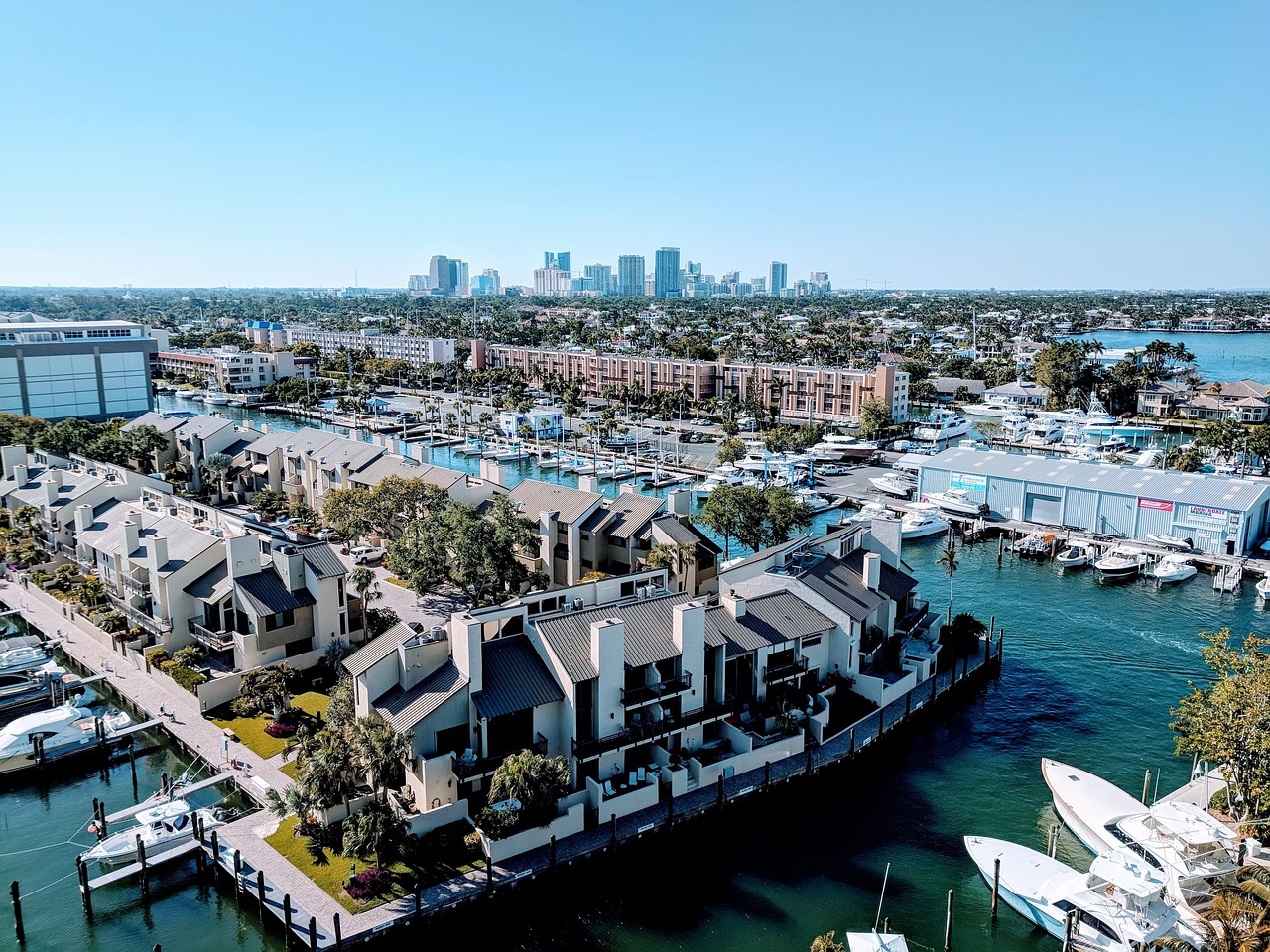
Fort Lauderdale doesn’t get the same national headlines as Miami, but it doesn’t need them. Broward County’s largest city has built one of the most active luxury real estate markets in South Florida, and 2026 is proving the point. Sales of homes priced at $1 million and above in Broward climbed 7.4% year over year, and January 2026 opened with million-dollar-plus transactions up 14% compared to January 2025. A $34 million waterfront mansion sale in early 2026 confirmed what seasoned buyers already knew: serious capital is still flowing into Fort Lauderdale.
This isn’t a speculative surge driven by momentum traders. The buyers are real, qualified, and often paying cash. Cash transactions represented 36.8% of Broward County real estate purchases in early 2026, a figure that reflects the confidence of high-net-worth buyers who don’t need mortgage committees to approve their decisions. The market has more inventory than a year ago, but demand at the top tier is outpacing supply in specific waterfront pockets and pushing the luxury threshold higher.
For buyers evaluating Fort Lauderdale as an acquisition target, and for sellers deciding when and how to move their property, understanding what’s driving prices and which pockets of the market are outperforming requires more than a quick scan of county-wide median figures. This guide covers the data, the neighborhoods, the waterfront premium structure, and what to expect from the transaction process in mid-2026.
Why Fort Lauderdale Commands a Luxury Premium
Fort Lauderdale has a geography that very few cities in the United States can replicate. The city is threaded with more than 165 miles of navigable waterways, earning its long-standing reputation as the Venice of America. For a buyer who owns a serious boat, that’s not marketing copy; it’s infrastructure. Properties in the right enclaves sit on deep water with no fixed bridges between the dock and the open Atlantic, which changes the value proposition for yacht owners in a way no inland property can match.
The lifestyle infrastructure beyond the water also sets Fort Lauderdale apart from other Florida markets. Fort Lauderdale-Hollywood International Airport serves more than 100 destinations, including direct service to New York, Boston, Chicago, and international gateways. The Brightline high-speed rail connects Fort Lauderdale to Miami and West Palm Beach, with the Orlando extension now operational. For buyers splitting time between South Florida and the Northeast, or traveling internationally for business, the logistics work in ways that Naples or Sarasota can’t quite replicate.
Florida’s tax structure adds another layer. There is no state income tax, and homestead protections are generous for primary residents. The Save Our Homes cap limits annual increases in assessed value to 3% or the rate of inflation, whichever is lower. On a $3 million property, that cap becomes meaningful within the first few years of ownership, compounding the cost advantage of long-term Florida residency. The Broward County Property Appraiser publishes current assessment data, exemption eligibility requirements, and parcel-level records for any property under consideration.
All of this combines to create a market where luxury demand is structural, not seasonal. Buyers come for the water, the access, the climate, and the tax positioning. Once established, they tend to stay.
The Neighborhoods Driving Luxury Demand
Fort Lauderdale’s luxury market isn’t uniform across the city. A handful of distinct enclaves drive the vast majority of high-value transactions, each with its own water access profile, price tier, and buyer profile. Understanding the differences helps buyers target the right neighborhood and helps sellers position their property accurately against actual competition.
Las Olas Isles
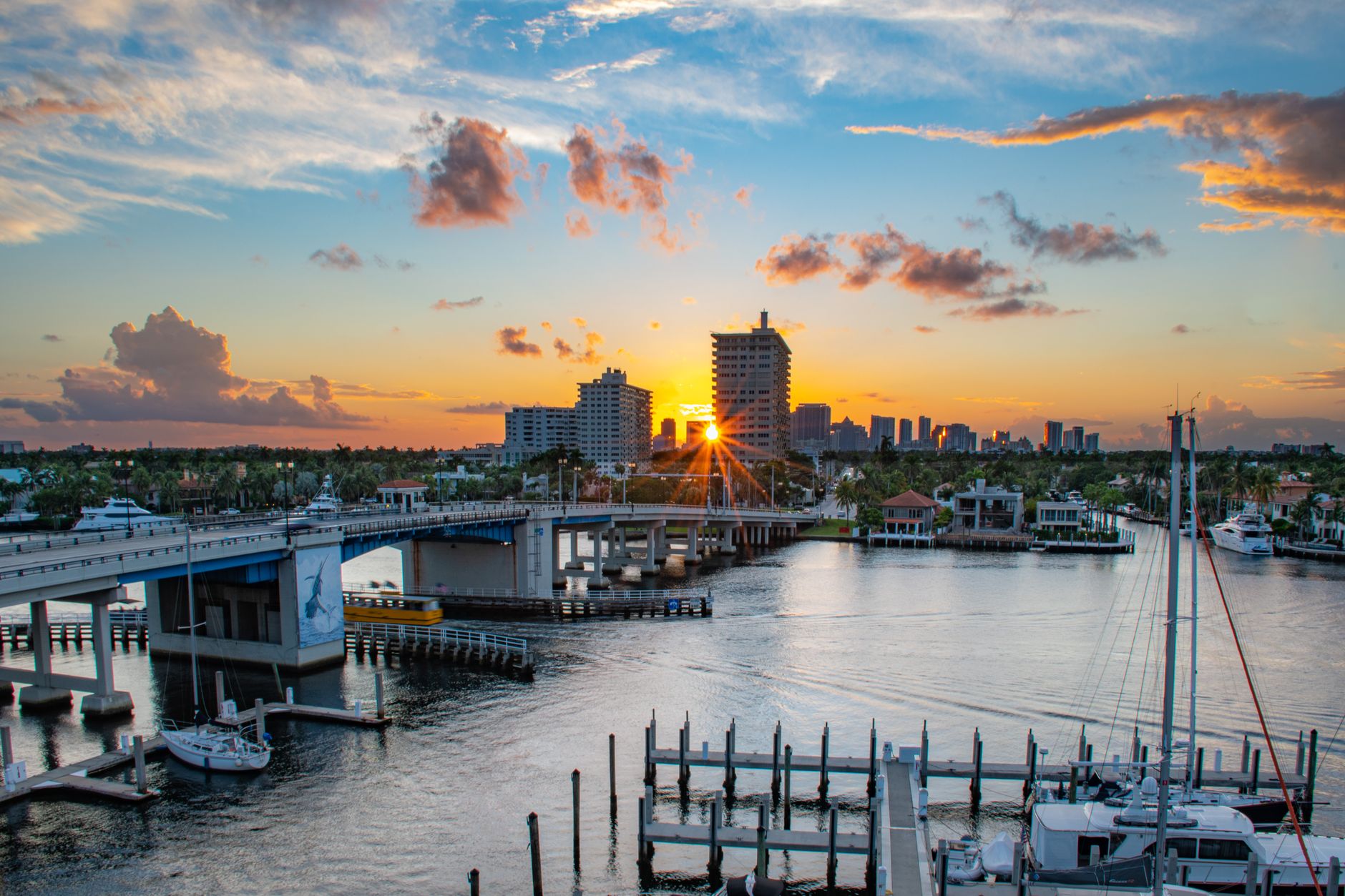
Las Olas Isles is the address Fort Lauderdale luxury buyers discuss first, and the reasons are concrete. The neighborhood consists of finger canals with deep water, no fixed bridges to the Intracoastal Waterway, and clear ocean access for vessels of any size. A 70-foot or larger yacht can sit at the private dock and reach open water in minutes. Homes in Las Olas Isles average around $3.4 million, with estate-class properties on wide-water lots reaching considerably higher. The architectural range runs from restored Mediterranean Revival estates to sharp contemporary builds with floor-to-ceiling glass and rooftop terraces.
The neighborhood sits a short distance from Las Olas Boulevard, Fort Lauderdale’s primary corridor for fine dining, galleries, and boutique retail. Buyers who want walkable access to that corridor combined with unrestricted water access for large vessels come to Las Olas Isles. That combination is rare, and it holds value across market cycles.
Harbor Beach
Harbor Beach offers a different configuration: a private beach club with restricted access to the sand, combined with wide canals and deep-water lots capable of accommodating large vessels. The neighborhood borders Fort Lauderdale Beach directly, and the private club is a meaningful quality-of-life addition for buyers who want Atlantic Ocean access on foot rather than only by boat. Properties in Harbor Beach lean toward larger single-family estates with a compound-style character, and sellers who own on the wider water sections command premiums that reflect the scarcity of those specific lots.
Coral Ridge and Rio Vista
Coral Ridge sits north of the Intracoastal, with wide water views, deep lots, and a mix of older construction and newly built product. It’s a neighborhood where serious renovation plays are available alongside finished turnkey estates. Buyers who want direct water access at prices below Las Olas Isles often find the value they’re looking for here.
Rio Vista, south of Las Olas Boulevard near the Port Everglades channel, offers wider lots and more historical character. Some of the oldest estate-class homes in Fort Lauderdale sit in Rio Vista, and the neighborhood attracts buyers who value architectural distinctiveness. Pricing in both Coral Ridge and Rio Vista runs below the Las Olas Isles premium but still comfortably within the luxury tier, making them worth careful analysis for buyers willing to spend time on individual properties.
What the Data Shows for Mid-2026
The headline statistics from Broward County’s 2026 market tell a coherent story: the entry-level and mid-market have softened, while the luxury tier is outperforming. The median sale price for Broward single-family homes was $600,000 in March 2026, down 5.5% year over year. That figure reflects affordability pressure and rate sensitivity in lower price bands. It does not describe what’s happening above $1 million.
Above $1 million, the picture is sharply different. Sales of Broward properties priced at $1 million and above climbed 7.4% from a year earlier. The ultra-luxury segment moved even faster: homes priced between $5 million and $10 million saw closed sales jump more than 31% compared to Q1 2025, according to Florida Realtors. Fort Lauderdale specifically recorded 36 closed transactions at $10 million or more in a recent twelve-month period, placing it among the strongest luxury transaction markets in the state.
The luxury threshold in Broward rose to $2.0 million in 2026, with the uber-luxury threshold set at $4.8 million, according to Miami REALTORS market research. These thresholds matter for sellers and their marketing approach, because properties crossing above $2 million enter a buyer pool with longer decision timelines, different financing profiles, and less sensitivity to list price as the primary filter.
Inventory has risen significantly. There were more than 2,900 homes listed in Fort Lauderdale as of mid-2026, an increase of roughly 92% compared to the same point in 2025. That matters differently at different price points. More inventory below $700,000 increases competition and softens prices in that band. In the $2 million-plus range, increased inventory gives serious buyers more options, but qualified luxury buyers who know what they want aren’t waiting for a price reduction. They’re waiting for the right property on the right water.
Days on market extended to an average of 83 days, up from 69 a year earlier. For luxury sellers, this means the premium window from 2021 and 2022, when properties sold in days at or above asking price, has closed. But 83 days is not a distressed market. It’s a market that requires professional positioning, correct pricing, and access to a qualified buyer network.
The Waterfront Premium: What You’re Actually Paying For
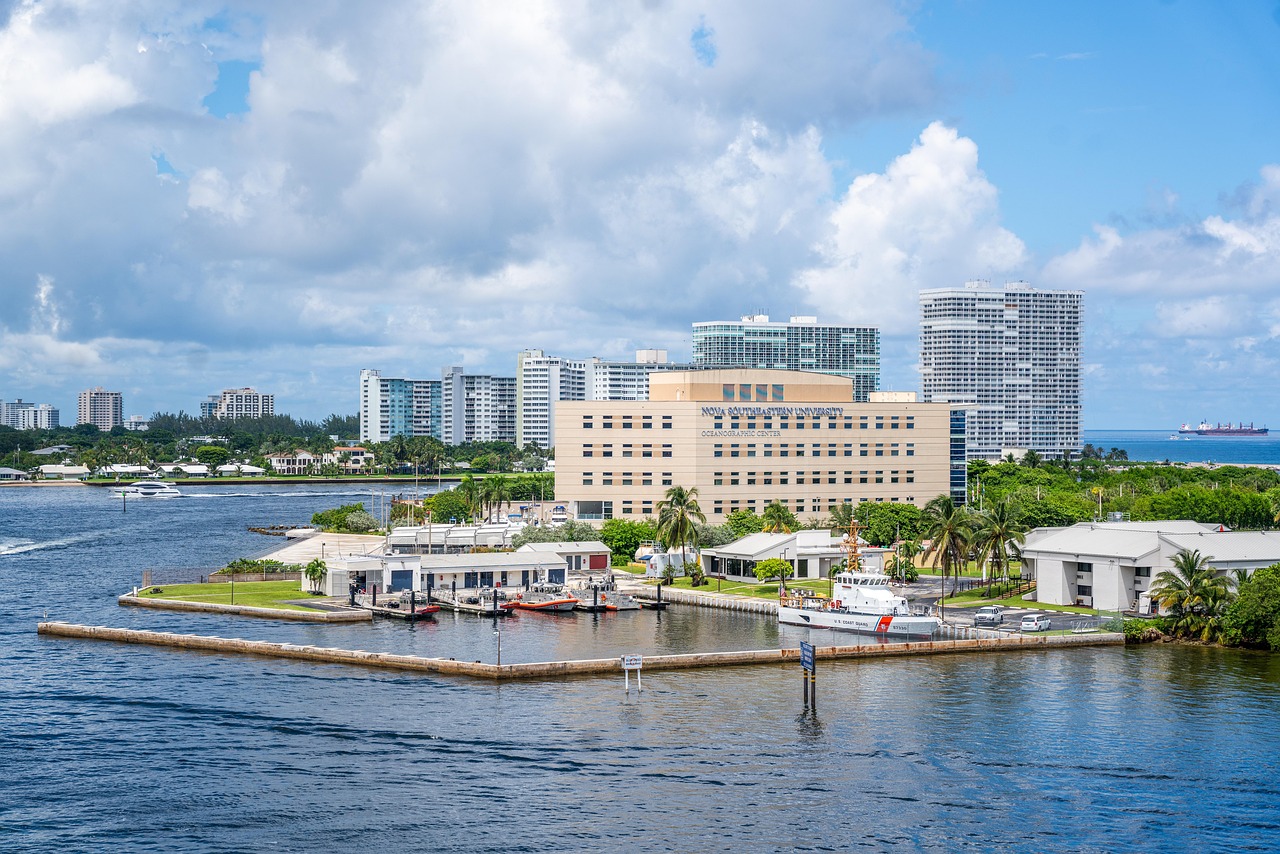
Not all waterfront property in Fort Lauderdale carries the same premium, and buyers who understand the access hierarchy make better decisions. The chart below shows the general relationship between water access type and price tier across the Fort Lauderdale luxury market.
The highest values attach to properties with deep water, no fixed bridges to the ocean, private dockage, and wide-water views. These are the properties in Las Olas Isles and Harbor Beach where yacht owners pay a structural premium that has held through multiple market cycles because the supply of qualifying lots is genuinely constrained.
Below that tier sit properties with fixed-bridge clearance. If a bridge between the dock and the ocean has a vertical clearance of 12 to 15 feet, a buyer’s boating options are limited to vessels that fit under it. For a buyer with a serious sportfishing boat or a large motor yacht, that restriction is a real constraint. For a buyer with a center console or a smaller cruiser, it may not matter. The price gap between no-bridge access and fixed-bridge access on otherwise comparable properties can reach 15% to 25%.
Canal-front properties without dockage or with unpermitted structures require due diligence on the permit history. In Broward County, dock and seawall permits are tracked through the county and the Army Corps of Engineers. A property listed with a dock that lacks proper permits creates risk at closing and post-purchase. Buyers should verify permit status on any waterfront structure before writing an offer.
Seawall condition is another cost variable buyers frequently underestimate. A concrete seawall replacement on a 100-foot waterfront lot can run $40,000 to $80,000 or more, depending on condition and scope. A pre-offer inspection by a licensed marine contractor provides clarity on whether the dock and seawall represent an asset or a near-term capital expense.
What Buyers Need to Evaluate Before Making an Offer
Fort Lauderdale luxury purchases involve due diligence points that go beyond a standard home inspection. Here’s what serious buyers address before making an offer, or at minimum before the inspection period closes:
- Flood zone classification: Properties in Broward County fall into various FEMA flood zones. Zone AE and VE carry mandatory flood insurance requirements for mortgaged properties. Even for cash buyers, flood insurance is a material ongoing carrying cost. Verify the specific parcel’s FEMA designation and ask for the elevation certificate before writing the offer, not after.
- Insurance availability and cost: Florida’s homeowners insurance market for coastal properties is in transition. Several major carriers have restricted coverage in Broward County. Buyers should confirm insurance availability and obtain a quote before the inspection period closes. High-replacement-cost estates with extensive water features and large glass facades can carry substantial annual premiums that affect total cost of ownership.
- Title search and encumbrances: Fort Lauderdale properties sometimes carry easements for waterway access, deed restrictions from older platting, or HOA obligations that don’t surface in the listing data. A thorough title search through a Florida-licensed title company addresses these before closing.
- HOA and special assessments: For properties within planned communities, waterfront districts, or high-rise condo towers, reviewing the governing documents and reserve fund status is critical. Special assessments for seawall repairs, elevator replacements, or roof work can reach six figures in some buildings and are typically the buyer’s obligation post-closing.
- Dock and seawall permits: Confirm all waterfront improvements are properly permitted through Broward County and the Army Corps of Engineers. Unpermitted structures create title issues and lender complications that are far easier to resolve before closing than after.
The inspection period in Florida contracts is negotiated, but typically runs seven to fifteen days for luxury transactions. Use the full period. Rushing due diligence on a $3 million waterfront property to close three days faster is not a strategy that benefits the buyer.
What Sellers Need to Know Right Now
If you own a luxury property in Fort Lauderdale and are considering a sale, mid-2026 presents a more demanding positioning environment than 2021 or 2022. That doesn’t mean a bad environment. It means a market where outcomes diverge significantly based on how the property is priced, presented, and placed in front of the right buyers.
Correct pricing is the primary variable. With inventory up nearly 92% and days on market extending to 83 days on average, overpriced listings are sitting. The buyers who transact at $2 million and above are sophisticated. They compare closed sales, they understand price per square foot relative to lot depth and water access tier, and they aren’t moved by aspirational pricing that the data doesn’t support. Sellers who price correctly based on actual closed sales in their specific neighborhood and access tier transact faster and closer to ask.
Marketing approach matters at least as much as price. Luxury buyers in 2026 are global. South American buyers, Canadian buyers, and European buyers are active in Fort Lauderdale, drawn by the quality of the waterfront product, the airport access, and the Brightline connection. A listing that lives only in the local MLS isn’t reaching those buyers. Effective luxury marketing requires professional photography and video, international distribution, and access to buyers who don’t always begin their search on public platforms.
Discretion is sometimes the right approach. Some sellers don’t want a public listing at all. For estate-class properties, or for family situations that require confidential handling, an off-market approach through a brokerage with a qualified buyer network can produce results without broad exposure. This is a strategy that standard high-volume brokerages aren’t built to execute.
Working with the Right Brokerage in Fort Lauderdale
Fort Lauderdale’s luxury market rewards preparation, local knowledge, and the right network. Whether you’re buying your first South Florida waterfront estate or selling a property you’ve held for two decades, the brokerage relationship shapes a significant part of the outcome.
MJI Realty Group is a boutique South Florida brokerage focused on luxury and premium residential and commercial real estate. Our team works across Miami-Dade, Broward, and Palm Beach counties, with specific experience in Fort Lauderdale waterfront transactions, Broward commercial acquisitions, and the confidential marketing of estate-class properties. Clients who want direct senior-broker attention, discretion as a default, and speed over volume get all three.
For buyers, that means access to inventory that doesn’t always appear on public platforms, including properties from sellers who aren’t advertising broadly. For sellers, it means a marketing approach calibrated to the specific property and the buyer profile most likely to close, not a generic digital campaign. We know this market and we value your time.
Fort Lauderdale’s luxury market is moving in 2026. The buyers are qualified, the data is constructive, and the right transactions are getting done. If you’re serious about buying or selling in Broward County’s luxury tier, reach out to start the conversation.
Real estate decisions depend on individual circumstances; this is general information, not legal, tax, or investment advice for your specific situation.