The State of Palm Beach County Real Estate in 2026
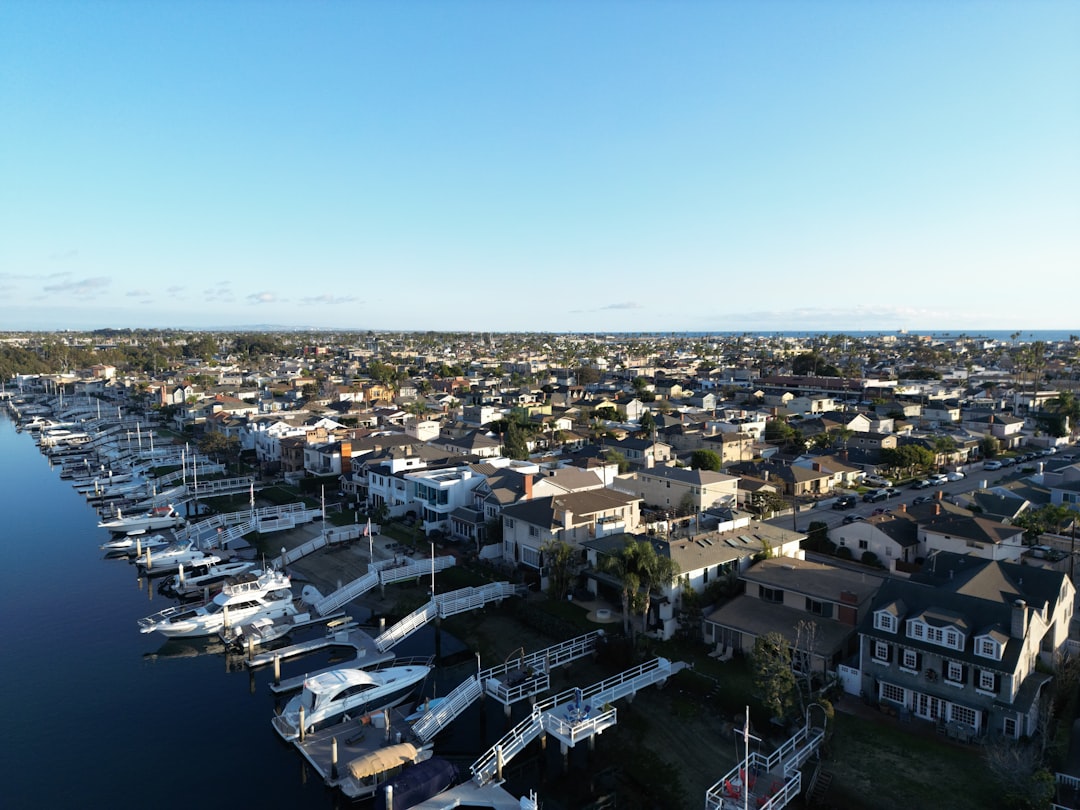
Palm Beach County has become one of the strongest luxury real estate markets in the country, and the 2026 data makes that case clearly. Total home sales in the county increased year over year for the eighth consecutive month in April 2026, according to the MIAMI Realtors Association. Total dollar volume hit $2.4 billion in April alone, up 8.1% from the prior year. The average sale price for single-family homes in the county surged 26.2% year over year to $1.3 million.
These are not short-cycle spikes. What started as a pandemic-era migration of wealthy buyers from the Northeast has matured into something more structural. Major financial firms are now headquartered here. Executives have moved their families here permanently. The physical infrastructure that supports a major financial center is being built in real time. That shift has reshaped who buys in Palm Beach County, what they buy, and what they pay for it.
This analysis breaks down what the data shows across the county’s distinct submarkets, what is driving prices at the top of the market, and what all of it means practically for buyers and sellers active in Palm Beach in 2026.
Palm Beach Island: Ultra-Luxury by Every Measure
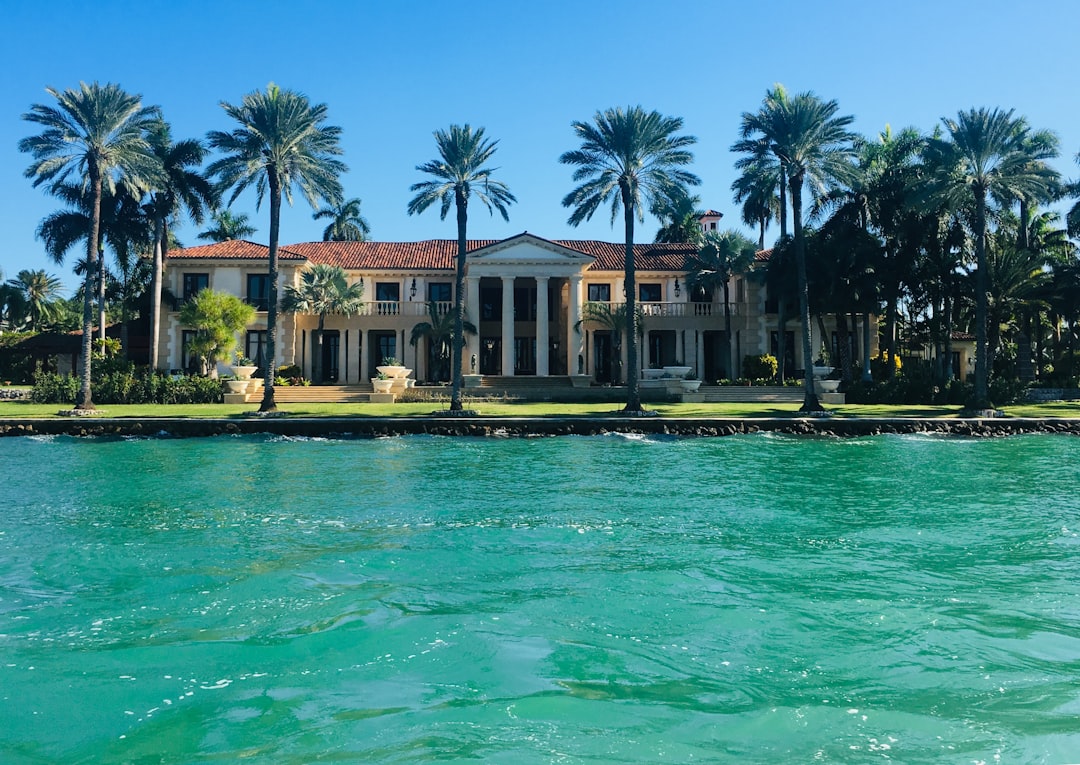
The island of Palm Beach operates as its own category. An average sale price of $19.6 million in Q1 2026, up 18% from Q1 2025, places it alongside very few markets globally. Wealth tracking data ranks Palm Beach third worldwide for prime property price appreciation over the past five years, with five-year appreciation running at 118.2%. Price per square foot on the island reached $3,674 in Q1 2026, and single-family sales volume rose 36% year over year in the first quarter.
What drives these figures is scarcity that is nearly impossible to replicate. Palm Beach Island is approximately 14 miles long and roughly half a mile wide. The number of oceanfront and Intracoastal-facing estate properties is finite, and the buyers competing for them are global. A typical transaction at this price level involves an all-cash offer, a compact due diligence period, and a buyer who has operated in comparable markets before.
The properties generating the most activity are ocean-to-Intracoastal lots, estates with direct deep-water dockage, and properties with significant land that simply cannot be rebuilt at today’s values. When a well-positioned estate comes to market on Palm Beach Island, it is not sitting. Sellers with the right asset have real pricing power in this submarket, and the current data supports that position.
- Average single-family sale price: $19.6 million (Q1 2026), up 18% year over year
- Price per square foot: $3,674
- Single-family sales volume: up 36% year over year in Q1 2026
- Five-year appreciation: 118.2%
These are not abstract statistics. They reflect buyers who have made permanent relocation decisions, not seasonal second-home purchases. That distinction matters for how properties are priced, how negotiations proceed, and how quickly transactions close once a deal is agreed.
West Palm Beach: The Financial Migration Effect

West Palm Beach tells a different but equally compelling story. More than 250 financial firms have established a presence in the city since 2020, including Goldman Sachs, Citadel, Elliott Management, and over 200 others. Developer Stephen Ross has committed an estimated $10 billion to transforming downtown West Palm Beach into a global business hub. The city has earned its “Wall Street South” designation because that is functionally what it has become.
That transformation has a direct and measurable effect on residential real estate. Luxury pending home sales in the West Palm Beach metro rose 30% year over year in January 2026, the largest gain among all 50 major U.S. metro areas. The median sale price of luxury homes in the metro reached $4.2 million, up 10.7% from the prior year. West Palm Beach was also ranked the top all-cash homebuying market in the United States.
The buyer profile has shifted permanently. These are not seasonal residents or retirees spending winters in Florida. They are executives and fund managers making West Palm Beach their primary legal address, bringing vehicle registrations, children’s school enrollments, and full family relocation along with the purchase. That permanence creates sustained, year-round demand that does not soften in summer the way Palm Beach County historically did.
Florida’s tax structure plays a measurable role in these decisions. The Florida Department of Revenue confirms that Florida imposes no personal income tax. An executive paying combined city and state income tax above 12% in New York who establishes Florida domicile captures significant annual savings. When that savings is capitalized against a home purchase, the math tends to justify a substantially more expensive primary residence in Florida than maintaining a secondary address in a high-tax state.
Single-Family vs. Condos: Two Different Stories

The most striking pattern in the Q1 2026 Palm Beach data is the divergence between single-family estates and the condominium segment. Estate sales on Palm Beach Island surged in volume with prices climbing sharply. The condo segment told a quieter story: condo transaction volume increased 39% year over year, but average prices fell 14% to approximately $2.4 million.
This split makes sense when you examine who is buying and why. Buyers chasing estate-scale properties are targeting genuine scarcity. They want the private lot, direct water access, and architecture that cannot be replicated at any price. Those buyers are largely price-insensitive in a way that is specific to this tier of the market.
Condo buyers operate in a market with more supply options, more comparable units, and more room to negotiate. Post-Surfside, Florida’s reserve requirement reforms have also added a layer of due diligence to condo transactions that affects pricing directly. Buildings with underfunded reserves or approaching special assessments are being discounted, and buyers are sophisticated enough to price that risk in before making an offer.
For sellers, the implications are clear. Single-family sellers with well-positioned properties should be pricing aggressively; the market data supports it. Condo sellers need sharper pricing relative to competing inventory, or they risk extended days on market in a submarket where buyers have options and are taking time to compare.
Cash Closings: What 53% All-Cash Means for Buyers and Sellers
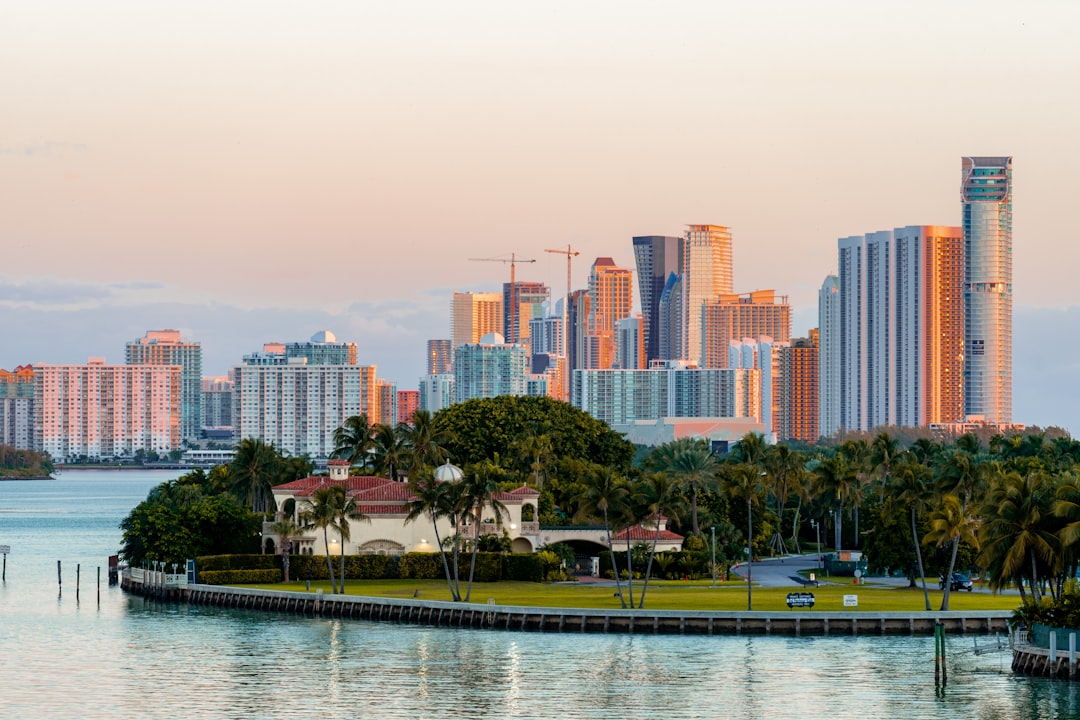
Cash transactions represented 52.6% of all closed sales in Palm Beach County in Q1 2026. In the luxury price bands specifically, that percentage is higher. West Palm Beach ranked as the top all-cash homebuying market in the United States, ahead of Miami, New York, and Los Angeles.
For buyers who need financing, this creates a real structural challenge. A financed offer at full price will almost always lose to a cash offer at the same price when a seller has any preference. In competitive situations involving multiple offers, sellers routinely accept less money in exchange for certainty. Buyers relying on financing need to overcome that gap through speed, shorter inspection contingency periods, or price premium.
For buyers who can close in cash, the market is more accessible than listing prices alone suggest. There is no appraisal contingency, no lender conditions, and no rate risk during the period between offer and close. Deals that might take 45 days with financing close in 10 to 21 days with cash. In a market where sellers value speed and privacy, that is a genuine advantage that changes negotiating dynamics.
Buyers relying on jumbo or super-jumbo financing are not locked out, but preparation is essential. Pre-approval letters are table stakes. Having your financing fully documented, your lender engaged, and your loan structure established before the right property comes to market is the only practical way to compete without cash in hand.
Inventory, Timing, and What Is Actually Moving
Supply remains the defining constraint in Palm Beach County. Total active listings dropped 15.3% year over year at the end of March 2026, from approximately 14,958 to 12,672. Months’ supply for single-family homes sits at 4.7 months, which puts the market just inside seller’s market territory by conventional benchmarks.
At luxury price points, supply tightens further. Properties priced above $5 million in Palm Beach County sold at a pace 77.3% higher than the prior year in March 2026. Absorption is happening faster than new listings are entering that tier. When a well-positioned estate comes to market above $5 million, it is not sitting. Correctly priced properties in the right locations are generating offers within the first weeks, and in some cases within days of hitting the market.
The National Association of REALTORS® has documented the shift toward year-round activity in markets where full-time primary residents have replaced seasonal ones. Palm Beach County is showing that pattern clearly. The traditional November-through-April peak season remains real, but the summer slowdown has compressed substantially as more buyers establish year-round primary residences here.
The practical implication for sellers: listing between June and September is not the concession it once was. The buyer pool is somewhat thinner, but the buyers who are active during summer months are serious and move with purpose. A well-priced property with accurate marketing will attract the right buyer regardless of calendar month.
What Sellers Should Know Right Now
This is one of the most seller-favorable conditions Palm Beach County has seen in years. Rising prices at the top of the market, compressed inventory, and strong all-cash buyer demand create an environment where well-prepared sellers can capture real premiums. A few factors matter more than anything else at this moment.
- Pricing discipline is still required. The market rewards correctly priced properties. Overpriced listings lose the concentrated buyer activity that happens during the first two to three weeks on market. In a cash-heavy, sophisticated buyer environment, aggressive pricing without support from comparable sales tends to extend days on market rather than generate offers.
- Presentation carries significant weight. At $5 million and above, buyers expect either a finished product or a compelling blank canvas with clear bones. Properties that show well, with professional photography and accurate marketing descriptions, receive more serious attention in the opening weeks than listings that are poorly staged or described with generic language.
- Discretion may serve you better than full public exposure. Some of the strongest transactions in Palm Beach County close before an MLS listing ever goes live, through established broker networks and pre-qualified buyer lists. Sellers who prioritize speed and confidentiality often achieve better outcomes through this channel than through broad public marketing.
- The typical buyer is experienced and businesslike. The negotiation is direct, documentation matters, and the deal process should be clean from contract to close. A transaction that falls apart during due diligence damages your market positioning. Having your title work, survey, and inspection history organized before listing shortens the path to close and signals a serious seller.
The Palm Beach County Property Appraiser database provides verified assessment data that buyers will reference when comparing your asking price to assessed value. Knowing where your property stands in that comparison before you list helps you anticipate buyer questions and price with confidence.
What Buyers Should Know Before They Compete
Buying at the top of the Palm Beach market in 2026 requires preparation, not just capital. The properties worth owning move quickly, and the competition includes buyers who know exactly what they want and have the resources to close without delay. Being ready before the right property appears separates buyers who close from buyers who watch deals go to someone else.
- Access matters as much as capital. Some of the best properties in Palm Beach and West Palm Beach never appear publicly on listing portals. They trade through broker relationships, existing owner networks, and direct outreach. A buyer without those connections sees a narrower slice of what the market actually holds.
- Conduct due diligence efficiently, not slowly. In a competitive situation, a 30-day inspection period signals a buyer who is not fully committed. A 10-day inspection from a buyer who has pre-assembled a qualified team, including a licensed inspector, a real estate attorney, and insurance contacts, carries real weight with sellers and their brokers.
- Understand Florida’s insurance environment before you close. The homeowners insurance market in Florida remains challenging, particularly for large coastal properties. Annual premium costs for waterfront estates can be substantially higher than what buyers from other states expect. Budget for this before setting your price ceiling, not after.
- Evaluate condo association financials carefully. Florida’s post-Surfside legislation has imposed meaningful reserve requirements on condo associations. The association’s reserve funding status, structural inspection compliance, and upcoming special assessment risk are due diligence priorities, not afterthoughts.
Buyers relocating from high-tax states should also spend time understanding Florida’s homestead exemption and the Save Our Homes assessment cap, which applies to primary residences and limits annual increases in assessed value to 3% or the CPI increase, whichever is lower. Over time, that cap produces meaningful property tax savings relative to what a new buyer pays based on closing value.
Working with the Right Team in Palm Beach
Palm Beach County’s luxury market in 2026 is performing from a position of structural strength, not speculative momentum. The demand is real, the buyer profile has permanently shifted toward full-time primary residents, and supply at the estate and ultra-luxury tier remains constrained. That combination favors sellers with well-positioned assets and buyers who arrive fully prepared.
At MJI Realty Group, we work with buyers and sellers across South Florida’s luxury and premium markets, including Palm Beach Island, West Palm Beach, Boca Raton, and the broader Palm Beach County. Whether you are considering selling a Palm Beach estate or looking for access to properties that are not publicly listed, we can help. Our boutique model means senior broker attention on every transaction, an established network of qualified buyers and sellers, and the discretion that serious luxury transactions require.
Real estate decisions depend on individual circumstances; this is general information, not legal, tax, or investment advice for your specific situation. Market data referenced reflects publicly available sources as of Q1 and Q2 2026.