Why South Florida Investors Buy Before Groundbreaking
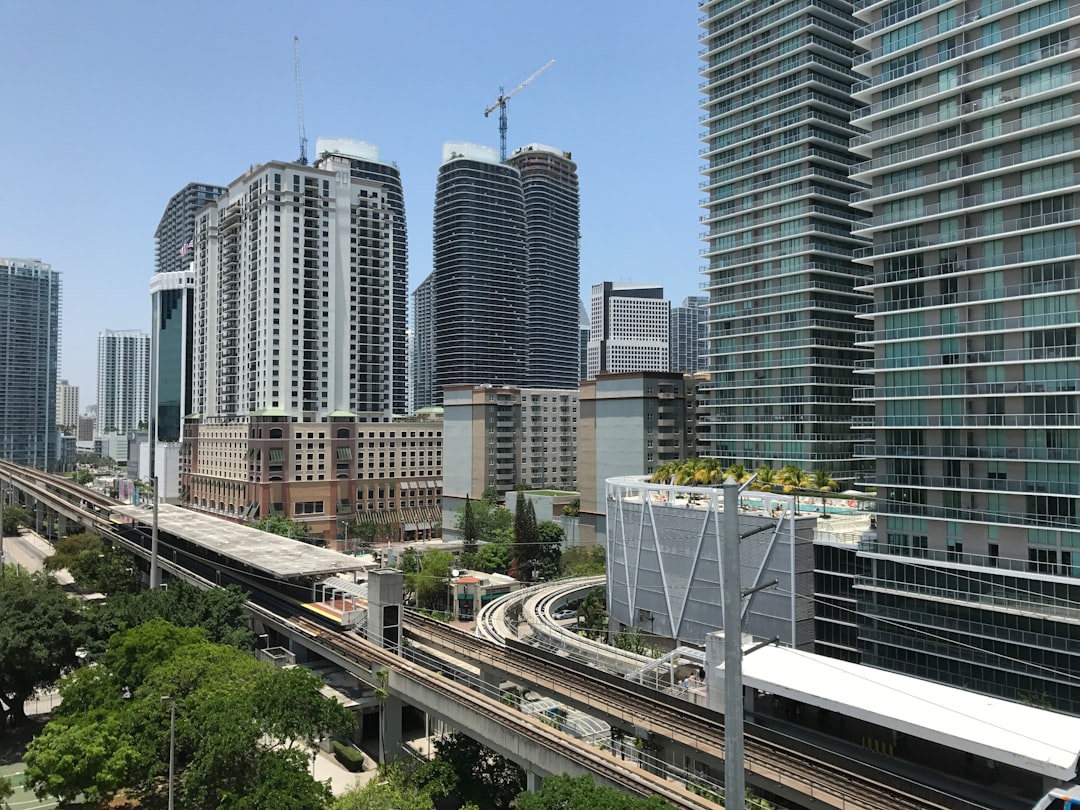
A Brickell tower with no lobby, no elevators, and no finished unit can still command a $50,000 deposit and a six-figure purchase contract. That is the pre-construction condo market in South Florida in 2026, and for investors willing to commit capital years ahead of a certificate of occupancy, the trade often pays off in ways a resale purchase cannot.
Pre-construction contracts in Miami’s luxury submarkets cleared 12 to 18 percent above initial release pricing during the first quarter of 2026, according to local market reporting. Developers are releasing fewer new projects than they did in 2022 and 2023, and the ones that are active have presold 60 to 80 percent of their units before construction is even complete. That scarcity is the entire investment thesis: buy at the developer’s opening price, hold through construction, and let a tightening supply pipeline do the appreciation work.
Fort Lauderdale is earlier in that cycle than Miami, with new luxury towers pricing between $600 and $1,000 per square foot compared to $1,200 to $1,500 and higher in Brickell. Edgewater sits in between at roughly $800 to $1,200 per square foot. At the very top of the market, the Residences at Mandarin Oriental Miami reset expectations entirely, pricing near $6,300 per square foot and signaling how far the ultra-luxury tier has separated from the rest of the market.
None of that means pre-construction investing is simple. It means committing money to a building that does not exist yet, trusting a developer’s construction and financing plan, and working through a contract structure that looks nothing like a resale purchase agreement. At MJI Realty Group, we walk investors through that structure before a single deposit check is written, because the terms matter more than the rendering.
How Pre-Construction Deposit Structures Work
Pre-construction contracts do not work like resale contracts. Instead of a single deposit at signing and full payment at closing, developers collect a series of installment deposits tied to construction milestones, typically totaling 20 to 50 percent of the purchase price before the buyer ever takes title. The remaining balance is financed or paid in cash at closing, once the certificate of occupancy is issued.
Florida law governs where that deposit money goes. Under Section 718.202 of the Florida Statutes, a developer must hold the first 10 percent of the purchase price in escrow with an agent independent of the developer, meaning no developer officer, director, or employee can serve as the escrow agent. Deposits above that 10 percent threshold can also be swept into a separate escrow account, but the developer may gain the right to draw on those excess funds for actual construction costs if the purchase contract spells that out clearly. Read the deposit clause before signing. It determines whether your money sits untouched in a bank account or gets spent on construction before the tower exists.
A typical structure looks like 10 percent at contract signing, another 10 percent at a construction milestone such as groundbreaking, 10 percent at the building topping off, and the balance financed or paid at closing. Every developer structures this differently, and negotiated terms often depend on how early in the sales cycle a unit is purchased. Buyers who commit during a project’s initial release typically get better pricing in exchange for a longer, more front-loaded deposit schedule.
The 15-Day Rescission Window and What It Protects
Florida gives pre-construction condo buyers a right that resale buyers do not get: a mandatory rescission period. Under Section 718.503 of the Florida Statutes, a buyer has 15 days after signing the purchase contract and receiving the developer’s full set of required disclosures, including the declaration of condominium, association bylaws, and estimated operating budget, to cancel the contract for any reason and get the deposit back in full. Any contract clause that tries to waive this right has no legal effect.
The 15-day clock does not start at signing. It starts once the buyer has both signed the contract and received every required disclosure document. Investors who sign early in a sales cycle sometimes receive disclosures in stages, which can extend the effective rescission window. Confirm in writing exactly when the developer considers the disclosure package complete, because that date controls the deadline.
The statute also grants a second rescission opportunity. If the developer makes a material change to the offering that adversely affects the buyer after the original 15-day period closes, a new 15-day rescission window opens from the date the buyer receives notice of that change. Common triggers include a significant unit redesign, a change in the total number of units, or an amended completion date that pushes delivery out substantially. Once the unit closes, the right to void the contract on any of these grounds ends completely.
Assignment Sales: Exiting Before Closing
Some investors never intend to close on a pre-construction unit at all. Instead, they plan to sell, or assign, their purchase contract to another buyer before the building is finished, capturing the price appreciation between the initial contract and the assignment sale without ever taking title.
Assignment sales are common in Miami and Fort Lauderdale pre-construction, but they are not automatic. Most developer contracts require the developer’s written consent before a buyer can assign, and many charge an assignment fee, often a percentage of the sale price or the appreciation captured. Some contracts prohibit assignment entirely until a certain construction milestone is reached, or restrict it to buyers who meet the developer’s underwriting standards.
The tax treatment differs from a standard sale as well. Because the investor never held title to real property, an assignment is generally treated as the sale of a contract right rather than the sale of real estate, which affects how gain is characterized and reported. Investors weighing an assignment strategy should work with a CPA who has handled Florida pre-construction transactions before signing the original contract, not after, since the assignment clause itself determines whether the exit is even available.
Vetting the Developer Before You Wire a Deposit

The purchase contract protects a buyer’s deposit. It does not protect a buyer from a developer who cannot finish the building. Before committing capital, an investor should look past the sales gallery and evaluate the entity actually building the tower.
- Track record: how many South Florida towers has this developer completed, and did they deliver close to the promised timeline?
- Construction financing: has the project secured a construction loan, and does the lender’s presale requirement match what the developer has actually sold?
- General contractor: is the GC a firm with a documented history of completing comparable towers in South Florida, not just a name on a rendering?
- Escrow agent: confirm the agent is truly independent of the developer, as required by law, and ask for the account information directly.
- Litigation history: a search of Florida court records and state licensing records can surface prior disputes with buyers or contractors.
Presale thresholds matter more than most buyers realize. Construction lenders typically will not fund a loan until a developer has presold a set percentage of total units, often 50 to 60 percent, sometimes higher for a first-time developer or a lender with a conservative risk appetite. A project that has been selling slowly for eighteen months without reaching that threshold carries real delivery risk, regardless of how polished the marketing looks.
Comparing South Florida Pre-Construction Submarkets

Pricing and risk both vary sharply by submarket, and an investor’s strategy should follow the data rather than a single neighborhood’s reputation.
Brickell commands the highest per-square-foot pricing in mainland Miami, with new luxury towers pricing between $1,200 and $1,500 per square foot and select ultra-luxury projects running well above that. Edgewater, just north of downtown Miami along Biscayne Bay, prices roughly $800 to $1,200 per square foot and has drawn a wave of new development as Brickell land grows scarcer. Fort Lauderdale remains earlier in its pre-construction cycle than Miami, with new luxury towers pricing between $600 and $1,000 per square foot, which gives investors more room for appreciation if the submarket follows Miami’s trajectory over the next construction cycle.
Statewide, the picture looks different outside the luxury coastal towers. New-home construction in markets like Lakeland and Cape Coral remains far more affordable than Miami-Dade or Broward pricing, reflecting land cost and buyer demographics rather than investment potential. Florida Realtors reporting on the state’s new construction market confirms this divide is widening, with the gap between new-construction pricing and the broader resale market moving in favor of buyers in some regions and against them in high-demand coastal submarkets.
Investors focused purely on appreciation potential in luxury pre-construction should weigh Fort Lauderdale and Edgewater against Brickell’s higher entry price and more mature pricing cycle. Investors focused on cash flow from an eventual rental unit need to run the numbers on assessed value, association dues, and projected rents separately, since luxury pre-construction rarely pencils as a cap-rate play the way a multifamily acquisition does.
The International Buyer Factor

South Florida’s pre-construction market runs on a different buyer profile than the resale market, and understanding that buyer matters for anyone trying to time an exit.
Florida remains the top destination for foreign buyers of U.S. residential real estate, a position it has held for years running. According to the National Association of REALTORS®, international buyers purchased $56 billion worth of existing U.S. homes between April 2024 and March 2025, a 33.2 percent increase over the prior period, with foreign buyers paying cash 47 percent of the time compared to 28 percent for all U.S. buyers. International purchases of Florida residential property specifically climbed to $10.4 billion in dollar volume over the twelve months ending July 2025, up from a multi-year low of $7.1 billion the year before.
That cash-heavy, internationally driven demand base is precisely what pre-construction sales offices target with their earliest release pricing. It also means pre-construction pricing can move independently of local incomes and local mortgage rates, since a meaningful share of buyers are financing the purchase in a currency and market outside the United States entirely. For an investor, this cuts two ways. It supports pricing during a launch when local resale demand might be softer, but it also means a shift in a foreign buyer’s home market or currency can affect absorption in ways that have nothing to do with South Florida’s own economy.
Tax Timing and Exit Planning
Holding period determines nearly everything about how a pre-construction investment gets taxed on exit. A unit sold via assignment before closing was never held as real property, so the gain is typically taxed as ordinary income or short-term capital gain depending on how the contract right is characterized, not as a long-term capital gain regardless of how many months passed since the original contract was signed.
Once an investor closes and takes title, the holding period for long-term capital gains treatment starts at the closing date, not the original contract date. An investor who signed a pre-construction contract three years ago but only closed six months ago has a six-month holding period for tax purposes, not three years. That timing gap catches investors who assumed their original deposit date locked in long-term treatment.
A completed pre-construction purchase held as investment property may also qualify for a Section 1031 like-kind exchange when eventually sold, deferring capital gains by rolling proceeds into another investment property, provided the strict identification and closing timelines are met. That option is not available to a unit sold through assignment before closing, since a contract right is not like-kind real property under current IRS guidance. Investors building an exit strategy around a 1031 exchange need to plan for taking title first.
Working With a Broker Who Knows the Contracts
Pre-construction investing rewards buyers who read the contract as carefully as they read the floor plan. Deposit schedules, assignment clauses, rescission timing, and developer financing all shape the actual risk and return of a project long before the first resident moves in.
At MJI Realty Group, we work with investors across South Florida’s pre-construction market, from early-release deposits in Fort Lauderdale to assignment strategies in Brickell and Edgewater. As a boutique brokerage, our clients get direct access to developer relationships and off-market release information that a high-volume shop typically cannot offer, along with the discretion serious investors expect when moving significant capital into a project before it breaks ground.
Real estate decisions depend on individual circumstances, including an investor’s tax situation, financing structure, and risk tolerance. This article is general information, not legal, tax, or investment advice for your specific situation. Anyone considering a pre-construction purchase should review the full contract and disclosure package with a Florida real estate attorney and a CPA before signing.