What a Golf Course Address Really Costs in Florida
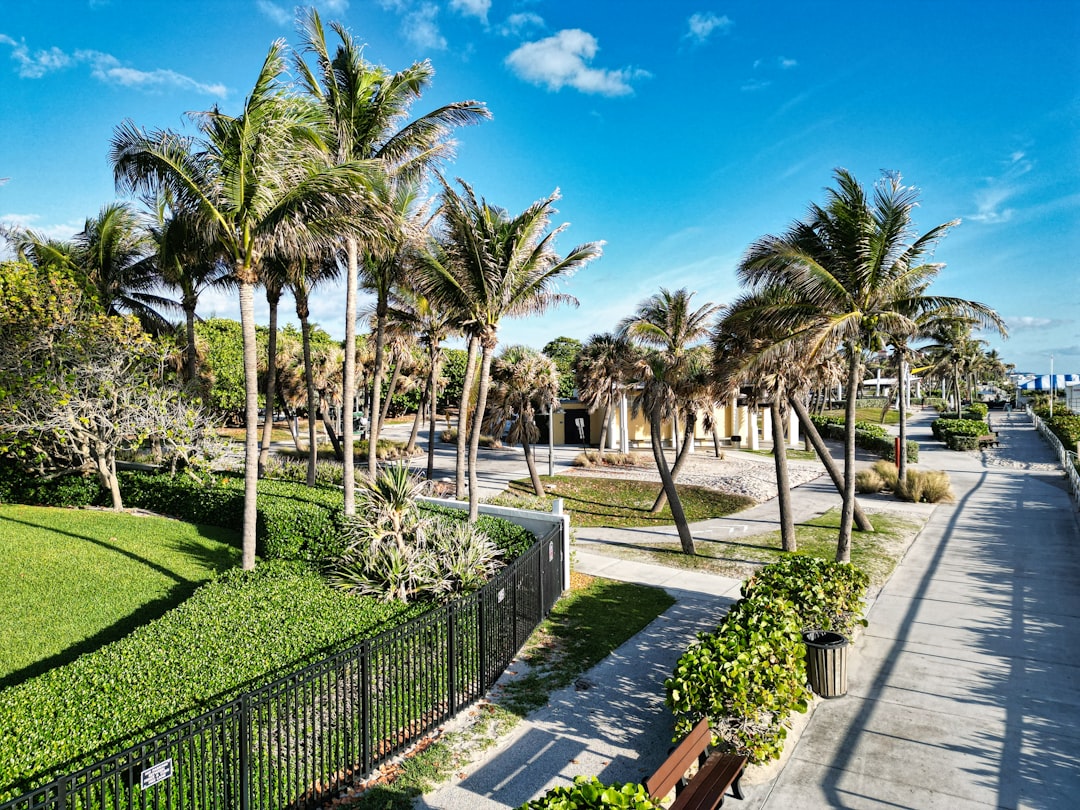
A buyer touring gated communities in Jupiter and Palm Beach Gardens quickly notices that the listing price on a golf course home is only part of the number that matters. Walk into the clubhouse at Admirals Cove or Old Palm and the first real question is not what the house costs. It is what membership costs, and what happens if the buyer ever wants out.
Florida’s golf course communities are a distinct category of luxury real estate. The home, the lot, and the club are frequently three separate legal and financial arrangements bundled into one purchase decision. A buyer who treats the club fee as an afterthought can end up owning a house that is hard to resell without also transferring, buying out, or walking away from a membership obligation. Understanding equity structures, mandatory versus optional membership, and how Florida treats club-owned land for tax purposes changes how a buyer should shop, negotiate, and budget.
Equity Membership vs. Non-Equity Membership: The Core Distinction
Golf communities generally use one of two ownership models for the club itself, and the difference changes a buyer’s financial exposure substantially.
An equity club is owned by its members. The initiation fee a buyer pays effectively purchases a proportional interest in the club’s assets: the course, the clubhouse, the tennis and fitness facilities, sometimes a marina. Governance runs through a member-elected board that sets dues, approves capital projects, and controls admission. Many equity clubs refund a percentage of the initiation fee, often somewhere between 50 and 80 percent, when a member resigns or sells, though the buyer of the home typically pays a new initiation fee to join rather than inheriting the seller’s membership.
A non-equity club, sometimes called a developer-owned or corporate club, is owned by the developer or a management company rather than the members. The membership functions more like a long-term service contract: members pay to use the facilities, but they do not own a piece of them and do not vote on the budget. Non-equity clubs can be more flexible to join and easier to resign from, but dues increases and capital assessments are set unilaterally by the owner, with no member vote to check a large special assessment for a clubhouse renovation or an irrigation overhaul.
What Club Membership Actually Costs in South Florida
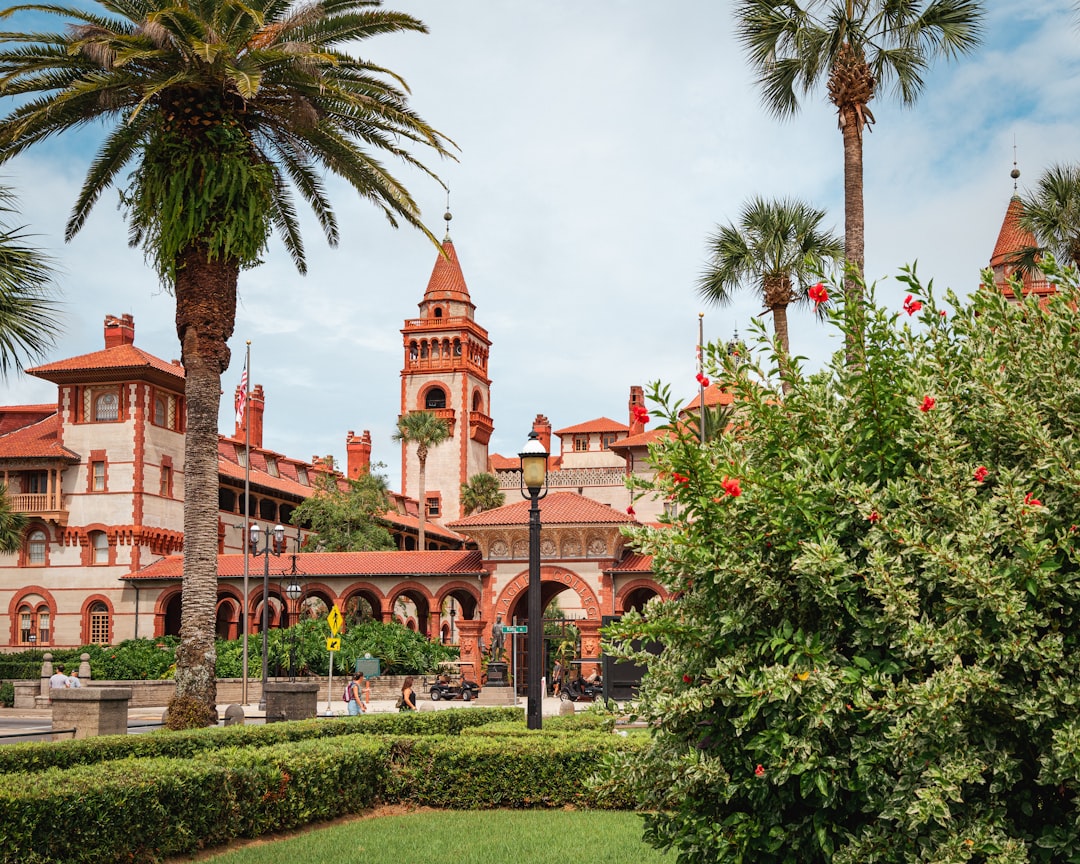
Membership costs at South Florida’s best-known golf communities vary widely and change from year to year, so any figure quoted today should be confirmed directly with the club before a buyer relies on it. That said, recent real estate industry reporting on Palm Beach County clubs gives a useful sense of scale. Initiation fees at established equity clubs in the Jupiter and Palm Beach Gardens corridor commonly run from roughly $75,000 at the lower end to $300,000 or more at the most exclusive addresses, with annual dues frequently landing between $15,000 and $30,000 on top of the home’s property taxes and homeowners association assessment.
Communities such as Old Palm in Palm Beach Gardens and Admirals Cove in Jupiter sit toward the upper end of that range, reflecting low membership caps, private course access, and, in Admirals Cove’s case, deep-water marina facilities. PGA National, also in Palm Beach Gardens, offers a wider band of membership tiers across its multiple courses, which gives buyers more entry points at different price levels within a single address.
None of these figures should be treated as fixed. Clubs revise initiation fees and dues on their own schedule, sometimes annually. A serious buyer should request the current fee schedule and the last three to five years of dues history in writing, ideally before making an offer contingent on membership approval, so the true annual carrying cost is known before closing rather than after.
Mandatory vs. Optional Membership Communities
Florida golf communities split into two structural categories that matter just as much as the membership cost itself.
Mandatory membership communities tie club membership to the deed. Buying the home requires joining the club, typically within a set window after closing, and the obligation runs with the property rather than with any individual owner. These communities are usually structured this way from the original development plan, which keeps the club financially stable because every homeowner pays in, but it also means a buyer cannot opt out to save money even if they rarely play golf.
Optional or non-mandatory communities let homeowners live in the community without joining the club, or offer social memberships with pool, dining, and fitness access at a lower cost than full golf membership. Florida courts have repeatedly pushed back on homeowners associations that later try to convert an originally optional structure into a mandatory one, particularly when the change would substantially alter the character of the community for existing owners who bought without that expectation. A buyer should ask directly, and in writing, whether membership is mandatory, optional, or mandatory only for new purchasers under a grandfather provision, since all three arrangements exist across different Florida communities and the governing documents control, not the sales brochure.
How Membership Structure Affects Resale Value
Membership structure affects how easily a golf community home resells, and by how much.
Mandatory membership can narrow the buyer pool, since every prospective buyer has to qualify for and afford the club on top of the mortgage, insurance, and property tax. That narrower pool can mean a longer marketing period in a soft market. At the same time, mandatory membership tends to keep the golf course and clubhouse better funded and better maintained, since every homeowner is financially committed to the club’s budget, which supports property values across the entire community over time.
Research from the National Association of REALTORS® Profile of Home Buyers and Sellers consistently shows that community amenities rank among the top factors buyers weigh when choosing a neighborhood, golf access included. That buyer preference supports resale value for well-run golf communities, but it cuts the other way when a club is underfunded or working through a special assessment. A home in a community with a strong reserve study and a healthy membership waitlist typically commands a premium over a comparable home in a community where the club is losing members or deferring maintenance on the course and clubhouse.
Due Diligence Before Buying in a Golf Community

The purchase contract for a golf community home should never be signed until a buyer has reviewed the club’s financial position with the same seriousness applied to the home inspection.
Review Club Financials and the Reserve Study
Request the club’s current balance sheet, its reserve study for major capital items, and its membership trend before signing a contract contingent on membership approval. At a minimum, a buyer’s attorney or broker should ask the club for:
- The last three to five years of annual dues and any special assessments
- The current reserve study covering the course, clubhouse, and irrigation and drainage systems
- Total membership count against any published cap, plus the current waitlist length
- Whether the home’s membership transfers with a new initiation fee or requires a full reapplication
A club that cannot produce these documents promptly, or that shows a declining membership trend, deserves a harder look before a buyer commits to the purchase.
Confirm Waitlists, Caps, and Assessment History
Some of the most sought-after clubs in the Jupiter and Palm Beach Gardens area cap total membership and maintain a waitlist. A capped, waitlisted club generally protects course access and pace of play, which supports value, but a buyer should confirm how a home purchase affects position on that list and whether membership approval is guaranteed or subject to board review. Ask separately for the last five years of special assessments, not just annual dues. A pattern of frequent, large assessments signals a club that has underfunded its reserves and is catching up at the members’ expense, an expense the next owner inherits.
Notable Golf Communities Across Florida

Some of Florida’s most recognized golf communities sit within the firm’s core South Florida market, and each has a distinct membership profile worth knowing before a buyer starts touring.
The Bear’s Club in Jupiter is Jack Nicklaus’s home course, a 7,164-yard design he opened in 1999. Membership is capped at a relatively small number of families compared with other high-end clubs in the area, which keeps tee times uncrowded but also keeps the waitlist competitive.
Old Palm Golf Club in Palm Beach Gardens, designed by Raymond Floyd and stretching to 7,401 yards with an island 19th hole, operates as an equity club with a partially refundable initiation structure, positioning it among the area’s higher entry-cost communities.
Admirals Cove, also in Jupiter, combines 45 holes of golf with a 77-slip deep-water marina and multiple dining venues, making it one of the few communities in the region where a single membership covers both golf and yachting access.
PGA National Resort in Palm Beach Gardens offers several distinct golf courses under one membership umbrella, giving buyers a range of tiers and price points within a single, well-known address.
Outside the immediate South Florida market, Naples-area communities in Collier County draw a similar buyer, often relocating retirees and part-time residents seeking a comparable club experience with different tax and insurance considerations. Buyers weighing Southwest Florida against the southeast coast should compare membership structure and dues just as carefully as they compare home prices.
Property Tax and Governance: What Florida Law Says
Florida treats golf course land differently depending on how it is owned, and that distinction matters for a buyer trying to understand the true carrying cost of a home.
When a golf course is a common element owned collectively by the community’s lot owners and used exclusively for their benefit, county property appraisers typically assign it a nominal assessed value and prorate that value across the individual lots rather than taxing the course as standalone commercial property. When the course is owned by a private developer or management company and operated as a for-profit club, it is generally assessed and taxed as its own commercial parcel, separate from the surrounding homes. Buyers can check how a specific community’s course is classified through the county property appraiser’s office, such as the Palm Beach County Property Appraiser, which publishes parcel-level ownership and assessment records for every property in the county.
It is also worth understanding that the homeowners association and the golf club are usually governed separately, even when membership is mandatory. The HOA enforces deed restrictions, maintains common landscaping, and collects the community assessment. The club operates the golf course, clubhouse, and related amenities under its own board and budget. A buyer should request governing documents for both entities, not just the HOA’s, since the club’s bylaws control dues increases, guest policies, and resale membership requirements. General guidance on property tax classifications and homestead exemptions statewide is available through the Florida Department of Revenue, and current market data on how Florida’s amenity communities are pricing is tracked by Florida Realtors.
Working With a Broker Who Reads the Membership Fine Print
Buying into a Florida golf community works best when the club’s finances get the same scrutiny as the home’s roof and foundation. The membership structure, whether equity or non-equity, mandatory or optional, shapes both the ongoing cost of ownership and how easily the home resells down the road.
At MJI Realty Group, we work directly with clubs across Jupiter, Palm Beach Gardens, and the wider South Florida market, and we pull membership financials and assessment history before a client makes an offer, not after. That groundwork matters as much as the comparable sales when a property includes a club membership attached to the deed.
Real estate decisions depend on individual circumstances; this is general information, not legal, tax, or investment advice for your specific situation. A buyer considering a golf community purchase should confirm current membership terms directly with the club and consult a Florida real estate attorney before signing a contract contingent on membership approval.