Delray Beach’s Luxury Market Right Now

The median sale price for a single-family luxury home in the Boca Raton and Delray Beach corridor hit $2,137,500 in March 2026, up 15% from a year earlier, with 104 luxury home sales in the period, a 35% jump in volume. Downtown Delray Beach is running even hotter: sales are up 92% to start 2026, and the median sale price for homes close to Atlantic Avenue has climbed past $1.05 million, roughly 12% higher than the same window last year.
The broader Delray Beach housing market, luxury and non-luxury combined, carried a median sale price of $545,000 as of May 2026, up 4.7% year over year. Homes are sitting on the market for an average of 90 days, a few days longer than last year, which gives serious buyers room to negotiate rather than compete in a bidding war. For a market this small, roughly sixteen square miles between the Atlantic Ocean and Interstate 95, that kind of price appreciation alongside longer market times signals a shift toward quality over speed.
Much of the demand tracks the same pattern seen across South Florida since 2020: buyers relocating from New York, New Jersey, Illinois, and California for Florida’s lack of a state income tax, combined with a growing share of remote and hybrid professionals who no longer need to live near a specific office. Delray Beach picks up a disproportionate share of that demand because it offers estate-level real estate without the higher price floor of Palm Beach or the scale of Boca Raton.
At MJI Realty Group, we’ve watched Delray Beach evolve from a quieter alternative to Boca Raton and Palm Beach into a destination in its own right, with buyers who could afford either of those markets choosing Delray Beach specifically for what it offers.
Where Delray Beach’s Luxury Buyers Are Looking
Delray Beach’s luxury inventory splits into three distinct types of buyers: waterfront estate buyers, country club buyers, and downtown high-rise buyers. Each draws a different profile, and each has its own price band.
Seagate and the Barrier Island

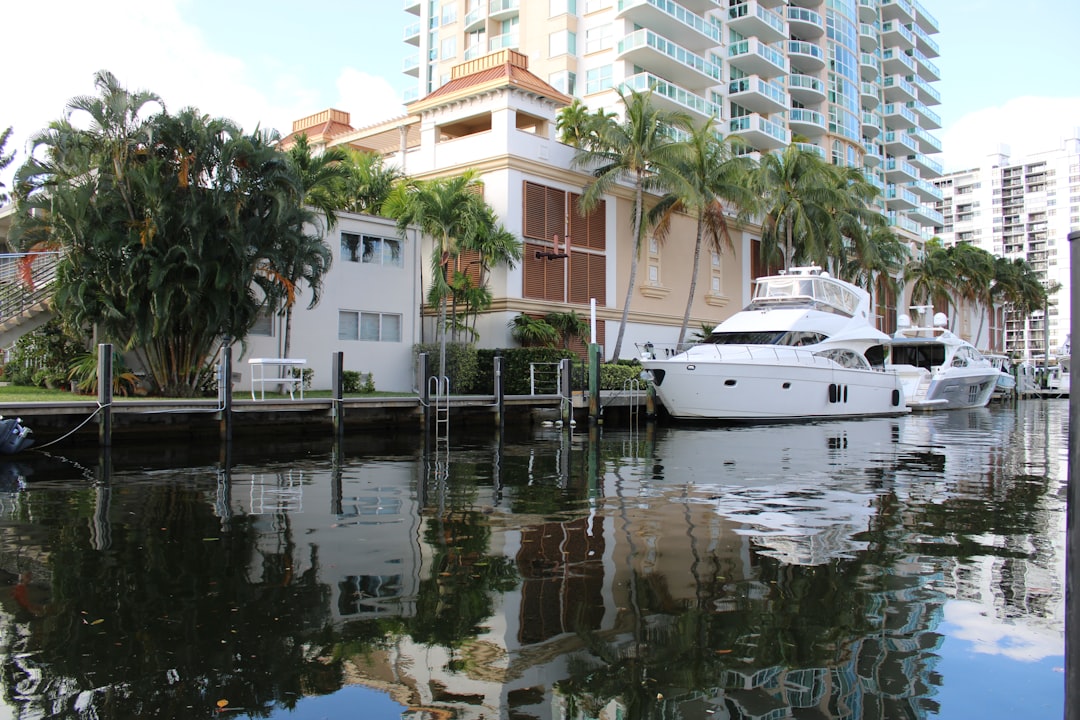
Seagate sits east of downtown, bordered by the Intracoastal Waterway on the west and State Road A1A on the east, with the Atlantic Ocean a short walk away. Asking prices in Seagate currently range from roughly $3 million to more than $10 million, with recent sales averaging around $3.24 million, or about $740 per square foot. Many properties here include private docks on a protected boat basin, putting deep-water boating access within walking distance of the beach, a combination that stays rare even within South Florida’s luxury waterfront markets.
Golf and Country Club Communities
Inland, communities built around private golf courses give buyers a different kind of luxury: larger lots, resort-style amenities, and a gated setting. These communities typically require a membership purchase separate from the real estate transaction, so buyers should budget for initiation fees and dues on top of the home price. Course frontage and lake views carry a premium over interior lots, the same pattern seen in golf communities throughout Palm Beach County.
Buyers evaluating a golf community purchase should request the club’s current membership category structure and waitlist status before writing an offer. Some Delray Beach clubs sell membership as mandatory equity attached to the deed, while others keep it optional, and that distinction changes both the true cost of ownership and how easily the home resells later.
Downtown High-Rises Along Atlantic Avenue
Downtown Delray Beach has densified over the past several years, with new mid-rise and high-rise condominium buildings replacing older low-rise stock within walking distance of Atlantic Avenue’s restaurants, galleries, and shops. This is where the 92% jump in year-to-date sales volume is concentrated. Buyers here are typically trading a car-dependent estate lifestyle for a walkable one, without giving up finish quality or building amenities like pools, fitness centers, and concierge service.
How Delray Beach Differs From Boca Raton and Palm Beach
Boca Raton offers scale, national retail, and a large inventory of new construction. Palm Beach offers the most concentrated wealth and privacy in the state, along with the highest price floor. Delray Beach sits between the two: a walkable downtown built around a two-mile stretch of Atlantic Avenue, a beach that isn’t lined with high-rise hotels, and an inventory that ranges from $500,000 townhomes to $20 million estates within the same few square miles.
Commuting matters too. Delray Beach sits roughly equidistant from Palm Beach International Airport and Fort Lauderdale-Hollywood International Airport, both under 40 minutes on a normal traffic day, with Boca Raton’s Tri-Rail station and I-95 access putting the rest of South Florida within reach for buyers who split time between a Delray Beach property and a business elsewhere in the region.
Atlantic Avenue itself is the differentiator most buyers cite first. The corridor runs from the Intracoastal Waterway to the beach and holds several hundred independent restaurants, galleries, and shops rather than a mall format, and the Old School Square Historic Arts District anchors the west end with a year-round calendar of concerts and public events. For buyers weighing a purchase in Delray Beach against Boca Raton or Palm Beach, that daily walkability, not just the price per square foot, is usually the deciding factor.
Waterfront and Boating Access
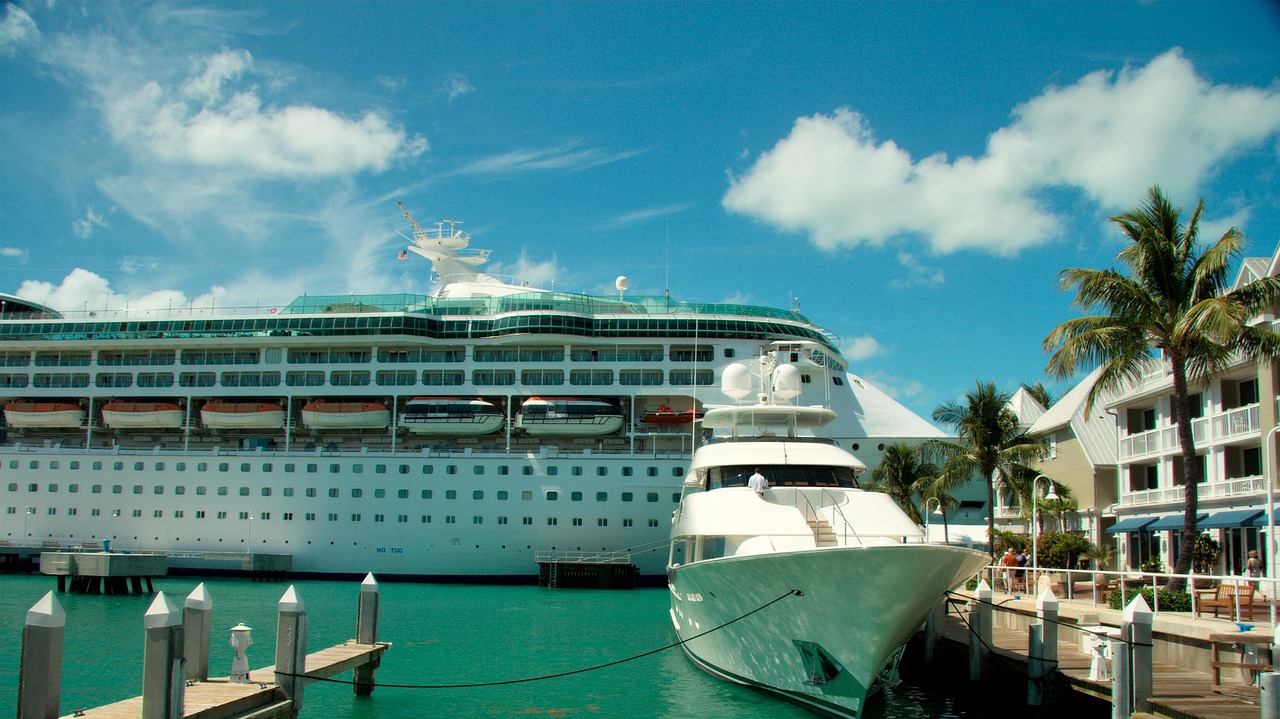
Delray Beach’s waterfront runs along the Intracoastal Waterway, with the closest ocean inlets at Boynton Inlet to the north and Hillsboro Inlet to the south, both workable for most sailboats and larger vessels, a detail that matters enormously to buyers shopping specifically for deep-water dockage. Properties with direct Intracoastal frontage and a private dock command a significant premium over interior canal lots, and that gap has widened as boat sizes and buyer expectations have grown.
Interior canal lots, mostly found in neighborhoods west of the Intracoastal, offer their own dock access but with fixed bridges and shallower channels that limit vessel size and mast height. Buyers who plan to keep a sailboat or a larger sport fishing yacht need to verify bridge clearance and channel depth for a specific address well before closing, since two homes a few streets apart can have very different practical boating access despite both being marketed as waterfront.
Before making an offer on waterfront property, buyers should confirm dock permitting status with the city, review any seawall inspection or repair history, and check the property’s FEMA flood zone designation, since flood zone affects both insurance cost and future renovation or rebuild rules.
What Delray Beach Luxury Transactions Cost
Florida charges documentary stamp tax on every deed at closing. In Palm Beach County, that rate is $0.70 per $100 of the sale price, so a $3 million transaction generates $21,000 in stamp tax alone, typically paid by the seller under standard Florida contract terms, though this is negotiable. Buyers financing the purchase pay an additional stamp tax on the mortgage itself, along with intangible tax on the loan amount. The Florida Department of Revenue publishes the current rate schedule and exceptions.
Property taxes are assessed by the Palm Beach County Property Appraiser based on the prior January 1 market value, which means the assessed value a buyer inherits at closing often understates what the property will be taxed at once it reassesses to the new purchase price the following year. Buyers should budget for that step-up rather than using the seller’s current tax bill as a planning number. Owners who make Delray Beach their permanent residence can also apply for Florida’s homestead exemption, which caps future assessment increases.
Beyond stamp tax and property tax, buyers should plan for title insurance, a lender’s policy if financing, a survey, and a home inspection, along with any HOA or condo association transfer and estoppel fees. On a luxury transaction, total closing costs for the buyer commonly land between 2% and 4% of the purchase price once these items are combined, separate from any real estate commission.
Insurance is the other line item that surprises out-of-state buyers. Coastal Palm Beach County carries some of the highest windstorm insurance costs in the state, and older waterfront homes without updated roofs, impact windows, or recent wind mitigation inspections can see premiums well above statewide averages. Getting an insurance quote before writing an offer, not after, avoids a closing-week surprise on a high-value property.
Delray Beach for Investors
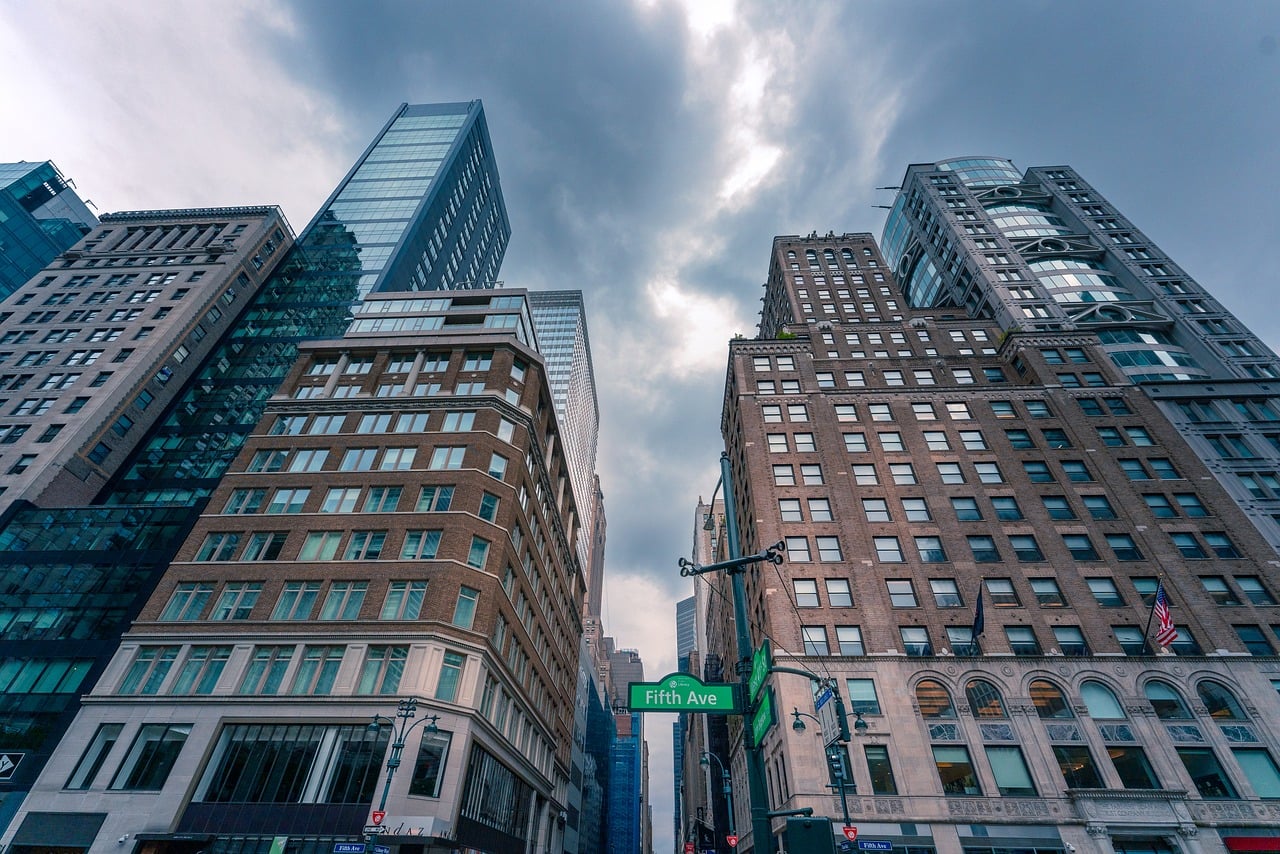
Downtown Delray Beach’s densification creates two investor plays: ground-floor retail and restaurant space along Atlantic Avenue, and multifamily or mixed-use redevelopment on the surrounding blocks where older low-rise buildings sit on land now zoned for greater height and density. Retail vacancy along the core of Atlantic Avenue has stayed tight, supporting rent growth that tracks the residential price appreciation happening around it.
Small multifamily properties, generally two to twenty units, still trade in Delray Beach at cap rates above what a comparable asset commands in downtown Miami or Fort Lauderdale, since the market is smaller and less institutionally owned. That gap has been narrowing as more out-of-state capital discovers Palm Beach County, but it hasn’t closed, which is part of why multifamily buyers keep circling back to Delray Beach for value-add acquisitions.
Short-term rental activity is legal in parts of Delray Beach but regulated at the local level, with registration and inspection requirements that vary by zoning district and by whether the property sits within a condo association that restricts leasing terms. Investors underwriting a short-term rental purchase should confirm both the city’s current registration rules and the association’s rental restrictions before closing, not after, since a change in either can eliminate the income assumption the deal was underwritten on.
For 1031 exchange buyers, Delray Beach’s mix of small multifamily, retail, and mixed-use product gives investors selling out of a larger, more management-intensive asset elsewhere in the country a way to trade into a smaller, walkable, appreciating market without taking on a second full-time job. The Florida Realtors research and statistics library tracks county-level sales and inventory data worth reviewing before underwriting a Palm Beach County acquisition.
Working With a Boutique Brokerage in Delray Beach
Delray Beach’s luxury market rewards buyers and sellers who move with real market knowledge rather than general South Florida assumptions. Pricing a Seagate waterfront estate against a downtown condominium against a golf community home requires three different comparable sets, three different buyer pools, and, often, three different marketing approaches.
MJI Realty Group works across Palm Beach, Broward, and Miami-Dade counties as a boutique brokerage, which means sellers get senior-broker attention rather than a rotating team, and buyers get access to off-market inventory that never reaches the public listing sites. If you’re buying or selling luxury property in Delray Beach, or comparing it against Boca Raton, Palm Beach, or another South Florida market, MJI Realty Group can walk through the numbers and the neighborhoods with you.
Real estate decisions depend on individual circumstances; this is general information, not legal, tax, or investment advice for your specific situation.