Wellington: The Winter Equestrian Capital of the World

Drive west from downtown Wellington on Pierson Road and the suburban tract homes give way fast. Within a mile, chain-link fencing turns to white four-board fencing, subdivisions turn to grass paddocks, and driveways lead to barns with more square footage than most houses. This is Wellington’s Equestrian Preserve Area, home to the Winter Equestrian Festival, the National Polo Center, and roughly 9,000 acres of land built specifically around horses.
Equestrian estates here range from around $400,000 for a modest farmette to more than $20 million for a full show-ready property with a covered arena, multiple barns, and staff housing. The buyers are a mix: competitive riders who spend winters showing at Wellington International, retirees who want acreage and quiet, and investors who lease properties to trainers and owners during the January through April show season. Many buyers fit more than one category at once.
Buying in horse country is not the same transaction as buying a waterfront condo in Palm Beach or a single-family home in a standard subdivision. Zoning is different, financing is different, the tax treatment can be different, and the due diligence list runs longer. High-net-worth relocation to Florida from New York, New Jersey, and California continues to feed demand across the state’s luxury segment, and Florida Realtors market data shows that demand reaching well beyond beachfront condos into niche markets like Wellington. Anyone considering an equestrian estate here should understand the differences before writing an offer.
What Separates an Equestrian Estate From a Standard Luxury Home
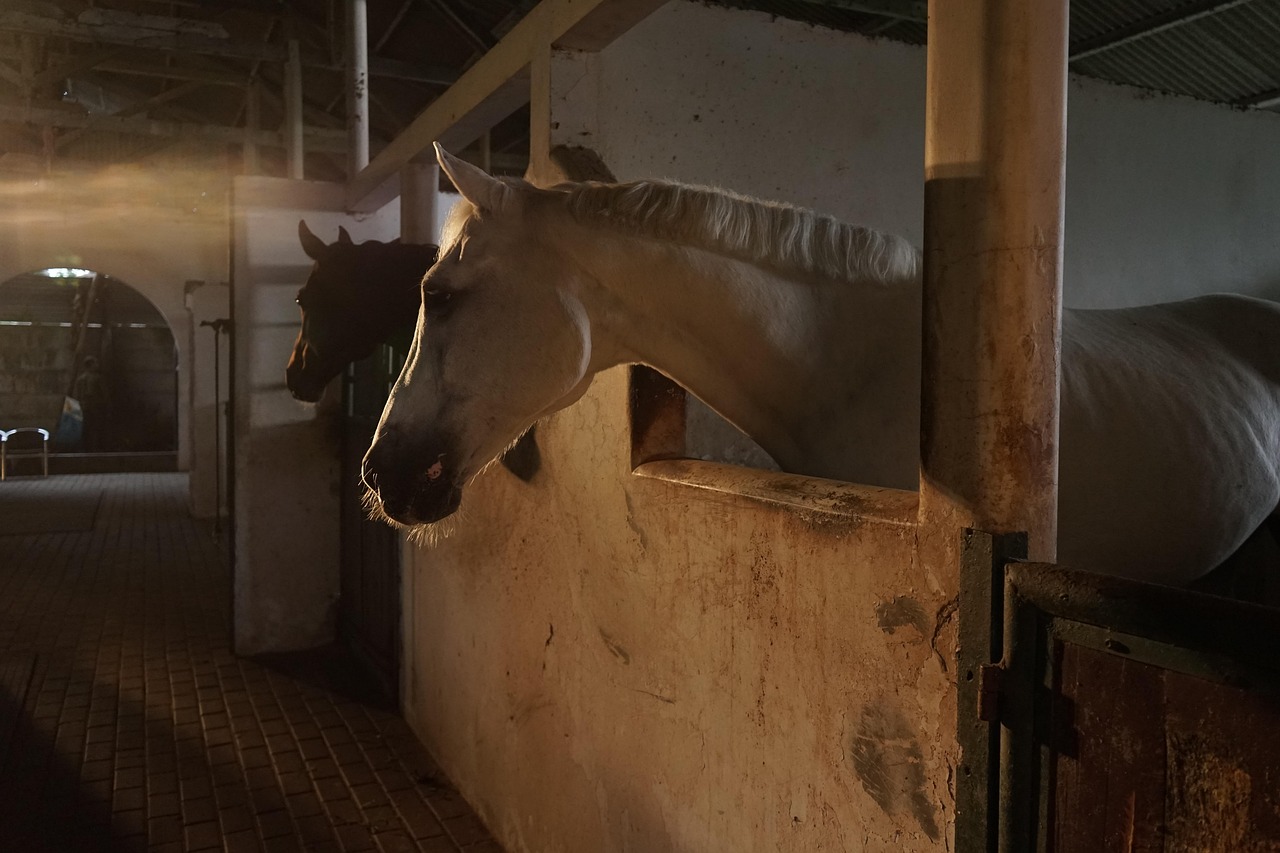
An equestrian estate is defined by what sits on the land, not just the square footage of the house. Buyers evaluate acreage, barn count and stall capacity, riding ring footing, pasture condition, and proximity to the show grounds with the same scrutiny a commercial buyer applies to a cap rate.
Stall count matters because it determines how many horses the property can support and, for investors, how much boarding or lease income it can generate. Footing quality in the riding ring, the sand, fiber, or synthetic blend and its drainage, is often a bigger driver of value than the finishes inside the house.
Barns, Rings, and Support Buildings
A serious competition property typically includes several structures beyond the residence:
- A center-aisle barn with six to twelve or more stalls, wash racks, and a tack and feed room
- A covered or all-weather riding ring with engineered footing and drainage
- A separate hay and equipment storage building
- Staff or groom quarters on larger properties
- Trailer and truck parking with direct access to the property’s riding trails
Location within the Equestrian Preserve Area also matters. Properties close enough to Wellington International or the National Polo Center to trailer or hack a horse over, rather than drive, carry a premium. During the Winter Equestrian Festival, that proximity can be worth hundreds of thousands of dollars in resale value and thousands of dollars a month in seasonal lease rates.
Zoning: The Equestrian Preserve Area and the Equestrian Overlay District
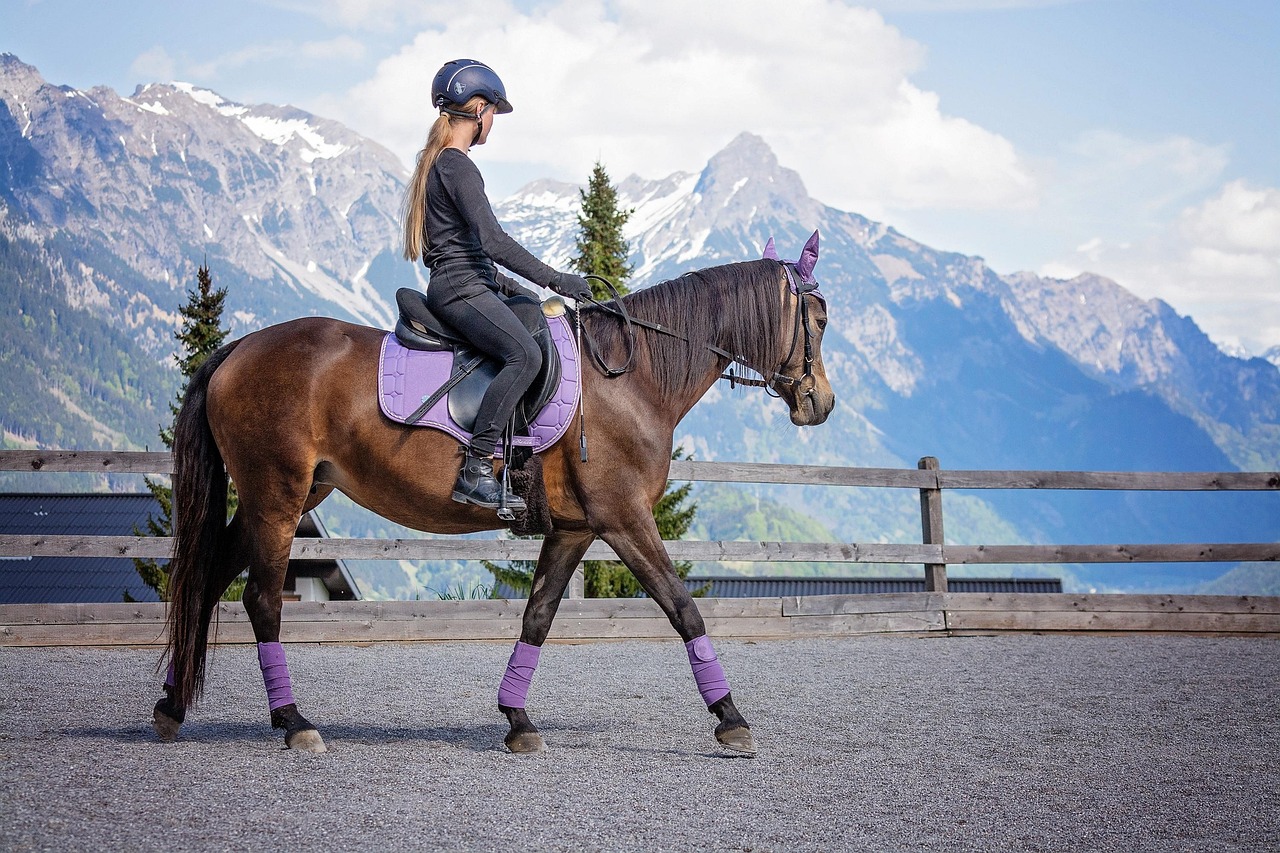
Wellington’s equestrian community operates under the Equestrian Overlay Zoning District, adopted by the Village Council in 2003 to protect the character of the Equestrian Preserve Area. The Village of Wellington’s Equestrian Overlay Zoning District rules govern setbacks, the number of horses allowed per acre, permitted outbuildings, and what commercial activity, such as boarding or riding lessons, requires additional review.
Buyers need to confirm three things before closing on a Wellington horse property: what the zoning allows for horse density and structures, whether any existing barns, arenas, or apartments over the barn were permitted correctly, and whether the intended use, personal riding, boarding, or a full training operation, matches what the property is zoned for. A covered arena or a roofed structure over an existing ring typically requires a separate building permit and engineered review. Unpermitted structures are a common source of closing delays in this market, and a title search alone will not catch them. A permit history pull from the Village is a required step, not an optional one.
Boarding, Lessons, and Commercial Use
Plenty of buyers plan to offset ownership costs by boarding horses for other owners or running lessons. Both uses can trigger a different zoning review and, depending on scale, a business tax receipt from the Village. Confirm the intended use with Wellington’s Planning and Zoning Division before assuming a property can support a commercial boarding operation.
Trail and easement access is worth confirming as well. Many Preserve Area properties rely on recorded easements to reach community bridle trails, and those rights should show up clearly in the title commitment before closing. A property that appears to back up to a trail on a survey but has no recorded easement across the parcels in between can leave a buyer with a horse farm and no legal way to ride out of it.
Agricultural Classification and the Property Tax Upside

Florida’s Greenbelt Law, codified at Florida Statute 193.461, allows qualifying agricultural land to be assessed at its use value rather than its market value. For equestrian property, that can mean the difference between a tax bill based on a multimillion-dollar market price and one based on roughly $500 per acre of assessed agricultural value, a gap large enough to change the economics of ownership.
To qualify, the Palm Beach County Property Appraiser’s agricultural classification standards require a bona fide commercial agricultural use, meaning a good-faith intent to profit from the horses on the property, not simply personal recreational use. For equestrian classification specifically, the county generally requires at least two full-sized animals per acre with documented access to grazing land. Boarding agreements, breeding records, or lesson income can all serve as supporting documentation.
Applications are filed with the Florida Department of Revenue through the county property appraiser between January 1 and March 1 each year. Buyers who close mid-year should ask the seller whether the classification is already in place and confirm it will carry over, because losing it and reapplying can mean a full tax year at market assessment. This is exactly the kind of detail a buyer’s broker who works this market regularly should be checking before contract, not after closing.
What Drives Price in Wellington’s Horse Country
Pricing in Wellington’s equestrian market does not track square footage the way a standard subdivision does. Raw land inside the Equestrian Preserve Area has traded at an average of roughly $778,000 per acre, and finished farms with a house, barn, and ring routinely sell in the low seven figures even before factoring in the quality of the improvements. In established communities like Equestrian Club Estates, sale prices have averaged in the range of $2.1 million, with entry points starting above $500,000 and grand estates reaching well into eight figures.
Three factors move price more than anything else: ring footing and drainage, barn quality and stall count, and distance to the show grounds. A property with premium engineered footing, a covered arena, and a short hack to Wellington International will command a materially higher price than a comparable house on a similar lot with an older ring and no covered arena, even if the two houses are nearly identical.
Seasonal Income During Show Season
Investors who buy in this market without competing themselves often lease properties to trainers, owners, and grooms for the Winter Equestrian Festival season, which runs from early January through early April. Seasonal lease rates on a well-located farm with adequate stalls can offset a meaningful share of annual carrying costs, which is why some buyers underwrite an equestrian estate more like an income property than a second home. Anyone running that math should treat seasonal lease income as a bonus on top of long-term appreciation, not as guaranteed cash flow, since show-season demand shifts year to year with the competition calendar and the strength of that year’s prize money.
It helps to compare Wellington’s per-acre economics to the rest of Palm Beach County’s luxury market. A beachfront lot on Palm Beach island can trade well above $10 million per acre with little land beyond the house itself. Wellington’s equestrian land costs a fraction of that per acre, but buyers are paying for something different: usable acreage, barn infrastructure, and proximity to a specific sport rather than ocean frontage. That distinction is why equestrian estates need their own comparable set and should not be priced off standard single-family sales a few miles away.
Insurance, Financing, and Due Diligence Specific to Horse Properties
Insuring an equestrian estate is more complicated than insuring a standard home. Barns, run-in sheds, and covered arenas are separate structures that need their own coverage, and insurers often price them differently than the primary residence. Wellington sits well inland from the coast, which generally helps on wind mitigation compared to a barrier island property, but flood and drainage risk on low-lying western parcels still needs to be checked against current FEMA flood maps before a buyer assumes a farm is insurable at a reasonable rate.
What to Inspect Beyond the House
Beyond a standard home inspection, buyers should have a qualified equestrian contractor evaluate:
- Barn structural condition, roof age, and ventilation
- Stall flooring, drainage, and matting condition
- Riding ring footing depth, composition, and irrigation
- Fencing condition across the full perimeter
- Well, septic, and irrigation systems, since many Preserve Area farms are not on municipal water and sewer
Skipping the barn and ring inspection to save a few hundred dollars is one of the more expensive mistakes a first-time equestrian buyer can make, since footing replacement alone can run well into six figures on a full-size ring.
Financing also looks different. Many lenders treat a property with significant agricultural acreage and outbuildings as a specialty loan rather than a standard jumbo mortgage, which can mean a smaller pool of lenders, a larger down payment requirement, or both. Buyers should get pre-qualified with a lender who has closed equestrian properties in Wellington specifically, not just luxury homes generally, before writing an offer.
Title work deserves the same attention. Agricultural liens, easements for shared wells or drainage, and boarding contracts tied to the land can all show up on an equestrian title search and need to be resolved or disclosed before closing. A title agent unfamiliar with agricultural parcels can miss items that a specialist would flag immediately, so buyers should ask whether the title company handling the transaction has closed equestrian properties in the Preserve Area before.
Buying or Selling in Wellington’s Equestrian Market
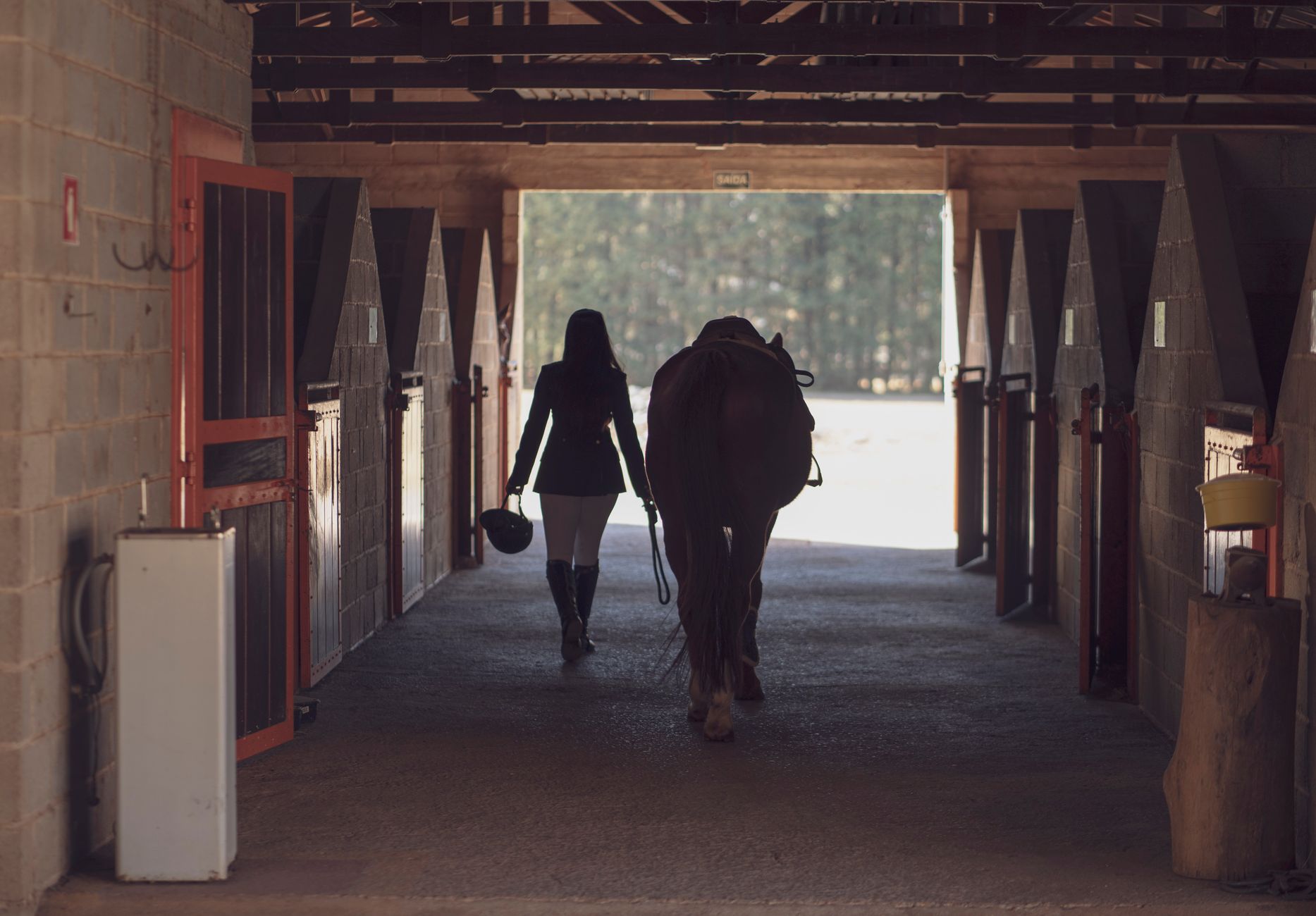
Wellington’s horse country rewards buyers who treat it as its own asset class rather than a slightly larger version of a standard luxury home purchase. The zoning, the tax treatment, the insurance, and the financing all run on a different track, and the properties that hold and grow their value tend to be the ones bought by people who understood those tracks going in.
At MJI Realty Group, we work with equestrian buyers and sellers across Palm Beach County who need both market knowledge and discretion, particularly competitive riders, trainers, and international clients whose privacy matters as much as the property itself. Whether the goal is a personal farm for the show season or an income-producing property leased to riders each winter, the right approach starts with understanding what makes this market different before making an offer.
Real estate decisions depend on individual circumstances, including each buyer’s intended use, financing situation, and long-term goals; this article is general information, not legal, tax, or investment advice for your specific situation. Buyers considering an agricultural classification or a complex equestrian purchase should confirm current requirements with the Palm Beach County Property Appraiser and consult qualified tax and legal professionals before closing.