A New Question Every Florida Condo Buyer Should Ask
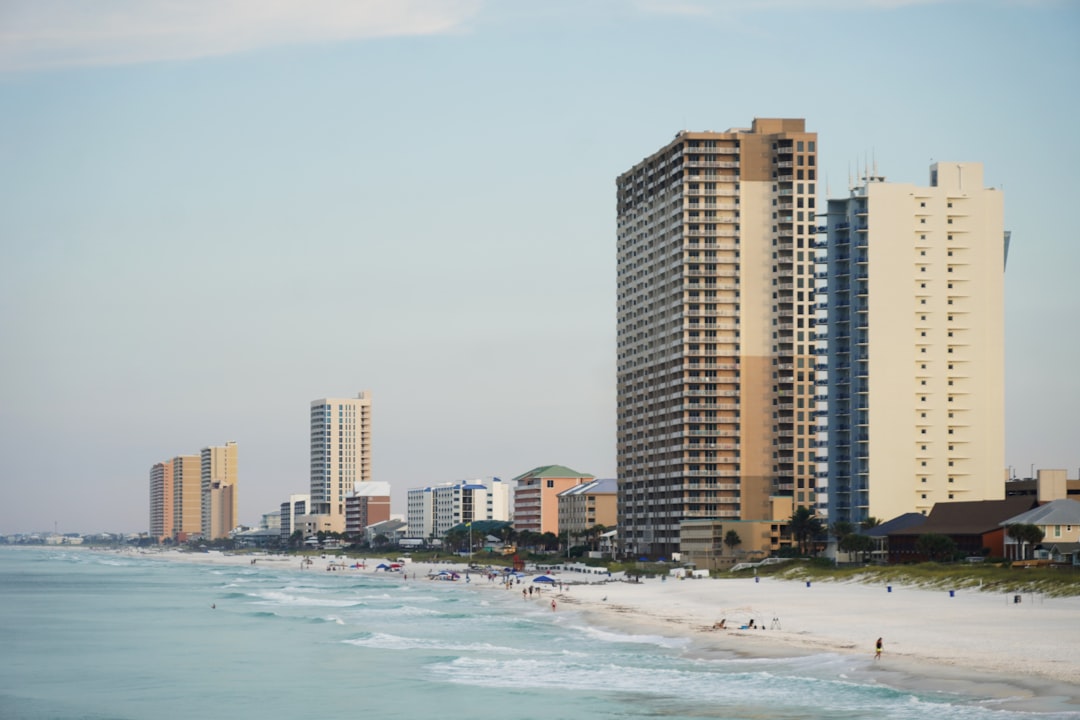
A buyer touring a 1994-built oceanfront tower in Sunny Isles Beach used to ask about square footage, views, and monthly fees. Today the first question is different: has this building completed its milestone inspection, and what did the structural integrity reserve study find? That single question can change the numbers on a deal by tens of thousands of dollars.
Florida’s milestone inspection and structural integrity reserve study (SIRS) requirements exist because of the June 2021 collapse of Champlain Towers South in Surfside. The Florida Legislature responded with Senate Bill 4-D in 2022, then refined the framework with Senate Bill 154 in 2023 and House Bill 913 in 2025. For South Florida’s older high-rise inventory, especially the 1970s through 1990s towers that make up a large share of Miami-Dade, Broward, and Palm Beach County’s waterfront condo stock, these laws now shape pricing, financing, and closing timelines directly.
At MJI Realty Group, we walk both buyers and sellers through these documents before a contract gets signed, not after. A building’s structural paperwork is now as material to a condo purchase as the survey or the title commitment.
This is not only a Miami-Dade story. Broward County’s beachfront corridor from Hollywood to Fort Lauderdale to Deerfield Beach carries the same concentration of pre-1996 towers, and Palm Beach County’s coastal buildings from Lake Worth Beach through Palm Beach and Jupiter Island fall under the identical 25-year coastal trigger. Statewide, Tampa Bay, Sarasota, and Naples have their own aging beachfront stock working through the same requirements. Any buyer shopping a mid-rise or high-rise condo built before the mid-1990s anywhere on Florida’s coast should expect this conversation to come up during the showing, not after the offer is accepted.
What a Milestone Inspection Actually Covers
A milestone inspection is a structural safety review performed by a licensed architect or engineer. It examines the load-bearing elements of a building, columns, beams, load-bearing walls, and the foundation, to determine whether those systems remain sound and whether there is visible evidence of substantial structural deterioration.
The trigger for a milestone inspection is age, measured from the date the certificate of occupancy was issued:
- Condominium and cooperative buildings three stories or higher must complete a milestone inspection by December 31 of the year the building turns 30 years old, and every 10 years after that.
- Buildings located within three miles of the coastline face an earlier trigger: 25 years old, then every 10 years after.
- Buildings that had already passed the age threshold before July 1, 2022 were required to complete their first inspection by December 31, 2024.
The inspection happens in two phases. Phase One is a visual survey. If the inspector finds signs of substantial deterioration, the building moves to Phase Two, which requires more invasive testing, core samples, destructive or non-destructive testing of specific components, and typically a more detailed repair scope and cost estimate. A building that lands in Phase Two is not automatically unsafe, but it usually means a larger, faster capital outlay is coming. The Florida Building Commission’s DBPR Condominium Inspections resource lays out both phases and the licensing requirements for the inspectors who perform them.
Structural Integrity Reserve Studies and the Eight Components

A milestone inspection asks whether a building is structurally sound today. A structural integrity reserve study, or SIRS, asks a different question: how much money does the association need to set aside to keep it that way for the next 30 years, and is it actually saving that amount.
Every condominium and cooperative association with a building three stories or higher must complete a SIRS, regardless of the building’s age, and update it every 10 years. The study, prepared by a licensed engineer or architect, must evaluate eight components:
- Roof
- Load-bearing walls and other primary structural members
- Fire protection systems
- Plumbing
- Electrical systems
- Waterproofing and exterior painting
- Windows and exterior doors
- Any other item with a deferred maintenance expense or replacement cost that exceeds $25,000 and affects the structures above
The financial consequence lands on the owner, not just the building. Associations with budgets adopted on or after December 31, 2024 may no longer vote to waive or reduce SIRS reserve funding, and full funding under the study is required starting January 1, 2026. That means monthly assessments on many older condos are climbing, sometimes sharply, as reserves catch up to what the study says they should be.
The 2026 Deadlines Buyers Need to Track
A few dates matter more than the rest for anyone shopping a South Florida condo this year:
- December 31, 2024: deadline for buildings that had already crossed the 30-year (or 25-year coastal) threshold before July 1, 2022 to complete their first milestone inspection.
- January 1, 2026: associations must begin funding reserves at the level the SIRS calls for. Boards can no longer waive SIRS reserves if their budget was adopted on or after December 31, 2024.
- December 31, 2026: outer deadline for a SIRS to be completed for associations whose milestone inspection is also due by that date, under the extended timeline House Bill 913 introduced in 2025.
None of this is theoretical for South Florida buyers. Miami-Dade County alone has thousands of condo units in buildings built before 1996, and Broward and Palm Beach counties have similar concentrations along the coast. If a target building’s milestone inspection or SIRS deadline falls within the next 12 to 24 months, that timing belongs in the offer strategy, not as a surprise at the closing table.
What a Seller Must Disclose Before You Sign

Florida law puts the disclosure obligation on the seller, not the buyer’s diligence team. Under Florida Statute 718.503, a prospective purchaser is entitled to a copy of the inspector-prepared summary of the milestone inspection report, if one exists, and the association’s most recent structural integrity reserve study, or a written statement that no SIRS has been completed.
Florida Realtors updated its standard condominium rider and disclosure forms to match, giving buyers a documented right to request these reports as part of a resale contract. If the seller does not conform to the disclosure requirement, the contract is voidable at the buyer’s option before closing. For a resale, once a buyer requests these documents in writing, Florida law allows up to three business days beyond the original closing date to review them before the deal has to close.
For a luxury purchase in the seven and eight figure range, three days is not much runway to absorb a surprise. The smarter move is to request the milestone inspection summary, the SIRS, the last two years of board meeting minutes, and the reserve fund balance sheet during the inspection period, well before the closing date is locked.
Reading the Report Like an Investor, Not a Tourist
A milestone inspection report and a SIRS are dense documents, but three things matter most to a buyer or their broker reviewing them.
First, check whether the building passed Phase One or moved into Phase Two. A Phase Two designation means the engineer found signs of substantial structural deterioration serious enough to warrant invasive testing. That does not necessarily mean the building is unsafe to occupy, but it usually signals a larger repair bill is coming, and coming faster than the association may have budgeted for.
Second, compare the SIRS reserve balance to the study’s recommended funding level. A study that says the roof needs $4 million in the next five years, sitting next to a reserve account holding $600,000, is a reliable predictor of a special assessment. The gap between what is saved and what is needed is the single most useful number in the entire document.
Third, read the board minutes from the past 18 to 24 months. Boards debate special assessments, financing options, and litigation with contractors months before those decisions show up in a monthly fee statement. The minutes tell you what is coming before the budget does.
It also helps to ask who prepared the report. A milestone inspection or SIRS performed by an engineering firm with a strong track record on similar coastal buildings tends to carry fewer surprises during the follow-up phase than a rushed report from a firm unfamiliar with the building type. Ask the association’s property manager how the firm was selected and whether the same firm is contracted for any follow-up repair work, since that relationship can affect how conservatively the numbers were estimated.
Special Assessments: What Happens When a Building Comes Up Short
When reserves fall short of what a SIRS or milestone inspection calls for, an association generally has three paths: a special assessment billed to owners, a loan taken against future assessments, or a combination of both spread over several years. Special assessments on older coastal buildings have run from the low five figures per unit for modest exterior repairs to well over $100,000 per unit for major structural or waterproofing work in high-profile Surfside-era cases. A buyer who skips this review is not just risking a maintenance surprise. They are risking a bill that can rival a year of mortgage payments on the unit itself.
A Due Diligence Checklist for South Florida Condo Buyers

Before writing an offer on a condo three stories or taller anywhere in Miami-Dade, Broward, or Palm Beach County, confirm the following:
- The certificate of occupancy date, so you know exactly when the 30-year (or 25-year coastal) milestone clock started
- Whether a milestone inspection has been completed, and if it resulted in a Phase One pass or a Phase Two escalation
- Whether the association has completed a SIRS, and how the reserve balance compares to the study’s recommended funding for each of the eight components
- Whether the board has approved, discussed, or is actively considering a special assessment
- Whether the building’s insurance carrier has flagged the structure for any coverage restrictions tied to age or condition
- The most recent two years of board meeting minutes and the current reserve fund balance sheet
None of this replaces a licensed inspector’s own evaluation of the unit itself. It supplements it, because a perfect unit inside a building with a failing structural report is still a problem the buyer will own.
Working Through It With the Right Team
Milestone inspections and SIRS reports have added a layer of real diligence to Florida condo transactions that did not exist a decade ago, and that is a good thing for buyers who take the time to read them. At MJI Realty Group, we pull these documents before we let a client tour a building’s competing units, because the structural story often explains the price gap between two towers a block apart better than the finishes do.
If you are evaluating a luxury condo purchase anywhere from Sunny Isles Beach to Fort Lauderdale to Palm Beach, we can help you request the right documents, read them with an engineer’s eye for what matters financially, and negotiate around what they reveal. Real estate decisions depend on individual circumstances, and this article is general information, not legal, tax, or investment advice for your specific situation. A Florida real estate attorney should review any milestone inspection or SIRS finding that could affect your purchase before you close.