Florida’s Treasure Coast Comes Into Its Own
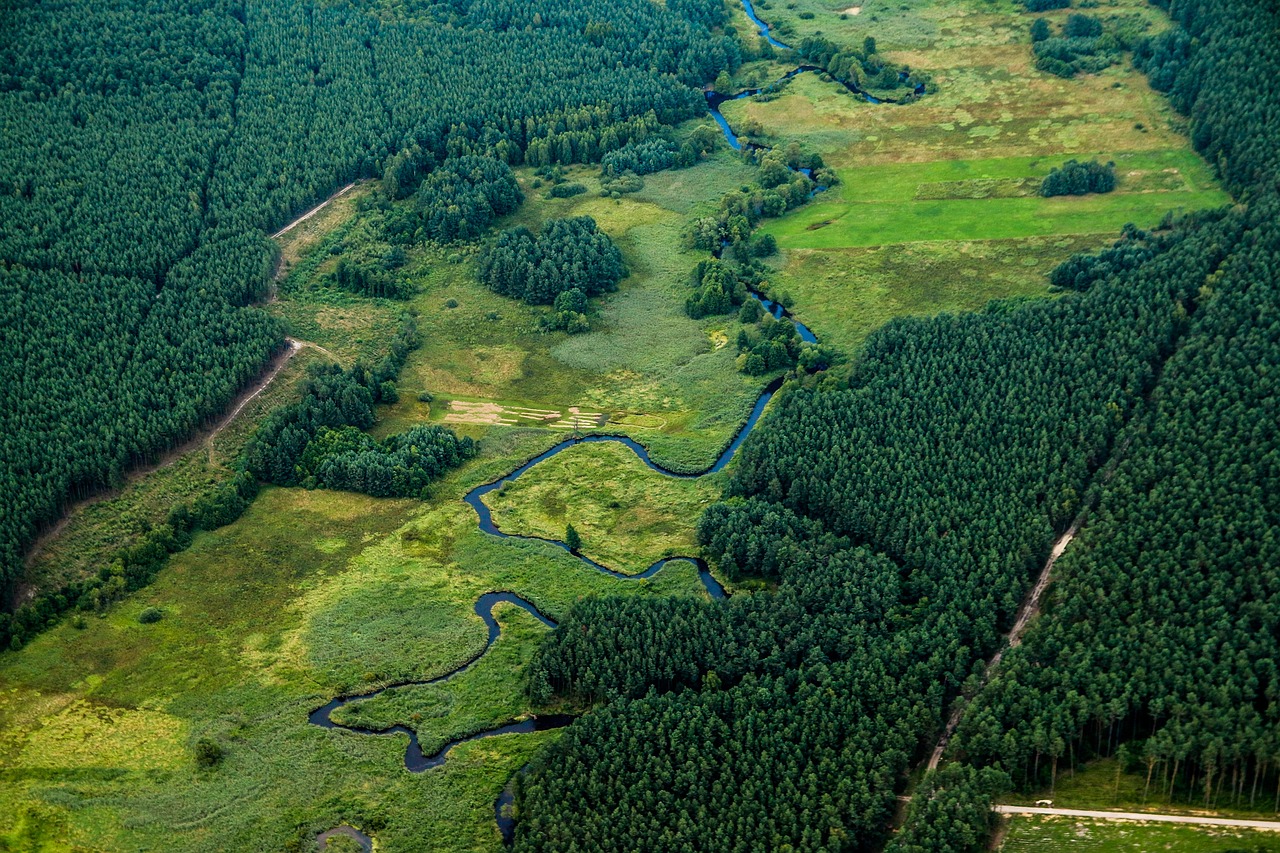
Buyers priced out of Palm Beach are looking sixty miles north, and what they’re finding in Martin and St. Lucie counties is a Treasure Coast that no longer plays second fiddle to its southern neighbor. The average list price for a home in Stuart climbed to $1,692,328 in February 2026, up from $1,594,769 a year earlier, and waterfront inventory on the St. Lucie River and Indian River Lagoon is moving at a pace the corridor hasn’t seen in years.
Martin County’s broader single-family market posted a median sale price of $615,000 in the second quarter of 2025, a 1.7% increase over the prior year, with single-family sellers netting 93% of original list price on average. That combination, rising values paired with sellers holding firm on price, tells a story of a market that has shifted from overlooked to sought-after without tipping into the kind of frenzy that made 2021 and 2022 so difficult for buyers.
At MJI Realty Group, we’ve watched this shift play out in real time. Clients who started their search in Palm Beach or Boca Raton, then widened the map north, are finding larger waterfront lots, more privacy, and meaningfully lower price-per-square-foot numbers, often without giving up boating access or a reasonable drive to Palm Beach International Airport.
Martin County: Stuart, Sewall’s Point, and Jupiter Island

Jupiter Island anchors the top of the Martin County market. The barrier island, roughly 17 miles long and a half-mile wide in most places, has held a reputation as one of the most private oceanfront addresses in the country for decades, with buyers drawn to its combination of Atlantic frontage, low-density zoning, and a level of discretion that larger coastal markets can’t always guarantee. Listings here rarely appear on public search portals; most trade through broker networks before a sign ever goes in the yard.
Sewall’s Point, the narrow peninsula between the St. Lucie River and the Indian River Lagoon, gives boating buyers something Jupiter Island can’t: deepwater dockage on two sides of a single lot, often with direct ocean access through the St. Lucie Inlet in under twenty minutes. Palm City, just west across the river, has built its luxury identity around equestrian living, with gated communities offering private barns, riding trails, and acreage that doesn’t exist closer to the coast.
Stuart itself, the county seat, has spent the past decade reinvesting in its downtown riverfront, and that public investment is showing up in private property values along the water. Buyers who want walkable restaurants and a historic downtown, paired with direct river frontage, are finding fewer comparable options anywhere else in South Florida at Martin County’s price point.
St. Lucie County and Port St. Lucie’s Growth Story
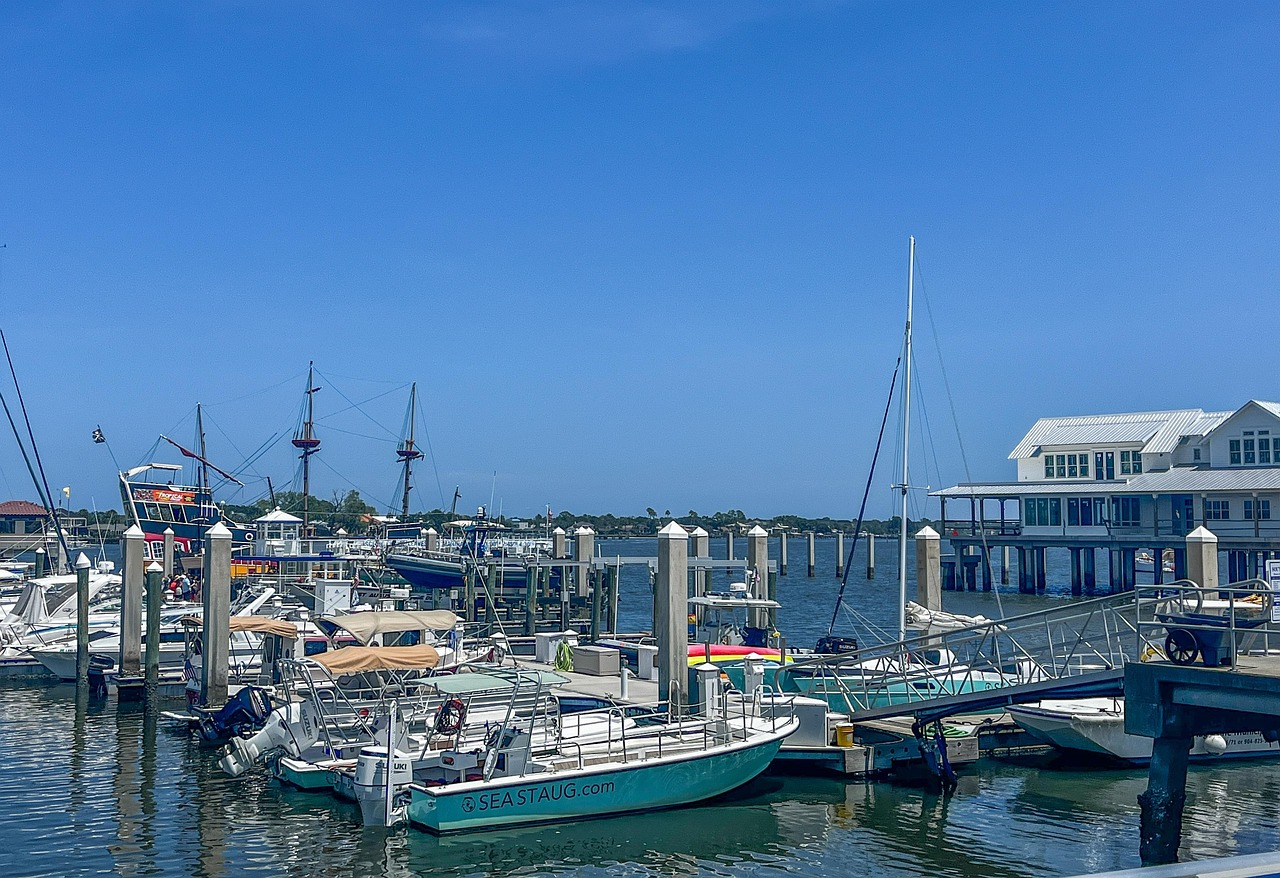
Port St. Lucie tells a different story than its southern neighbor, and it’s just as compelling to a different kind of buyer. The city’s population has grown roughly 37.5% since 2020 to an estimated 284,000 residents, one of the fastest expansion rates of any mid-size city in Florida, and a consumer research ranking published in April 2026 named Port St. Lucie the top mid-size housing market in the country for buyers, citing availability and affordability against national peers.
Median sale prices in Port St. Lucie run between $389,000 and $400,000, essentially flat year over year, which puts move-up buyers and second-home purchasers in a market where negotiating room still exists. Homes are taking a median 85 days to sell, nearly 29% of listings have seen a price reduction, and buyers are closing at roughly 3% below list on average. That’s a meaningfully different dynamic than the multiple-offer environment still common closer to the coast in Miami-Dade and Palm Beach counties.
The Tradition master-planned community has become the county’s answer to luxury without waterfront pricing: new construction estate sections, a growing medical and biotech corridor anchored by Cleveland Clinic Tradition and the Torrey Pines Institute for Molecular Studies, and a town center built around walkable retail. PGA Village and the New York Mets’ Clover Park spring training complex round out the amenities that have pulled relocating buyers who want new construction and modern floor plans over renovating an older home.
What’s Driving Treasure Coast Demand
The math driving Treasure Coast demand isn’t complicated. A buyer selling a $2.5 million property in Palm Beach or Delray Beach can often trade into a comparable or larger waterfront lot in Martin County and still walk away with equity, while a buyer priced out of Miami-Dade or Broward entirely can find new construction in St. Lucie County at a fraction of the per-square-foot cost. Florida’s lack of a state income tax remains part of every relocation conversation, but for Treasure Coast buyers specifically, the calculation increasingly includes a straightforward price comparison against the counties immediately to the south.
Financing conditions have also stabilized enough to support the shift. The 30-year fixed mortgage rate averaged 6.49% for the week ending July 9, 2026, according to Freddie Mac data tracked by the Federal Reserve, down from 6.72% a year earlier. Federal Reserve Economic Data shows rates holding in a narrower band through the first half of 2026 than in the prior two years, which has been enough to bring hesitant move-up buyers back into the market without the rate shock that froze transactions in 2023.
Statewide, Florida’s median single-family price reached roughly $425,000 by the end of May 2026, up 2.4% year over year, with inventory climbing to about 4.7 months of supply, according to Florida Realtors. That’s a market moving toward balance, and the Treasure Coast, still priced below the state’s coastal luxury benchmarks, is absorbing a share of the buyers that balance is displacing from more expensive counties.
Treasure Coast Pricing Compared to South Florida’s Coastal Counties
Numbers make the comparison concrete. Here’s how Martin and St. Lucie county pricing stacks up against the coastal counties buyers are often trading out of:
| Market | Typical 2026 Price Point | What It Buys |
|---|---|---|
| Jupiter Island / Martin County waterfront | $1.69M average list, Stuart | Deepwater estate lots, oceanfront acreage, low-density zoning |
| Palm Beach County luxury waterfront | $3M+ typical entry point | Comparable waterfront, higher density, shorter commute to Palm Beach International |
| Port St. Lucie / St. Lucie County | $389K to $400K median | New construction, master-planned amenities, larger lots |
| Miami-Dade luxury condo | $1M+ typical entry point | Urban high-rise, walkability, higher HOA costs |
The gap is the opportunity. Buyers who don’t need Palm Beach’s specific zip code, or Miami’s high-rise lifestyle, can capture waterfront or new-construction value on the Treasure Coast that simply isn’t available at comparable price points thirty to sixty miles south.
Investment and Commercial Angles on the Treasure Coast
Population growth this fast doesn’t happen without pulling investor attention along with it. Cap rate compression closer to the coast has pushed multifamily, single-family rental, and industrial buyers to widen their search radius, and the Treasure Coast is increasingly where that search ends. The sections below cover where that interest is concentrated.
Single-Family and Build-to-Rent Demand
Investors who’ve watched cap rates compress in Miami-Dade and Broward’s multifamily and build-to-rent sectors are increasingly looking at St. Lucie and Martin counties for entry points that still pencil, particularly in single-family rental portfolios serving relocating workers who want to test the market before committing to a purchase.
The same 85-day median time on market that favors buyers also means landlords face less competition filling units than in tighter coastal submarkets, though rents have generally kept pace with the region’s population growth rather than outrunning it.
Commercial Corridors Along I-95 and Florida’s Turnpike
Commercial growth is following the rooftops. Retail and service development along U.S. 1 and the Florida’s Turnpike corridor in St. Lucie County has expanded to keep pace with a population that’s grown by more than a third since 2020, and industrial and flex space near the Treasure Coast’s rail and highway connections is drawing interest from operators priced out of comparable sites in Miami-Dade and Broward’s tighter industrial markets. For investors running a 1031 exchange out of an appreciated South Florida asset, the Treasure Coast offers something increasingly rare closer to the coast: land still available at a basis that supports new construction.
Buying Considerations Specific to the Treasure Coast

Waterfront is the Treasure Coast’s biggest draw and its biggest diligence item. Before finalizing a purchase, buyers should confirm:
- The property’s FEMA flood zone designation and base flood elevation
- Age and structural condition of any seawall or dock
- Whether flood insurance is required and what it will cost annually
- Homestead exemption filing deadlines if the property will be a primary residence
Much of the frontage along the St. Lucie River, the Indian River Lagoon, and the barrier islands sits in FEMA-designated flood zones, and FEMA’s flood map service is the authoritative source for confirming a specific parcel, even on properties that don’t look like obvious flood risks, since zone boundaries shift as maps get updated.
Homeowners insurance remains part of every conversation on waterfront property anywhere in Florida, and the Treasure Coast is no exception. Older seawalls and docks should be inspected for structural condition before closing, both because repairs run into the tens of thousands of dollars and because some insurers now ask about seawall age and condition during underwriting.
Buyers relocating their primary residence to Martin or St. Lucie County should also file for homestead exemption promptly. The Martin County Property Appraiser’s office requires initial applications by March 1 of the qualifying year, and the exemption caps annual assessment increases at 3% or the change in the consumer price index, whichever is lower, once granted. St. Lucie County buyers can file through the St. Lucie County Property Appraiser, which follows the same statewide deadline and documentation requirements.
Working the Treasure Coast Like a Boutique Market
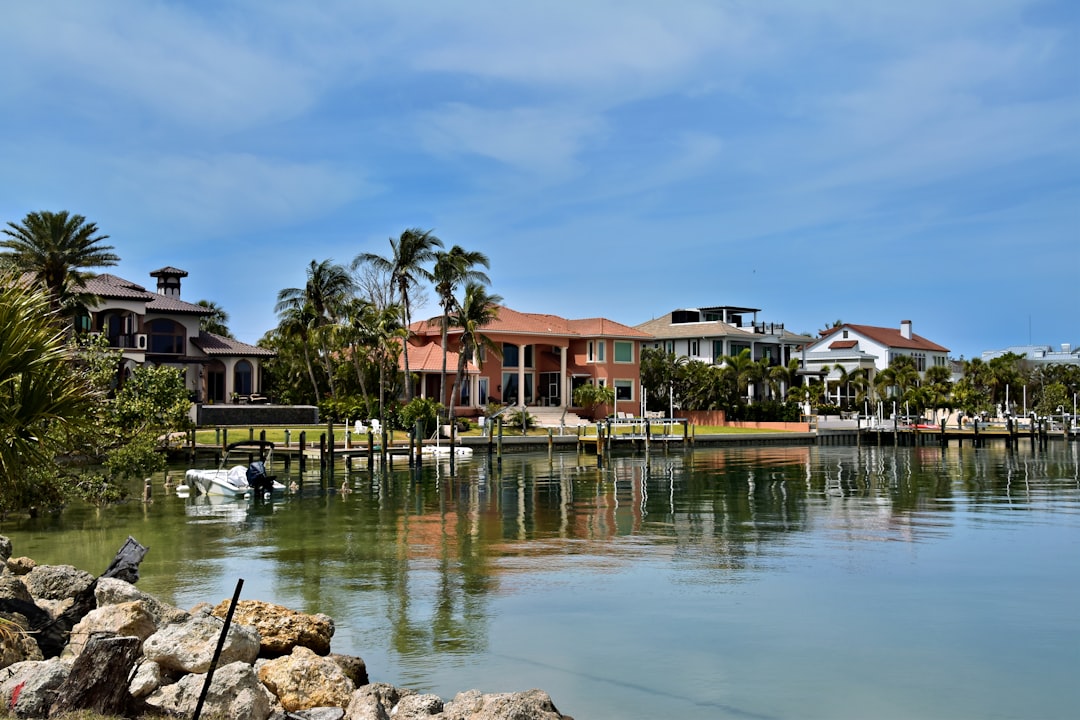
The Treasure Coast rewards buyers and sellers who treat it as its own market rather than a cheaper extension of Palm Beach. Jupiter Island trades on discretion the same way Palm Beach itself does, just with fewer photographs and fewer public listings. Port St. Lucie rewards buyers who move decisively on new construction inventory before the next wave of relocating residents narrows the selection. Both require a broker who knows which streets carry deepwater access, which HOAs are financially sound, and which off-market opportunities never make it to a public search.
MJI Realty Group works both sides of that equation, from Jupiter Island estates to Port St. Lucie new construction, with the same discretion and market access we bring to listings in Miami-Dade, Broward, and Palm Beach. Typical Florida brokers do not offer their clients real estate confidentiality because they don’t have to. We don’t have to either, but we do.
If you’re evaluating a purchase or sale anywhere along the Treasure Coast, from a Jupiter Island estate to a Tradition new-build, MJI Realty Group can walk you through pricing, financing, and timeline specific to your property. Real estate decisions depend on individual circumstances; this is general information, not legal, tax, or investment advice for your specific situation.