The Properties That Never Hit the MLS
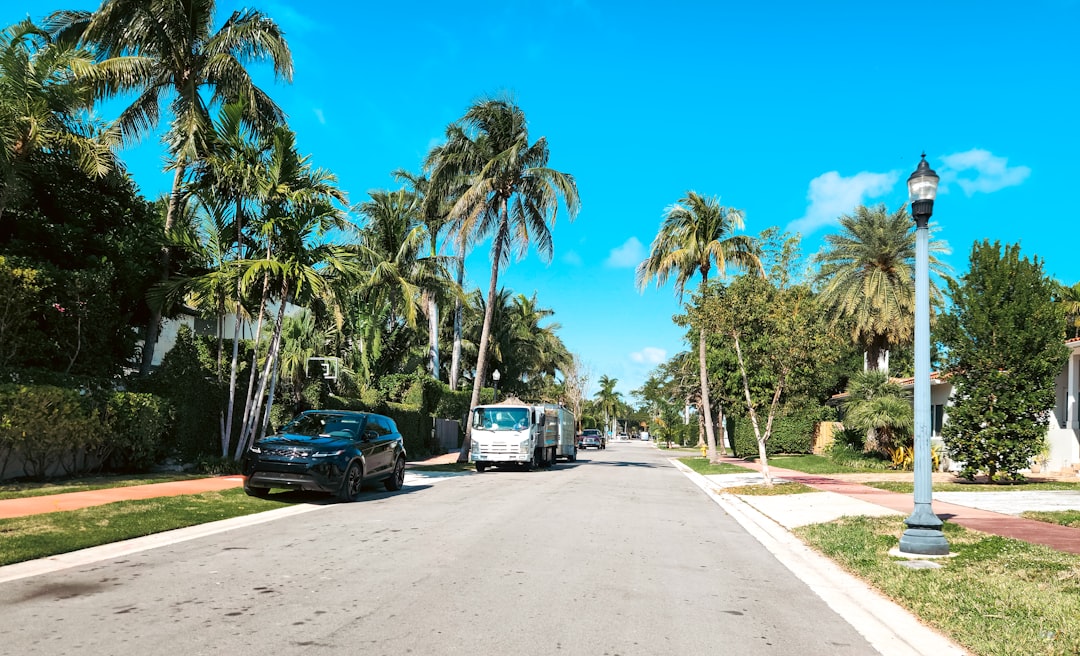
South Florida’s most coveted luxury properties don’t enter the market the way most people imagine. There is no open house, no online listing, no sign in the yard. The seller’s broker makes a few calls to trusted contacts. A small number of pre-qualified buyers tour the property under controlled conditions. A contract is signed. The transaction closes. The property never appeared publicly anywhere.
This is the off-market segment of South Florida’s luxury real estate, and at price points above $5 million, it represents a significant portion of actual transaction volume. In Palm Beach, Miami Beach, and Coral Gables, off-market sales have long been standard operating mode for sellers who prioritize discretion and control over maximum marketing exposure. At the ultra-high end, the assumption is often that the right buyer exists within a network of known contacts before a public listing would ever reach them anyway.
For buyers, this creates a real access problem. If the best properties are never visible on any public platform, how do you find them? The answer runs through broker relationships, and building those relationships before you are ready to buy is the single most important thing a serious luxury buyer can do. Market knowledge and a strong broker network are the only real edge in a market segment that operates largely by word of mouth.
What an Off-Market Transaction Actually Is

An off-market transaction is simply one where the property is not listed on a Multiple Listing Service. The sale is entirely legitimate. Florida disclosure requirements apply in full. Contracts follow the same legal standards as any other transaction. Title insurance is obtained. Closing agents handle the funds. The only meaningful difference is that the property was never publicly advertised to the full buyer market.
Within off-market deals, there are practical distinctions. A pocket listing is typically a property that a broker is quietly marketing to a targeted list of buyer agents before deciding whether to list publicly, often as a pricing test. A whisper listing moves even more quietly, shared only with a handful of known buyers or buyer agents at the seller’s specific direction, with no intent to ever go public.
The National Association of REALTORS Clear Cooperation Policy requires listing brokers to submit a property to the MLS within one business day of marketing it publicly. Office-exclusive listings, where the property is marketed only within a single brokerage without public advertising, remain permitted under this policy and are the structure many luxury sellers prefer. Brokers operating under this structure can share the listing within their own brokerage and with buyer brokers they contact directly, without triggering the MLS submission requirement.
Off-market transactions are not a backdoor or a workaround. They are a standard feature of how the high end of any real estate market functions, and they have been standard practice in South Florida’s luxury segment for decades.
Why Sellers Choose the Private Route

The motivations behind an off-market luxury sale vary by seller, but several show up consistently at the high end of the South Florida market.
Privacy and security come first for many sellers. High-net-worth individuals don’t want their home accessible on a public website where detailed photos reveal artwork, safe room locations, private office configurations, access points, and other features that a motivated bad actor could exploit. A controlled showing process with vetted, pre-qualified buyers addresses this concern directly.
Avoiding the days-on-market stigma is a second consistent driver. In the luxury segment, a property that sits publicly listed for 90 or 120 days accumulates a stigma that is difficult to reverse. Buyers begin to wonder what is wrong with the property, and lowball offers follow. An off-market seller can test price positioning discreetly, adjust their approach, and still come to the public market fresh if they decide to list broadly later. That optionality is valuable.
Complex personal circumstances drive off-market sales as well. Pending divorces, estate sales, business transactions that involve real property, and situations where the seller’s financial or personal situation is something they prefer not to publicize, all favor a private sale process that limits exposure of the seller’s circumstances to only the parties who need to know.
Some sellers simply prefer fewer showings to fewer, more serious buyers. A public listing in a desirable price range in Coral Gables or Palm Beach can generate dozens of showings from buyers who are curious rather than committed. An off-market process filters that traffic at the front end.
How Buyers Gain Access to Off-Market Properties
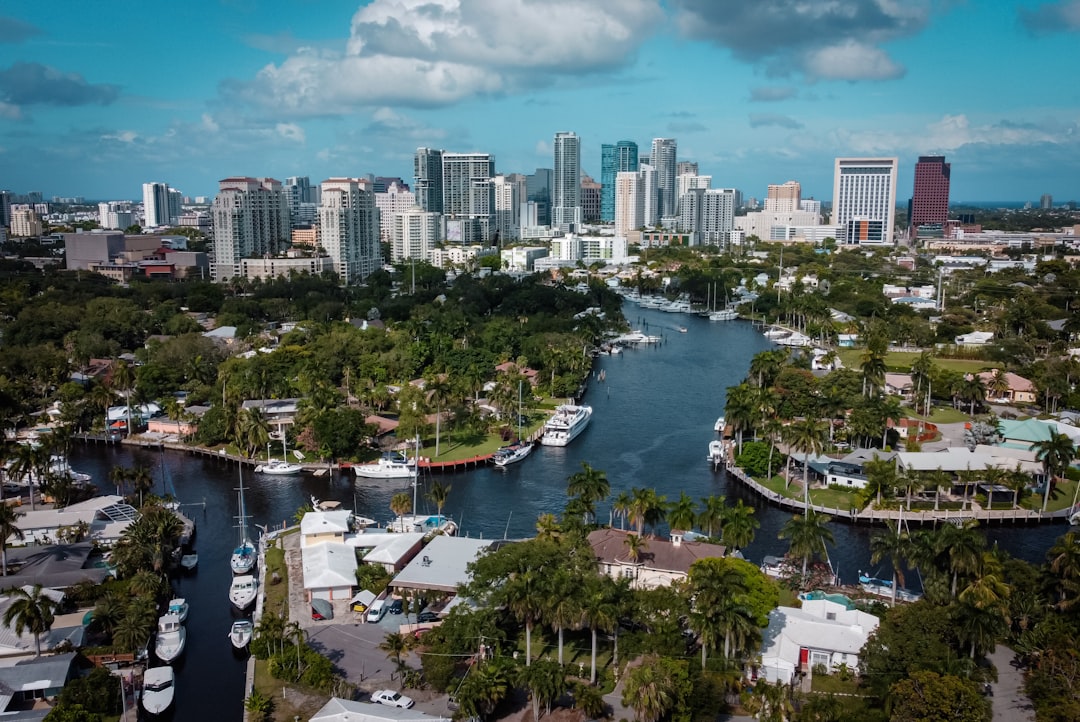
Access to off-market luxury properties in South Florida comes through one channel: a broker with active relationships inside the segment you want to buy in. There is no database, no subscription service, and no public index of off-market South Florida luxury listings. The properties move through trusted networks of agents and brokers who know each other, know each other’s clients, and have track records of closing discreet transactions without complications.
For buyers, this means the following practical steps matter:
- Work with a broker who is genuinely active in your target segment. A residential broker who rarely closes above $3 million in the specific submarket you want won’t have the relationships to surface off-market opportunities there. Ask a prospective broker directly: which listing brokers in this price range do you have ongoing relationships with?
- Be prepared before you make contact. Sellers and their brokers don’t allocate time to off-market buyers who can’t demonstrate financial qualification and genuine motivation. Proof of funds or a pre-approval letter from a recognized private bank or lender is the baseline requirement.
- Build the relationship before you need it. Buyers who engage with a broker six to twelve months before they are ready to purchase, sharing their criteria, price range, and timeline clearly, are the buyers who get the call when the right property surfaces.
- Be flexible on timing. Off-market deals move on the seller’s timeline. A seller testing the waters may not be ready to close for three to six months. Buyers who can accommodate that flexibility have a significant advantage over those who need to close within 30 days.
The access equation is direct: the right broker, with the right relationships, who knows precisely what you are looking for and can demonstrate that you are ready to move when the right property appears.
Due Diligence in an Off-Market Deal

Buying a property that hasn’t been publicly listed doesn’t reduce your due diligence obligations. In some ways it raises them. With a publicly listed property, the seller’s disclosure, photos, inspection report, and pricing history are often available before you tour. In an off-market deal, you may be working with fewer data points on price justification and property history. The inspection and legal review process needs to be thorough precisely because less information exists publicly to cross-check against.
Run the full due diligence sequence on any off-market acquisition:
- Independent inspection: Commission your own inspector regardless of what the seller has already provided. In high-end transactions, specialty inspections for roofing, HVAC, seawall integrity, and marine systems should be added to the standard inspection package.
- Seller’s disclosure: Florida law requires sellers to disclose known material defects. Get the written disclosure statement and cross-reference it against the independent inspection findings. Any discrepancy should be addressed in writing before closing.
- CLUE report: Five years of insurance claims history on the property reveals water intrusion events, storm damage, and mold remediation that a seller may not proactively disclose.
- Title search and survey: Confirm there are no liens, easements, or encumbrances that weren’t disclosed. A survey confirms property boundaries and any encroachments.
- Independent price analysis: Without public listing history, benchmark price through a qualified appraiser or a detailed broker price opinion comparing closed sales of comparable properties.
The Fair Housing Act applies equally to off-market transactions. Sellers and brokers cannot restrict access to a property based on any protected class, even in a private sale process. All qualified buyers who meet the seller’s stated financial criteria must be given equal consideration.
What You Give Up and What You Gain

Off-market purchasing involves real trade-offs. Understanding them before entering the process helps buyers approach negotiations with accurate expectations.
What you give up: Competitive market pricing is not guaranteed in either direction. Off-market properties don’t benefit from a competitive bidding process that might drive prices above asking. But they also don’t automatically come at a discount. Many off-market sellers price at or above what they believe the public market would yield, since they are offering the buyer a convenience and privacy benefit. The seller’s motivation for discretion doesn’t mean their financial expectations are below market. Buyers who approach off-market deals expecting a significant discount are often surprised.
What you gain: Selection and access to properties that would generate intense competition if listed publicly. A Coral Gables estate in excellent condition with the right water access, offered discreetly to three qualified buyers, gives a serious buyer a real shot at a property they might lose in a public bidding process with twenty competing offers. You also gain information. A private showing with a motivated seller’s broker can surface context about the property’s history, the seller’s timeline, and the terms they care most about, none of which a public listing process makes available. Well-prepared buyers use that context to write better-structured offers, not just higher-priced ones.
The buyers who succeed in South Florida’s off-market segment are patient, financially prepared, working with the right broker, and clear about what they want. Those factors matter more than any specific price point.
Common Misconceptions About Off-Market Buying

Several misconceptions about off-market luxury transactions circulate among buyers new to the segment. Correcting them early saves time and avoids misplaced expectations.
Off-market does not mean distressed. In South Florida’s luxury segment, off-market properties are often the best assets in their category, held by owners who simply have no interest in a public sale process. The sellers are not desperate. The properties are not undervalued because they haven’t listed. Distressed luxury properties, foreclosures, and estate sales at below-market prices do exist, but they are a separate category.
According to research published by Florida Realtors, South Florida’s luxury market above $3 million has maintained strong price levels supported by genuine buyer demand and limited supply. Off-market transactions in this segment reflect that strength, not a discount.
Off-market does not mean faster. The seller controls the pace of a private transaction. Some move quickly because the seller has already identified a buyer and simply wants to close. Others move slowly because the seller is testing interest while deciding whether to list publicly. A buyer who needs to close in 30 days may find that the off-market segment doesn’t fit their timeline.
Off-market access is not transferable. The relationships that surface off-market opportunities belong to the broker. Switching brokers mid-search typically means starting over with a new network and losing the rapport built with listing-side brokers who already know your criteria.
Working with MJI Realty Group in the Quiet Market
At MJI Realty Group, we have built our business around matching the right buyer with the right property before that property ever reaches a public platform. Our contact network spans South Florida’s luxury market across Miami-Dade, Broward, and Palm Beach counties. We maintain active relationships with listing brokers, estate attorneys, and other advisors whose clients are considering a sale before they have formally engaged a listing agent. That network is what surfaces off-market opportunities for our buyer clients.
We are a boutique brokerage, which means every buyer client receives direct access to senior-level expertise rather than being passed to a junior team member. Our reach is built on relationships developed over years of operating in the same market, with the same counterparts, on both sides of high-value transactions.
If you are searching for a specific type of South Florida luxury property, whether a Palm Beach estate, a Miami Beach waterfront condominium, a Coral Gables home, or a Boca Raton estate, and you are prepared to move when the right property appears, tell us what you are looking for. The conversation starts there.
Real estate decisions depend on individual circumstances. This article is general information about how off-market luxury transactions work in South Florida and is not legal or financial advice for your specific situation. Consult qualified legal counsel for guidance specific to your transaction.