When the Comps Don’t Tell the Whole Story

The standard residential appraisal works on comparables: three or more recent sales of similar properties within a reasonable distance. For most homes, that framework holds. For a 6,000-square-foot estate on a private waterway in Coral Gables, or a custom-built contemporary on a direct oceanfront lot in Palm Beach, the comparables rarely line up the way lenders and buyers expect.
South Florida’s luxury market runs on uniqueness. A direct-oceanfront estate on A1A doesn’t compare to an Intracoastal-front home two miles inland. A Mediterranean-revival mansion with original 1920s architectural details has nothing in common, for appraisal purposes, with a brand-new spec home in the same ZIP code. These properties trade infrequently, and when they do, each transaction reflects a negotiation between two parties whose specific motivations, budgets, and timelines rarely match the next comparable sale.
That gap between what the numbers say and what a property is genuinely worth is where buyers, sellers, and lenders consistently run into difficulty. Understanding how luxury values are actually determined, and where the appraisal process can break down, is practical knowledge whether you are pricing a listing, making an offer, or refinancing an estate you already own.
Three Approaches Appraisers Use to Estimate Value
Appraisers apply three valuation methods to estimate market value. In any given assignment, they weight these based on the property type, available data, and the specific characteristics of what they are valuing. According to the National Association of REALTORS, the sales comparison approach is considered the most reliable indicator of value for most residential properties. But luxury appraisals routinely demand heavier reliance on one or both of the other two methods.
Sales Comparison Approach
This is the default method for residential properties. The appraiser identifies recent sales of comparable homes, then applies adjustments for differences in size, condition, features, and location. A home with an additional guest suite gets a positive adjustment. A property without impact-rated windows might receive a negative one. The goal is a price that reflects what the subject property would sell for under current market conditions.
For luxury estates, this approach runs into problems fast. Adjustments become highly subjective when the differences between properties are large or unusual. What is a private boat dock worth in adjustments? A standalone guest house? A chef’s kitchen with custom Italian cabinetry and a temperature-controlled wine room? Appraisers can estimate these values, but when every adjustment is a judgment call, the margin of error compounds quickly.
Cost Approach
The cost approach estimates what it would cost to reproduce the property from scratch today, land included, then subtracts depreciation. For custom-built luxury homes, this method often carries significant weight, particularly when comparable sales are sparse or nonexistent.
A critical distinction applies here: reproduction cost versus replacement cost. Reproduction cost means building the exact same structure with the same materials and craftsmanship. Replacement cost means building a functionally equivalent structure using today’s standard construction methods. For an estate with hand-carved stonework, imported marble, and custom metalwork throughout, these two numbers can differ substantially. The National Association of Home Builders notes this distinction is especially significant for high-end custom construction, where standard cost manuals systematically underestimate reproduction value.
Income Approach
The income approach derives value from what the property could generate as a rental. It is primarily used for investment properties and is occasionally applied to luxury vacation homes in markets with strong short-term rental histories. For primary-residence luxury estates, it is rarely the lead method, though it may be referenced as a secondary check in markets where high-end short-term rentals are established and well-documented.
Expanding Beyond Standard Comparables
The standard appraisal guideline calls for three comparable sales within three miles, closed within the past three months. For most luxury markets in South Florida, that is an unrealistic benchmark, and experienced appraisers in this segment know it well.
Under Florida appraisal regulations, which require compliance with USPAP (Uniform Standards of Professional Appraisal Practice), appraisers have explicit latitude to expand comparable searches when a property’s market characteristics demand it. In practice, luxury appraisers in Miami-Dade, Broward, and Palm Beach routinely:
- Expand the search radius from three miles to ten miles or more
- Pull comparables from six to eighteen months back rather than the standard three months
- Cross county lines when the subject property’s specific profile is more common in an adjacent market
- Use bracketing, meaning they include one inferior comp, one superior comp, and one close match, then adjust toward the subject property from each direction
- Apply time adjustments to account for price appreciation or softening between a comp’s sale date and the current appraisal date
Each of these expanded comparables introduces additional subjectivity into the final opinion. That is why two qualified appraisers evaluating the same $3 million estate in Coral Gables or Boca Raton can return value opinions that differ by $150,000 to $300,000 or more. Neither is wrong. Both are applying professional judgment to a genuinely uncertain problem.
When a buyer’s lender and a seller’s appraiser arrive at different numbers, it is usually this divergence at work, not an error of fact. For buyers, this means the appraisal is not an independent verdict on what a property is worth. It is one professional’s estimate, constrained by the data available and the methodology selected. For sellers, it means the stronger the documentation of what makes your property distinct, the more defensible the appraisal that follows your listing.
View and Waterfront Premiums in South Florida
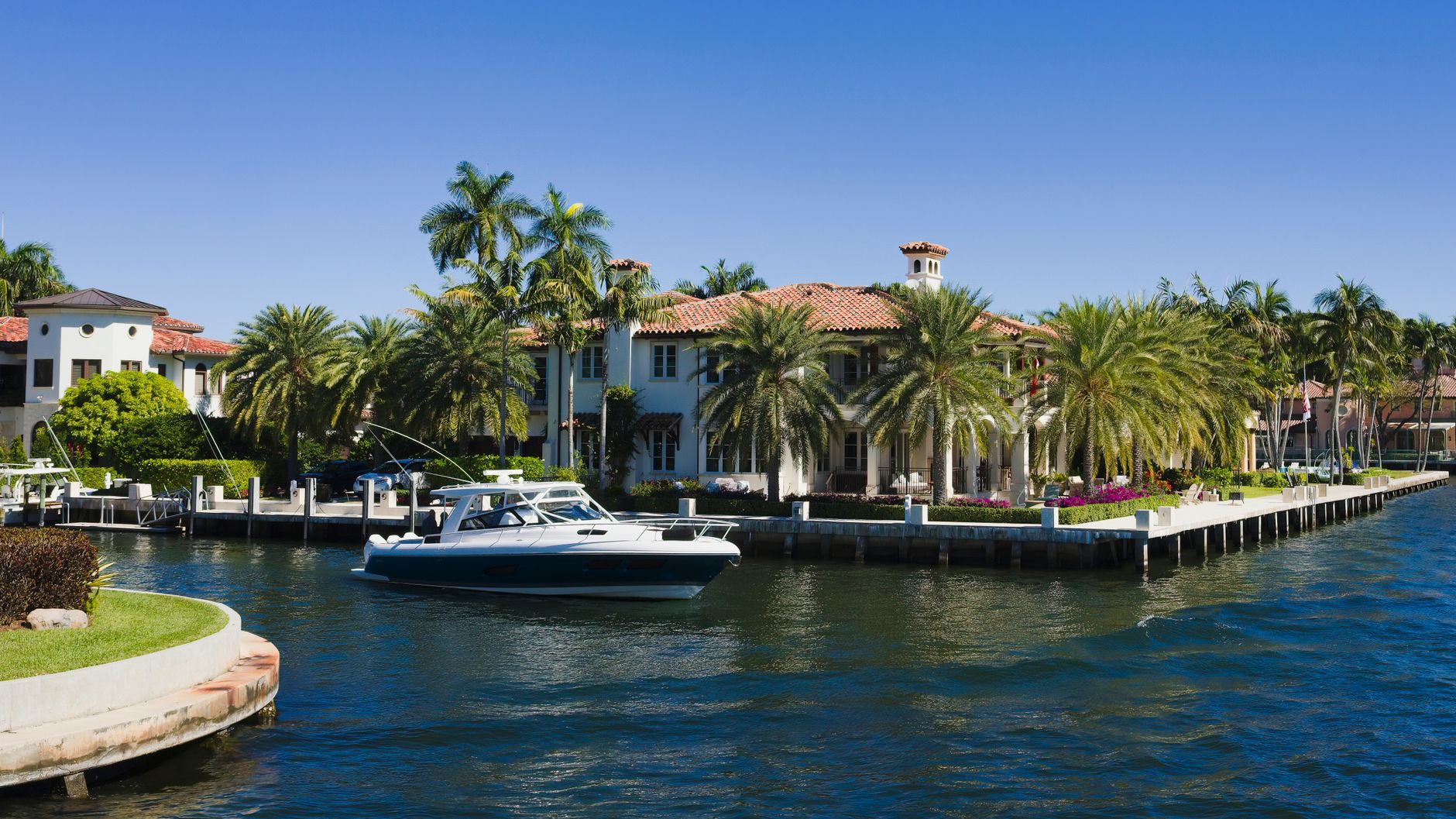
South Florida’s geography makes location premiums especially significant, and especially difficult to standardize in an appraisal. The spread between a direct-oceanfront lot and an inland lot a mile away is not a matter of simple adjustment lines on an appraisal form.
Direct-oceanfront properties on Miami Beach, Bal Harbour, or Delray Beach command premiums that simply are not comparable to anything a mile inland. Research has found the typical U.S. waterfront home is valued approximately 116% above an equivalent non-waterfront property. In South Florida’s most desirable submarkets, that premium operates at an even higher tier: direct oceanfront lots in Palm Beach or Golden Beach have traded at levels that exceed any per-square-foot adjustment a standard comp grid can produce.
Within the waterfront category, South Florida appraisers recognize a clear hierarchy of value:
- Direct ocean or beachfront: Highest premium, often 25% to 60% above comparable non-waterfront properties in the same corridor, with variance based on lot frontage, orientation, and beach width.
- Intracoastal with deep-water access and no fixed-bridge restrictions to the ocean: Strong premium, particularly for buyers who keep large vessels. The ability to reach open water without height constraints adds meaningful, measurable value in South Florida’s boating culture.
- Intracoastal with standard access in no-wake zones: Solid premium, somewhat lower than unrestricted deep-water access. Still commands substantial demand from buyers who want the waterfront experience without the full oceanfront price.
- Canal-front without Intracoastal connection: Varies widely based on canal depth, width, water quality, and distance to open water. Not all canal-front properties carry equivalent premiums, and appraisers distinguish between them.
These distinctions matter in an appraisal because the MLS label “waterfront” is a broad category that captures very different things. Whether a comparable sale is truly equivalent depends on the specific access it provides, not just the fact that it is listed as waterfront. Buyers should ask exactly what water access they are getting. Sellers should document theirs precisely: tide depth at the dock, bridge clearances, seawall condition and age, dock specifications, and lift capacity.
What Makes a Luxury Property Genuinely Hard to Value
Beyond location, several characteristics make luxury properties resistant to standard appraisal methods, and each of these requires a different kind of documentation and analysis.
Lot configuration over raw acreage
Raw lot size tells you very little about a luxury lot’s value. A 15,000-square-foot lot with 150 feet of Intracoastal frontage in Fort Lauderdale is worth substantially more than a 20,000-square-foot lot with no water access two blocks inland. Point lots, double-frontage lots, and lots with protected natural views or permanent water exposure carry premiums that comps from standard rectangular lots cannot accurately capture.
Custom construction and architectural distinction
Production homes and spec homes can be compared with reasonable precision. Custom homes, particularly those with significant architectural investment or historic significance, are different. Work by a recognized architect, a structurally distinctive design, or a historically significant structure has value that cost-per-square-foot comparisons miss entirely. Appraisers must determine how the specific buyer pool for that property type responds to that distinctiveness, which requires finding transactions where buyers specifically sought it out.
High-quality finishes and integrated systems
Luxury buyers and their appraisers pay attention to specifics: imported marble versus domestic stone, impact-resistant glazing throughout versus standard windows, a current integrated home system versus technology that is several generations old. These differences appear in the sales comparison as line-item adjustments, but the accuracy of those adjustments depends entirely on how much verified data the appraiser has from comparable transactions at that price level. When the data is thin, the adjustments are estimates.
Lifestyle amenities with limited comparable data
A dock with a 60-foot boat lift, a regulation tennis or pickleball court, a full guest cottage with a separate entrance, or an outdoor kitchen built around professional equipment: each of these is theoretically quantifiable. In practice, the appraiser is making informed estimates based on how similar features contributed to value in other sales. When those reference points don’t exist, the adjustment becomes an educated opinion rather than a data-backed conclusion. That distinction matters for both buyers and sellers when a deal reaches closing.
Condition and deferred maintenance
A luxury estate in excellent condition versus one with a fifteen-year-old roof and aging mechanical systems can differ by hundreds of thousands of dollars in value. Comps rarely match exactly on condition, and buyers in the luxury market frequently price deferred maintenance more severely than appraisal grids suggest. The cost of bringing a $5 million property up to current standard is itself substantial, and the disruption of post-closing renovation carries its own value penalty in the eyes of serious buyers.
When the Appraisal and the Asking Price Diverge
In markets where luxury transactions are frequent and data is deep, appraisals and contract prices tend to align within a few percent. In South Florida’s upper-luxury tier, the gap can be significant, and the reasons behind it are worth understanding before you get to the closing table.
Cash buyers set comps without appraisals
A substantial share of South Florida’s luxury transactions close without financing, which means no lender-required appraisal and no independent third-party check on the agreed price. When two parties agree on a number and close, that transaction enters the comp pool whether or not it reflects a neutral arm’s length market value. If the buyer had specific motivations, paid a premium for speed or privacy, or simply wanted the property badly enough to pay above what the broader market would pay, the next appraiser using that comp may be working from a skewed data point.
Unique properties can trade at premiums the standard models can’t fully capture
A buyer who specifically wants an estate with a particular view, floor plan, or lot configuration may pay 10% to 15% above what a generic model says the property is worth. That is not irrational. It reflects the buyer’s valuation of a specific combination of features that is rare in the market. Appraisers sometimes describe this as buyer-specific motivational value. It is real, but it is hard to document in a way that survives lender review, which is why financed buyers can find themselves in difficult positions when the appraiser’s number falls short of the contract price.
Off-market pricing introduces a different dynamic
Off-market luxury sales in South Florida often involve sellers who are not solely optimizing for the highest possible number. Privacy, speed, and certainty of close sometimes justify accepting a price below what an open-market campaign would achieve. When those transactions enter the comp pool, they can pull subsequent appraisals down relative to the true market value for sellers who are prepared to run a full listing process and wait for the right buyer.
The takeaway for buyers: the appraiser’s number is not an automatic ceiling or a verdict on whether you overpaid. It is one informed estimate under specific assumptions, constrained by the available data. A price above the appraised value does not mean you made an error, provided you understand why the gap exists and your financing structure accommodates it. For sellers: if your property has characteristics that the appraisal process routinely undervalues, limiting your buyer pool to financed buyers who need the appraisal to arrive at contract price is a strategic constraint worth thinking through before you go to market.
Preparing Your Property for a Strong Appraisal
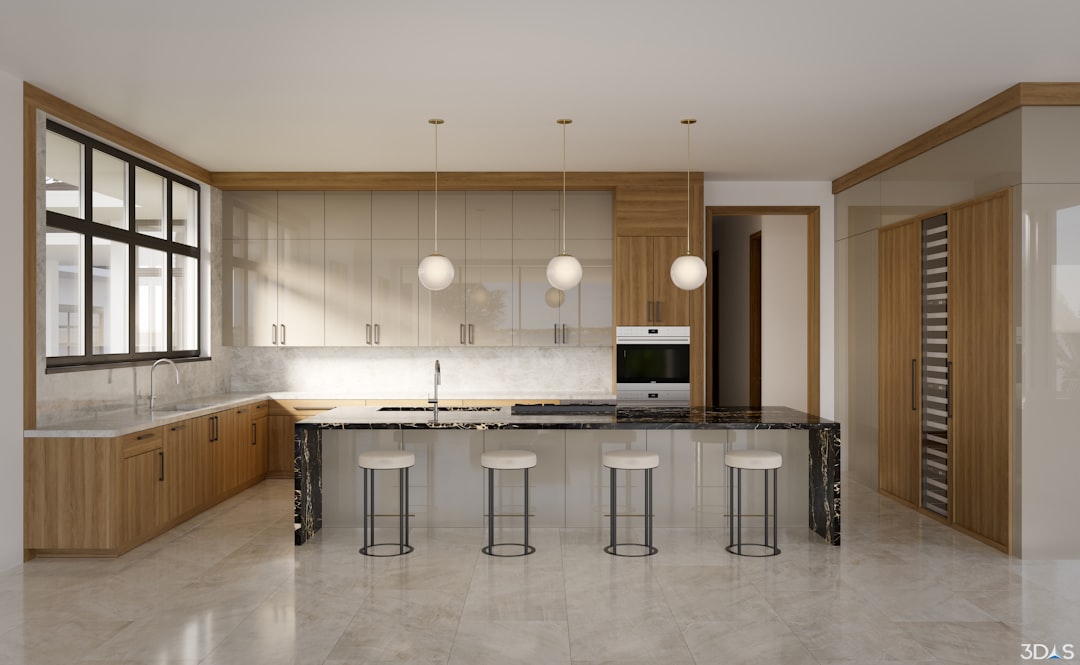
Sellers preparing for an appraisal on a luxury listing should treat it as an active presentation, not a passive event. What the appraiser knows about your property directly affects the output, and appraisers can only credit what is documented and presented to them.
Document every significant improvement
A renovation invoice showing $220,000 in primary suite and kitchen upgrades, with named-brand appliances, specific imported materials, and permitted work, is far more persuasive than a general statement that the home was recently updated. Collect permits, contractor agreements, invoices, product specifications, and warranty documentation for every major improvement completed since purchase. The more specific the evidence, the more defensible the positive adjustments become.
Prepare a comprehensive property data sheet
Your listing agent or broker should provide the appraiser with a written summary covering: exact square footage by room and total living area, ages of all major systems including roof, HVAC, plumbing, and electrical, seawall condition and last inspection date if waterfront, dock specifications including water depth at mean low tide and lift capacity, bridge clearances if applicable, and any features that are not immediately visible during a standard one-hour walkthrough. Appraisers can only credit what they know about.
Identify your own defensible comparables in advance
You know your property’s specific characteristics better than any appraiser who walks through once. Work with your broker to identify sales that are genuinely comparable to your specific combination of features, even if they require going outside the standard three-mile search radius. If a sale in an adjacent county is more similar to your property than anything nearby, make that case with documentation before the appraiser finalizes the comp selection. Presenting these comparables proactively, with a written explanation of why each one is appropriate, is entirely appropriate and often makes a material difference in the outcome.
Time the appraisal to the market cycle
South Florida’s luxury buying season peaks between October and April, when buyer activity, transaction volume, and recent sale prices are all at their strongest. A property appraised in February at the height of an active season may support higher comparable-sales adjustments than the same property appraised in mid-July. Where you have flexibility, timing matters.
Address condition issues before the appraisal
Visible deferred maintenance drags appraisals down in ways that often exceed the actual repair cost. A buyer paying $4.5 million for an estate with a visible roofing issue is absorbing both a cost and a risk, and appraisers price condition aggressively at the high end. The appraisal penalty for known condition deficiencies is frequently larger than what a qualified contractor would charge to fix the underlying problem before the appraiser arrives.
Getting the Right Representation Before You Negotiate
For buyers and sellers in South Florida’s luxury market, understanding how value is determined is as important as knowing the list price. A number that appears below market does not mean the property is not worth the ask. An appraisal that comes in short does not automatically mean a deal needs to fall apart. What matters is understanding why the gap exists, whether the appraiser was working with the right comparables, and whether the property’s actual characteristics are properly documented and credited.
MJI Realty Group works with buyers and sellers in this market at exactly that level of detail. When a property lacks straightforward comparables, the right representation makes the difference between a deal that closes and one that stalls at the appraisal stage. Our familiarity with how South Florida luxury properties are actually valued, what documentation appraisers respond to, and how to structure offers that account for appraisal risk gives clients a concrete advantage at every stage of a transaction.
Whether you are buying a South Florida estate for the first time or selling a property you have held for fifteen years, reach out to discuss your situation directly. Real estate decisions depend on individual circumstances; this is general information, not legal, tax, or investment advice for your specific situation.