Why Three States Dominate the Relocation Map
Every year, thousands of high earners and retirees leave California, New York, New Jersey, and Illinois for states with no personal income tax. The savings are real. A household carrying $500,000 in annual income and capital gains pays zero state income tax in Florida, Texas, and Tennessee, compared to $54,000 or more in California and $35,000 or more in New York.
Florida, Texas, and Tennessee consistently rank as the top destinations for this migration. But the income tax headline is only the starting point. When you are relocating your primary residence, your estate base, and possibly your business operations, the full picture matters: property tax rates, sales tax exposure, insurance costs, real estate values, market depth, and the practical realities of owning property in each place.
South Florida has absorbed the largest share of high-net-worth relocation over the past decade. Miami-Dade, Broward, and Palm Beach counties have drawn buyers from the Northeast, concentrated in the luxury and estate tier. Texas, led by Austin and Dallas, has become the primary destination for California migration. Tennessee, anchored by Nashville and its southern suburbs of Brentwood and Franklin, has attracted buyers who want the no-income-tax benefit alongside lower real estate costs and a quieter quality of life.
This comparison covers all three states across every dimension that affects your real cost of ownership and your decision about where to establish your home base.
The Tax Picture: Income, Sales, and Beyond
All three states have identical income tax policies: there is none. Florida, Texas, and Tennessee impose no personal income tax. Wages, salaries, business distributions, capital gains, dividends, interest, Social Security, pension income, and IRA withdrawals are all exempt from state tax. The federal tax bill does not change, but the state layer disappears entirely.
That baseline is where the simplicity ends.
Sales tax creates the sharpest secondary difference. Tennessee averages a combined state and local sales tax of approximately 9.55%, the highest effective average in the country. Florida averages around 7%. Texas caps at 8.25%. For a household spending $400,000 per year on taxable goods and services, Tennessee costs roughly $10,000 more per year in sales tax than Florida. That gap matters, particularly for high-spending retirees and families with significant discretionary consumption.
None of the three states impose an estate or inheritance tax. Florida does charge a documentary stamp tax on real estate transfers at $0.70 per $100 of consideration, which adds approximately $21,000 in one-time transaction costs on a $3 million purchase. This is a closing cost, not an ongoing liability, and both buyers and sellers should account for it upfront in their transaction math.
For any household whose primary financial objective is eliminating income and capital gains taxes at the state level, all three states accomplish that goal equally. The differences in sales tax, property tax, and insurance are real costs that compound over years, but they are secondary to the income tax savings for most high-income relocators making this decision.
Property Taxes: Rates, Protections, and What You Really Pay
Property taxes represent the most significant ongoing tax difference among the three states, and the gap is large enough to materially affect purchasing decisions on specific assets.
The 2026 effective property tax rates, per Tax Foundation data, tell the story directly:
- Tennessee: 0.64% effective rate
- Florida: 0.86% effective rate
- Texas: 1.245% effective rate
On a $3 million estate-class property, those rates produce very different annual bills: approximately $19,200 in Tennessee, $25,800 in Florida, and $37,350 in Texas. The difference between Florida and Texas alone exceeds $11,500 per year. Over a decade, that gap grows to more than $115,000 in additional property tax paid on the same asset.
Florida’s rates vary by county. Broward County runs closer to 1.00% effective. Miami-Dade and Palm Beach County are near the 0.86% state average. Buyers comparing properties across county lines within Florida should verify the specific millage rate at each address before finalizing cost-of-ownership projections.
Florida homeowners who establish a primary residence gain two major protections that reduce the effective rate over time. The homestead exemption removes the first $25,000 of assessed value from all property taxes and an additional $25,000 from non-school taxes. More significantly, the Save Our Homes amendment caps annual assessment increases at 3% or the rate of inflation, whichever is lower, regardless of how the market performs. On a property that gains $500,000 in market value over five years, Save Our Homes limits the taxable increase to roughly $150,000 instead of $500,000, producing meaningful long-term tax savings compared to the purchase-year assessment.
When a Florida homestead owner sells and buys a new Florida primary residence, they can transfer up to $500,000 of their accumulated Save Our Homes benefit through portability. The Florida Department of Revenue details the full schedule of available exemptions and portability rules. Texas introduced a $100,000 homestead exemption from school taxes in 2023, a meaningful reduction, but it carries no Save Our Homes-style assessment cap, so taxable values rise with the market every year.
Real Estate Markets: What Your Money Buys
All three states have active luxury markets with distinct characteristics. Price points, inventory, product type, and long-term appreciation patterns differ enough that the choice of state often shapes the type of property a buyer ends up with, as much as any lifestyle preference does.
South Florida
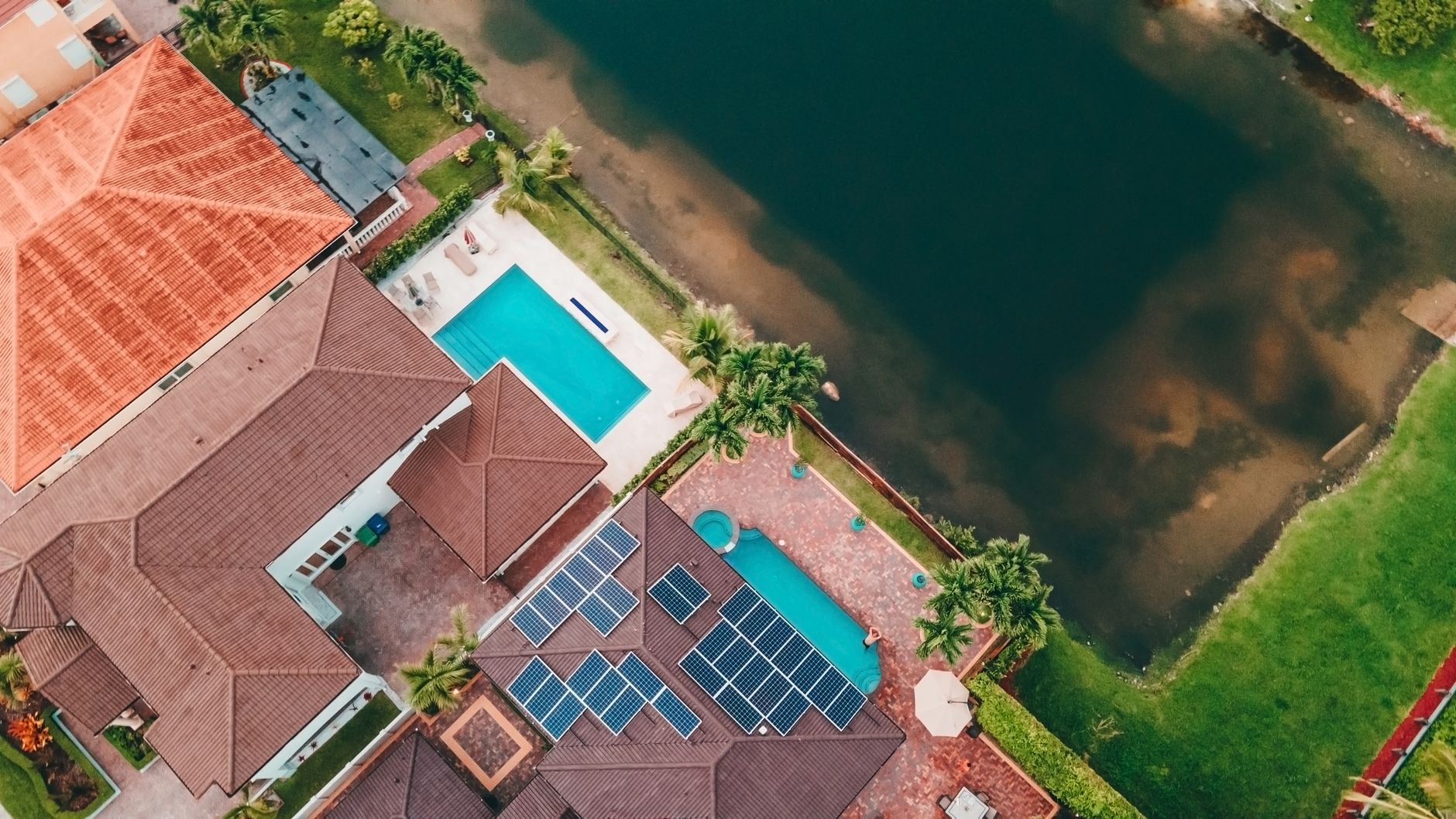
South Florida’s luxury segment has been one of the most active in the country since 2020. Combined sales of homes priced at $1 million and above rose more than 21% year over year in early 2026, per Miami Association of Realtors data, with ultra-luxury transactions above $10 million setting records in volume. Cash buyers represent a disproportionately large share of the luxury market, insulating the upper tier from mortgage rate sensitivity that affects lower price points.
The South Florida advantage is water. Miami-Dade, Broward, and Palm Beach counties each contain hundreds of properties with direct deepwater access, Intracoastal frontage, or ocean views. At $2 million in South Florida, buyers find a waterfront pool home in Coral Gables with direct boating access, a large estate in Weston or Parkland, a luxury condo in a building with hotel-grade amenities, or a pre-construction unit in one of Miami’s active luxury tower projects.
Median prices for single-family homes in Miami-Dade are approximately $650,000 to $700,000. The luxury tier begins around $1.5 million and has no defined ceiling given the volume of properties trading above $5 million. According to Florida Realtors, the South Florida luxury market has sustained demand even as mortgage rate increases moderated activity in entry-level segments statewide, a pattern consistent with high-net-worth buyer behavior nationally.
Nashville, Tennessee

Nashville’s luxury market is anchored by the Belle Meade, Green Hills, and Forest Hills corridors inside the city, along with Brentwood and Franklin to the south. The luxury median sale price sits around $2.28 million as of mid-2026. At $2 million, buyers typically find estate-style homes on substantial lots, often an acre or more, with four to six bedrooms and mature tree coverage. There is no meaningful deepwater or ocean frontage within Nashville proper, though properties on Old Hickory Lake and Percy Priest Lake exist in the broader metro area.
Nashville appreciated rapidly through 2022 and has since settled into a more stable price pattern. The market delivers better value per square foot than South Florida in the luxury tier, and lower insurance costs combined with the lowest property tax rate of the three states reduce annual carrying costs. The tradeoff is a landlocked location and a climate that includes genuine winters, hot summers, and the occasional severe storm.
Austin, Texas
Austin’s luxury market ran through a 12% peak-to-trough correction between mid-2022 and late 2024 after prices outpaced fundamentals during the pandemic years. The market has stabilized, with a luxury median around $2.6 million. Prime locations, Tarrytown and Clarksville close to downtown, West Lake Hills and Rollingwood across the Colorado River, and Barton Creek in the hill country, offer architecturally interesting custom homes on generous lots.
Austin’s trajectory has been driven by technology company relocations and the associated executive migration from California. Contemporary and modern architecture is more prevalent here than in Miami or Nashville, and hill country lots offer privacy and views that urban Florida properties cannot provide. Property taxes remain the consistent financial headwind: even after the 2023 homestead exemption expansion, an Austin luxury buyer pays $25,000 to $40,000 more per year in property taxes on a $3 million home than a comparable South Florida buyer. For buyers building equity through appreciation over a 10 to 20 year hold, that ongoing annual cost is a significant drag on net return.
Insurance Costs: The Variable Most Buyers Miss
Property taxes appear in every listing’s monthly cost estimate. Insurance is harder to quantify until you have a specific address, and in South Florida, it can become the largest single variable in annual cost of ownership outside of the mortgage itself.
Florida homeowners insurance has hardened significantly in recent years. Following major storm events and subsequent carrier exits from the state market, premiums have increased and coverage options have narrowed. For a luxury home in a coastal South Florida county, annual homeowners insurance commonly runs $8,000 to $20,000 or more, depending on construction age, building materials, replacement cost, wind mitigation features, and proximity to the coast. Properties with impact-resistant windows, hip roofs, and concrete block construction are rated more favorably than older wood-frame structures.
Flood insurance is a separate policy that applies to many coastal South Florida properties. FEMA’s National Flood Insurance Program provides base building coverage up to $250,000. A $3 million property requires supplemental private flood coverage above that threshold, which adds $3,000 to $10,000 or more per year depending on the flood zone designation and the property’s base flood elevation.
Texas is not straightforwardly cheaper on insurance. Wind, hail, and tornado exposure in Dallas, Fort Worth, and Houston has driven premiums meaningfully higher in recent years, and carriers have reduced capacity in some Texas markets. Coastal Texas faces hurricane exposure comparable to South Florida. Buyers focused on inland Texas metros often assume a large insurance advantage over Florida that turns out to be smaller than expected once actual quotes are in hand.
Tennessee offers the most moderate insurance environment of the three states. A $2 million Nashville property can typically be insured for $5,000 to $8,000 per year, given the absence of coastal risk and more limited catastrophic storm exposure. Tennessee does experience tornadoes in its western regions, and buyers in those markets should review coverage carefully.
The practical instruction for any Florida buyer: get insurance estimates from admitted carriers before making an offer on a specific property. Sellers’ current policies may not be reassignable to a new buyer and may reflect legacy pricing that does not represent what a new policy will cost today.
Lifestyle and Location: What the Numbers Don’t Show
Buyers who have run the numbers across all three states and found the tax and cost differences manageable in any direction often make their final decision on lifestyle factors. At high income levels, the spreadsheet differences are real but not always decisive. Where you actually want to live carries significant weight when you are talking about a primary residence you plan to hold for decades.
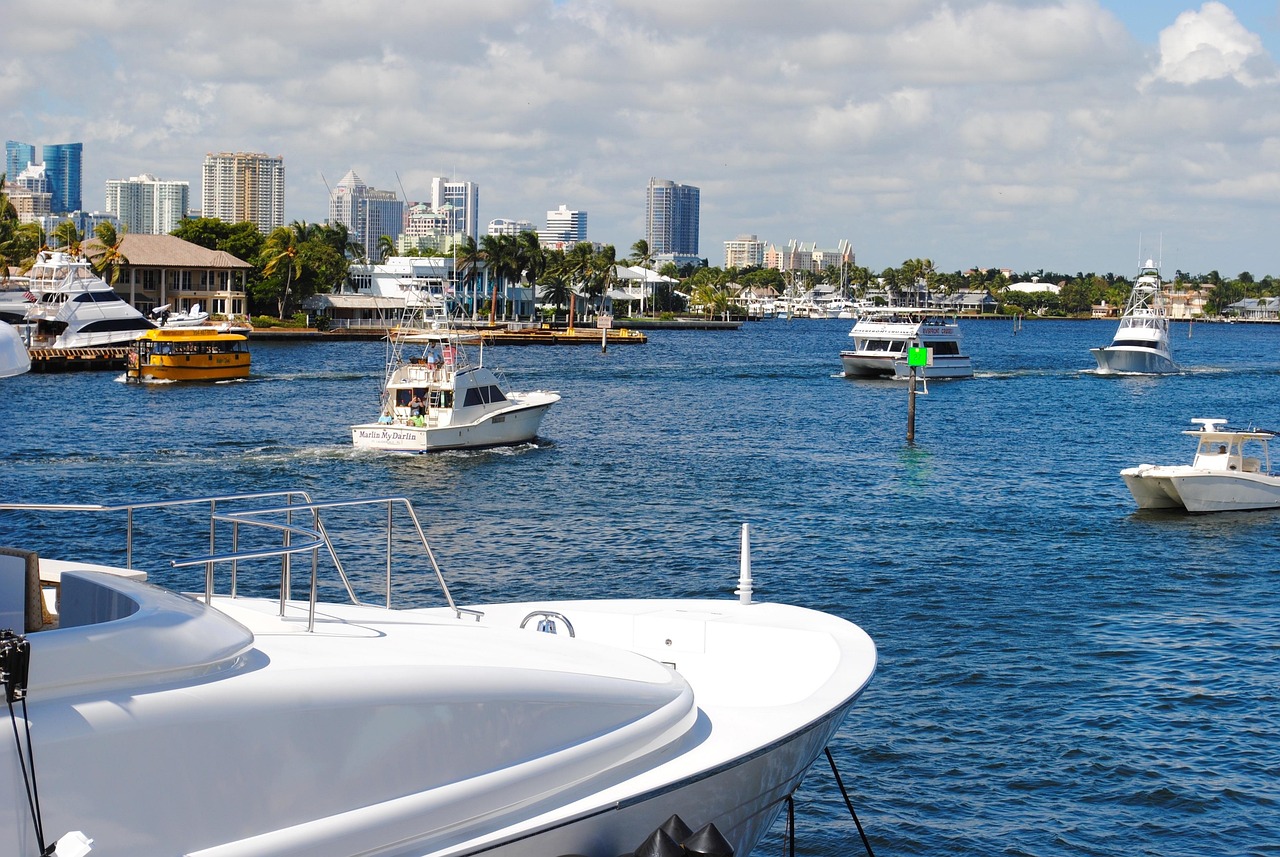
Florida offers something Texas and Tennessee cannot: coastline and year-round warm weather. The Atlantic coast from Miami north through Palm Beach and the Gulf coast from Naples through Sarasota give South Florida buyers access to deepwater boating, sport fishing, sailing, and waterfront living that has no equivalent inland. The Intracoastal Waterway runs the full length of Southeast Florida’s coast with direct residential access from hundreds of properties. For buyers whose lifestyle centers on water, the choice becomes nearly self-selecting.
South Florida operates as a genuinely international environment at the luxury tier. Miami’s arts, dining, fashion, and finance communities draw a global population that few American cities match in concentration. Palm Beach carries a quieter exclusivity anchored around cultural institutions, philanthropy, and a seasonal social calendar. Fort Lauderdale has built a serious luxury market centered on Intracoastal estates and yachting culture, with lower price points than Miami or Palm Beach for comparable waterfront access.
Nashville draws buyers who want four seasons, rolling hills, a nationally recognized food and music culture, and substantial estate properties at prices well below South Florida. Brentwood and Franklin offer large homes on large lots with a lower-density character that appeals to buyers arriving from crowded northeastern cities. Hot and humid summers and occasional ice storms in winter are genuine adjustments for buyers relocating from either coast.
Austin combines a dynamic technology and entrepreneurship culture with access to the Texas hill country. The tradeoffs are real: summers regularly exceed 100 degrees, infrastructure strain from rapid growth remains an active issue, and reaching a beach requires either a long drive to the Gulf Coast or a flight elsewhere. For buyers with professional or business roots in the Texas economy, Austin makes clear sense. For buyers without a specific Texas anchor, the lifestyle calculus is harder to resolve in Austin’s favor against South Florida’s combination of climate, coastline, and urban culture.
One practical factor that consistently tips decisions toward Florida: time zone. Eastern time maintains full alignment with New York trading hours, London morning calls, and Latin American business contacts. A Miami or Palm Beach-based executive stays in the same time zone as the major financial and professional centers of the East Coast. Austin operates two hours behind New York and seven hours behind London, which matters significantly for buyers who take early-morning or international calls as a routine part of business.
The Investment Property Angle
Buyers who plan to acquire investment properties alongside a primary residence should weigh each state’s rules independently. The no-income-tax benefit extends to rental income as well as personal income, but property tax treatment differs significantly between primary residences and investment holdings in each state.
In Florida, investment properties without a homestead exemption are assessed at full market value each year. Save Our Homes does not apply to non-homesteaded property, and there is no portability benefit for investment assets. The effective tax rate on Florida investment property runs close to the full county millage rate, generally 1.0% to 1.2% in Broward and Miami-Dade. That is competitive against Texas but notably higher than Tennessee for income-focused buyers modeling cap rates.
In Texas, every investment property carries the full 1.245% or higher effective rate with limited exemptions for non-primary-residence holdings. Strong rental demand in Houston and Dallas supports purchase prices, but investors building income portfolios should model the property tax line carefully against projected net operating income before settling on a cap rate assumption.
In Tennessee, Nashville imposed significant restrictions on new short-term rental permits in Davidson County beginning in 2023. New permits for Airbnb-style rentals are substantially limited under current rules. Long-term rental investment in Nashville and Knoxville remains viable, and the 0.64% effective property tax rate produces more favorable cap rate math than either Florida or Texas for income-focused buyers.
South Florida’s commercial real estate sector adds a dimension for buyers acquiring commercial assets alongside residential holdings. The industrial, retail, mixed-use, and multifamily markets in Miami-Dade, Broward, and Palm Beach offer transaction volume and asset variety that Nashville and Austin cannot match in scale. For buyers relocating both their personal estate and their business or investment base to a single state, South Florida’s commercial market depth is a meaningful practical advantage that does not appear on a tax comparison chart.
Finding the Right Fit for Your Move
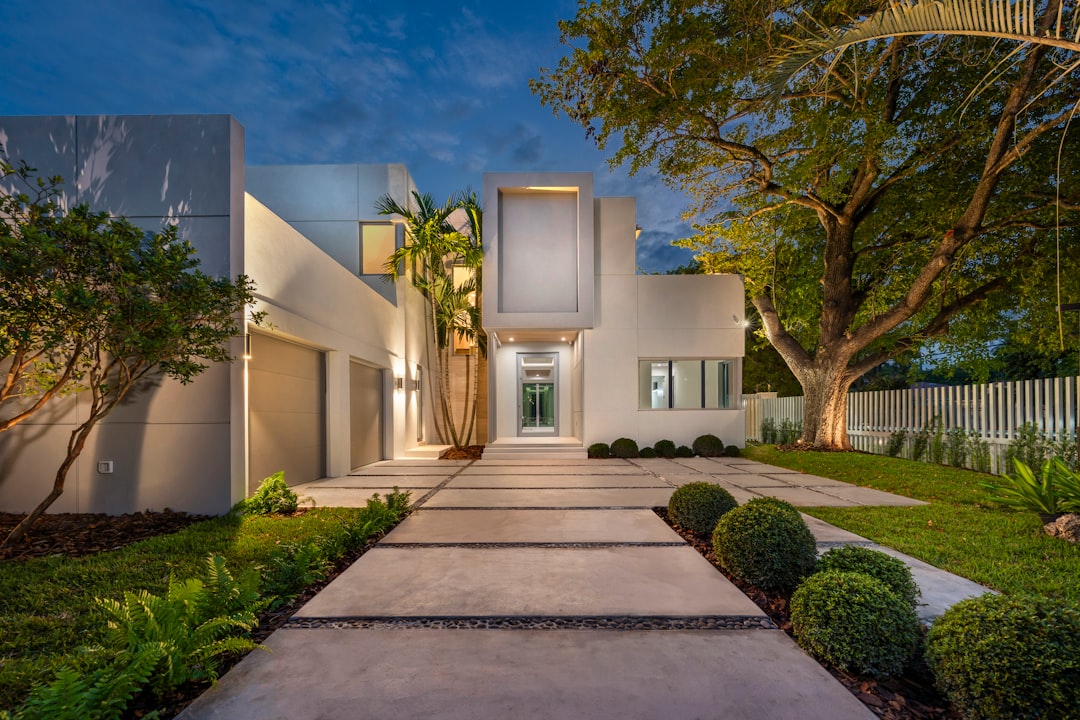
The decision among Florida, Texas, and Tennessee is not about which state has the best tax policy. All three eliminate the income tax liability that drives most high earners to relocate in the first place. The real decision is about which state fits your specific combination of real estate goals, lifestyle priorities, and total cost of ownership over the years you plan to hold the property.
- Choose Florida if waterfront living, year-round warm weather, or time zone alignment with Eastern business hours matters to you. South Florida’s real estate market has depth and liquidity that the other two states cannot match in the luxury tier, and the combination of Save Our Homes, homestead portability, and a moderate property tax rate makes long-term Florida ownership increasingly favorable compared to what the purchase-year numbers alone suggest.
- Choose Tennessee if you want the lowest ongoing property tax rate of the three states, moderate insurance costs, a four-season climate, and a lower cost of entry in the luxury tier than South Florida commands. Nashville’s luxury neighborhoods offer substantial estate properties at prices that remain well below comparable South Florida markets.
- Choose Texas if you have direct professional ties to the Texas economy in energy, technology, or healthcare, and can absorb the highest property tax burden of the three states. The insurance costs are not the savings many buyers anticipate, particularly in coastal and severe-weather corridors.
At MJI Realty Group, we work with buyers and sellers across South Florida’s luxury and premium markets in Miami-Dade, Broward, and Palm Beach. If you are relocating from a high-tax state and want direct guidance on specific neighborhoods, total cost of ownership for a property type, or access to inventory that does not reach the open market, we are available to help you work through the details.
Real estate decisions depend on individual circumstances. This article is general information, not legal, tax, or investment advice for your specific situation.