Why Jumbo Financing Drives South Florida’s Luxury Market

Most luxury home purchases in Miami-Dade, Broward, and Palm Beach counties do not fit inside a conventional mortgage. The moment a buyer’s loan amount crosses $832,750, the loan is jumbo, and jumbo underwriting plays by a different set of rules than the mortgage most Florida homeowners are used to.
That threshold matters because it is not a luxury-only line. A well-located four-bedroom home in Boca Raton or a renovated bungalow in Coral Gables can push a buyer into jumbo territory with a fairly ordinary down payment. For estate-class properties on the water in Palm Beach or Fort Lauderdale, jumbo financing is not the exception. It is the only financing option that applies.
At MJI Realty Group, we work with buyers across the full range, from all-cash purchases to jumbo loans stretching into eight figures, and the financing conversation is often what separates an offer that closes on time from one that stalls. Understanding what a lender actually wants to see, before an offer goes in, is what keeps a South Florida luxury purchase moving.
What Makes a Mortgage Jumbo in Florida

The Federal Housing Finance Agency sets the conforming loan limit each year based on national home price changes. For 2026, the baseline limit for a one-unit property is $832,750, up from $806,500 in 2025. Miami-Dade, Broward, and Palm Beach counties all use this baseline figure. Any single-family loan above that amount is jumbo, meaning it falls outside what Fannie Mae and Freddie Mac will purchase and instead relies on a bank, credit union, or private lender’s own underwriting standards.
Florida has one exception worth knowing. Monroe County, which covers the Florida Keys, is designated a high-cost area and carries a higher conforming limit of $990,150. Everywhere else in the state, including the three core South Florida counties, the $832,750 baseline applies.
Because jumbo loans are not backed by a government-sponsored enterprise, the lender carries more of the risk directly. That is the entire reason jumbo underwriting looks different: larger down payments, deeper reserve requirements, and closer scrutiny of income and assets than a conforming buyer typically encounters.
What Lenders Require to Approve a Jumbo Loan

Jumbo underwriting is stricter across every category a lender evaluates, and the gap widens as the loan amount climbs. A buyer financing $1.2 million faces different requirements than one financing $6 million, but the categories stay the same:
- Down payment: Most jumbo lenders in Florida require 10 to 20 percent down. Borrowers with excellent credit (740 or higher) and strong liquid reserves can sometimes secure 10 percent down, while loans above roughly $2.5 million typically push closer to 20 percent or more.
- Credit score: A minimum of 700 is common, though the most competitive rates go to borrowers at 740 and above.
- Cash reserves: Lenders want proof a buyer can keep making payments if income stops. Standard jumbo loans generally require 6 to 12 months of principal, interest, taxes, insurance, and association dues held in reserve. Larger loans can require 12 to 24 months. Many lenders will count 60 to 70 percent of eligible retirement account balances toward this requirement.
- Debt-to-income ratio: Most jumbo programs cap total monthly debt, including the new mortgage, at 43 to 45 percent of gross monthly income, though some lenders allow more with compensating factors like high reserves.
- Documentation: Full income verification, tax returns, and asset statements are standard for W-2 borrowers. Self-employed buyers and business owners typically need two years of returns and profit-and-loss statements.
None of these requirements are unusual for a high-net-worth buyer, but they take time to assemble. Buyers who gather bank statements, tax returns, and proof of reserves before writing an offer move through underwriting faster once a South Florida seller accepts a contract with a tight closing window.
Rates, Points, and Closing Costs on Jumbo Loans

Jumbo rates move with the broader mortgage market but do not always track conforming rates exactly. As of mid-2026, the national average 30-year fixed jumbo rate sits in the mid 6 percent range, and lenders adjust pricing based on loan size, down payment, and credit profile. Buyers financing well above the conforming limit, or seeking interest-only structures, often pay a modest rate premium over a conforming borrower with similar credit. Current benchmark mortgage rate data is published weekly by the Federal Reserve Bank of St. Louis.
Florida adds a state-specific cost that catches out-of-state buyers by surprise: documentary stamp tax. Under Florida law, a recorded mortgage is taxed at 35 cents per $100 of the loan amount, with no cap, according to the Florida Department of Revenue. On a $3 million jumbo loan, that is $10,500 due at closing on the mortgage alone, separate from the documentary stamp tax owed on the deed itself. Buyers should build this into their closing cost estimate early, not discover it on the settlement statement.
One more detail worth flagging for high-balance borrowers: mortgage interest is only deductible on the first $750,000 of acquisition debt for loans originated after 2017, per IRS Publication 936. On a jumbo loan well above that figure, a meaningful share of the interest paid is not deductible, which is a conversation worth having with a tax professional before deciding how much to finance versus pay in cash.
Non-QM Paths for Investors and High-Net-Worth Buyers
Not every buyer fits a traditional W-2 underwriting model, and Florida’s non-QM market has grown to serve exactly that gap. These programs cost more in rate than a standard jumbo loan, but they open financing to buyers who would otherwise need to pay cash.
DSCR Loans for Investment Property
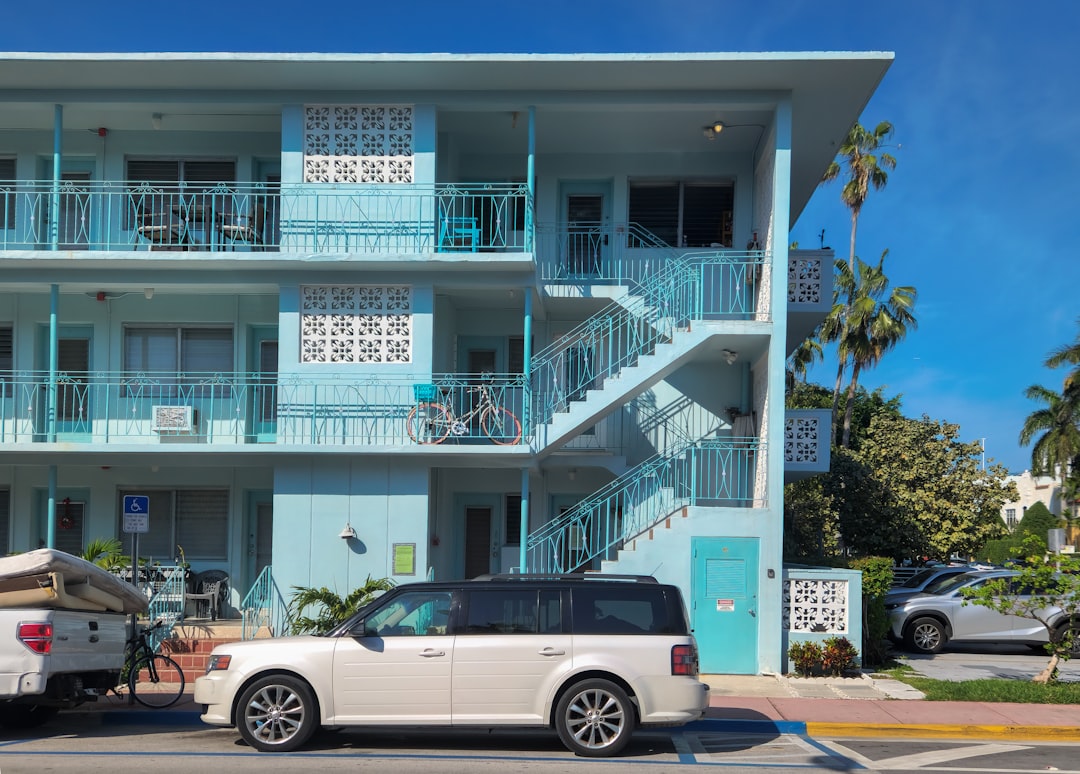
A debt service coverage ratio loan qualifies a borrower based on the rental income the property generates rather than the borrower’s personal income or tax returns. Lenders compare projected or in-place rent against the proposed mortgage payment. A ratio at or above 1.0 means the rent covers the debt service; most lenders want to see 1.15 to 1.25 or higher for the best pricing. DSCR loans are widely used across South Florida for condo and single-family rental purchases, and they let an investor scale a portfolio without each new loan hitting a personal debt-to-income wall.
Asset Depletion Loans for Retirees and High-Net-Worth Buyers
An asset-depletion loan converts liquid savings and investment balances into a qualifying monthly income figure, dividing the asset total over a set term rather than requiring traditional employment income. This structure is common among retirees, sellers of a business, and international buyers who hold substantial assets but limited documented U.S. income. It lets a buyer with $8 million in a brokerage account qualify for a jumbo mortgage on paper strength rather than a pay stub, which matters for a Palm Beach or Naples buyer who is asset-rich and recently retired.
Jumbo Loans on Luxury Condos: Extra Scrutiny
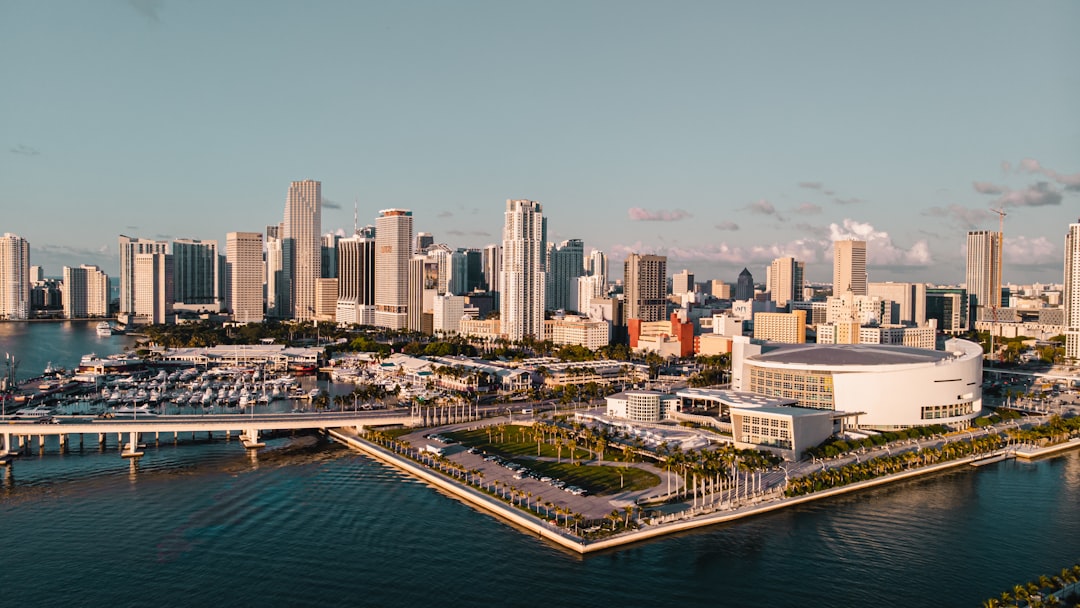
Financing a condo, even a well-appointed unit in a Brickell high-rise or a beachfront building in Fort Lauderdale, adds a layer of underwriting that single-family buyers never encounter. Because jumbo loans are not sold to Fannie Mae or Freddie Mac, a lender is not bound by the standard condo project review rules, but most portfolio lenders run their own version anyway, and it can be just as strict.
Lenders typically want to see the condo association’s budget, reserve study, and litigation history before approving financing on a unit inside that building. A building with underfunded reserves, a pending special assessment, or active litigation can cause a lender to decline the loan entirely or price it higher, regardless of how strong the individual borrower’s credit and income look. In the years since the Surfside condominium collapse, Florida associations face stricter structural inspection and reserve funding requirements, and lenders have grown more conservative about buildings that have not completed required inspections or have deferred major reserve contributions.
Buyers under contract on a South Florida luxury condo should ask their lender to review the building’s condo questionnaire early, ideally before the inspection period closes, rather than discovering a financing problem days before closing.
Appraisal Challenges and Rate Locks on Luxury Properties

Unique luxury properties create a genuine appraisal problem: there often are not enough truly comparable sales nearby to support a straightforward valuation. A custom estate on two acres in Palm Beach, or a penthouse with a private rooftop pool, may have only a handful of realistic comps within the same submarket, and appraisers sometimes have to reach outside the immediate area or make larger adjustments than a conforming loan appraisal ever requires. Buyers should expect the appraisal process on a high-value property to take longer and, occasionally, to come in below the contract price, which is why many luxury purchase contracts include an appraisal gap provision spelling out who covers the difference.
Rate locks add another timing variable. Most jumbo lenders offer lock periods of 30 to 60 days, and locking too early on a property with an uncertain closing date can mean paying an extension fee if the transaction slips. Coordinating the rate lock with a realistic closing timeline, built around the title search, condo questionnaire review if applicable, and appraisal turnaround, keeps a buyer from losing a favorable rate to a delay that had nothing to do with financing itself.
Cash, Jumbo, or Both: Structuring the Purchase
Plenty of South Florida luxury buyers can pay cash and choose to finance anyway. The decision usually comes down to opportunity cost: whether the return on keeping capital invested elsewhere outweighs the interest cost on the loan, and whether the mortgage interest deduction cap changes that math. A cash offer also carries real negotiating weight in a competitive listing, since it removes appraisal and financing contingencies that can slow a closing.
Other buyers structure a purchase as cash upfront with a delayed jumbo or cash-out refinance once the transaction closes, which can strengthen an offer in a multiple-bid situation while still putting long-term financing in place. There is no universal right answer. It depends on the buyer’s liquidity, tax position, and how quickly the deal needs to close. This is precisely the kind of decision worth working through with a lender and a broker before an offer goes in, not after.
Choosing the Right Lending Team for a Jumbo Purchase

Jumbo financing rewards preparation. A buyer who has pre-qualified with a lender experienced in Florida jumbo and non-QM products, with reserves documented and a clear sense of the total closing cost picture including documentary stamp tax, is the buyer who can move fast when the right property comes on the market, whether it is listed publicly or offered off-market through a broker’s private network.
At MJI Realty Group, we work directly with lenders who specialize in South Florida jumbo, DSCR, and asset-depletion products, and we help buyers understand exactly what a given property will require before they write an offer. Our market expertise sets us apart, and we value your time enough not to send a buyer into a contract without a clear financing path already in place.
Real estate decisions depend on individual circumstances, including credit profile, tax situation, and long-term goals. This article is general information, not legal, tax, or investment advice for your specific situation, and buyers should confirm current rates, terms, and deductibility rules with a licensed lender and tax professional before committing to a loan structure.