Florida’s 2026 Housing Market Isn’t One Market
A seller in Coral Gables and a seller in Jacksonville are living in two different markets right now, even though they both hold a Florida deed. Miami-Dade’s median sale price sat at $573,398 in April 2026, down 2.3% from a year earlier. Broward’s median climbed to $458,170, up 0.7%. Tampa Bay and Orlando, meanwhile, are posting price gains in the $380,000 to $440,000 and $370,000 to $410,000 ranges respectively, according to regional data compiled by Florida Realtors.
That split matters for anyone buying, selling, or holding property anywhere in the state. South Florida’s luxury and waterfront segments are absorbing higher inventory and slower days on market after several years of rapid appreciation. Central and North Florida markets, still catching up on pricing relative to the coasts, are seeing steadier upward movement. Statewide, the median closed price has ranged between roughly $394,000 and $425,000 depending on the month and the data source, a stabilization pattern after two years of sharper swings.
For buyers and sellers who treat “the Florida market” as a single number, that’s a costly mistake. The right pricing strategy, timing, and negotiating posture depend entirely on which region, and often which zip code, a property sits in.
This report walks through what’s happening county by county and metro by metro, why the gap has opened up, and what it means whether you’re buying a waterfront estate in Palm Beach, an investment property in Tampa, or comparing a South Florida sale against a Central Florida purchase.
South Florida Prices: Miami-Dade, Broward, and Palm Beach
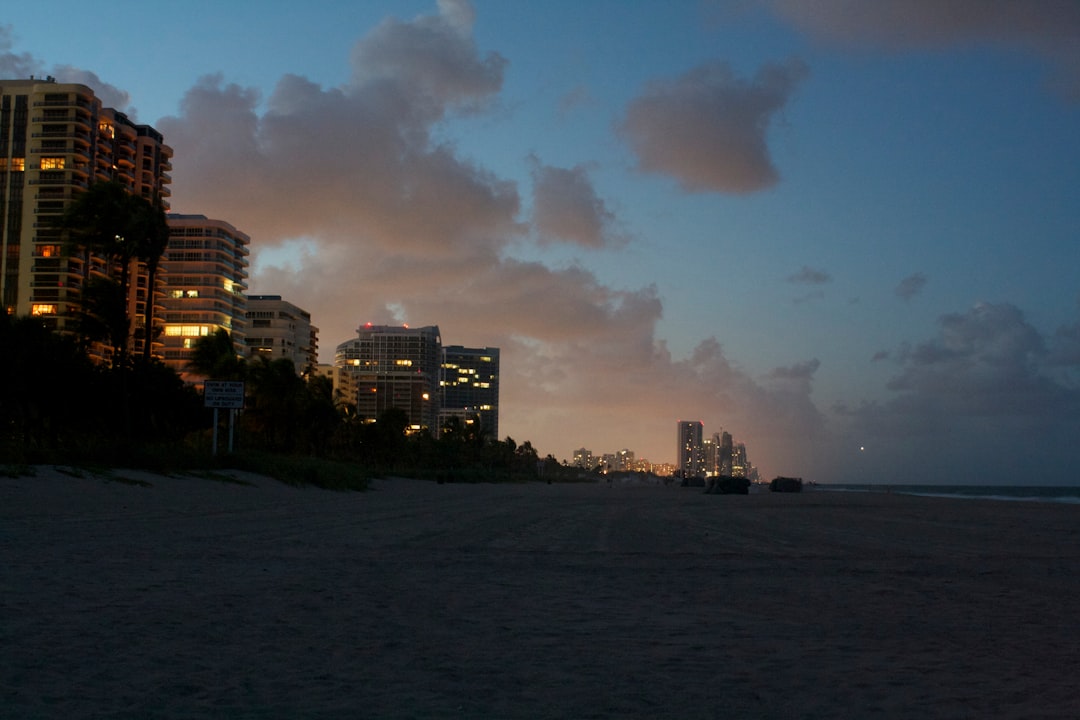
South Florida’s three core counties are each telling a slightly different story. Miami-Dade’s median sale price of $573,398 in April 2026 reflects a market working through elevated luxury and pre-construction condo inventory built up over the past three years. Palm Beach County’s median came in at $523,538, down a modest 0.3% year over year, a sign the county’s ultra-luxury estate segment is holding value even as overall transaction volume slows.
Broward County stands out as the exception. Its median price rose 0.7% year over year to $458,170, helped by relative affordability compared to its neighbors and steady demand from buyers priced out of Miami-Dade and Palm Beach. Fort Lauderdale’s waterfront segment in particular continues to draw buyers who want boating access and proximity to Miami without paying Miami-Dade prices.
At MJI Realty Group, we see this play out in real time with clients weighing Miami-Dade against Broward for the same budget. A buyer with $3 million to spend can find a smaller but still impressive waterfront property in Miami-Dade, or a larger estate with more land in Broward. Neither choice is wrong. It depends on what the buyer values most: proximity to Miami’s urban core and airport access, or square footage and dock space per dollar.
Sellers in all three counties are navigating longer days on market than the frenzied pace of 2021 through 2023. Pricing a luxury property correctly from the first listing day matters more now than it did when almost anything sold within weeks regardless of price.
Tampa Bay and Orlando: Central Florida’s Price Gains
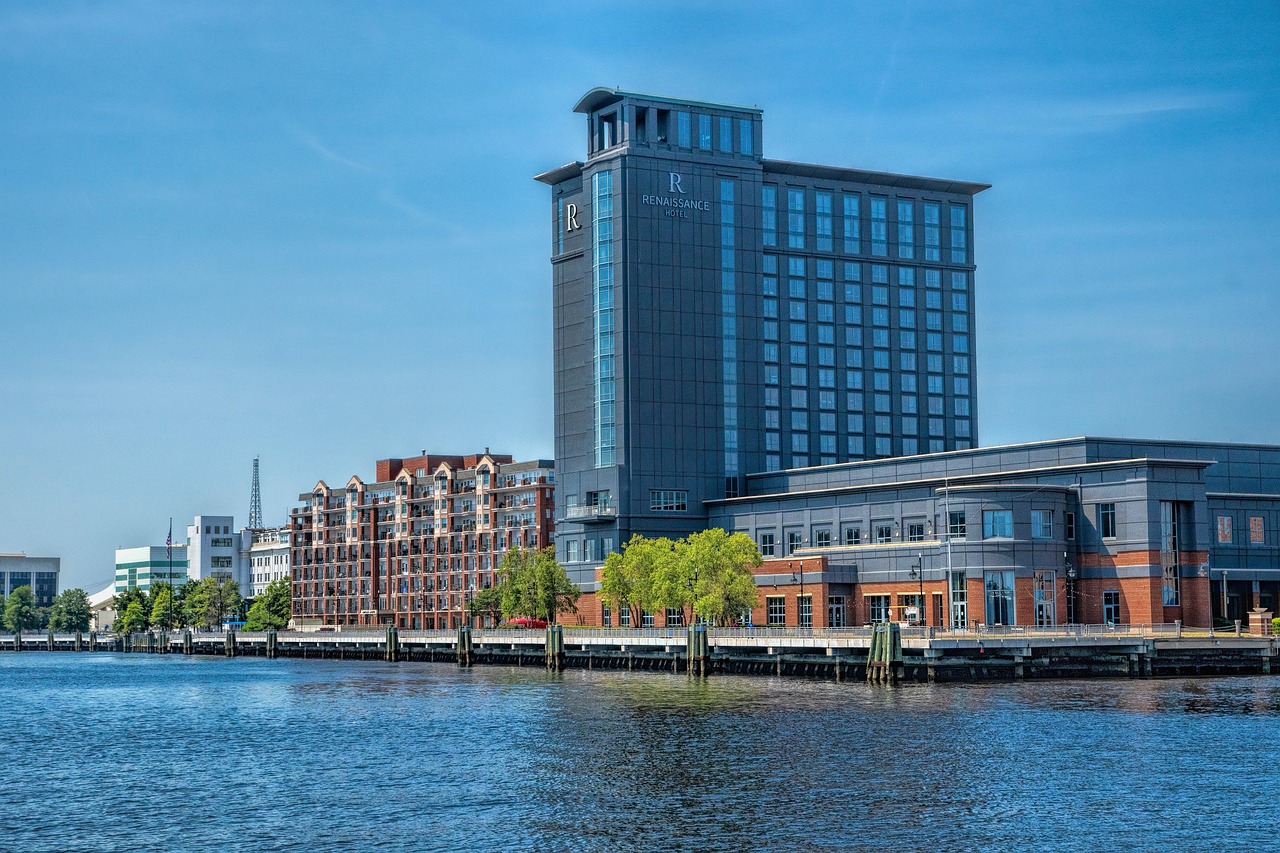
Central Florida is where the state’s price growth is concentrated right now. Tampa Bay’s median home price has moved into the $380,000 to $440,000 range, and Orlando’s metro area is running $370,000 to $410,000 for single-family homes, both up from prior-year levels even as South Florida’s coastal counties cool.
The reasons are straightforward. Tampa Bay and Orlando still offer meaningfully lower entry prices than Miami-Dade or Palm Beach for comparable square footage, and both metros continue to add jobs in health care, logistics, and tourism-adjacent industries that support housing demand. Neither market carries the same concentration of high-rise coastal condo inventory that’s weighing on Miami-Dade’s median.
For relocators and investors, this creates an opening. A buyer selling a $1.5 million property in the Northeast can often acquire a larger, newer home in Tampa or Orlando for less than they’d pay for a comparable property in Boca Raton or Fort Lauderdale, while still gaining Florida’s tax advantages. For investors building rental portfolios, Central Florida’s lower price-to-rent ratios in many submarkets continue to pencil out better than South Florida’s compressed cap rates.
Southwest Florida and the Gulf Coast Hold Premium Pricing
Naples and Sarasota remain among the state’s highest price-per-square-foot markets outside of South Florida’s core counties. Both areas built their reputations on Gulf-front estates, golf course communities, and a buyer base that skews toward second-home and retirement purchases from out of state. That buyer profile has kept pricing firmer in these submarkets than in more commodity-driven inland areas, even as overall transaction volume across the state has slowed.
Inventory in Naples and Sarasota tends to move differently than in Miami or Fort Lauderdale. Buyers here are often less rate-sensitive and more focused on lifestyle factors: beach access, boating, golf membership, and climate. That makes these markets somewhat more insulated from mortgage rate swings than markets with a higher share of primary-residence, financed buyers.
Sellers in these Gulf Coast markets still need a credible pricing strategy. Even affluent, less rate-sensitive buyers compare properties carefully, and overpricing an estate in Naples or Sarasota results in the same stale-listing problem as anywhere else, just at a higher price point. Buyers relocating from out of state should also budget for higher windstorm and flood insurance premiums along the Gulf Coast, a cost that varies significantly by flood zone and construction age.
Northeast Florida: Jacksonville’s Affordability Advantage
Jacksonville and the broader Northeast Florida region continue to trade at a meaningful discount to every other metro covered here. That affordability gap is drawing both owner-occupant relocators and investors who want Florida exposure without South Florida or Gulf Coast price tags.
The tradeoff is a smaller luxury segment. Jacksonville’s high end doesn’t command the same per-square-foot premiums as Miami’s waterfront towers or Naples’ Gulf-front estates, but for buyers whose priority is value, proximity to the coast, and no state income tax, it’s a legitimate alternative worth comparing against pricier metros.
Why Florida’s Regions Are Diverging

Three forces explain most of the gap between South Florida’s softening and Central and Northeast Florida’s gains.
Inventory and months of supply
Statewide months of supply has climbed toward roughly 7.5 months in recent data, a level that favors buyers more than any point in the past several years. But that inventory isn’t distributed evenly. South Florida’s luxury condo and single-family segments carry a disproportionate share of the state’s active listings, which puts more downward pressure on pricing there than in tighter Central Florida submarkets.
Insurance and carrying costs
Florida homeowners insurance premiums, particularly in coastal and high-value segments, remain a real factor in buyer math. A luxury waterfront property’s insurance cost can run tens of thousands of dollars a year, which affects what buyers are willing to offer even when they can afford the mortgage. Buyers should confirm current premium quotes early in a transaction rather than assuming a seller’s existing policy will transfer at the same rate; the Florida Office of Insurance Regulation publishes market data on this trend.
Mortgage rates and migration
The 30-year fixed mortgage rate averaged 6.43% in early July 2026, according to Freddie Mac’s Primary Mortgage Market Survey, down from highs earlier in the rate cycle but still elevated enough to keep financed buyers price-sensitive. Rate-sensitive buyers are gravitating toward Central and Northeast Florida’s lower price points, while less rate-sensitive, often cash-heavy luxury and retiree buyers continue to support pricing in Naples, Sarasota, and Palm Beach. The Federal Reserve Bank of St. Louis tracks this rate history if you want to see how the current level compares to prior cycles.
What the Regional Divide Means for Buyers
Buyers who understand these regional dynamics can negotiate from a position of knowledge instead of assumption.
For luxury home buyers
South Florida’s softer pricing environment, particularly in Miami-Dade’s condo segment and parts of Palm Beach County, means buyers have more room to negotiate on price, closing timeline, and inspection contingencies than they did two or three years ago. That doesn’t mean every listing is negotiable. Well-priced, well-maintained waterfront estates in strong locations still draw competitive offers. The opportunity is in properties that have sat on the market, where a seller’s motivation has grown along with their days-on-market count.
For investors
Cap rate and cash flow math still favors Central Florida and parts of Northeast Florida over South Florida’s most compressed submarkets, though South Florida’s discretion, liquidity, and long-term appreciation history remain real advantages for investors focused on capital preservation over yield. A 1031 exchange buyer moving out of a South Florida asset into Tampa, Orlando, or Jacksonville can often improve current cash flow while still holding Florida real estate, though the specifics depend on the individual property and exchange timeline; the IRS outlines the mechanics and deadlines that govern that kind of exchange.
What the Regional Divide Means for Sellers

Sellers face a different set of decisions depending on where their property sits. In South Florida’s softer segments, pricing a listing accurately from day one, rather than testing the market high and reducing later, has become the difference between a 30-day sale and a 150-day sale. Staging, professional photography, and a marketing plan built around the property’s actual buyer pool matter more in a market with more competing inventory.
In Central and Northeast Florida’s tighter, appreciating markets, sellers have more pricing latitude, but the same discipline still applies. Overpricing a listing even in a rising market invites the property to sit long enough that buyers start asking what’s wrong with it.
Across every region, sellers of high-value properties benefit from a marketing approach matched to their specific buyer pool rather than a one-size-fits-all listing strategy, whether that means broad exposure in a growth market or a more targeted, discreet approach for a unique luxury estate.
Working the Numbers Region by Region
Florida’s statewide median price is a useful headline number, but it flattens a market that’s actually behaving very differently from Jacksonville to Key West. The data through mid-2026 shows South Florida’s core luxury counties absorbing inventory and easing on price, Central Florida posting steady gains, and the Gulf Coast’s premium segments holding firm on the strength of a less rate-sensitive buyer base.
At MJI Realty Group, we track these regional shifts across South Florida and statewide because a pricing strategy that worked in Miami-Dade last year may not work in Broward or Palm Beach this year, and a strategy built for a coastal luxury estate rarely translates directly to a Tampa or Orlando purchase. Whether you’re comparing a Miami-Dade waterfront property against a Broward alternative, or weighing a South Florida sale against a Central Florida acquisition, the regional data should shape the decision before the negotiation does.
Real estate decisions depend on individual circumstances; this is general information, not legal, tax, or investment advice for your specific situation. If you’re evaluating where in Florida to buy, sell, or reposition a property in the current market, MJI Realty Group works with clients across South Florida who want pricing decisions grounded in current data rather than last year’s assumptions.