Florida Flood Zones and What’s at Stake for Luxury Buyers
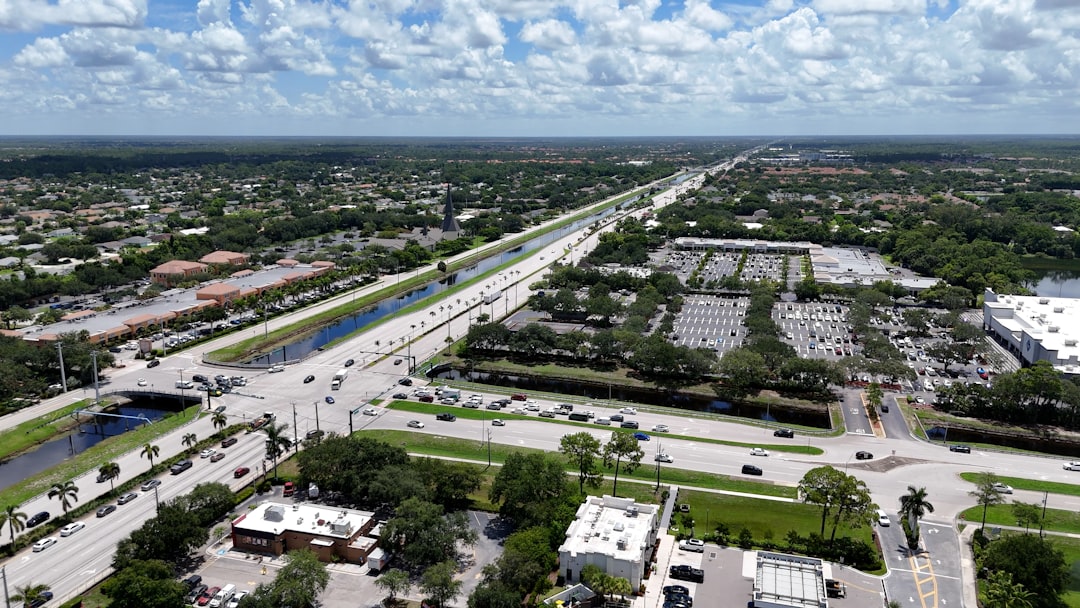
When a buyer contracts on a $4 million waterfront estate in Palm Beach or a $2.5 million canal-front home in Fort Lauderdale, flood zone designation is not a footnote in the inspection report. It is a core financial variable that shapes insurance costs, lender requirements, renovation decisions, and the eventual resale market for that property.
Florida has more Special Flood Hazard Area exposure than almost any other state. Monroe, Miami-Dade, Broward, Lee, and Collier counties rank among the highest in the nation for the percentage of land inside FEMA-designated flood zones. The reason is geography: South Florida sits at or near sea level, bordered by the Atlantic Ocean on the east and the Gulf of Mexico on the west, with thousands of miles of canals, intracoastal waterways, rivers, and coastal frontage running through the region’s most sought-after residential addresses.
For luxury buyers, this creates a set of considerations that differs from what the average homeowner faces. A $350,000 home and a $4 million estate can carry the same flood zone designation, but their insurance needs, coverage limits, and mitigation strategies are entirely different. The National Flood Insurance Program caps structural coverage at $250,000. For a multi-million dollar estate, that number is a starting point, not a solution.
Understanding how the system works before you make an offer is the difference between a smooth transaction and a significant financial surprise at closing.
How FEMA Flood Zone Designations Work in Florida
FEMA produces Flood Insurance Rate Maps, or FIRMs, for every county in Florida. These maps assign flood zone designations to land parcels based on projected flood frequency, water depth, ground elevation, and proximity to coastal or inland water sources. The designation on a property’s FIRM determines whether flood insurance is required by lenders, how policies are priced, and what construction standards apply to new or substantially improved structures.
The key zone types that Florida luxury buyers encounter:
- Zone X: Outside the 100-year floodplain or in areas of minimal flood risk. Flood insurance is not required for federally backed mortgages in Zone X, but buyers should note that Zone X properties can and do flood. A significant share of Florida flood insurance claims come from properties outside officially designated high-risk zones.
- Zone A: Within the 100-year floodplain, meaning a 1 percent annual chance of flooding, where FEMA has not yet established a specific Base Flood Elevation. Flood insurance is required for properties with federally backed mortgages. Zone A is common in inland Florida communities and along certain river corridors.
- Zone AE: The most prevalent high-risk designation across South Florida. FEMA has established a specific Base Flood Elevation for the area, which becomes the reference point for policy pricing, building permit requirements, and elevation certificate documentation. Flood insurance is required for federally backed mortgages.
- Zone VE: Coastal high-hazard areas where wave action compounds the flood risk beyond simple inundation. Found along direct Atlantic and Gulf beachfronts. VE zones carry Florida’s highest flood insurance premiums and the most stringent construction requirements under state and local building codes.
Zone maps are publicly searchable through FEMA’s Flood Map Service Center. Any buyer or agent can confirm a property’s designation by address in minutes before making any purchase decision.
Risk Rating 2.0 and Why Flood Insurance Costs Vary by Property
For years, NFIP premiums were tied primarily to a property’s flood zone designation and elevation certificate data. Two homes in the same AE zone on the same street often paid similar rates regardless of their actual structural characteristics or how close they sat to the water source. FEMA’s Risk Rating 2.0 methodology, fully implemented since April 2023, changed that model entirely.
Under Risk Rating 2.0, FEMA prices each policy based on the individual property’s specific flood exposure. The factors that now drive premiums include:
- Distance from the property to the nearest water source, whether ocean, river, canal, or bay
- The property’s ground and first-floor elevation relative to projected flood depth
- The structure’s replacement cost value
- The types of flooding the property faces: coastal storm surge, riverine overflow, or heavy rainfall accumulation
- Foundation type and other structural characteristics
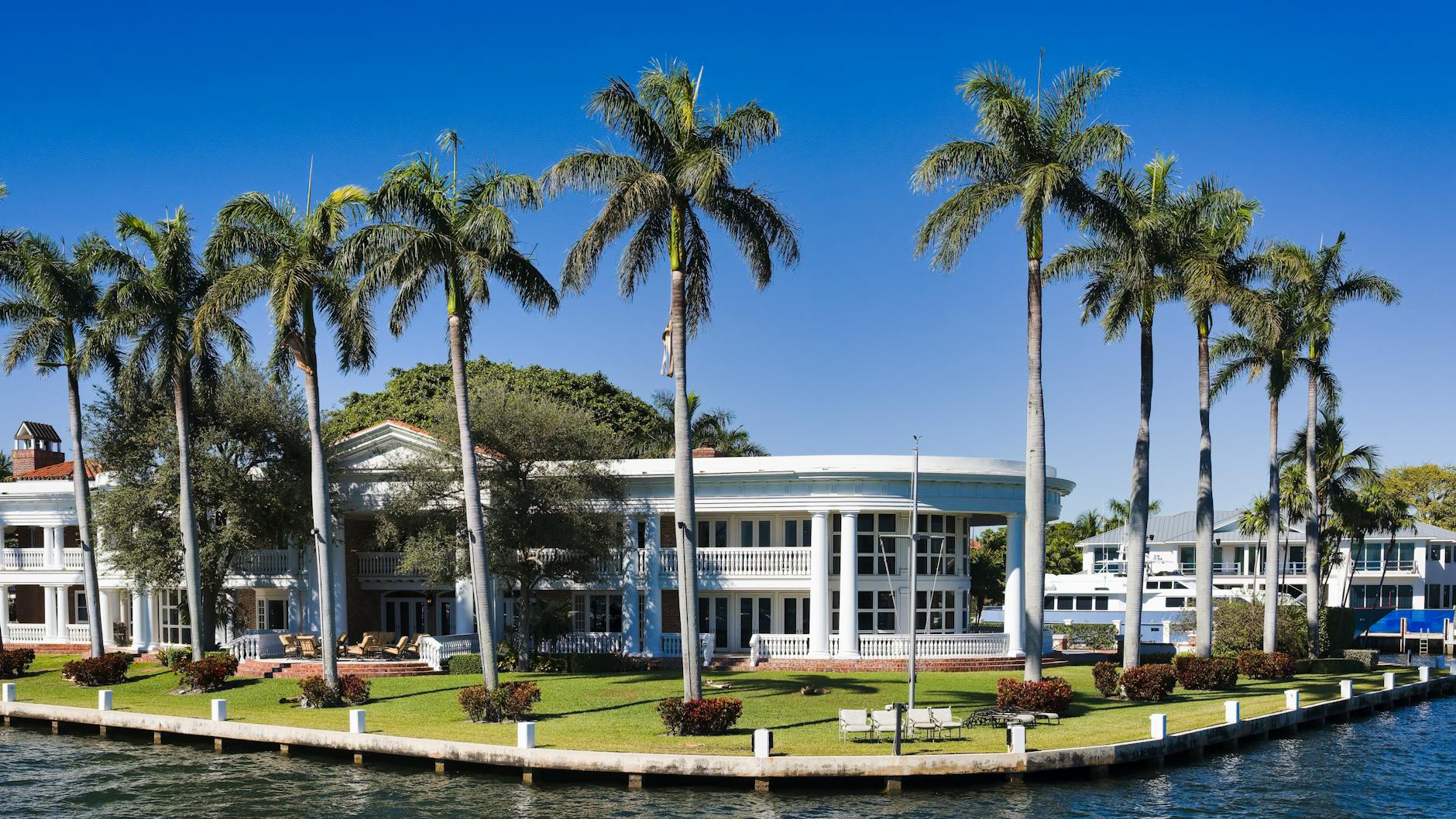
The result is that two neighboring properties can face meaningfully different annual premiums. A waterfront estate 40 feet from the Intracoastal in Boca Raton and a home three streets back in the same AE zone may carry a $2,500 annual difference in flood insurance costs under the current methodology. Same zone designation, very different financial exposure.
For high-value coastal properties, Risk Rating 2.0 has generally pushed costs upward. Properties with high replacement cost values see higher base premiums because the actuarial model accounts for the total value of what is insured. A $4 million estate in a VE zone can face NFIP premiums between $8,000 and $15,000 annually for the NFIP base policy alone, before any private excess coverage is added on top.
FEMA’s Risk Rating 2.0 overview explains the full pricing methodology. Prospective buyers can request a preliminary insurance quote before going under contract, which is the most reliable way to understand actual costs before committing to a purchase price.
The NFIP Coverage Gap for Luxury Properties
The National Flood Insurance Program caps structural coverage at $250,000 for a single-family residential property. Contents coverage caps at $100,000. For a luxury estate valued at $3 million, $5 million, or more, those caps represent a small fraction of the total asset at risk.
This is a real exposure, not a theoretical one. A catastrophic flooding event that causes $2 million in structural damage to a luxury waterfront estate would result in a $250,000 NFIP payout. The remaining $1.75 million falls entirely on the owner.
Private excess flood coverage fills this gap. Private carriers now write policies with dwelling limits of $5 million to $10 million, directly addressing the coverage shortfall that NFIP cannot fill. Private flood policies offer several practical advantages over NFIP coverage:
- Broader coverage definitions in many cases, including additional living expenses during displacement
- Faster claims processing compared to the federal program’s administrative timeline
- Flexible combined structures and contents limits under a single policy
- Availability for properties in zones or with risk profiles that create NFIP pricing issues
Private flood insurance now accounts for approximately 35 percent of Florida’s total flood market, up significantly from five years ago. For luxury buyers in AE and VE zones, the standard approach is layered coverage: an NFIP base policy up to its structural limit, paired with a private excess flood policy covering the gap between $250,000 and the home’s full replacement cost value.
Buyers should budget $5,000 to $25,000 annually in combined flood coverage for a high-value coastal property in an AE or VE zone, depending on the property’s elevation, proximity to water, construction type, and total replacement cost. Getting competitive quotes from two or three carriers before going under contract gives you real numbers to factor into your cost analysis when evaluating purchase price.
Florida’s 2025 Flood Disclosure Requirements
Florida expanded its residential flood disclosure requirements for sellers, effective October 1, 2025. Under the current framework, residential sellers must disclose whether, to their knowledge, the property suffered flood damage during their period of ownership. The Florida Realtors and Florida Bar residential sales contract now includes a flood disclosure acknowledgment, and a separate Flood Disclosure Form (FD-2) is available for transactions where more detailed disclosure is appropriate.
Florida Realtors details the new disclosure requirements and the updated contract forms that apply to current transactions across the state.
For luxury buyers, understanding what the disclosure law covers and what it does not cover is equally important.
The disclosure creates a formal, documented record of flood history that did not previously exist in a standardized contract form. A property that experienced flooding during a major storm event within the seller’s period of ownership must now be disclosed. That is meaningful data for a buyer evaluating a waterfront or coastal property.
What the disclosure does not cover: flood history that predates the current seller’s ownership. Properties with documented flood damage under prior owners may not appear on the current seller’s disclosure. To build a complete picture, buyers should request the claims history from any prior flood insurance policy (available from the insurer or through due diligence requests), review building permit records for flood-related repairs, and check whether FEMA has issued any Letters of Map Amendment that indicate prior reclassification efforts tied to flooding events.
The seller’s disclosure is a starting point, not a final answer. Experienced representation knows how to go beyond the form and investigate the full flood record of any property under serious consideration.
The Elevation Certificate and Its Impact on Your Insurance Cost

An elevation certificate is a document prepared by a licensed Florida surveyor or engineer that records a structure’s physical characteristics and elevation data relative to FEMA’s Base Flood Elevation for that specific parcel. For properties in AE and VE zones, this document has a direct and often substantial impact on annual flood insurance premiums.
Here is the key relationship: a home built two feet above the BFE carries a significantly lower flood insurance premium than a comparable home built at BFE or below it. The difference is not marginal. Depending on zone and property type, a two-foot difference in freeboard above BFE can translate to $2,000 to $5,000 per year in premium savings under NFIP pricing. Over a ten-year ownership period, that is $20,000 to $50,000 in cumulative insurance costs determined by a single elevation measurement.
When buying a Florida luxury property in an AE or VE zone:
- Request any existing elevation certificate from the seller. Properties built after 2010 frequently have one on file, as local building departments required it at time of permit.
- If no certificate exists, commission a new survey from a licensed Florida surveyor. The cost is typically $400 to $600, and that investment pays back quickly against premium savings.
- Share the certificate with your flood insurance broker before accepting any quoted premium as final.
- Confirm that any above-BFE discount is reflected in the quoted annual premium, not assumed from a prior owner’s policy that may have been rated differently.
For properties where the first floor sits below BFE, the elevation certificate quantifies the exposure accurately so buyers can set realistic insurance budget expectations before closing rather than discovering the cost after the fact.
South Florida Flood Risk by Submarket
South Florida’s three-county core spans dramatically different flood risk profiles depending on the specific neighborhood, proximity to water, and local topography. Buyers need to understand the general risk character of a submarket before evaluating individual properties within it.
Miami-Dade County
Miami-Dade sits almost entirely at or near sea level. Miami Beach and the barrier islands carry extensive AE and VE zone designations across most residential parcels. Coastal neighborhoods including Coconut Grove, Key Biscayne, and waterfront addresses along Biscayne Bay carry AE zone designations throughout. Canal-front properties in Coral Gables, the Miami River corridor, and Brickell face high-risk flood designations on virtually all waterfront parcels. Miami-Dade County provides flood zone maps and address-level lookup tools through its building and flood protection resources at the county property appraiser’s site.
Broward County
Broward County’s canal system extends through a large share of the county’s residential base. Fort Lauderdale’s most coveted waterfront neighborhoods, including Las Olas Isles, Bay Colony, Seven Isles, and Rio Vista, carry AE flood zone designations on essentially all parcels. Beachfront properties in Lauderdale-by-the-Sea, Hillsboro Beach, and Deerfield Beach include VE zone exposure along direct ocean-fronting parcels. Properties farther west into the Intracoastal corridor carry AE designations through most of the built-out residential market.
Palm Beach County
Palm Beach County’s barrier island geography creates concentrated VE zone exposure along the oceanfront. The Town of Palm Beach sits on a barrier island flanked by the Atlantic Ocean and Lake Worth Lagoon. Ocean-front estates and properties along North and South Ocean Boulevard carry the county’s highest flood designations. Inland communities in Boca Raton, Wellington, and Jupiter generally carry Zone X or lower AE designations, though properties near canals and water management structures still require careful flood insurance evaluation.
For any property in all three counties, the FEMA Flood Map Service Center address search provides zone confirmations at no cost in a matter of minutes.
Buyer Due Diligence Before Making an Offer
The time to evaluate flood zone risk is before the contract is negotiated, not during the inspection period. Flood insurance costs directly affect a property’s total carrying cost, which affects what the property is worth at a given price. These are not closing-week details. They belong in your pre-offer evaluation.
A practical sequence for luxury buyers:
- Confirm the property’s FEMA flood zone designation using the address lookup at the FEMA Flood Map Service Center before writing the offer.
- Ask the listing agent whether an elevation certificate exists and request a copy. If none is available, factor a survey into your due diligence budget from the start.
- Contact a flood insurance broker who handles both NFIP and private excess flood coverage for a preliminary premium estimate based on zone, elevation, and property size. Do this before agreeing on a purchase price.
- Review the seller’s flood disclosure form carefully. Ask specific follow-up questions about any flood events during the seller’s ownership and what remediation work was performed.
- Check whether the property has received a Letter of Map Amendment or Letter of Map Revision that altered its official flood zone status. These letters can reduce or increase insurance requirements depending on the outcome.
- Factor total annual flood insurance cost into your carrying-cost analysis alongside property taxes, homeowners insurance, and HOA fees before finalizing your offer price.
- For VE zone properties, consider engaging a structural engineer with Florida coastal construction experience to assess the building’s current compliance with applicable flood construction standards.
The standard 30-day NFIP waiting period is waived when flood coverage is purchased as part of a real estate closing. Binding private excess flood coverage on a high-value coastal property can take additional time, particularly for properties with complex risk profiles or high replacement cost values. Starting the insurance evaluation process early in your search avoids complications that would otherwise surface in the final days before closing.
Flood Zone Awareness and Working with the Right Broker
Flood zone due diligence is not a technicality that gets handled at closing. For luxury buyers in South Florida, it is a first-order financial question that belongs in the earliest stages of property evaluation, before the search narrows to a single property and before negotiations begin.
The properties that hold value, trade efficiently, and deliver long-term peace of mind are the ones where flood exposure is fully documented, accurately priced, and understood before the contract is signed. Buyers who treat this as an afterthought often find themselves renegotiating after the inspection period, or absorbing insurance and remediation costs that should have been reflected in the purchase price from the beginning.
South Florida’s waterfront and coastal markets require brokers who know the specific flood zone character of individual neighborhoods, not just general zone categories. The difference between a property at the edge of an AE zone and one three lots deeper into a VE zone is thousands of dollars per year in insurance cost and significant differences in construction standards for any future renovation or addition.
At MJI Realty Group, we work with luxury buyers who want a complete picture of what they are purchasing. That means reviewing flood zone designations, elevation certificates, and insurance cost estimates as part of the property evaluation process, before any offer goes in. Our knowledge of South Florida’s waterfront markets across Miami-Dade, Broward, and Palm Beach counties extends to the specific flood exposure characteristics of the neighborhoods where our clients are looking.
If you are considering a waterfront estate, a barrier island property, or any high-value home in South Florida, contact MJI Realty Group for guidance specific to your target neighborhoods and price range.
Real estate decisions depend on individual circumstances; this is general information, not legal, tax, or investment advice for your specific situation.