Why Waterfront Inspections Are Different
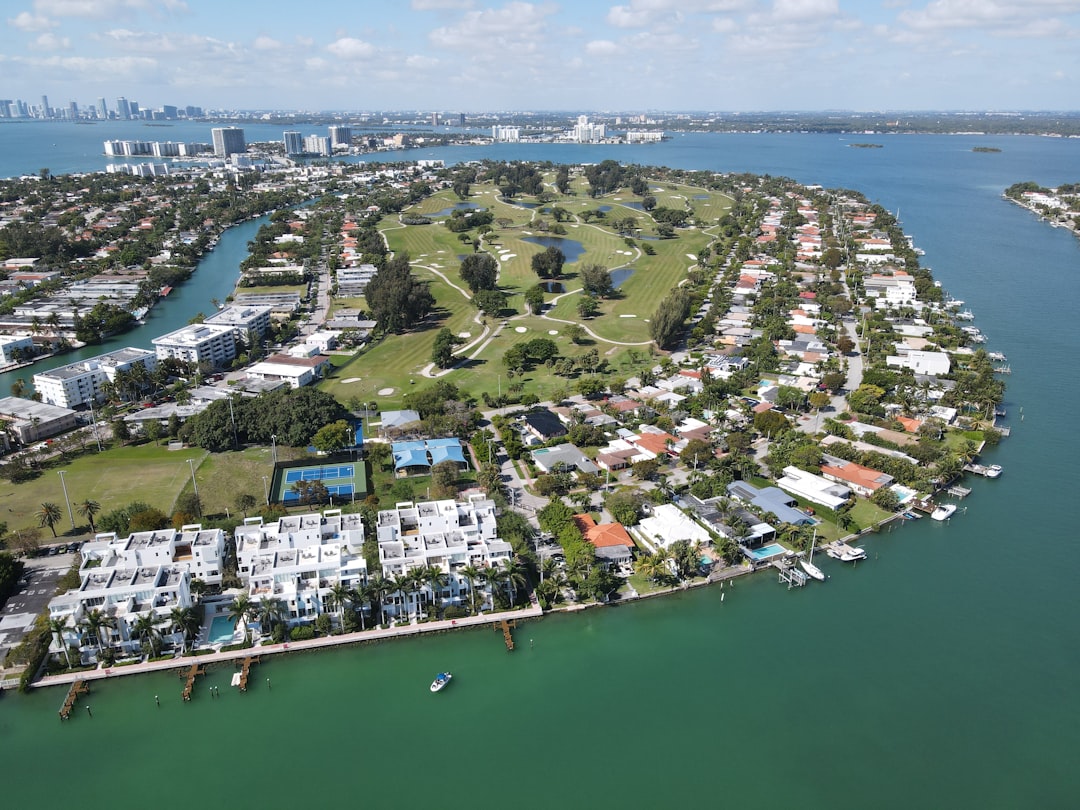
Waterfront property carries a category of risk that a standard home inspection doesn’t touch. A licensed home inspector assesses the structure of the house: the roof, the HVAC, the plumbing, the electrical systems inside the walls. That inspection is essential. But in South Florida, purchasing a waterfront property without additional specialized inspections is like buying a vehicle and only checking the interior. The most expensive problems are found outside, at the water’s edge, and below grade.
The seawall, the dock, the boat lift, the marine electrical system, the flood zone designation, and the tidal flooding history are all separate categories requiring separate expertise. Each one can surface a material cost or a dealbreaker that the standard inspection misses entirely. On a $4 million Intracoastal estate in Fort Lauderdale or a $7 million bay-front home in Miami Beach, the cost exposure from a failing seawall, an unpermitted dock, or a reclassified flood zone can reach hundreds of thousands of dollars.
Getting this right requires assembling the right inspection team before you go under contract, not after. This guide covers the specific inspections and due diligence steps that every serious waterfront buyer in South Florida should complete before committing to a purchase. Some of these steps take time to schedule. Build them into your contract inspection period from day one, and budget for specialist inspectors beyond the standard home inspection fee.
Seawall: The Most Expensive Structure in the Listing
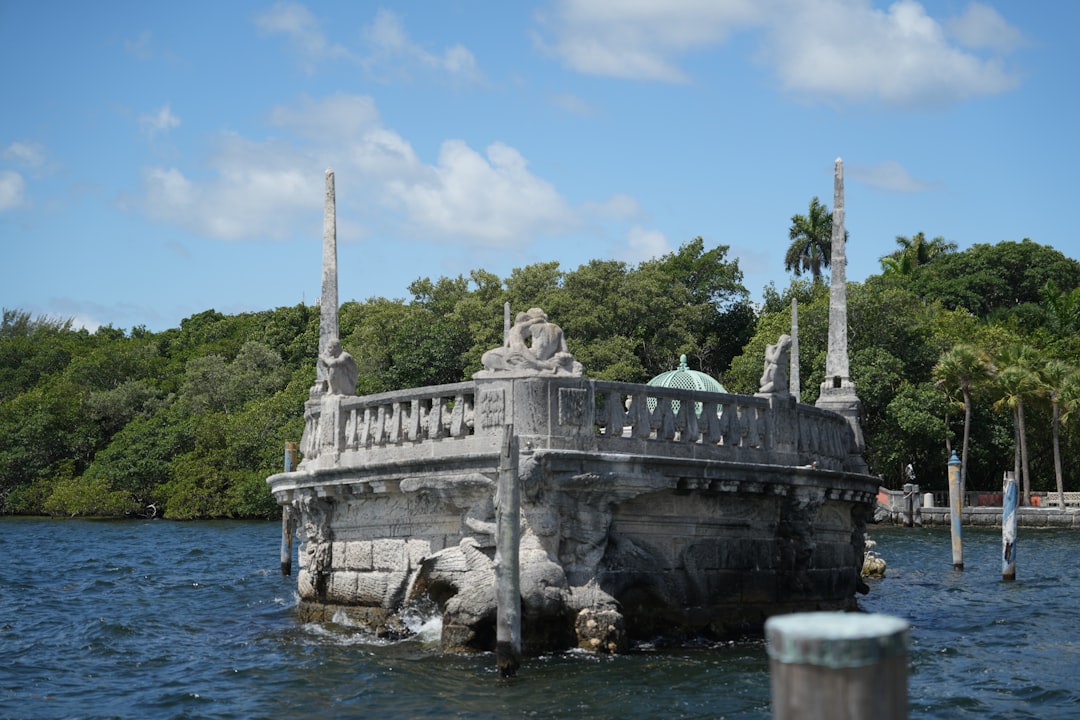
The seawall is the single most important structure on a waterfront property and the one most frequently overlooked in buyer due diligence. It is not visible in listing photos, it is not assessed in a standard home inspection, and its condition can range from structurally sound for another 30 years to failing within the next storm season, with little visible indication of which from a casual walk of the property.
Seawalls in South Florida were built in waves: mid-century construction during the waterfront development of the 1950s and 1960s, and more modern construction from the 1980s forward. A seawall built in 1965 is now approximately 60 years old. Concrete seawalls have a typical service life of 30 to 50 years, though well-maintained walls can last longer. Age alone doesn’t guarantee failure, but it signals higher variability in condition and raises the probability of deferred maintenance, unknown backfill conditions, and structural deterioration.
Warning signs that warrant immediate professional evaluation include: cracking or spalling in concrete panels, any section leaning, tilting, or bowing, gaps or separation at panel joints, evidence of soil loss or voids behind the wall, and clogged weep holes. Weep holes relieve hydrostatic pressure against the seawall. When they are blocked, pressure builds and accelerates structural failure from the inside out.
Seawall replacement in South Florida currently runs $300 to $800 per linear foot for standard concrete or vinyl sheet pile. Vinyl installation in Southwest Florida runs $700 to $1,200 per linear foot. A 60-foot seawall replacement totals $18,000 to $72,000 before permitting and engineering fees of $2,000 to $5,000 or more. Commission a seawall inspection from a licensed marine contractor, separate from your standard home inspector, before making any waterfront offer. The cost of the inspection is negligible against the cost of inheriting a failing wall.
Docks, Boat Lifts, and Marine Electrical
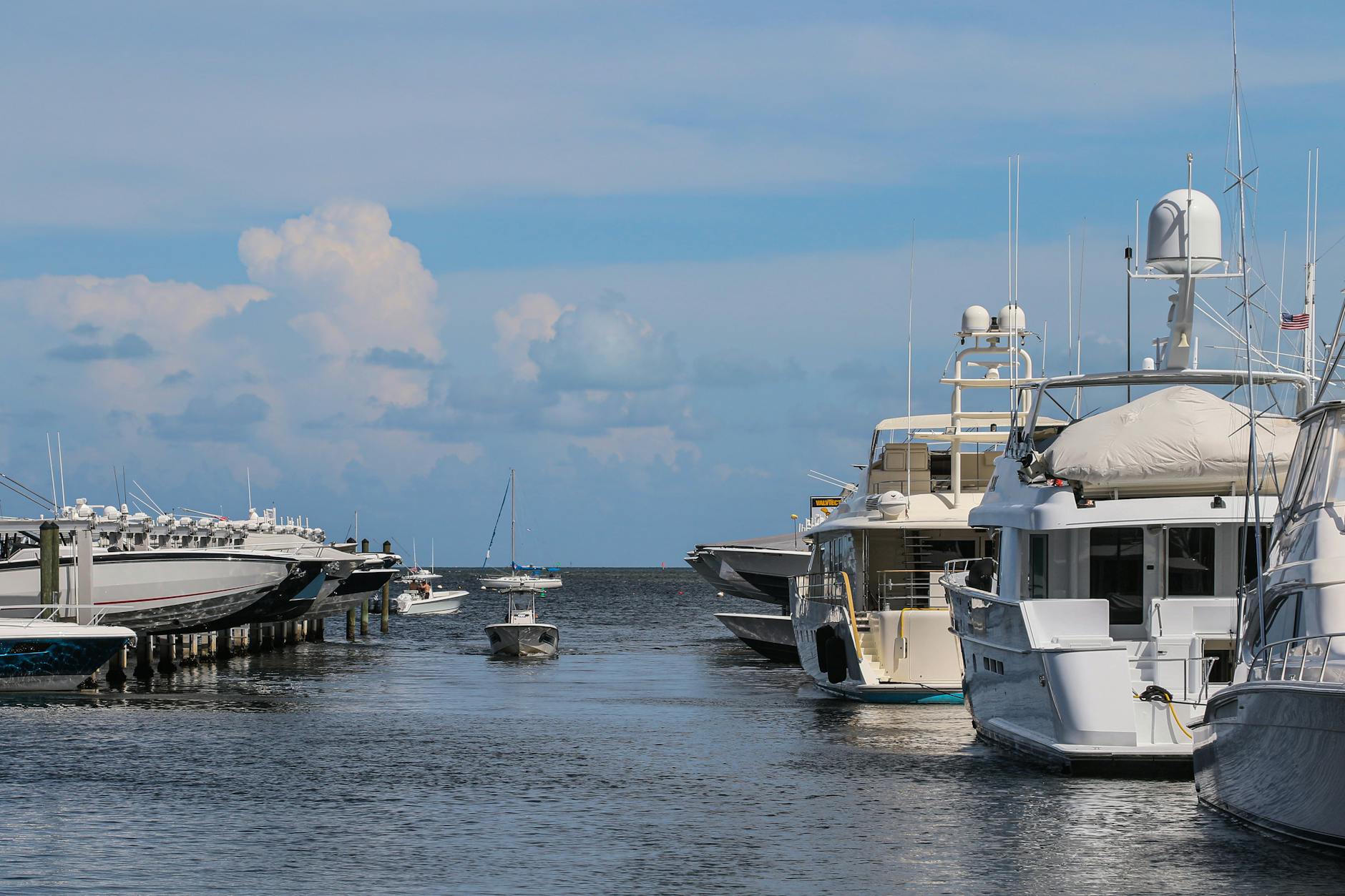
The dock is the second major structure to evaluate independently. Dock condition ranges from new aluminum floating systems to aging fixed wood structures that may be decades past their design life. These are the specific questions that matter for a luxury waterfront buyer before committing to a purchase:
- Is the dock permitted? Many older docks in South Florida were built without permits or under permits that have since expired. An unpermitted dock can create title issues, insurance complications, or compliance requirements that force removal or costly retroactive permitting. Pull the county permit records before closing.
- What is the actual water depth at the dock? Confirm measured water depth at the dock, not just chart depth. Tidal variation, sedimentation, and local bathymetry all affect usable draft. If you plan to keep a specific vessel, confirm the draft clears the dock area and any underwater obstructions at mean low water.
- What is the air draft clearance on your route? Fixed bridges between the property and open water set the maximum vessel height you can operate from the dock. Confirm bridge clearances match your intended vessel type before you are under contract.
- Marine electrical: Salt air accelerates corrosion in dock wiring systems. Have a licensed marine electrician inspect the dock circuit, including GFCI protection, bonding, and cathodic protection systems. Electric shock drowning, caused by faulty dock wiring energizing the water around a dock, is a documented hazard that standard home inspectors do not test for.
Boat lift capacity, cable condition, and operational status should be confirmed by a marine service professional before closing. Lift replacements run $5,000 to $25,000 depending on size and configuration.
Flood Zone, FEMA Risk Rating 2.0, and What Insurance Costs
FEMA’s Risk Rating 2.0, fully implemented in April 2023, changed how the National Flood Insurance Program prices individual properties. Under the prior system, flood premiums were based primarily on flood zone designation and base flood elevation. Under Risk Rating 2.0, the NFIP prices each property individually based on its specific characteristics: distance to water, flood frequency by type including storm surge and coastal erosion, elevation above base flood, foundation type, and the cost to rebuild. Two adjacent properties in the same flood zone can carry significantly different premiums under the new system.
For waterfront properties in South Florida, this pricing change matters enormously. Properties in FEMA Zone V or VE, which face direct coastal wave action during storms, carry NFIP premiums from $5,000 to $20,000 or more annually, depending on the property’s individual risk profile. Properties in Zone AE, which covers high-risk areas along canals, bays, and the Intracoastal Waterway, typically see NFIP premiums in the $2,000 to $10,000 range. Luxury properties also need private excess flood coverage above the NFIP’s $250,000 structural cap, which adds additional annual cost.
Review FEMA’s Risk Rating 2.0 methodology to understand how the new system calculates individual property risk. For specific cost data by property type and risk profile, FEMA’s single-family home flood cost data provides benchmark ranges. The only way to know what a specific property will cost to insure under Risk Rating 2.0 is to request a quote from a licensed flood insurance agent before making an offer. Under federal law, NFIP premiums can increase a maximum of 18% per year, meaning a property with a manageable current premium can reach a significantly higher cost over a five-to-ten-year hold.
Nuisance Flooding: The Risk That Doesn’t Make the Listing
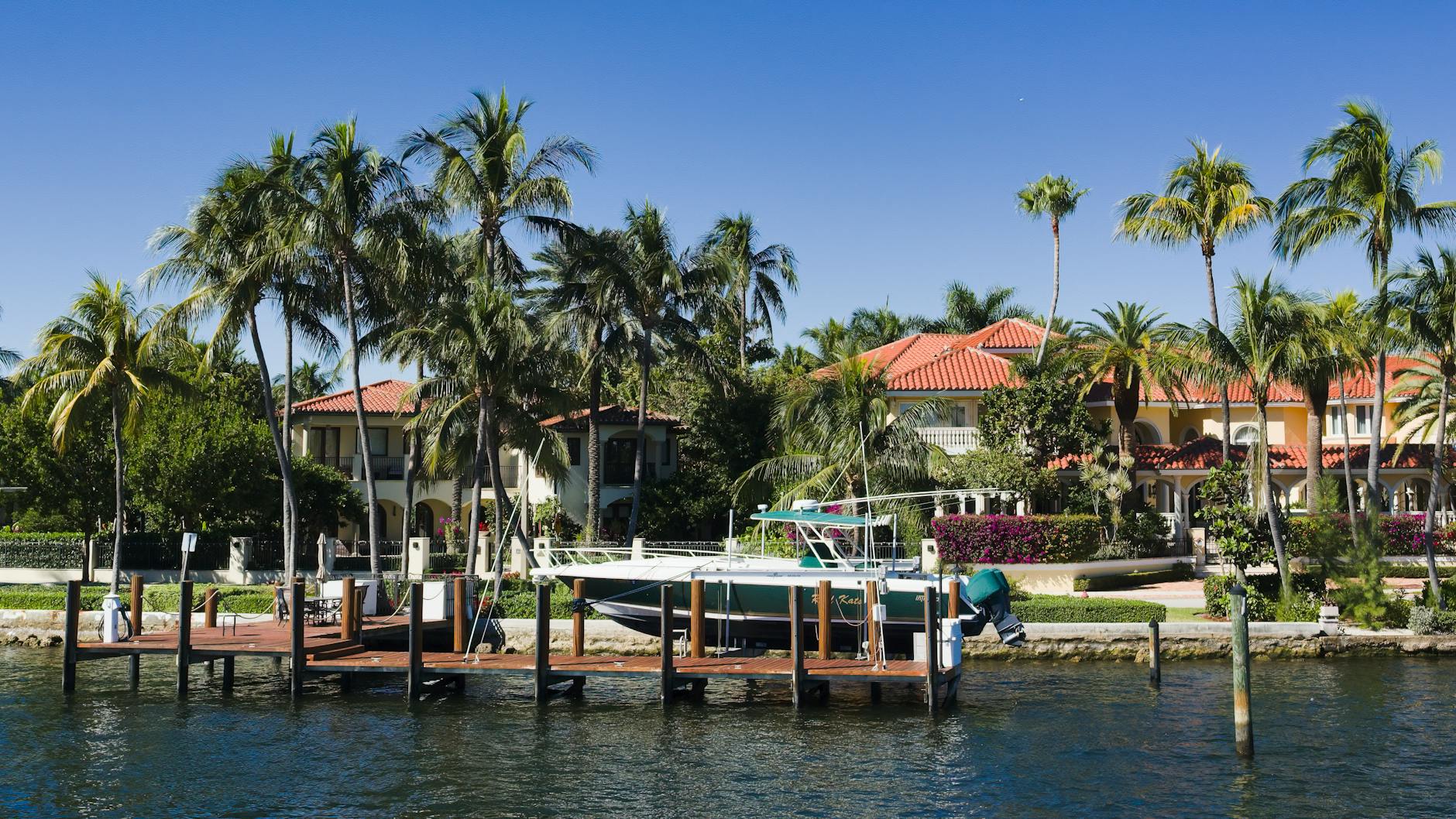
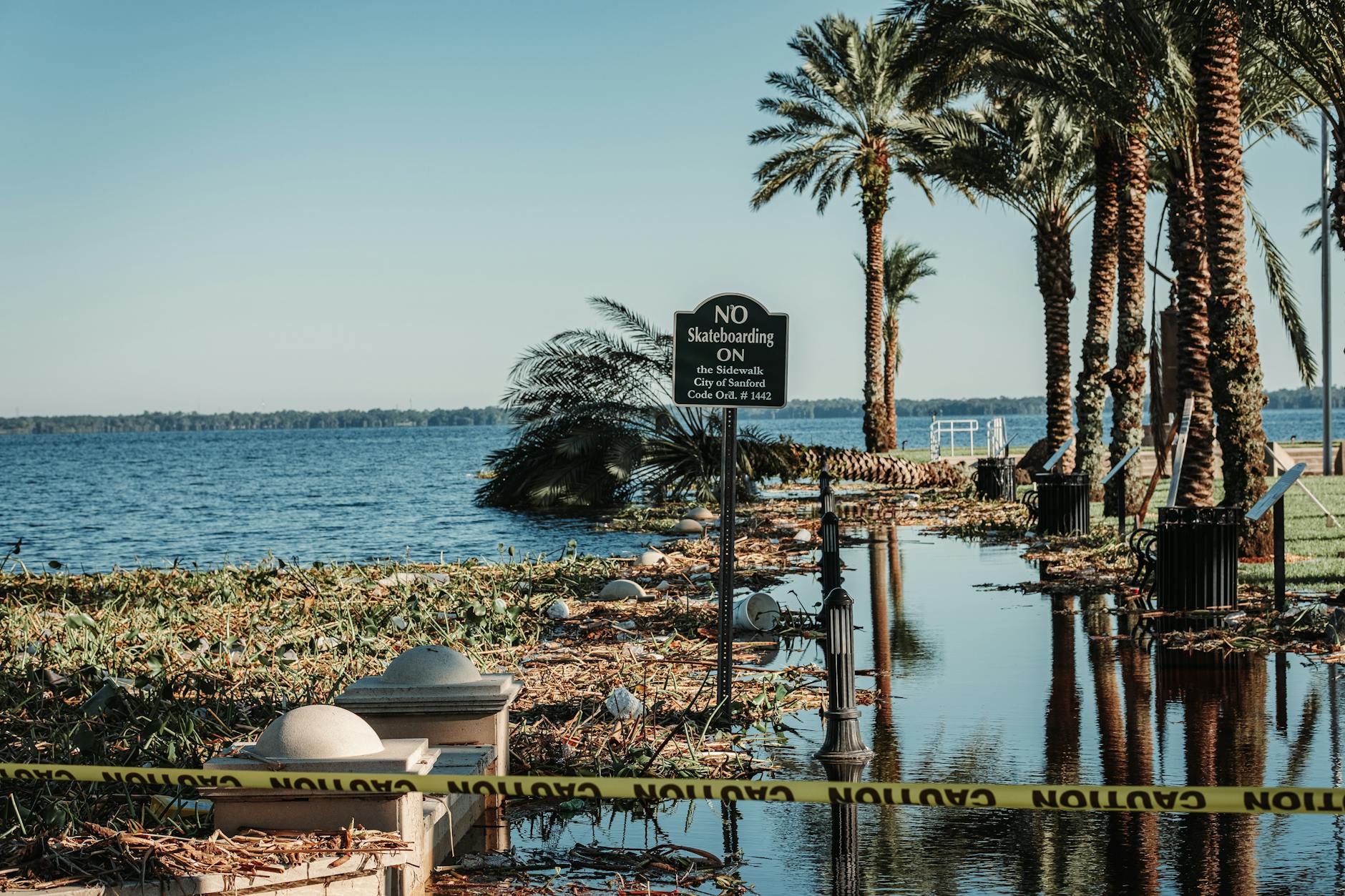
Nuisance flooding, sometimes called tidal flooding or king tide flooding, is separate from storm surge and hurricane flooding. It occurs when high tides push water into low-lying streets, parking areas, and properties without any storm activity at all. In South Florida, nuisance flooding events have increased in frequency over the past two decades as sea levels have risen incrementally but persistently.
Nuisance flooding doesn’t typically damage the structure of a well-built elevated home, but it affects access, landscaping, outdoor amenities, seawall drainage, and the long-term habitability of ground-level features. Streets in parts of Miami Beach, Fort Lauderdale’s older waterfront neighborhoods, and sections of Coconut Grove have experienced recurring flooding events during high tide cycles several times per year, sometimes without any rainfall. The pattern varies by specific location, canal system, and elevation.
Before purchasing any waterfront property in South Florida, research the specific tidal flooding history for that address and that street. Ask the seller’s broker directly. Request flood records from the HOA if it is a managed community. Check whether the street accessing the property has a documented flooding pattern through county infrastructure records or conversations with neighboring property owners. This is context that belongs in your offer analysis, not something to discover after closing.
According to data tracked by Florida Realtors, waterfront properties in South Florida command a meaningful premium over comparable non-waterfront properties. That premium is fully justified when the water access is genuine and the flooding risk is understood and priced appropriately. When nuisance flooding patterns are unexamined, buyers sometimes pay a waterfront premium for conditions they didn’t anticipate.
Water Access: Depth, Bridges, and Deed Restrictions
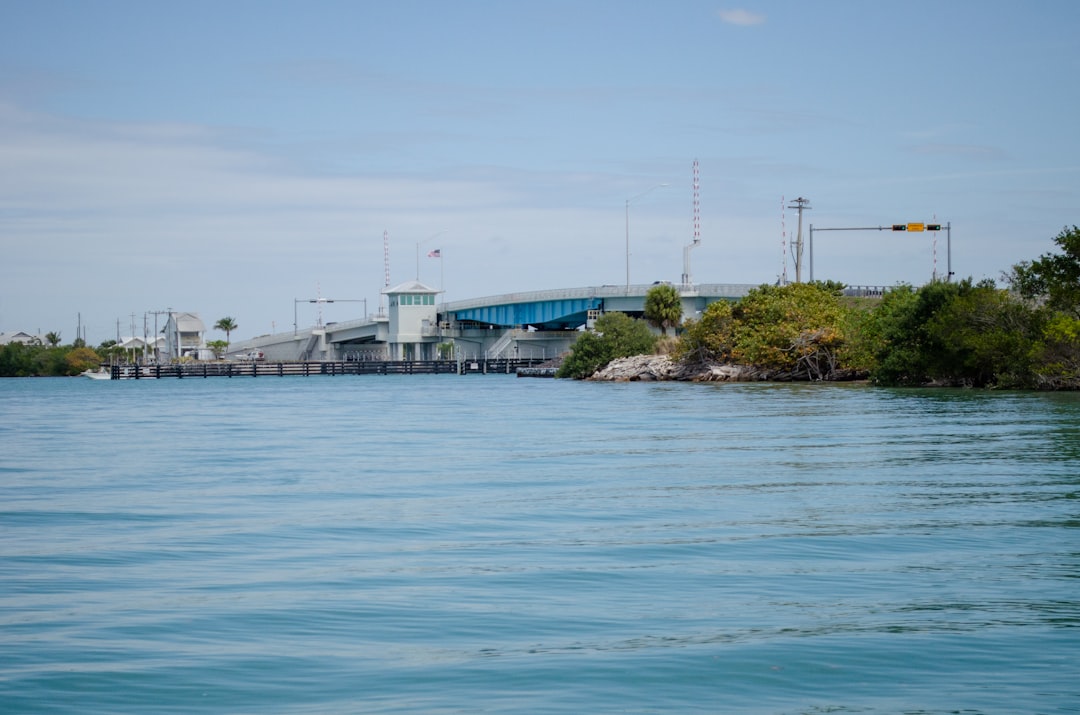
Waterfront property value is inseparable from what the water access actually provides. Two properties both described as waterfront can offer dramatically different practical boating access depending on canal dimensions, water depth, bridge clearances, and deed restrictions on how the waterway can be used. Clarify these specifics before making an offer, not during the inspection period.
- Confirm actual navigability. Some canals in older South Florida neighborhoods are silted, narrow, or interrupted by fixed bridges with minimal vertical clearance. A 50-foot sport fisherman won’t fit. A center console will but a trawler won’t. Confirm with a local marine professional that your intended vessel type can realistically access open water from the property at the relevant tidal stages.
- Check deed restrictions and riparian rights. Some waterfront properties carry deed restrictions on dock size, vessel type, or commercial watercraft. Riparian rights, which govern how far into the water a property owner’s rights extend, vary depending on whether the waterway is tidal, navigable, or privately maintained. Review these with a Florida real estate attorney before closing.
- Review HOA rules for waterfront communities. Managed waterfront communities often have rules about dock lighting, vessel hours, boat storage, and lift operation. Read the governing documents and confirm that your intended use of the property is fully permitted under them before you are under contract.
The distinction between genuine boating access and nominal water frontage is substantial at the top of the South Florida market. Buyers who clarify access specifics early avoid a painful discovery late in the due diligence process.
Pulling Permits: What’s Been Done Without One
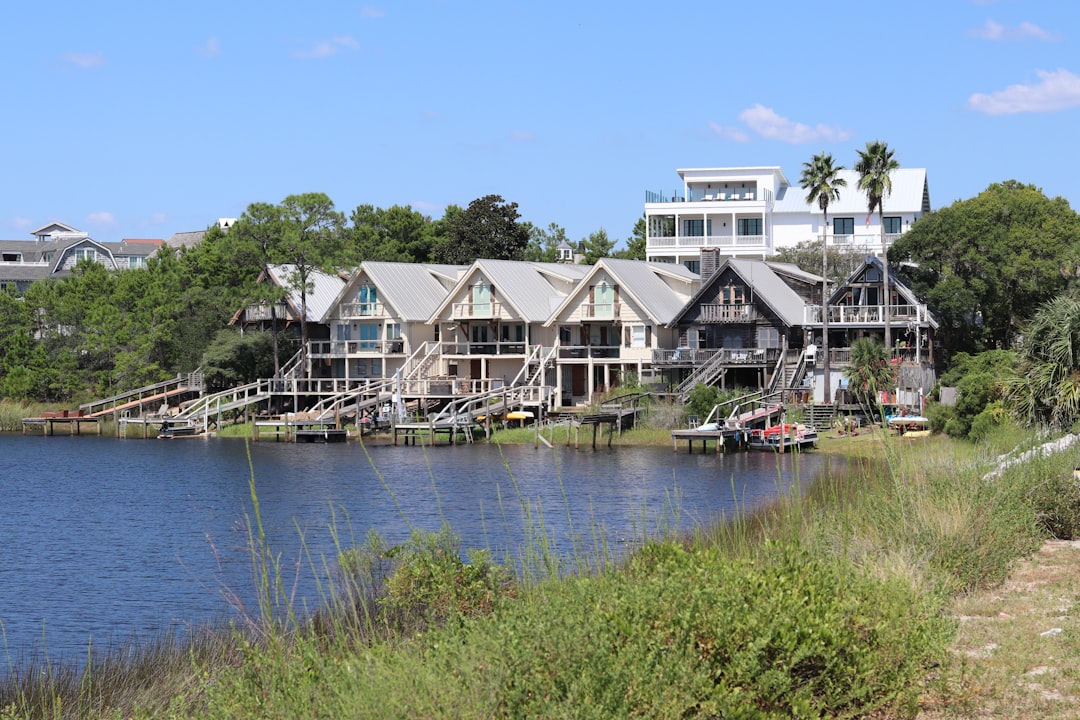
Unpermitted work on waterfront properties is more common than buyers expect, and the compliance exposure is higher than on a standard residential purchase. Waterfront structures, specifically seawalls, docks, boat ramps, and shore-protection features, require permits from the local municipality and from state and federal agencies, including the Army Corps of Engineers and the Florida Department of Environmental Protection. Work done without these permits is not only a building code issue. It is a regulatory compliance matter that can require removal at the current owner’s expense.
Before closing, pull the full permit history for the property through your county’s building and permitting portal. Confirm that the seawall, dock, any boat lifts, and any additions to the main structure were properly permitted and received final inspections. For any unpermitted structures discovered during this review, get written cost estimates to either retroactively permit or remove the structure before negotiating a final purchase price. The cost of the permit or the removal belongs in your negotiation, not in your first year of ownership.
A Florida real estate attorney with waterfront transaction experience can review permit records as part of the title search and flag any open or expired permits, unresolved violations, or structures that appear on the property but have no permit on file. This due diligence step adds a modest cost to the transaction and can prevent post-closing complications that are significantly more expensive to resolve. The time to discover and price an unpermitted seawall repair or dock is during contract negotiations, not after you own the property.
Buying South Florida Waterfront with the Right Expertise
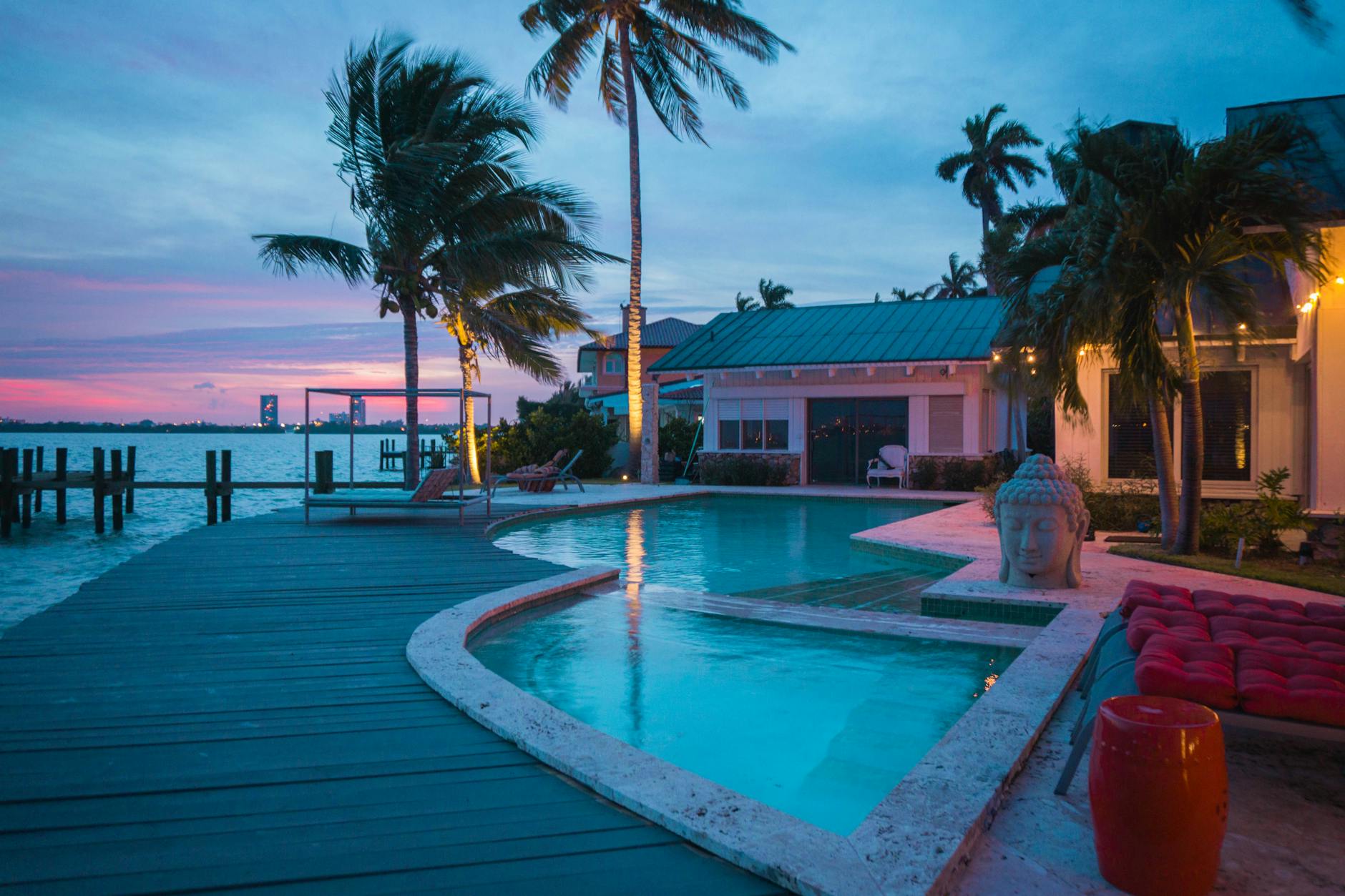
South Florida’s waterfront real estate is among the most desirable in the country and among the most technically demanding to purchase correctly. Seawall conditions, flood insurance economics under Risk Rating 2.0, dock permits, marine electrical safety, and tidal flooding patterns are all property-specific, and the right answers require local expertise that goes beyond a standard real estate transaction.
At MJI Realty Group, waterfront transactions are a core part of our South Florida luxury practice. We know which submarkets carry the highest seawall replacement risk, which canal systems offer genuine deep-water access versus nominal water frontage, and which insurance structures work best for high-value coastal properties. If you are evaluating a South Florida waterfront property, talk to us before you make your offer. Assembling the right due diligence picture early protects your investment and puts you in a far stronger negotiating position.
Real estate decisions depend on individual circumstances. This article is general information about waterfront property due diligence in Florida and is not legal, engineering, or insurance advice for your specific situation. Consult a licensed Florida real estate attorney, a qualified marine contractor, and a licensed insurance professional for guidance specific to your purchase.