When Public Exposure Doesn’t Serve the Seller

Most real estate advice treats maximum exposure as a universal good. List on every platform, hold open houses, generate competition, accept the highest bid. For the majority of properties at the majority of price points, that logic holds. For a significant segment of South Florida’s luxury market, it doesn’t.
At price points above $3 million, and particularly above $5 million, a meaningful portion of sellers actively prefer not to list publicly. Their reasons are specific and rational. Security concerns, privacy requirements, business circumstances that preclude public disclosure of personal assets, and the desire to avoid the public stigma of a property that sits on the market for months, all point toward a private sale process. For this segment, the traditional marketing playbook creates problems rather than solving them.
A quiet sale, conducted through a broker’s private network rather than the MLS and public listing platforms, is a legitimate and commonly used structure in South Florida’s high-end market. It involves the same legal requirements as any other sale, including Florida’s mandatory seller disclosure obligations. The difference is in how buyers are sourced, how showings are controlled, and how much of the seller’s circumstances become visible during the process. Done correctly, a private sale delivers the right buyer at the right price without the disruption and exposure of a traditional listing.
What a Quiet Sale Process Actually Looks Like
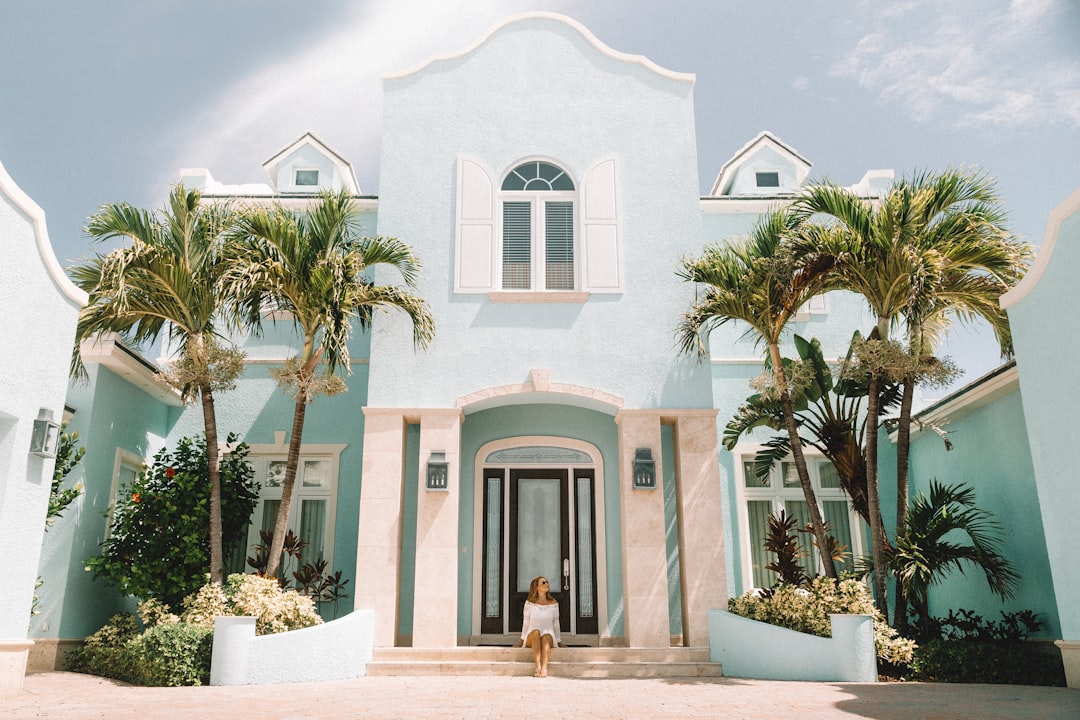
A quiet listing is not a listing at all in the traditional sense. It is a broker-to-broker and broker-to-buyer outreach conducted entirely through private channels. The seller’s broker identifies a targeted list of potential buyers from three sources: their own buyer client list, relationships with other brokers who have represented serious buyers in the relevant price range, and direct outreach to qualified buyers who have expressed interest in specific property types.
The outreach is deliberate and controlled. Rather than broadcasting the property to every agent on an MLS, the broker contacts a handful of buyer agents and direct buyers whose criteria match the property. Each contact is governed by the seller’s confidentiality preferences. In some cases, the address isn’t revealed until a non-disclosure agreement is in place. In others, the address is shared but detailed photos remain restricted until after a preliminary qualifying conversation.
Showings are by appointment, with qualified buyers only, often with a signed NDA or a proof-of-funds requirement before scheduling. There are no open houses, no public signs, and no online presence beyond what the seller specifically approves. For a seller in a high-profile professional role, going through a divorce, or managing an estate sale, this level of control over who knows the property is available and on what terms is not a preference. It’s a requirement.
The process is supported by Florida real estate law. The Florida Department of Business and Professional Regulation governs licensed real estate professionals in Florida and sets the conduct standards for all brokerage transactions, including office-exclusive and non-MLS listings. Sellers who want a private process should work with a broker who understands both the legal structure and the practical mechanics.
Pricing a Luxury Property Without Full Market Exposure

One of the genuine challenges in a private sale is pricing accuracy. Public listing generates a market test: the price either attracts qualified buyers at an acceptable pace or it doesn’t, and the feedback comes quickly through showing activity and offers. In a private process, that feedback loop is compressed. You have fewer data points, fewer competing bids, and less transparent market signal about whether the asking price is accurate.
Pricing a luxury property without full market exposure requires a more rigorous pre-market analysis. Your broker should provide a detailed comparative market analysis using closed sales of genuinely comparable properties, not just the closest similar listings. For a $7 million estate in Coral Gables, the pool of comparable closed sales in the past 12 months may be very small. A skilled broker fills the gap with broader analysis: price per square foot adjusted for lot size, water access, finishes, and condition, as well as knowledge of what motivated buyers in the segment have paid for comparable properties in non-public transactions.
Setting the price too high in a private process carries a different risk than in a public listing. In a public listing, an overpriced property accumulates days on market that buyers see and interpret as a signal. In a private process, an overpriced property simply produces no offers, and the seller’s window of quiet marketing closes without a transaction. If the property then goes to public listing, it often does so with a price reduction that signals the private process failed, which is a harder starting position than listing publicly from day one.
Price the property correctly from the start of the private process. A boutique brokerage with a strong track record in your specific price range and submarket, and honest pricing guidance, is the safest path to a successful quiet sale.
Florida Disclosure Requirements Still Apply
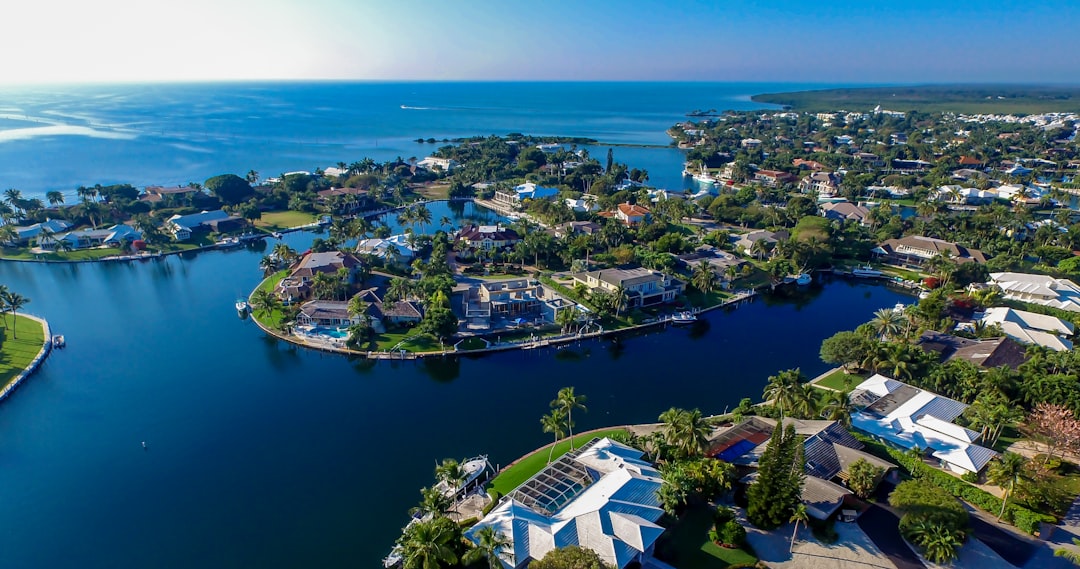
A private sale does not reduce or eliminate Florida’s seller disclosure requirements. This is the most important legal point for sellers considering a quiet transaction to understand. Florida law requires sellers to disclose all known material defects that are not readily observable and that a buyer wouldn’t necessarily discover through a standard inspection.
The Johnson v. Davis standard, established by the Florida Supreme Court, holds that sellers must disclose facts that materially affect the value of the property and are not readily observable by buyers. This includes: known water intrusion or flooding history, roof leaks or defects, mold or mold remediation history, foundation issues, known defects in major systems such as HVAC, plumbing, or electrical, and any other condition a reasonable buyer would want to know before purchasing.
Florida sellers use the Seller’s Real Property Disclosure form to document known defects. In a private transaction, this form is provided to the buyer before contract execution, just as it would be in a public listing. Sellers who fail to disclose known material defects expose themselves to fraud claims and potential rescission of the contract even after closing.
The Florida Realtors provides guidance to members and consumers on disclosure requirements that are updated as Florida real estate law evolves. Sellers considering a private transaction should review their disclosure obligations with a Florida real estate attorney before the process begins, not after a buyer surfaces.
Fair Housing laws under HUD regulations also apply equally to private sales. A seller cannot restrict access to their property or decline to sell based on any protected class, including race, color, religion, sex, national origin, disability, or familial status, even in a non-public transaction.
Vetting Buyers Without a Public Offer Process

In a traditional listing, the offer process does some buyer vetting for you. Pre-approval letters, earnest money, and the structure of the offer itself signal financial seriousness. In a private sale, you are doing more of that vetting before the offer stage, and the quality of that pre-screening determines whether you ever see a credible offer.
The standard for buyer pre-qualification in a luxury private sale is higher than in a public listing context. Before scheduling a showing, a seller’s broker should confirm:
- Proof of funds or financing: A letter from a bank or private lender confirming the buyer has capacity to close at the expected price range. For cash transactions, which are common in South Florida luxury above $3 million, a bank statement or private wealth manager confirmation is standard.
- Buyer background: The seller’s broker should have a reasonable sense of who the buyer is, through their representing broker’s referral, the buyer’s professional profile, or direct prior relationship. This is not a requirement to verify every detail, but it is standard due diligence in a transaction that requires the seller to allow a stranger into their home before any public marketing has occurred.
- Non-disclosure agreement: For very high-profile sellers, or properties where the listing itself would be newsworthy, a simple NDA before revealing the property address or interior photos is common and legally straightforward.
The goal is to ensure that every showing involves a buyer who is genuinely capable of purchasing and genuinely interested, not a curious neighbor or a competitor seeking market intelligence. A good broker filters this traffic before the seller ever interacts with a potential buyer.
Timeline: What to Expect from a Quiet Sale
The timeline of a private luxury sale in South Florida varies significantly based on price point, property type, and market conditions. A general framework helps sellers plan their expectations before committing to the approach.
The first phase is broker selection and market preparation, typically two to four weeks. This includes the broker’s pricing analysis, preparation of marketing materials for private distribution, photography if the seller permits it, and agreement on the buyer outreach strategy. Some sellers want outreach to begin immediately. Others want the property in showroom condition before any buyers tour.
The private marketing phase, the period during which the broker is actively reaching out to potential buyers and their brokers, typically runs four to twelve weeks at the luxury price point. The pace depends on how specific the property’s buyer profile is. A $4 million Coral Gables waterfront home has a broader pool of potential buyers than a $25 million oceanfront Palm Beach estate. The narrower the buyer pool, the longer the quiet marketing period may need to run to surface a qualified, motivated buyer.
Negotiation and contract execution in a luxury transaction typically takes one to three weeks once an interested buyer is identified. Luxury contracts often include extended inspection periods, custom contingencies, and specific closing timelines that require more negotiation than standard residential contracts.
From accepted contract to closing in a luxury South Florida transaction, allow 45 to 90 days, depending on whether there is financing involved and how complex the title picture is. Cash closings can move faster. International buyers using wire transfers from foreign accounts should plan for additional compliance steps that extend the timeline.
If the quiet process doesn’t produce a buyer within the agreed marketing period, the seller and broker should assess honestly whether the price, the presentation, or the strategy needs adjustment before deciding whether to move to a public listing.
Selling Quietly with MJI Realty Group
Discretion is not an add-on at MJI Realty Group. It is the default. Typical Florida brokers don’t have to offer their clients real estate confidentiality because they don’t have to. We don’t have to either, but we do. Our sellers’ circumstances, financials, and motivations are not shared beyond what is necessary to bring the right buyer to the table, and we structure our outreach accordingly.
Our contact network in South Florida’s luxury market spans the buyer agents and direct buyers who are actually in the market at price points above $2 million. We know who has been looking, what they’ve passed on, and what they are still waiting for. That knowledge is what makes a private listing productive rather than just quiet.
If you are considering selling a luxury property in South Florida and want to understand what a private sale process would look like for your specific property and circumstances, we are available to have that conversation without any commitment on your part. The conversation starts with what you own, what you want to achieve, and how much exposure you are comfortable with.
Real estate decisions depend on individual circumstances. This article is general information about private luxury sale processes in Florida and is not legal advice for your specific situation. Consult a Florida real estate attorney regarding your specific disclosure obligations and sale structure before proceeding with any transaction.