The Real Cost of Insuring a Luxury Florida Home

Before your first offer on a South Florida estate, get an insurance quote. Not after the inspection. Not during attorney review. Before the offer. In 2026, insuring a luxury property in Miami-Dade, Broward, or Palm Beach can add $15,000 to $30,000 or more per year to your carrying costs, and for some waterfront estates, that number climbs higher. That is not a rounding error. That is a real operating cost that belongs in your underwriting from day one.
Florida homeowners insurance averaged $11,759 per year in 2026 for $300,000 in dwelling coverage, nearly five times the national average of $2,377. For luxury homes in coastal South Florida with replacement costs of $2 million, $5 million, or more, annual premiums routinely run $20,000 to $50,000. Some properties facing Biscayne Bay or the Atlantic carry wind and flood premiums that exceed six figures.
This is not a reason to walk away from Florida. The state’s lifestyle, tax advantages, and real estate market remain compelling. But insurance is now a material transaction cost that every serious buyer, seller, and investor must price in before signing anything.
Why Florida Premiums Are the Highest in the Nation
Florida’s insurance market reached its current state through a combination of geography, litigation, and years of market dysfunction. Understanding why costs are high helps buyers evaluate individual properties more accurately.
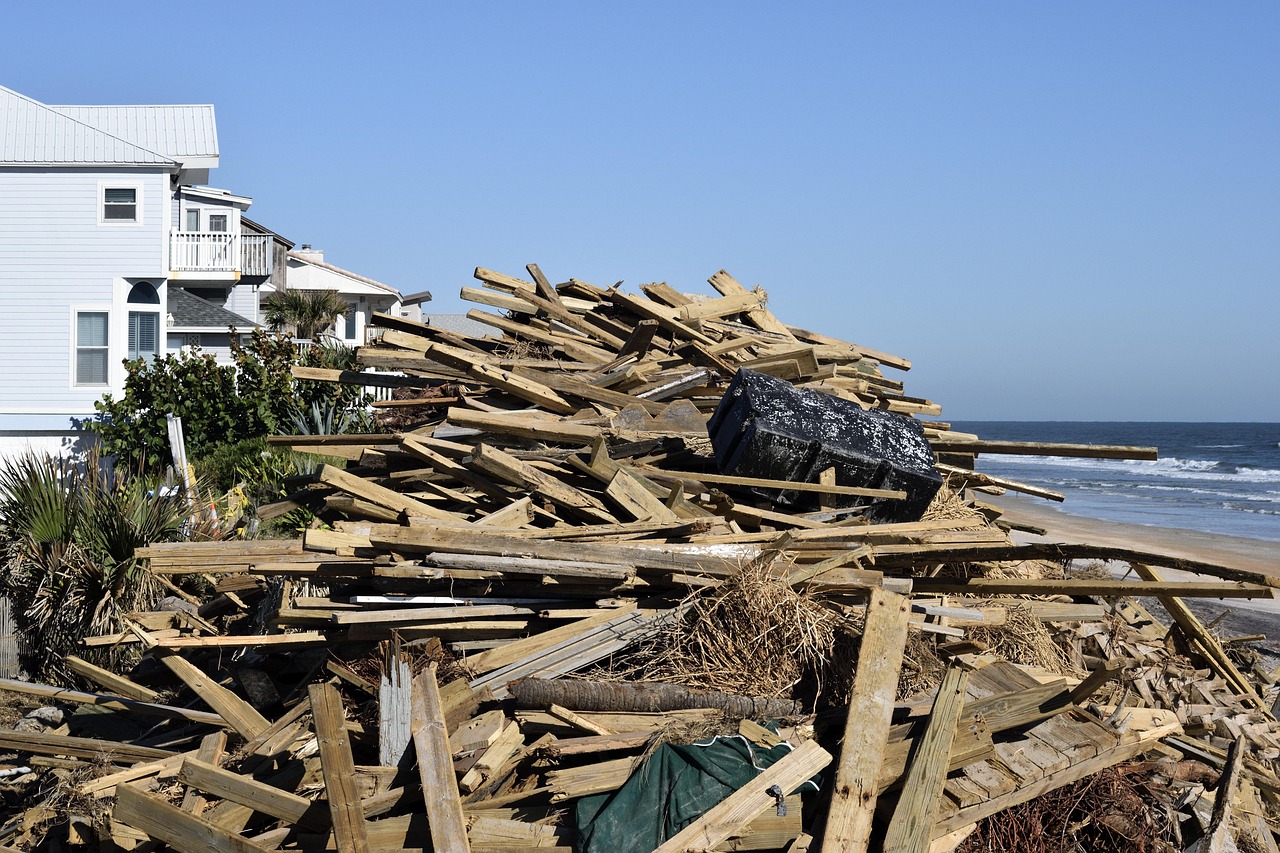
The geography is the obvious part. Florida has more coastline than any state except Alaska, which means hurricane exposure at scale. When a major storm makes landfall, the industry pays out billions in claims. Reinsurers, the companies that insure the insurance companies, price this risk into their own rates annually. When reinsurance costs spike after a major storm season, that cost flows directly to policyholders within months.
The litigation piece was the less obvious driver, and it is the one that most damaged the market between 2018 and 2023. Florida had developed a legal environment where assignment-of-benefits fraud and attorney fee multipliers made property insurance claims extraordinarily profitable to litigate, even for small or questionable claims. Carriers exited the Florida market rather than absorb the losses. At the peak of the crisis, more than a dozen insurers became insolvent or left the state entirely.
The reforms that followed, specifically Senate Bill 2-A in 2022 and House Bill 837 in 2023, changed the litigation rules significantly. Since those reforms took effect, insurance litigation in Florida has fallen nearly 50%, according to Florida Realtors. Private carriers are returning to the market. Citizens Property Insurance, the state’s insurer of last resort, shed more than half its policies in 2025, dropping from roughly 800,000 to under 400,000 active policies.
What’s Changing in 2026: Market Stabilization
The market is stabilizing, and for buyers who have been watching from the sidelines, 2026 looks meaningfully different from 2023 or 2024.
Citizens Property Insurance approved an average 8.7% rate reduction statewide for 2026, with larger reductions in the hardest-hit markets: 14.1% in Broward County and 13.9% in Miami-Dade County. The Florida Insurance Commissioner confirmed in April 2026 that both the home and auto markets have stabilized. Reform-driven cost savings have already delivered an estimated 14.5% reduction in what premiums would otherwise have cost without the legislative changes.
An emergency insurance assessment placed on all Florida policyholders will end October 1, 2026, two years ahead of schedule. The Florida Office of Insurance Regulation estimates that ending the charge early will save Florida homeowners and businesses up to $650 million through September 2028.
None of this means premiums are low. They are not, and they will not be for years. But the direction has changed, and buyers entering the market now are looking at a fundamentally different insurance environment than those who closed in 2022 or 2023. More private carriers, more competitive pricing, and a litigation environment that no longer drives responsible insurers out of the state.
Citizens Property Insurance and the Luxury Buyer
Citizens Property Insurance is Florida’s state-backed insurer of last resort, created to provide coverage when private carriers won’t. For years it was the only option for many South Florida homeowners. Understanding how Citizens works, and where it falls short for luxury properties, is essential for any high-end buyer.
The critical limitation: Citizens has a coverage cap of $700,000 for personal residential dwellings in most markets. A luxury estate with a replacement cost of $2 million or more far exceeds that threshold. Buyers of luxury properties need private market coverage, often through surplus lines carriers or specialty insurers who write high-value policies designed for homes with premium finishes, custom architecture, and elevated replacement costs. These carriers assess your property differently than standard market writers, and the underwriting process takes longer. Factor that into your closing timeline when you are working on a purchase.
Citizens also now mandates flood coverage for higher-value homes. Beginning January 1, 2026, any Citizens personal residential policyholder with a home insured for $400,000 or more must carry flood insurance as a condition of maintaining wind coverage. By January 1, 2027, that requirement extends to all Citizens personal residential policyholders regardless of home value, as Citizens Property Insurance confirmed. For luxury buyers covered by private carriers, flood insurance remains a separate but equally important conversation.
Flood Insurance: No Longer Optional for High-Value Homes
Flood insurance and homeowners insurance are two completely separate policies. A standard homeowners policy covers wind damage, fire, theft, and liability. It does not cover flood. If a storm surge from a hurricane pushes three feet of water through a $5 million estate, the homeowners policy does not respond. The flood policy does.
Flood insurance in Florida comes from two sources: the National Flood Insurance Program (NFIP), administered by FEMA, and private flood carriers. The NFIP caps coverage at $250,000 for the structure and $100,000 for contents, which is wholly inadequate for luxury properties. Most luxury buyers need private flood coverage, often called excess flood, that sits above the NFIP policy or replaces it entirely. Private flood markets have expanded significantly in Florida as carriers entered the state over the past two years, and competitive pricing is more available now than at any point during the prior crisis period.
FEMA flood zone designation matters enormously for both insurability and cost. Properties in high-risk zones carry mandatory flood insurance requirements when there is a federally backed mortgage, and they face higher premiums regardless of financing method. Check the FEMA flood map for any property before making an offer. Here is what the main designations mean for South Florida buyers:
- Zone V / VE: Coastal high-hazard areas subject to wave action. Highest flood risk, highest premiums. Common on ocean-facing properties in Miami Beach, Fort Lauderdale Beach, and Palm Beach.
- Zone A / AE: High-risk areas without significant wave action. Common along canals, bays, and Intracoastal Waterway properties throughout Miami-Dade, Broward, and Palm Beach counties.
- Zone X: Moderate-to-low risk. Flood insurance is not required by lenders, but for waterfront-adjacent or low-lying properties, private flood coverage is still worth carrying.
Private flood policies frequently offer better terms and higher limits than the NFIP for high-value properties. Ask your insurance broker to quote both side by side before committing to a structure.
Wind Mitigation Inspections: The Most Effective Premium Reducer
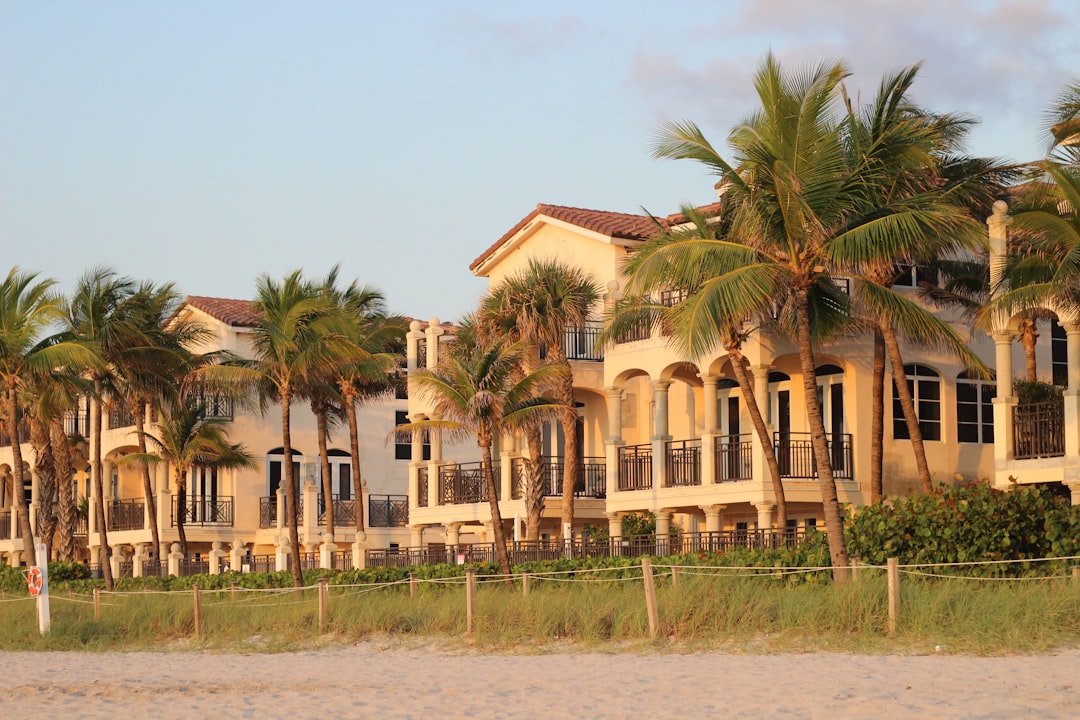
If you are buying a luxury home in Florida and the seller does not have a current wind mitigation report, get one. It is one of the highest-returning steps in the purchase process.
A wind mitigation inspection documents the features of a home that reduce its vulnerability to hurricane wind damage: the shape of the roof, how the roof deck is attached, how the roof connects to the walls, and whether openings are protected with impact-rated windows and doors or hurricane shutters. A state-certified inspector conducts the inspection using the OIR-B1-1802 form, which was updated by the Florida Office of Insurance Regulation in April 2026. The inspection costs $75 to $150 and takes about an hour. The report is valid for five years.
Florida law requires insurers to give premium credits for verified wind mitigation features. Those credits can reduce the windstorm portion of your premium by up to 88%. For a luxury South Florida home paying $25,000 annually in premiums, that is a reduction worth thousands of dollars per year, compounding over the life of your ownership. Homes built after 2002 under the Florida Building Code generally perform well on these inspections. Older homes, particularly those built before 1994 when the code was substantially strengthened after Hurricane Andrew, may show fewer qualifying features and can present an opportunity to negotiate seller concessions for upgrades.
When buying a luxury home, request the existing wind mitigation report as part of your due diligence package. If there is none, or the existing report is more than five years old, order a fresh inspection. It costs almost nothing and can immediately affect how you shop for coverage and what you negotiate on the contract.
Insurance Due Diligence Before You Make an Offer

Insurance due diligence on a luxury Florida property should happen before the offer, not during the inspection period. Here is what to pull together before you are under contract:
- Current insurance declarations page: Ask the seller for their current policy. What is it covering, at what cost, and which carrier is writing it? If the carrier is a name you do not recognize, verify their standing through the Florida Office of Insurance Regulation.
- Claims history (CLUE report): The Comprehensive Loss Underwriting Exchange report shows five years of claims on the property. A history of water intrusion, mold remediation, or multiple wind claims can affect your ability to get coverage and at what price.
- Wind mitigation report: Request this early. A missing or expired report is a signal to order one before going under contract.
- Roof condition and age: Many Florida carriers will not write a policy on a roof older than 15 years, or they apply a roof-only endorsement at elevated rates. Know the roof age before you commit to a purchase.
- FEMA flood zone: Check the property’s flood zone designation before the offer on any waterfront or canal-adjacent property. Get a flood insurance quote as part of your pre-offer cost analysis.
- HOA master policy (condos): For luxury condos, the association carries a master policy covering the building structure. Understand whether it is walls-in or bare-walls coverage so your individual unit policy fills the right gaps without duplication.
Running this checklist before you are under contract protects you from discovering an uninsurable or cost-prohibitive insurance situation after you have already committed financially and emotionally to a property. It also gives you real data to negotiate from if the insurance picture reveals deferred maintenance or a problematic claims history.
Buying Smart in South Florida’s Luxury Market
Florida’s insurance market in 2026 is more manageable than it has been in years, but it still requires specific knowledge that generalist buyers’ agents don’t always carry. When you are buying a luxury estate in Miami, Palm Beach, or Fort Lauderdale, the broker you work with should flag insurance red flags in a listing before you make an offer, connect you with surplus lines brokers who specialize in high-value homes, and help you understand the true cost of ownership, not just the purchase price.
At MJI Realty Group, we build insurance considerations into every luxury transaction from the start. Properties close faster and cleaner when the insurance picture is understood before the offer goes in. If you are evaluating a luxury Florida property and want a frank conversation about what the full carrying costs look like, we are available to talk it through.
Real estate decisions depend on individual circumstances. This article is general information about Florida’s homeowners and flood insurance market and is not legal, tax, or insurance advice for your specific situation. Consult a licensed Florida insurance professional and an attorney for guidance tailored to your transaction.