Coconut Grove’s Place in Miami’s 2026 Luxury Market
A renovated three-bedroom bungalow on a canopy street in Center Grove closed this year in the high $2 million range. A few blocks east, a rebuilt modern home on a deep-water lot facing Biscayne Bay listed north of $18 million. Both sit inside the same 3.6-square-mile neighborhood. That spread is normal in Coconut Grove, and it is exactly why buyers need a pocket-by-pocket read of the market rather than a single headline number.
South Florida’s luxury segment kept climbing through the first half of 2026. According to MIAMI REALTORS research, the region’s condominium luxury price threshold rose to $2.3 million and the ultra-luxury threshold reached $6.0 million in the first half of the year, with combined sales of homes priced at $1 million and above up more than 21 percent year over year. South Florida also recorded 346 transactions at $10 million or more in that same window, and 87 percent of those closed in cash.
Coconut Grove sits inside that current. It offers something Brickell towers and Miami Beach barrier islands do not: a low-rise, tree-covered street grid a short drive from Downtown Miami and Coral Gables, with waterfront lots, historic bungalow blocks, and a walkable village core all inside the same zip code. That mix is drawing both relocating families who want yard space and privacy, and investors who want a boutique condo they can lock and leave.
The buyer pool shows up on both ends of that spread. Families relocating from the Northeast and the Midwest tend to target the bungalow streets west of US-1, where a fenced yard, a two-car garage, and proximity to Ransom Everglades and Gulliver Prep carry more weight than a water view. Second-home buyers and out-of-state investors gravitate toward the new towers along Bayshore Drive, where a locked door and a concierge desk matter more than lawn maintenance. Pricing conversations in the Grove go sideways fast when a seller or a buyer compares across those two pools instead of within one of them.
Reading the Grove by Pocket, Not by Zip Code
Coconut Grove breaks into distinct micro-markets, and pricing a property off the wrong one is the single most common mistake we see buyers and sellers make here. A comp two blocks away can sit in a completely different flood zone, school pattern, or construction era, and none of that shows up in a simple price-per-square-foot average.
Three pockets drive most of the activity: the waterfront finger streets closest to Biscayne Bay, the historic bungalow blocks in Center Grove, and the new-construction corridor along Bayshore Drive. Each one has its own buyer, its own price ceiling, and its own due diligence list, covered below.
The Waterfront: Bayshore Drive and the Point Lots
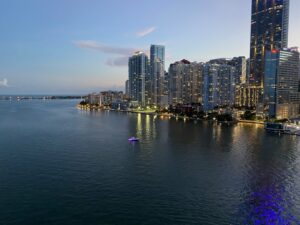
Bayshore Drive and the finger streets running to Biscayne Bay, Munroe Drive, Kirk Street, Poinciana Avenue, and Camp Biscayne, carry the Grove’s highest price points. Deep-water lots with dock access and unobstructed bay views regularly command $2,000 to $2,150 per square foot for newly built or fully renovated homes, on par with Ponce Davis as the top of Miami’s mainland market. Older seawalls and docks on these lots need a structural review before closing; seawall replacement on a large waterfront parcel can run into six figures, and that cost belongs in the negotiation, not as a post-closing surprise.
Lot depth and bay orientation matter as much as square footage on these streets. A north-facing point lot with unobstructed downtown skyline views commands a premium over a comparable lot tucked behind a neighboring dock, even when both sit on the same block. Buyers serious about a Bayshore-area purchase should walk the property at both high and low tide before making an offer, since dock usability and seawall exposure change more than most inland buyers expect.
Center Grove and the Historic Bungalow Blocks
Interior streets around Main Highway, Charles Avenue, and the blocks west of US-1 hold Coconut Grove’s older housing stock: 1920s and 1930s Mediterranean Revival and coral rock bungalows on lots shaded by mature banyan and oak trees. Non-waterfront homes in these pockets typically trade in the $2 million to $4 million range for updated three- and four-bedroom properties, with price per square foot running roughly $900 for typical resale stock, well below waterfront and trophy pricing. Miami-Dade’s tree protection ordinance restricts removal of protected species on these lots, which matters for anyone planning an addition or a teardown.
Age is the recurring due diligence issue here. Homes built before the 1970s often carry original cast iron or galvanized plumbing, knob-and-tube or early aluminum wiring in unrenovated sections, and roofs approaching the end of their insurable life. A full four-point inspection covering roof, electrical, plumbing, and HVAC is worth ordering before writing an offer on any Center Grove property that has not been substantially renovated, since insurers increasingly require one on homes over 30 years old before binding a policy.
New Construction Reshaping the Grove Skyline
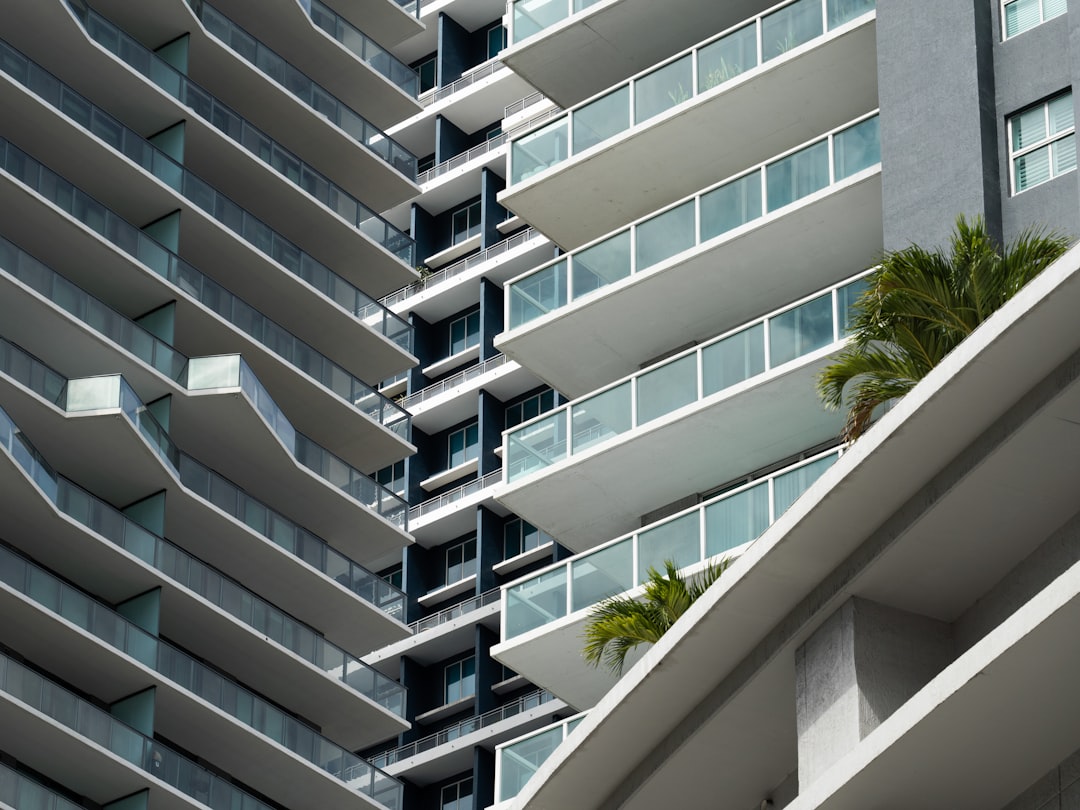
The Grove’s low-rise character is changing along its eastern edge. Park Grove’s three towers, Mr. C Residences Coconut Grove, and a run of newer boutique buildings have added condo inventory that did not exist a decade ago, priced well above the neighborhood’s older mid-rise stock. Buyers drawn to the Grove for its bungalow streets are increasingly choosing these towers instead, trading a yard for concierge service, private elevators, and marina-adjacent amenities.
That shift matters for two reasons. First, it has pulled a segment of cash-heavy, out-of-state buyers into the neighborhood who might otherwise have looked only at Brickell or Miami Beach; Florida Realtors reporting notes that out-of-state buyers made up 10 percent of domestic purchasers in South Florida in the first half of 2026, up from 7 percent the two years prior, and that these buyers tend to carry a higher luxury price threshold than Florida resident buyers. Second, it has widened the gap between what a Grove address means on paper and what it actually delivers, since a condo at Park Grove and a bungalow four blocks away serve completely different lifestyles despite sharing a zip code.
Flood Zones and Insurance: What the Grove’s Bay Frontage Means
Coconut Grove’s waterfront advantage comes with a flood-mapping reality every buyer should confirm before writing an offer, not after. Properties closest to Biscayne Bay commonly fall into FEMA Zone AE, and some waterfront parcels carry a Zone VE designation, which applies stricter construction and elevation standards because of wave-action risk. Interior streets sit at varying elevations and are not automatically exempt; Miami-Dade County has updated its water control map and county flood criteria to raise minimum flood protection elevations and account for sea level rise, which can move a property into a different flood category even without a change to the underlying FEMA map.
Before closing, pull the current flood zone designation directly from Miami-Dade County’s flood zone maps and check for open preliminary map revisions through FEMA’s flood map service. An elevation certificate on an older Grove home can be the difference between a manageable insurance premium and one that reshapes the deal. On a $3 million to $5 million property, that is not a line item to skip.
Insurance availability has stabilized somewhat in South Florida as more private carriers have returned to the market, but pricing on older waterfront homes remains sensitive to roof age, wind mitigation features, and flood zone. A wind mitigation inspection documenting hurricane straps, impact windows, and a roof-to-wall connection can lower a premium meaningfully and is inexpensive relative to the savings. Sellers who order one before listing, rather than leaving it to the buyer’s underwriting process, tend to move through the insurance contingency faster.
Condo Buyers: Milestone Inspections and Reserve Requirements
Anyone buying into one of the Grove’s condo towers, new or older, is buying into Florida’s post-Surfside condo safety framework, and it changes what due diligence looks like. State law requires an initial milestone structural inspection once a residential condominium building three stories or taller reaches 30 years of age, with a follow-up inspection every ten years after that. Associations covering buildings of that height must also complete a structural integrity reserve study addressing eight specific building components, including the roof, load-bearing structure, and waterproofing, and boards can no longer waive or reduce reserve funding tied to those components. Full requirements and current compliance status for a specific building are posted through the Florida DBPR’s condominium inspection resources.
For a buyer, that translates into three questions before signing a contract on any Grove condo built before the mid-1990s: has the milestone inspection been completed, what did the structural integrity reserve study find, and is the current reserve fund actually covering the cost of that work. A building that has done this homework transparently is a stronger long-term hold than one competing purely on a lower monthly assessment today.
Newer towers like Park Grove and Mr. C Residences are too young to trigger the 30-year milestone requirement, but their reserve studies still matter to a buyer thinking about resale in ten or fifteen years. Ask for the study, not just the assessment schedule.
Special assessments are the risk that catches buyers off guard most often. A building that deferred maintenance for years can pass its milestone inspection and reserve study only to hand every owner a five- or six-figure assessment to fund the resulting repair work. Before making an offer, request the association’s last two years of board meeting minutes alongside the reserve study; minutes often flag a looming assessment months before it is formally voted on.
Coconut Grove as an Investment: Rental Demand and the Village Core

The Grove’s investment case runs on more than single-family appreciation. CocoWalk and the surrounding retail and restaurant corridor along Grand Avenue and Commodore Plaza give the neighborhood a walkable commercial spine that supports both long-term rental demand and, for owners who qualify under current county and city rules, short-term rental income on condo units zoned to allow it. Investors weighing a Grove purchase against other South Florida submarkets should confirm short-term rental eligibility at the building or municipal level before underwriting that income, since rules vary block to block and have tightened in parts of Miami-Dade in recent years.
For owners selling an existing investment property to trade into the Grove, a properly structured like-kind exchange can defer the capital gains hit; the mechanics and strict identification deadlines are set out directly by the IRS’s guidance on Section 1031 exchanges. Given how far Grove pricing has run in 2026, structuring the exchange correctly on the front end is worth the extra planning time before a sale closes.
Commercial buyers are watching the Grove’s village core for the same reason residential buyers are watching Bayshore Drive. Office and retail space along Grand Avenue and around the Mayfair block has drawn interest from owner-occupant professional practices, medical and dental offices in particular, that want a walkable address without a downtown high-rise price tag. That demand has kept vacancy in the corridor tighter than in comparable mainland Miami retail strips, though any buyer underwriting a specific building should still confirm current occupancy and lease terms directly rather than relying on neighborhood-level averages.
Working With a Boutique Brokerage in the Grove
Coconut Grove rewards buyers and sellers who work the neighborhood at the pocket level rather than the zip code level. A waterfront lot on Kirk Street, a bungalow off Charles Avenue, and a two-bedroom at Park Grove are three different transactions with three different diligence lists, and pricing any of them off the wrong comp costs real money in either direction.
At MJI Realty Group, we work Coconut Grove the way we work every South Florida luxury submarket: property by property, with direct access to off-market listings and buyers who move quickly once the flood, insurance, and association homework checks out. If you are weighing a purchase or a sale in the Grove, we can walk through what a specific property’s pocket, flood zone, and building history mean for price and timeline.
Real estate decisions depend on individual circumstances; this is general information, not legal, tax, or investment advice for your specific situation.