The Biscayne 21 Case That Redefined Condo Termination
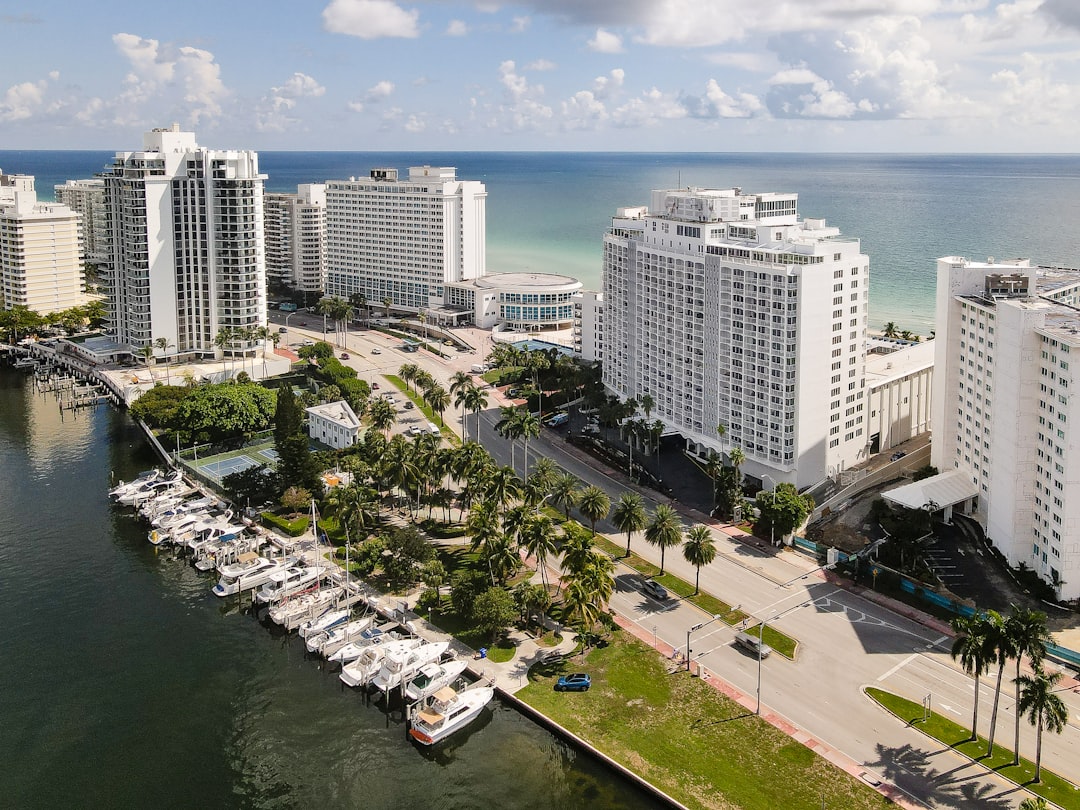
In 2023, the developer behind a 1960s waterfront tower in Miami’s Edgewater neighborhood tried something increasingly common in South Florida: buy out every unit in an aging condominium, tear the building down, and put up something new. Two Roads Development moved to terminate the association at Biscayne 21 and take title to the entire property. A group of owners refused to sell. The dispute reached the Florida Supreme Court, which in October 2025 declined to disturb a lower court ruling that sided with the holdout owners. Two Roads settled with the remaining holdouts in August 2026, ending a fight that had run for nearly three years.
The case matters well beyond one building. Aging condo stock across Miami-Dade, Broward, and Palm Beach counties now carries structural inspection and reserve funding obligations that did not exist before the Champlain Towers South collapse in Surfside. Some boards and owners are choosing to sell to developers rather than fund six and seven figure repair bills. Others are being pressured into a sale they never wanted. For anyone buying, owning, or selling an older Florida condominium, understanding how termination actually works, and how much power an individual owner still holds, is no longer a niche legal question. It is a due diligence item, and it belongs on the same checklist as flood zone status, insurance history, and association reserves.
This matters most for buildings concentrated in exactly the neighborhoods where South Florida buyers are looking hardest right now. Waterfront addresses in Miami-Dade, Broward, and Palm Beach counties tend to be older, because the best sites were developed first, decades before current construction and reserve standards existed.
How Condominium Termination Works Under Florida Law
Florida condominiums are creatures of contract and statute together. The declaration of condominium, the document every buyer receives before closing, sets the rules for amending or ending the association. State law, primarily Florida Statutes Section 718.117, sets the floor and the process. Two pathways exist, and the difference between them decided the Biscayne 21 case.
Unanimous Termination vs. the 80 Percent Optional Method
The original model requires unanimous consent: every unit owner and every mortgage holder must agree in writing before the association can be dissolved and the property sold or redeveloped as a single parcel. Many declarations recorded decades ago, including Biscayne 21’s, still carry this requirement.
In 2007 the Legislature added a faster path for buildings whose declarations opt into it, known as the optional termination method. Under current law, a plan of termination can proceed with approval from 80 percent of the total voting interests, provided no more than 5 percent of the total voting interests object in writing. A plan of termination must also address how sale proceeds will be distributed, typically based on each unit’s ownership share, and when the property is being sold to a third party the plan is reviewed for basic fairness before it takes effect.
Two Roads argued that Biscayne 21’s association could amend its own declaration to drop from the unanimous requirement down to the 80 percent optional method, then use that lower threshold to force the sale through. The courts disagreed. When a declaration was written to require unanimous consent, that promise made to every owner at the time of purchase cannot be quietly rewritten by a board vote after the fact. The holdouts kept their veto.
Why Termination Is Suddenly on the Table Statewide
Termination was a rare event in Florida condominiums for most of the last two decades. It is becoming less rare because the economics of owning an older building have changed.
Following the June 2021 collapse of Champlain Towers South, the Legislature required condominium and cooperative buildings of three or more habitable stories to complete a structural milestone inspection on a fixed age-based schedule, and to fund a Structural Integrity Reserve Study, known as a SIRS, that determines how much money the association must set aside for roofing, load-bearing walls, waterproofing, and other structural components. Waiving those reserves, once a routine vote at many associations, is no longer allowed once a building’s SIRS is complete. Buildings that reached the 30 year mark between July 1, 2022 and December 31, 2024 faced a milestone and SIRS deadline of December 31, 2025; buildings aging into the requirement in 2026 or later face a deadline of December 31 of the year they turn 30, according to reporting on the amended law from Florida Realtors.
For a well maintained newer building, that funding requirement is manageable. For a 1960s or 1970s tower with deferred maintenance, it can mean special assessments of $50,000 to $150,000 or more per unit, layered on top of insurance premiums that have already climbed sharply along the coast. Faced with a bill like that, a buyout offer from a developer, even at a price below what a fully renovated building might fetch, starts to look attractive to owners who cannot cover the assessment or simply want out of a building with an uncertain future. That financial pressure, not necessarily the merits of redevelopment, is what is pushing more terminations onto the table.
What the Florida Supreme Court Decided, and Why It Matters
The Third District Court of Appeal’s ruling in the Biscayne 21 dispute, left intact when the Florida Supreme Court denied review in October 2025, drew a clear line. A declaration’s termination provision is a contract term every buyer relied on when they purchased their unit. A board, even one influenced by a developer working to assemble the building, cannot rewrite that term to a lower threshold simply because a faster method exists elsewhere in the statute.
The practical effect reaches beyond Biscayne 21. Attorneys who track condominium law describe the decision as raising the bar for developers pursuing buyouts of older buildings whose original declarations require unanimous or near unanimous consent. It does not eliminate termination as an option. Buildings whose declarations were drafted with the 80 percent optional method available, or whose owners later amend the declaration properly and unanimously to adopt it, can still terminate on that lower threshold. What changed is that a developer can no longer count on rewriting the rules mid process to clear a stalled buyout.
For current owners, that is real negotiating power. A small group who oppose a sale, in a building whose declaration was written the old way, cannot be forced out by a supermajority alone. It also means a buyer looking at a stalled or contested termination should not assume the developer’s timeline, or the developer’s price, is the only outcome on the table.
What Buyers Should Check Before Purchasing an Older Florida Condo

Termination risk is now a line item in condo due diligence, alongside reserve funding and litigation history. Before making an offer on a Florida condominium built before the 1990s, a serious buyer or their agent should review:
- The termination provision in the declaration of condominium, specifically whether it requires unanimous consent or has adopted the 80 percent optional method
- Whether the building has completed its milestone inspection and Structural Integrity Reserve Study, and what those reports found
- The association’s current reserve balance against the SIRS calculated funding requirement, and whether a special assessment has been proposed or approved
- Any pending litigation involving the association, a developer, or a bulk unit buyer
- The percentage of units already owned by a single buyer or entity, which can signal an assembled position ahead of a termination vote
None of this shows up on a standard listing sheet. The association’s estoppel certificate and financial disclosures, which Florida law requires the seller to provide before closing, are the starting point, but a full board minutes review and a conversation with association management often surface more than the paperwork alone. Cornell Law School’s Legal Information Institute has a useful primer on how the condominium ownership structure works for buyers new to the format.
What Owners Facing a Termination Vote Should Know
Owners on the other side of this, sitting in a building where a termination plan has been proposed, face a different set of questions. The first is whether the declaration requires unanimous consent or the 80 percent optional method, since that single fact determines whether an owner holds an outright veto or only a share of a vote. The second is what the plan of termination actually pays per unit, and how that compares to what the unit would sell for on the open market today, assessment obligations included.
Florida law requires the plan of termination to be recorded and to spell out how sale proceeds will be divided. For optional terminations, the plan is reviewed for basic fairness before it takes effect, but that review is not a guarantee of top dollar. Owners who object in writing within the statutory window preserve their right to challenge the valuation, and in some cases their objection contributes to the count that can defeat the plan outright if enough owners join them.
An owner weighing whether to sign onto a termination, fight it, or sell the unit independently before a vote is called benefits from an independent valuation and a real estate attorney who has handled a termination before. The numbers a developer presents in a termination proposal are the starting point of a negotiation, not the final word.
Working With a Broker Who Understands the Risk
Most Florida condominium purchases and sales never touch a termination proceeding. But the older waterfront and near waterfront buildings that carry some of South Florida’s best locations, in Edgewater, Brickell, Sunny Isles Beach, and along the barrier islands, are disproportionately the ones now facing structural funding requirements. That makes termination risk and redevelopment upside two sides of the same coin, depending on whether someone is buying or selling.
At MJI Realty Group, we walk buyers through the declaration, the reserve study, and the assessment history on any older building before an offer goes in, and we advise owners in aging associations on whether a termination proposal, a private sale, or holding through a renovation cycle makes the most sense for their specific unit and equity position. Discretion matters here too. An owner deciding whether to fight or accept a buyout rarely wants that decision playing out in public.
Real estate decisions depend on individual circumstances, including the specific language in a building’s declaration of condominium, its financial condition, and an owner’s own tax and estate position; this is general information, not legal, tax, or investment advice for your specific situation. Anyone facing an active termination vote should consult a Florida real estate attorney before signing anything. For a confidential conversation about buying into, or navigating a sale out of, an older South Florida condominium, MJI Realty Group can be reached directly.