West Palm Beach’s Luxury Market Is Outpacing Its Neighbors
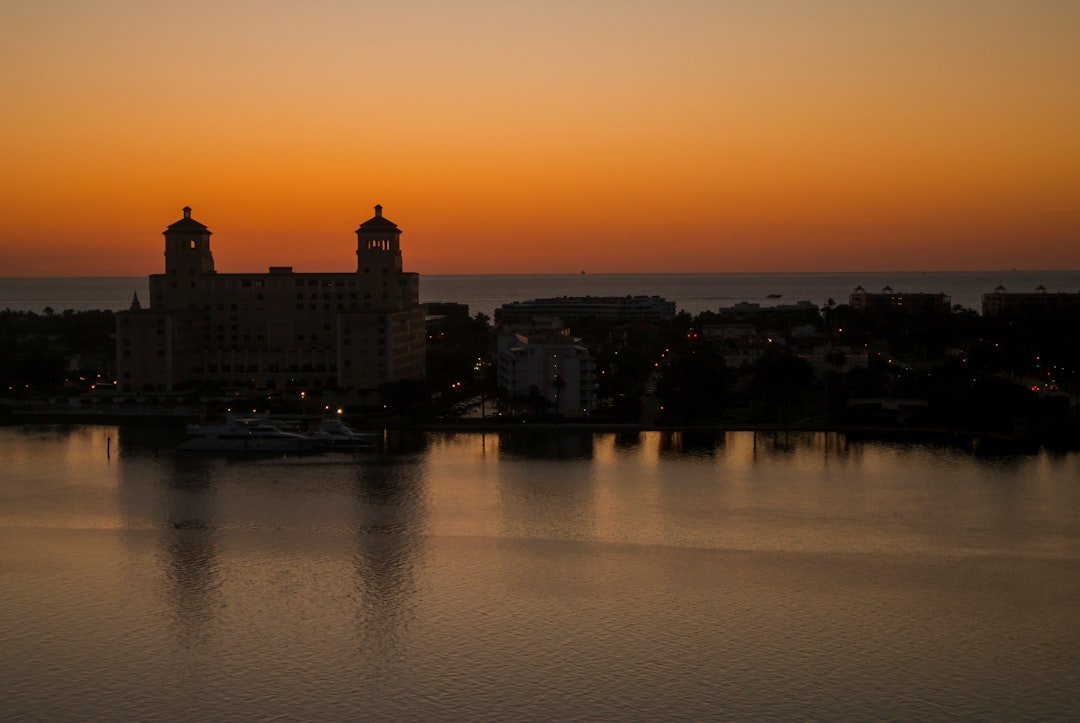
Wells Fargo is moving roughly 100 senior wealth management executives to a new office in West Palm Beach by the end of 2026, the first move of its kind by a major national bank into the city. It joins a wave that has already pulled more than 250 financial firms into Palm Beach County over the past decade, from Goldman Sachs and Citadel to Point72 and Elliott Management. That migration has a name locals use often: Wall Street South. It also has a price tag attached to it.
Luxury single-family homes in the West Palm Beach metro area traded at a median near $4.2 million in the winter of 2025 into 2026, up more than 10 percent from a year earlier. Over the past decade, luxury home values in the market have climbed by roughly 187 percent. That growth has pushed West Palm Beach into the ranks of the most expensive luxury housing metros in the country, trailing only a handful of California markets and Miami for the largest gap between luxury and typical home prices.
None of this is happening in a vacuum. Zero state income tax, a growing base of high earning financial sector employees, and a supply of waterfront and near-downtown inventory that simply cannot expand have combined to push West Palm Beach from a secondary Palm Beach County market into a primary one. For buyers, that means more competition for the best inventory. For sellers, it means real leverage in negotiations, if the property and the pricing strategy are right. At MJI Realty Group, we track this market closely because it now behaves less like a satellite of Miami and more like its own luxury center of gravity.
West Palm Beach vs. Palm Beach: Two Different Markets
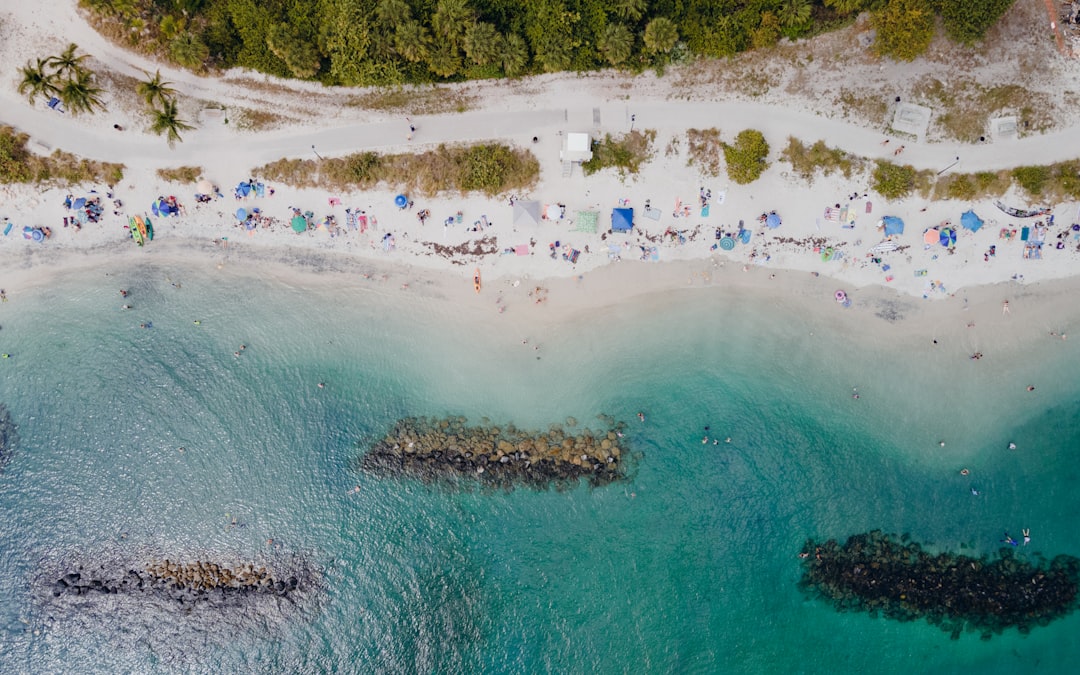
Out of state buyers often use “Palm Beach” as a catchall term, but West Palm Beach and the Town of Palm Beach are two distinct markets separated by the Intracoastal Waterway, and the difference matters when a buyer sets a budget.
The Town of Palm Beach is the barrier island: Worth Avenue, oceanfront estates, and some of the highest per-square-foot pricing in Florida. West Palm Beach is the mainland city on the other side of the bridges, home to downtown high-rises, the historic waterfront neighborhoods south of downtown, and a much larger, more varied luxury inventory that spans single-family estates, historic homes, and new-construction condo towers.
That variety is the point. A buyer priced out of island inventory can find comparable water access, similar architectural quality, and shorter commutes to the county’s financial and medical employment centers on the West Palm Beach side, often at a meaningful discount to island pricing per square foot. Investors see the same dynamic from a different angle: West Palm Beach’s downtown core has a depth of rental and resale demand that a smaller, more insulated barrier island market does not generate at the same volume.
The Neighborhoods That Define West Palm Beach’s Luxury Market
West Palm Beach’s luxury inventory is not concentrated in a single strip. It runs from early twentieth century historic districts along the Intracoastal to glass towers rising downtown. Four neighborhoods anchor most of the activity we see from buyers.
El Cid
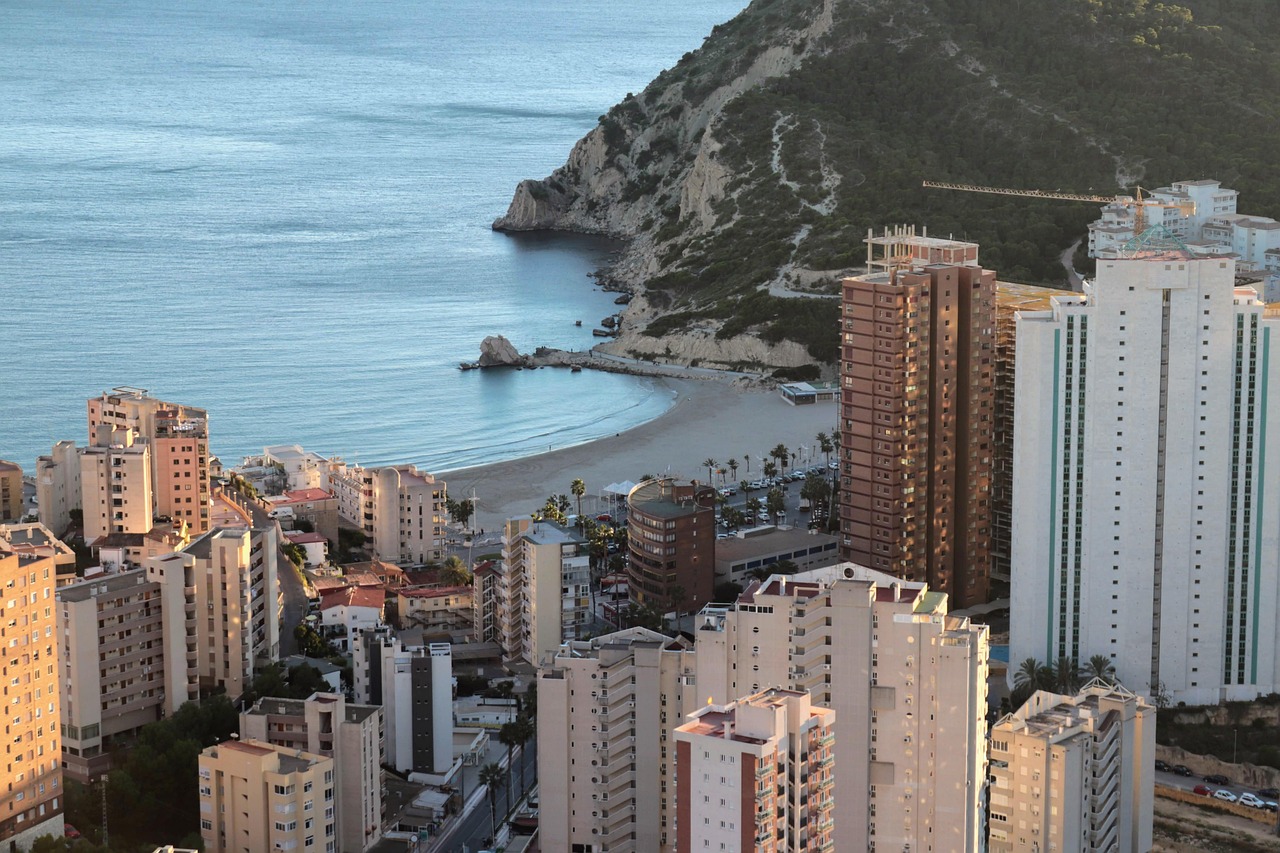
El Cid sits directly on the Intracoastal Waterway just south of downtown and is listed on the National, State, and Local Registers of Historic Places. The housing stock is largely Mediterranean Revival and Mission style architecture from the 1920s, many with private docks and deepwater access that can accommodate larger vessels. For buyers who want boating access without paying island pricing, El Cid is usually the first neighborhood a broker will show.
Flamingo Park

Flamingo Park sits on one of the highest coastal ridges between Miami and West Palm Beach, a fact that matters increasingly to buyers weighing elevation and flood exposure. Roughly 500 properties in the district are listed on the National Register of Historic Places, with a streetscape of Mediterranean and Mission Revival homes on walkable, tree-lined blocks close to downtown dining and the Palm Beach Lake Trail.
Southend and “SoSo”
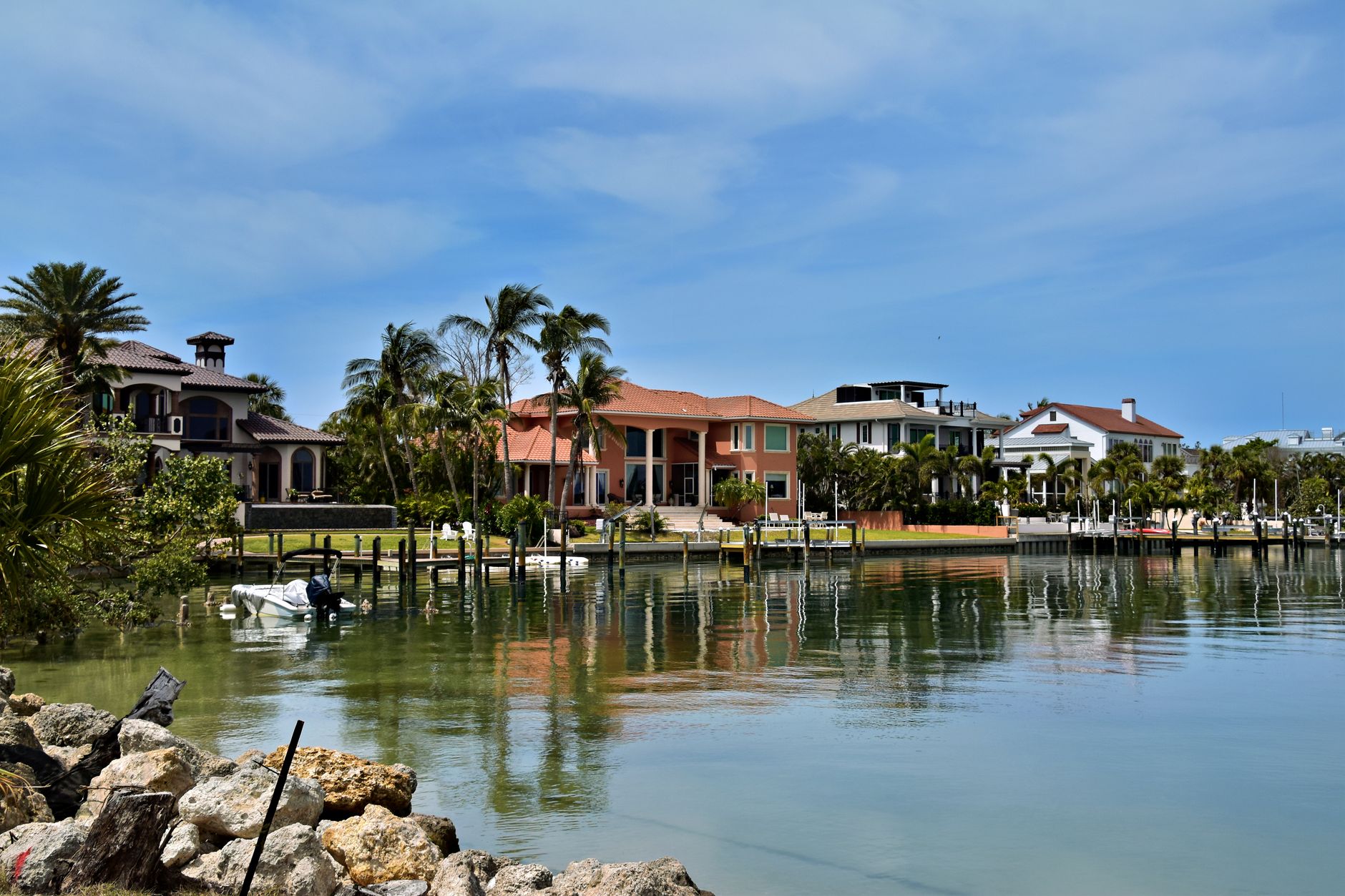
South of Southern Boulevard, the Southend stretches along roughly eight miles of the Lake Worth Lagoon and includes the pocket buyers and agents call SoSo. Waterfront lot sizes here tend to run larger than in the historic districts closer to downtown, which draws buyers building or fully renovating rather than restoring a period home.
Old Northwood and Downtown

North of downtown, Old Northwood offers a second concentration of historic homes with waterfront pockets and quick access to Currie Park. Downtown itself, anchored by Rosemary Square (formerly CityPlace), is where most of the city’s new luxury condo development is happening, with high-rise towers that put buyers within walking distance of restaurants, retail, and the Brightline station connecting to Miami and Orlando.
Why Financial Firms Keep Choosing West Palm Beach

The Business Development Board of Palm Beach County counts more than 250 financial services firms that have relocated or expanded into the county over the past decade, part of a broader shift the industry calls Wall Street South. The county now hosts more than 19,000 companies and roughly 119,000 workers in industries tied to that growth, with an average salary north of $126,000, according to the Business Development Board of Palm Beach County.
Florida’s lack of a personal income tax is the headline reason firms cite, but it is not the only one. Palm Beach County’s population reached an estimated 1.56 million in 2025, up more than 4 percent since 2020, and West Palm Beach itself grew even faster, adding residents at a rate that outpaced most of the county, according to U.S. Census Bureau data. That growth builds the labor pool financial firms need locally, rather than relying entirely on relocated staff.
For real estate, the effect compounds. Every relocated managing director or portfolio manager is a luxury home or condo buyer, often paying cash, often shopping on a compressed timeline that favors sellers who are ready to move and brokers who can source off-market inventory before it hits the open market.
The Luxury Condo Market: Downtown Towers to Waterfront Low-Rises
West Palm Beach’s condo market splits into two distinct tiers, and buyers who treat it as one market often misjudge value. The broader condo market, which includes older, non-luxury inventory across the metro, has actually softened somewhat, with more listings sitting on the market longer than a year ago. That softening does not extend to the luxury tier.
Entry-level luxury condos, both resale units in established buildings and new construction, generally run from roughly $900,000 to $1.5 million. Waterfront and higher-floor units in the newer downtown towers push from $1.5 million into the $4 million range, a sharp climb from where luxury condo pricing sat just a few years earlier. Buyers evaluating this tier should weigh three things beyond price per square foot:
- Building age and reserve fund health, since Florida’s structural inspection requirements for condo buildings three stories and higher have pushed many older associations into large special assessments
- Direct Intracoastal or ocean sightlines versus city-facing units, which carry a real premium in resale value
- Rental restrictions, since some downtown towers cap short-term and even annual rentals in ways that affect an investor’s exit strategy
Newer buildings built after Florida’s post-Surfside safety reforms tend to carry higher HOA dues but lower special assessment risk, a tradeoff worth running through a proforma before committing to a purchase, especially for investors buying with a rental strategy in mind.
Property Taxes, Insurance, and Carrying Costs
Palm Beach County’s effective property tax rate runs close to 1.02 percent of assessed value under the current tax roll, payable to the Palm Beach County Property Appraiser’s Office, with an early payment discount available through November and taxes becoming delinquent after March 31 of the following year. Florida’s homestead exemption can reduce the taxable value of a primary residence, and the state’s Save Our Homes cap limits annual increases in assessed value for homesteaded property, a benefit detailed by the Florida Department of Revenue. Buyers relocating from out of state should note that a newly purchased home is reassessed at market value in the year following the sale, so the prior owner’s tax bill is not a reliable guide to future carrying costs.
Insurance is the other line item that catches relocating buyers off guard. Coastal Palm Beach County properties, particularly older homes without updated roofs, impact windows, or wind mitigation features, can see premiums that meaningfully exceed what a buyer paid in the Northeast or Midwest. Getting a firm insurance quote before waiving a financing or inspection contingency is not optional in this market. It is a required step.
The Investment Case: Appreciation, Rentals, and Risk
For investors, West Palm Beach luxury property offers a different risk and return profile than the Town of Palm Beach or Miami Beach, and the numbers explain why. Luxury single-family values in the metro have climbed roughly 187 percent over the past decade, a faster pace than the broader county’s non-luxury housing stock, which has appreciated but not at the same rate. That gap between luxury and typical pricing, one of the widest of any major luxury metro in the country, tends to widen further when a market has a durable, non-speculative demand driver behind it, and in West Palm Beach’s case that driver is a genuine relocation of financial sector employment rather than short-term investor speculation.
Rental economics differ sharply by product type. Downtown high-rise condos in newer, amenity-rich towers generally support the strongest rental demand, driven by relocating professionals who rent for a year or two while they search for a permanent purchase, plus a smaller pool of seasonal tenants. Historic single-family homes in El Cid, Flamingo Park, and Southend rarely trade as rentals at all. Owners in those neighborhoods are almost always buying for owner-occupancy, which keeps that segment of inventory tighter and less exposed to the swings that hit rental-heavy condo buildings when short-term rental rules or HOA restrictions change.
The risk side of the ledger is real too. Coastal Florida carries hurricane exposure, insurance costs that can move sharply from one renewal to the next, and condo buildings still absorbing the cost of Florida’s post-Surfside structural inspection and reserve funding requirements. An investor running a proforma on a West Palm Beach purchase should stress test the numbers against a higher insurance premium and a fuller reserve contribution than the current HOA statement shows, not just today’s carrying costs. Properties that look attractively priced against older reserve and insurance assumptions can turn into a much thinner return once those numbers catch up to current requirements.
How MJI Realty Group Works the West Palm Beach Market
West Palm Beach rewards buyers and sellers who move with real market knowledge rather than assumptions carried over from the Town of Palm Beach or from Miami. Pricing a historic El Cid waterfront home requires different comparables than pricing a downtown high-rise unit two years old, and the buyer pool for each is different too.
We’re a boutique brokerage devoted to buying and selling luxury real estate for our clients, and West Palm Beach is a market where that approach pays off. Relocating executives and financial sector buyers often need discretion during a search, since a public listing can signal a move before an employer announcement is ready. Sellers with historic or architecturally distinct properties often need a marketing approach built around the property’s story, not a template. Our market expertise sets us apart, and our contact network gives clients access to inventory and buyers that a high-volume brokerage simply does not reach.
If you are considering a purchase or sale in West Palm Beach, whether it is a waterfront estate in El Cid, a historic home in Flamingo Park, or a high-rise unit downtown, MJI Realty Group works with buyers and sellers who value speed, discretion, and a broker who already knows the neighborhood. Real estate decisions depend on individual circumstances, and this article is general information, not legal, tax, or investment advice for your specific situation. We value your time, and we would rather spend it giving you a straight answer about this market than a generic sales pitch.