The Florida Keys Are Not a Small Version of Miami
A buyer who assumes the Florida Keys work like a scaled-down version of Miami or Fort Lauderdale is going to be surprised at the closing table. The Keys run on their own rules: a 113-mile island chain designated by the state as an Area of Critical State Concern, where new construction is capped by permit rather than by market demand, where flood zone elevation requirements shape what can be built and where, and where the insurance and tax math looks different from the mainland even though it is all still Florida.
That combination is exactly what keeps luxury buyers coming back. Waterfront lots in Key West, Islamorada, Marathon, and Key Largo trade on scarcity as much as on view. Monroe County, which covers the entire Keys, allows only a limited number of new residential building permits each year through a system called the Rate of Growth Ordinance, or ROGO. Combine a hard cap on new supply with some of the most sought-after boating and sportfishing access in the country, and the result is a market where inventory rarely sits long and where price per square foot on the water routinely beats comparable mainland South Florida submarkets.
This guide walks through where prices stand in 2026, why the permit system matters more here than anywhere else in Florida, how the four main Keys submarkets differ, and what buyers and sellers need to know about flood zones, insurance, and taxes before they sign a contract.
Florida Keys Price Data: What Buyers Are Paying in 2026
Keys-wide, the median home sale price stood at $1,100,000 in January 2026, up from $900,000 in October 2025, according to local MLS data. That swing reflects both a genuinely thin transaction count, since the Keys close far fewer deals per month than Miami-Dade or Broward, and a market where a handful of high-value waterfront closings can move the median meaningfully in a single reporting period.
Key West carries its own premium within that Keys-wide figure. Data from the Key West Association of Realtors puts the average sold price around $1.6 million so far in 2026, with the average list price closer to $1.8 million as of late May. Old Town conch houses, waterfront estates on the harbor side, and new construction compliant with current flood elevation codes all sit at different points along that range, but the floor for a serious luxury buyer in Key West starts well above a typical South Florida single-family purchase.
Marathon and Islamorada trade at different price points than Key West, generally on a lower per-square-foot basis for comparable waterfront footage, though neither submarket publishes the kind of consistent, association-level pricing data that Key West does. Buyers evaluating those areas should lean on a local broker’s comparable sales analysis rather than national real estate portal estimates, which tend to lag actual Keys transaction activity.
Why New Construction Is Capped: The ROGO System
The single fact that separates the Florida Keys from every other Florida luxury market is ROGO, the Rate of Growth Ordinance. Monroe County uses ROGO to allocate a limited number of new residential building permits each year, a system designed to balance two things: keeping the Keys’ single evacuation route, U.S. Highway 1, capable of clearing the entire population within 24 hours ahead of a hurricane, and protecting habitat for threatened and endangered species across the island chain. Monroe County’s official ROGO program explains the mechanics: applicants compete for a limited pool of allocations using a point-scoring system that favors parcels with existing infrastructure and steers development away from flood-prone and environmentally sensitive land.
The current allocation cycle, ROGO Year 34, runs from July 15, 2025 through July 13, 2026, meaning the county closes out this year’s permit pool this month. Unincorporated Monroe County typically releases new allocations on a quarterly basis, and the county has already begun preparing the next multi-year pool for the cycle that follows.
For luxury buyers and investors, the practical effect is straightforward: a buildable, permit-eligible waterfront lot in the Keys is a genuinely scarce asset in a way that a buildable lot in most of Florida is not. That scarcity supports land values independent of what happens to broader Florida price trends, and it means teardown-and-rebuild strategies require a permit feasibility check before a contract is signed, not after.
How the Four Keys Submarkets Compare
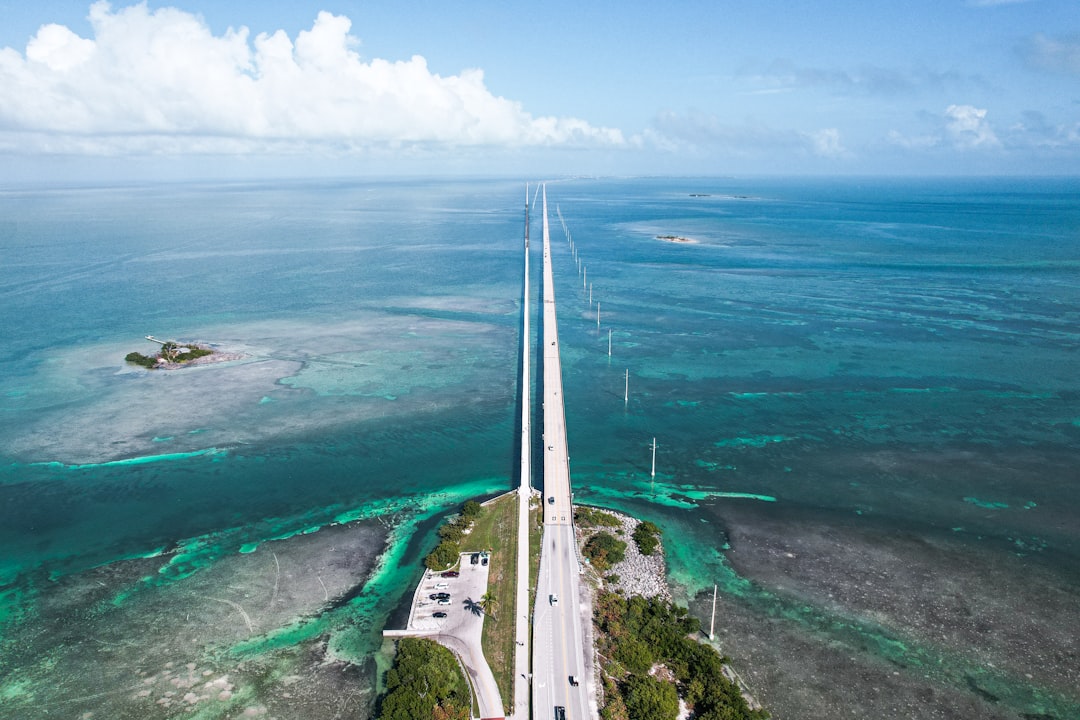
The Keys are not one market. Buyers who search only for “Florida Keys real estate” miss meaningful differences between the four main areas, each with a distinct buyer profile and a distinct feel.
Key West and the Lower Keys
Key West anchors the top of the market. Old Town’s historic conch houses, many on small footprints with limited or no off-street parking, sell at a premium for their walkability to Duval Street, the harborfront, and the island’s restaurant and gallery district. Waterfront estates on the New Town side and along the harbor tend to be newer, built or substantially renovated to current flood elevation standards, and command the highest per-square-foot prices in the Keys. Key West’s vacation rental market is also its own specialty: the city licenses and zones short-term rentals tightly, and a licensed transient rental property in a permitted district can carry meaningfully different value than an otherwise identical home without that license.
Islamorada: The Sportfishing and Boating Capital
Islamorada markets itself as the sportfishing capital of the world, and its luxury buyer profile reflects that: private dockage, deep water access, and proximity to the reef and the Gulf Stream matter as much as square footage. Canal-front and open-water properties here draw boating-focused buyers who prioritize a property’s marine access over its interior finishes, and custom homes built to accommodate larger sport-fishing vessels or multiple boat slips trade at a premium over comparable homes without that infrastructure.
Marathon and the Middle Keys
Marathon offers a more residential, year-round feel than Key West or Islamorada, with a working airport, a hospital, and a broader mix of full-time residents alongside second-home owners. Waterfront homes here generally trade at a lower basis than comparable Key West or Islamorada properties, which makes Marathon attractive to buyers who want Keys lifestyle and boating access without paying Key West’s premium for walkability and nightlife.
Key Largo and the Upper Keys
Key Largo functions as the gateway to the Keys and to the offshore reef system that draws divers and anglers from across the country. Its proximity to Miami-Dade, roughly an hour’s drive from Kendall or Homestead, makes it a practical choice for buyers who want a Keys property they can reach for a weekend without committing to the full drive to Key West. Waterfront canal homes with ocean access dominate the inventory here, and buyers moving from South Florida’s mainland luxury market often find Key Largo’s pricing the most familiar starting point in the island chain.
Building on the Water: Flood Zones and Elevation Rules
Every luxury purchase in the Keys eventually runs into Monroe County’s flood elevation requirements, and buyers who understand them before making an offer save themselves a costly surprise during due diligence. Structures in V zones and Coastal A Zones, which cover most of the Keys’ waterfront parcels, must have the bottom of the lowest horizontal structural member elevated to at least the Base Flood Elevation plus one foot, per Monroe County’s building requirements. Any home built after December 31, 1974 must have its lowest floor at or above Base Flood Elevation, and enclosed space below that line is legally limited to building access, parking, and limited storage, never living space.
The county’s 50 percent rule adds another layer: if a renovation or repair project exceeds 50 percent of the structure’s market value, the entire building must come into full elevation compliance, not just the portion being renovated. That rule turns what looks like a straightforward gut renovation of an older Key West conch house or a Marathon canal home into a full elevation project, often changing the economics of a planned renovation. Monroe County’s flood risk resources lay out which FEMA-designated Special Flood Hazard Areas apply property by property, and federal law requires flood insurance on any property in one of those zones carrying a federally backed mortgage.
None of this should discourage a serious buyer. It should shape the offer: a pre-contract elevation certificate review and a conversation with a local architect familiar with Monroe County’s permitting office belong in every luxury Keys transaction, whether the plan is to buy as-is or to renovate.
Florida’s Insurance Market in 2026: What Keys Buyers Should Expect
Florida’s property insurance market has genuinely improved since the crisis years of 2022 and 2023. Citizens Property Insurance Corporation, the state’s insurer of last resort, saw its policy count fall from a peak of 1.42 million in October 2023 to under 400,000 by January 2026, as more than 546,000 policies moved to private insurers through the state’s depopulation program. Roughly 17 new insurance companies have entered the Florida market since litigation reforms eliminated one-way attorney fees and banned assignment-of-benefits abuse, and Citizens is no longer the state’s largest property insurer.
That recovery is real, but it lands unevenly in the Keys. V zone and Coastal A Zone construction, the elevation requirements described above, and the Keys’ direct hurricane exposure mean private carriers still price Keys waterfront property more conservatively than a comparable inland Florida home, and buyers should expect to shop coverage carefully rather than assume statewide rate relief applies evenly to island properties. The Florida Office of Insurance Regulation publishes rate filings and market data buyers can review before committing to a purchase, and a pre-offer insurance quote is worth obtaining on any Keys property before removing a financing contingency.
Taxes on a Keys Purchase or Sale
Florida charges documentary stamp tax on every deed transfer, and the Keys follow the standard statewide rate of $0.70 per $100 of consideration, unlike Miami-Dade County’s reduced $0.60 rate on single-family transfers. Buyers financing a purchase also pay documentary stamp tax on the note, at $0.35 per $100 borrowed, per the Florida Department of Revenue.
Investors selling appreciated Keys property, whether a vacation rental, a sportfishing lodge property, or raw land, can defer capital gains through a Section 1031 like-kind exchange, provided the replacement property is real property held for investment or business use. Since the Tax Cuts and Jobs Act, 1031 treatment applies only to real property, and any U.S. real property qualifies as like-kind to any other. The IRS’s like-kind exchange rules require identifying replacement property within 45 days of closing the sale and completing the exchange within 180 days, using a qualified intermediary to hold the proceeds throughout. Given how few buildable, permit-eligible parcels the Keys release each year under ROGO, investors running a 1031 timeline into this market should start their replacement property search well before the sale closes, not after.
- Documentary stamp tax on deeds: $0.70 per $100 statewide (Keys included)
- Documentary stamp tax on financing: $0.35 per $100 borrowed
- 1031 exchange: 45 days to identify, 180 days to close on replacement property
Real estate decisions depend on individual circumstances, and this is general information rather than legal, tax, or investment advice for any specific transaction. A Florida-licensed tax professional or real estate attorney should review the specifics of any Keys purchase or sale before closing.
Vacation Rental Investment in the Keys
The Keys draw year-round tourism traffic that makes vacation rental ownership a genuine investment category here, distinct from a typical mainland Florida rental property. Key West in particular licenses and zones short-term rentals closely, limiting where a property can legally operate as a transient rental and making an existing, transferable rental license a meaningful part of a property’s value in the districts where they are allowed. Islamorada and Marathon generally offer more flexibility for weekly and monthly rentals outside the tightest Key West zoning, though every municipality and unincorporated area within Monroe County sets its own rules, and a buyer’s rental strategy should be confirmed against the specific parcel’s zoning before closing, not assumed from a neighboring property’s use.
For investors weighing a Keys rental against a mainland South Florida multifamily or single-family rental purchase, the comparison usually comes down to yield versus appreciation. Keys vacation rentals typically carry higher nightly rates and stronger seasonal demand than mainland long-term rentals, but they also carry higher insurance costs, more intensive property management, and the ROGO-driven scarcity that limits how much new competing inventory can enter the market. That scarcity cuts both ways: it protects existing owners from oversupply, and it means a buyer who wants Keys rental exposure is generally competing for existing inventory rather than building new.
Working With MJI Realty Group in the Florida Keys
Buying or selling in the Florida Keys rewards a broker who treats the market as its own specialty rather than an extension of Miami or Fort Lauderdale. ROGO permit feasibility, flood elevation compliance, insurance shopping, and submarket-specific pricing all require local knowledge that a mainland comparable sales report will not surface on its own.
At MJI Realty Group, we work with buyers and sellers across South Florida’s luxury markets, including the Keys, and we bring the same discretion and market expertise to an Islamorada waterfront estate that we bring to a Palm Beach oceanfront listing. If you are considering a Florida Keys purchase or a sale of Keys waterfront property, we can help you evaluate the permit history, flood compliance, and true comparable value behind the asking price. Real estate decisions depend on individual circumstances; this is general information, not legal, tax, or investment advice for your specific situation.