Orlando’s Luxury Market Enters a New Phase in 2026

Orlando spent the last few years as one of the tightest housing markets in the country. That grip is loosening. The metro’s median sale price sits in the mid $300,000s to high $300,000s in 2026, up modestly year over year rather than the double-digit jumps buyers saw between 2021 and 2023. Active listings have climbed sharply, giving buyers more homes to choose from and more time to make a decision. Days on market have stretched out across most price tiers, including the luxury segment.
For buyers, that shift matters. A market with more inventory and longer negotiation windows means room to request repairs, negotiate on price, and take a real look at a property before committing. For sellers, it means pricing has to reflect current conditions, not memories of 2022. Luxury inventory in neighborhoods like Windermere and Dr. Phillips, generally homes at $600,000 and above, has grown faster than buyer demand at those price points, which is softening appreciation there even as more affordable submarkets hold firmer.
Sales volume tells a related story. Monthly closings have swung sharply from month to month in 2026, a sign that buyers are stepping in and out of the market opportunistically as rates and inventory shift rather than transacting on a steady drumbeat. That kind of choppiness is normal in a market working through a supply correction, and it rewards buyers and sellers who track monthly data rather than reacting to a single headline number.
None of this makes Orlando a soft market. It makes it a normal one, which is arguably more useful for buyers and sellers who want to make decisions based on data instead of urgency. Statewide trends tracked by Florida Realtors show a similar pattern across much of the state: inventory recovering, price growth cooling to a sustainable pace, and buyers regaining some negotiating room after years of sellers holding all of it.
What’s Driving Demand: Epic Universe, Lake Nona, and Corporate Relocation

Three forces are doing most of the work behind Orlando’s current growth story, and none of them are new construction alone.
Universal’s Epic Universe opened in 2026 along the International Drive corridor, adding thousands of new hotel rooms, restaurants, and entertainment venues. Tourism spending in the immediate area hit record levels within months of opening, and Universal has already filed additional construction plans for the surrounding district. That kind of sustained capital investment tends to pull housing demand, workforce needs, and commercial development along with it for years, not months.
Southeast Orlando tells a different story. Lake Nona’s Medical City continues to expand, with ongoing work at the UCF Lake Nona Cancer Center, Nemours Children’s Health, and VA facilities. Siemens Energy relocated a headquarters function to Lake Nona, adding to a growing list of employers anchoring high-wage jobs in the corridor. Employer-driven growth is a more durable demand driver than tourism alone. It brings buyers who need to live near a job, not just visit for a week.
Add population growth, continued corporate relocation from higher-tax states, and land-use changes opening new development in the metro’s east and southeast quadrants, and Orlando’s 2026 growth looks less like a single catalyst and more like several converging at once. For buyers evaluating Orlando against South Florida markets, that combination of job growth and lower entry price points is a real point of comparison worth weighing.
Neighborhood Comparison: Where Orlando’s Luxury Buyers Are Looking
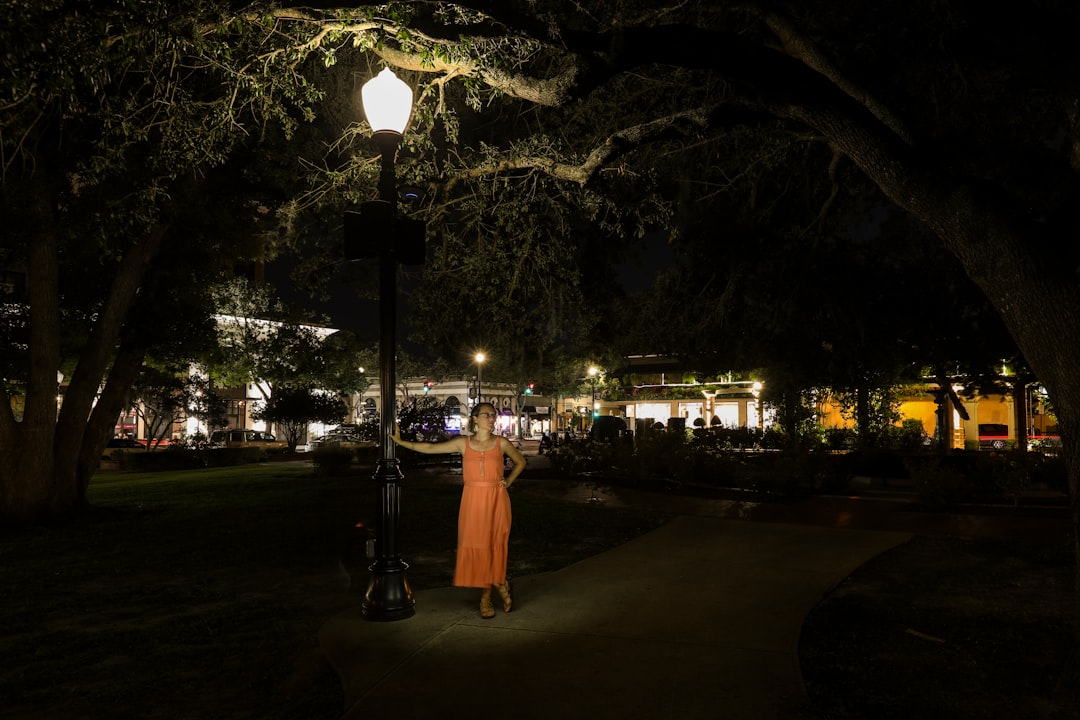
Orlando’s luxury market isn’t one market. Each of its established high-end pockets serves a different kind of buyer, and the differences show up in price, inventory, and pace.
Winter Park
Winter Park holds a median price around $540,000 and has stayed firm while other segments softened. Limited turnover in this established area, brick streets, mature tree canopy, and walkable retail along Park Avenue, keeps demand steady among buyers who want an established address with a defined character rather than new construction.
Lake Nona
Lake Nona’s median runs closer to $480,000, driven by continued build-out around the Medical City corridor and new employer investment. Buyers here tend to be relocating for a specific job or medical-sector opportunity, and the area’s newer housing stock, planned amenities, and proximity to Orlando International Airport make it a practical choice for buyers who split time between Florida and another market.
Dr. Phillips and Windermere
Dr. Phillips and Windermere represent Orlando’s traditional luxury tier, generally $600,000 and up, with larger lots, private lakes, and proximity to the theme park corridor. This is also where 2026’s softer appreciation shows up most clearly. Inventory has expanded faster than buyer demand at the top end, which means serious negotiating room for buyers and a pricing conversation sellers need to have honestly rather than optimistically.
None of these differences are about who belongs where. They’re about lot size, commute patterns, school zoning boundaries, and proximity to specific employment corridors, the kind of factual, verifiable criteria that should drive any Florida property search.
Buying Luxury in Orlando: What’s Different From South Florida

MJI Realty Group’s transactional core is South Florida, and the contrast with Central Florida is instructive for buyers weighing both. Orlando is inland. That single fact changes the calculus on several fronts that matter to a luxury buyer’s bottom line.
Flood risk and windstorm exposure run lower for most Orlando-area properties than for comparable homes on Miami-Dade or Palm Beach coastline. That generally translates to lower homeowners and flood insurance premiums, a meaningful factor given how much insurance costs have climbed statewide over the past several years. Lot sizes tend to run larger for the same price point away from the coast, and new construction inventory is more available in Orlando’s growth corridors than in built-out South Florida submarkets.
What Orlando doesn’t offer is waterfront. No Biscayne Bay views, no ocean access, no Intracoastal dockage. For buyers whose priority is water, saltwater specifically, Orlando isn’t a substitute for Miami or Fort Lauderdale. For buyers prioritizing job proximity, theme park access, lower insurance costs, or a lower price per square foot with more land, it’s a legitimate alternative worth serious consideration, and one MJI Realty Group discusses candidly with clients weighing both markets rather than steering them toward whichever listing is more convenient to sell.
The Investment Angle: Multifamily, Build-to-Rent, and Cap Rates
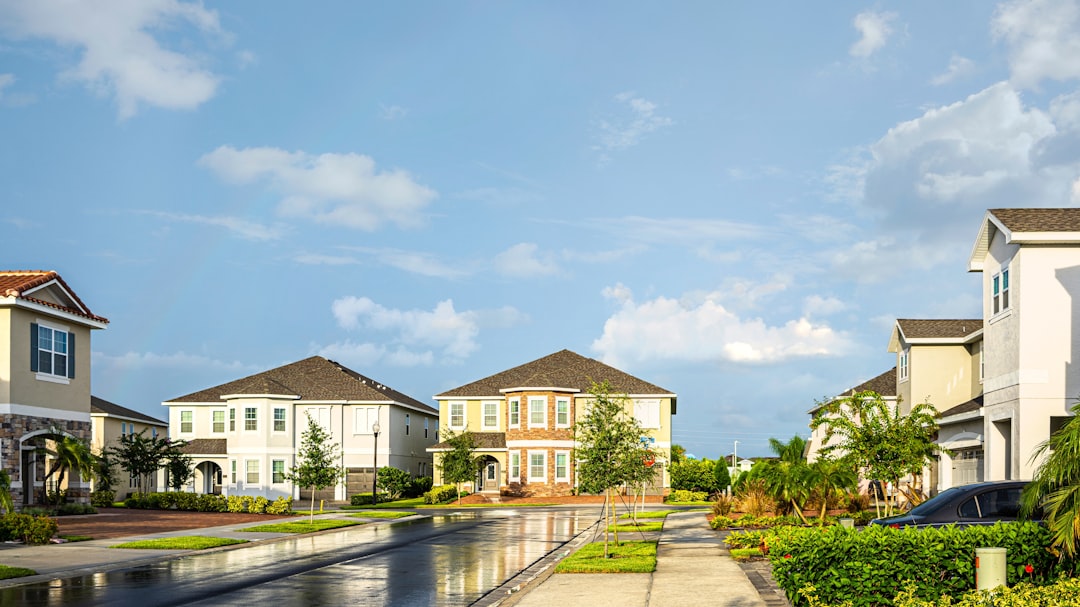
Orlando isn’t just a homeowner market. It’s one of Florida’s most active investment markets, driven by population growth that outpaces new housing supply in several submarkets and a renter base anchored by the tourism, medical, and logistics sectors.
Multifamily and build-to-rent development have been especially active along the I-4 corridor and near the Epic Universe district, where workforce housing projects have broken ground specifically to serve new theme park and hospitality employment. For investors, that pattern points to durable rental demand rather than speculative absorption. Cap rates on Orlando multifamily assets have generally run higher than comparable South Florida coastal product, reflecting both the lower acquisition basis and a market perception of secondary-metro risk relative to Miami or Fort Lauderdale.
Industrial and logistics product along Orlando’s beltway corridors has also drawn investor attention, benefiting from the metro’s central Florida location and highway access to both coasts. Investors comparing Orlando multifamily or industrial acquisitions against South Florida alternatives should run the numbers on net operating income, debt service coverage, and exit cap rate assumptions rather than relying on headline population growth figures alone. Research from the National Association of REALTORS on secondary and tertiary market performance is a useful benchmark when underwriting a Central Florida acquisition against a coastal one.
Property Taxes, Insurance, and Homestead Considerations
Orange County property taxes follow the same statewide framework as the rest of Florida. Owners who make an Orlando property their permanent residence can apply for the homestead exemption, which reduces taxable value and activates the Save Our Homes cap limiting annual increases in assessed value. Buyers moving from a higher-tax state should confirm current exemption values and application deadlines directly with the Orange County Property Appraiser, since exemption amounts and portability rules can change and vary by situation. Buyers relocating from another Florida county can typically carry a portion of their existing Save Our Homes benefit with them, which is worth calculating before assuming a full reset to market value.
Insurance costs remain a live conversation in every Florida real estate transaction, but Orlando buyers generally see a different cost structure than coastal buyers. Without direct hurricane storm surge or flood zone exposure in most of the metro, premiums typically run lower than comparable coastal properties, though wind coverage and roof age still factor heavily into underwriting statewide. The Florida Office of Insurance Regulation publishes market data and consumer resources that are worth reviewing before finalizing a purchase budget, particularly for buyers unfamiliar with how Florida’s insurance market has shifted over the past several years. Roof age, wind mitigation features, and construction type still move premiums meaningfully even inland, so a pre-purchase inspection focused on those items can pay for itself in lower quoted rates.
None of these figures should be treated as fixed. Tax bills, exemption values, and insurance premiums are specific to the parcel and the buyer’s residency status, and they should be confirmed with the relevant county and state offices before closing.
Financing an Orlando Luxury Purchase in 2026
Mortgage rates have eased somewhat in 2026 compared to the prior two years, with the 30-year fixed rate tracked by Freddie Mac’s weekly survey settling into the mid 6% range. That’s meaningfully better than the peaks of 2023 and 2024, though still well above the sub-4% rates buyers remember from the early 2020s. For jumbo loan amounts common in Orlando’s luxury tier, buyers should expect rate quotes that run slightly above conforming loan rates, along with stricter reserve and documentation requirements from most lenders.
Cash purchases remain common in Orlando’s luxury segment, particularly among relocating buyers who are converting equity from a sale in a higher-cost market. A cash offer carries real leverage in negotiations, especially on properties that have sat on the market longer under 2026’s higher inventory conditions. Buyers financing a purchase shouldn’t assume that disadvantage is fatal, though. With days on market up across most price tiers, sellers have more incentive to work with a well-qualified financed buyer than they did during the multiple-offer conditions of a few years ago.
Either way, getting a firm preapproval or proof of funds letter before touring luxury inventory is standard practice in this market, not a formality. Sellers and their agents expect it, and buyers who skip that step lose credibility before they ever make an offer.
Is Orlando Right for Your Next Purchase or Investment?

Orlando’s 2026 market rewards buyers and investors who do the homework: comparing neighborhood-level data, running real numbers on investment product, and confirming tax and insurance figures directly with county and state sources rather than assuming statewide averages apply to a specific parcel.
MJI Realty Group’s transactional focus is South Florida, but the firm regularly works with clients weighing Orlando, Tampa, or other Florida markets against a Miami-Dade, Broward, or Palm Beach purchase, and against selling a current Florida property to make that move. Our market expertise sets us apart, and we bring the same discretion and speed to those conversations that we bring to a waterfront estate sale. If you’re comparing a Central Florida purchase against a South Florida one, or considering selling a Florida property to reposition into a different market, MJI Realty Group can walk through the numbers with you directly.
Real estate decisions depend on individual circumstances, including financing terms, tax residency status, and investment goals; this article is general information, not legal, tax, or investment advice for your specific situation. Buyers and investors should confirm current figures with a qualified professional before making a purchase decision.