The Problem With Listing a Luxury Property Like Everyone Else’s
A $4.5 million estate in Manalapan does not sell the same way as a three-bedroom home in a standard subdivision, yet plenty of Florida luxury listings still get treated that way: photographed, entered into the MLS, syndicated to every portal that will take the feed, and left to compete on price per square foot against unrelated comparable properties.
That approach works fine for median-priced homes. For a waterfront estate, a penthouse with a private elevator, or a commercial asset trading above $10 million, broad public exposure can work against the seller. It signals urgency. It invites lowball offers from buyers who never intended to pay full value. And it puts the address, floor plan, and interior photos of a private residence in front of anyone with an internet connection, including people the owner would rather not have that information.
South Florida’s luxury sellers, from Palm Beach to Coral Gables to Fort Lauderdale’s Las Olas Isles, increasingly want a different process. They want a marketing strategy built around discretion, a short list of qualified buyers, and a broker who treats a $10 million listing differently than a $400,000 one. That strategy has legitimate structure behind it now, and Florida sellers have more options for using it in 2026 than they did even two years ago.
How Off-Market and Delayed Marketing Listings Actually Work in 2026

Discretion in real estate used to mean quietly ignoring MLS rules. Today it is codified. The National Association of REALTORS® Clear Cooperation Policy still requires that once a property is marketed to the public, the listing broker submit it to the MLS within one business day. But NAR’s newer Multiple Listing Options for Sellers framework gives sellers two legitimate paths around full public exposure before they are ready for it.
The first is a delayed marketing listing, which lets the seller file the property with the MLS while holding back syndication to public search portals for a period set by the local MLS. Agents can still market to their own networks and other agents during that window. The second is an office exclusive, which keeps the listing inside one brokerage entirely, with no MLS entry and no portal exposure. Florida law requires the seller to sign a written disclosure acknowledging the tradeoff: less exposure in exchange for more control over who sees the property and when.
Delayed Marketing vs. Office Exclusive
- Delayed marketing: Filed with the MLS immediately, but public portal syndication is postponed for a period the local MLS sets. Other agents can still see and show it during that window.
- Office exclusive: Never enters the MLS at all. Marketing stays inside one brokerage’s network until the seller decides otherwise, or the property sells.
- Full public listing: MLS entry and portal syndication happen together, immediately, for maximum exposure.
Neither restricted option is right for every seller. A property in a competitive price band with strong comparable sales usually still sells for more with full public exposure and several bidders. But for one-of-a-kind estates, high-profile owners, and commercial assets where the buyer pool is a few dozen qualified parties rather than thousands of browsers, delayed marketing and office exclusive listings are now a standard part of a serious broker’s toolkit, not a workaround.
Why South Florida Sellers Are Choosing Discretion

The numbers explain the shift. Miami-Dade County posted a 21% year-over-year increase in $1 million-plus home sales in January 2026, with Broward County up 14% over the same period, according to Florida Realtors. More activity at the top of the market means more competition among sellers for the same pool of qualified buyers, and more reason to control exactly how a listing is presented.
Timing matters too. Palm Beach County’s median time to contract has held near 42 days in 2026, with time to sale around 83 days. That is a healthy pace, but it also means a listing that sits publicly for three months collects a stigma that a discreetly marketed property never accumulates. Buyers assume something is wrong with a home that has been sitting, even when the real explanation is a seller who priced it correctly and waited for the right offer instead of chasing the market down.
Nationally, off-market sales account for a meaningful share of transactions above $3 million, and that share runs materially higher in thin-inventory luxury pockets, the kind of market Palm Beach, Manalapan, and the barrier islands of Miami-Dade and Broward represent. Thin inventory is exactly where a curated, controlled marketing process tends to outperform a wide net.
The Boutique Brokerage Difference: Curated Networks vs. Mass Syndication
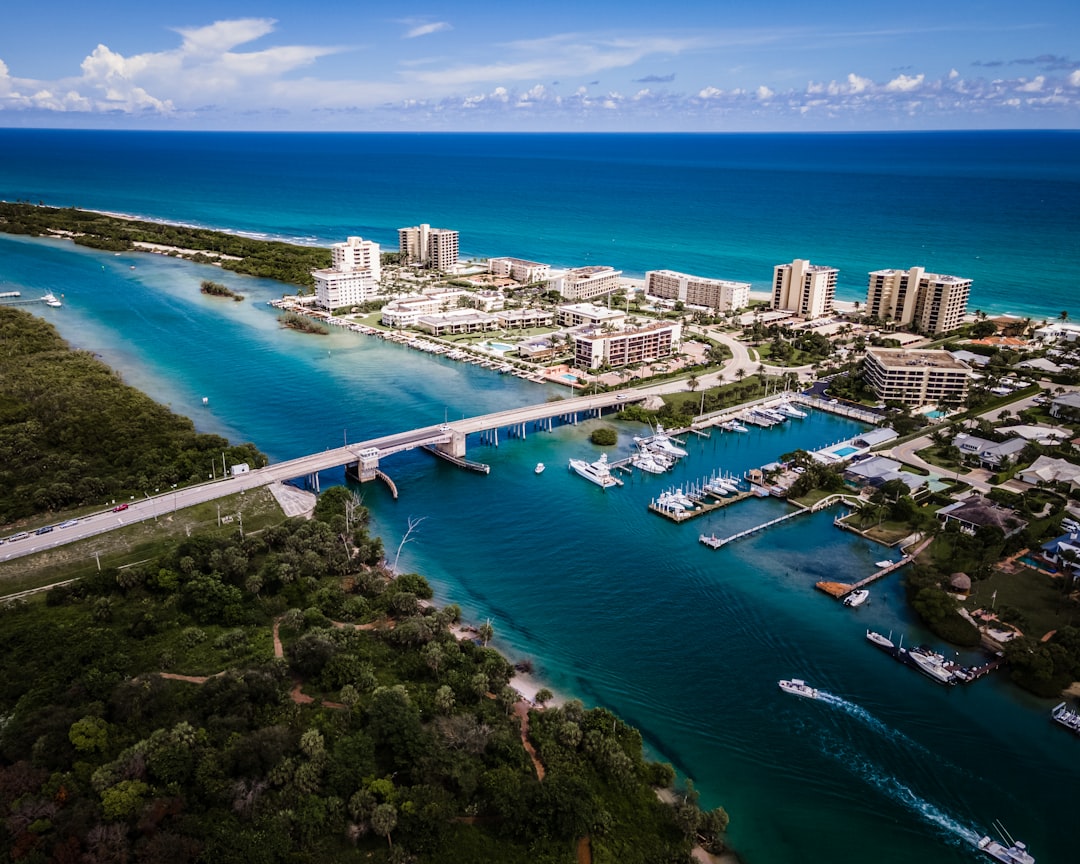
A high-volume brokerage’s business model depends on transaction count. Every listing gets the same playbook: professional photos, MLS entry, portal syndication, an open house, and a sign in the yard. That system is built for speed and repeatability, and it works well for most of the market. It is not built for a client who needs the sale of a $15 million estate to stay out of the local paper.
A boutique brokerage runs differently because it has to. With fewer listings and a smaller, senior team, there is time to build a marketing plan around the specific property and the specific seller’s priorities instead of running every listing through the same funnel. That includes a pre-qualified buyer and agent network built over years, plus direct relationships with the attorneys, family offices, and relocation advisors who represent serious South Florida buyers before those buyers ever start a public search.
At MJI Realty Group, that network is the product. We work both sides of South Florida’s luxury market, residential estates and commercial assets, which means we often know a qualified buyer for a specific type of property before it is ever formally listed. Typical Florida brokers are not required to offer sellers real estate confidentiality. We are not required to either, but we build it into every luxury listing regardless.
That access matters as much as the marketing strategy itself. A delayed marketing listing or office exclusive is only as strong as the buyer network behind it. Without qualified buyers already in the pipeline, discretion just means fewer eyes on the property and a slower sale.
Pricing a Property Without Public Comparable Sales
Public exposure normally does one useful thing: it stress-tests a price against the open market in real time. A discreetly marketed listing gives up that immediate feedback, which is why pricing has to be done more carefully going in, rather than adjusted after the fact with a series of public price cuts that erode buyer confidence.
For estate properties without close comparables, that means building a valuation from multiple angles: recent closed sales of genuinely similar properties even outside the immediate neighborhood, replacement cost for custom construction and specialty features like private docks, wine rooms, or guest houses, and a land value component separate from the structure for waterfront and large-lot properties where the site itself carries much of the price. For commercial assets, it means underwriting on net operating income and comparable cap rates rather than a per-square-foot number that ignores lease terms and tenant quality.
A property priced correctly for a curated buyer pool from day one rarely needs a public price reduction. A property priced aspirationally and then quietly repriced after a slow first round loses negotiating strength with every buyer who hears about it through word of mouth, which in a tight-knit luxury market happens more often than sellers expect.
Independent appraisal support matters here too, especially for financed buyers. A private, curated process can move quickly on price agreement between seller and buyer, but the property still has to appraise if a lender is involved, so a valuation grounded in defensible data protects the deal from falling apart at the financing stage rather than just getting the seller to a signed contract.
Getting the Agency Relationship Right Before You List
Discretion only works if the agency relationship is airtight. Florida presumes every real estate licensee is acting as a transaction broker unless the seller and broker agree in writing to a single agent relationship, and Florida law does not allow a licensee to act as a dual agent, disclosed or not, for both sides of the same transaction. For a listing where privacy is the whole point, that distinction is not paperwork. It determines who the broker legally owes loyalty and confidentiality to.
A single agent relationship gives the seller a broker bound to their interests specifically: full disclosure of all offers, confidentiality of the seller’s motivations and negotiating position, and loyalty that a transaction broker relationship does not require in the same way. Florida Realtors requires written disclosure of the brokerage relationship before or at the time a listing agreement is signed. Sellers pursuing a delayed marketing or office exclusive strategy should confirm in writing exactly who the listing broker represents, and how buyer’s agents from other firms will be handled if they bring an interested party.
Get this wrong and the discretion a seller thought they were paying for evaporates the moment a second agent gets involved without a clear framework for how information gets shared. Ask any broker proposing a delayed marketing or office exclusive strategy to put the agency relationship, the marketing timeline, and the plan for handling outside buyer’s agents in writing before the listing agreement is signed, not after.
What This Looks Like in Practice
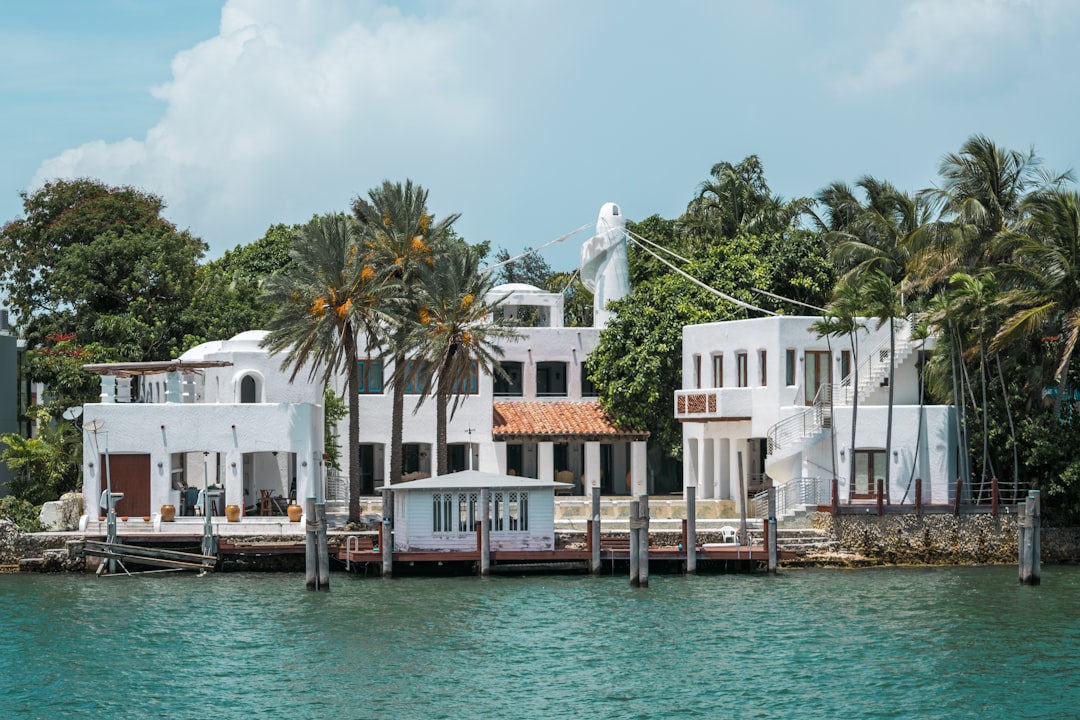
Consider a waterfront estate in Fort Lauderdale’s Las Olas Isles listed for $8.2 million. A high-volume approach would put it on the MLS immediately, syndicate it everywhere, and hold a public open house. A discretion-first approach looks different: professional photography and a private digital brochure prepared first, the listing filed with the MLS under a delayed marketing designation to preserve the seller’s legal protections, and outreach that starts with the broker’s own network of qualified buyers and buyer’s agents rather than the general public.
If a qualified buyer surfaces through that private process within the delayed marketing window, the sale can close without the property ever appearing on a public portal, no days-on-market counter, no public price history, no permanent digital record tied to the address. If it does not sell privately within that window, the listing converts to full public marketing with all the value of the professional photography and pricing work already done, and no stigma attached because there was never a public listing sitting unsold.
The same logic applies to commercial assets. An owner selling a multi-tenant retail center or a small industrial portfolio often has a short list of legitimate buyers, other regional investors, family offices, and 1031 exchange buyers working against a deadline. Broad marketing to that audience rarely adds value. A direct, curated approach usually closes faster and exposes less of the seller’s financials to the broader market.
Choosing the Right Strategy for Your Listing
Not every property benefits from a discretion-first strategy, and a broker who pushes every listing toward off-market marketing regardless of property type is optimizing for something other than the seller’s outcome. The right approach depends on the property, the buyer pool for that specific asset class, and how much the seller values privacy relative to maximum public exposure.
What matters is having a broker who can genuinely run either playbook: full public marketing when that serves the seller best, or a curated, discreet process when it does not, backed by a buyer network that makes the discreet version actually work rather than just quiet. At MJI Realty Group, we are a boutique brokerage built around exactly that kind of judgment call, for luxury residential estates and commercial properties across South Florida.
Real estate decisions depend on individual circumstances. This article is general information, not legal, tax, or investment advice for your specific situation. Sellers considering a delayed marketing, office exclusive, or fully public listing strategy should discuss the agency relationship and marketing plan with a Florida-licensed broker before signing a listing agreement.