Why Jacksonville Stands Out in Florida’s Luxury Market
Most conversations about Florida luxury real estate start in Miami and end somewhere near Palm Beach. Jacksonville rarely enters the discussion, and that is exactly why serious buyers are paying attention to it right now.
The National Association of Realtors placed Jacksonville on its 2026 Hot-Spot list, citing the metro’s strong job creation, population growth, and relative affordability compared to other major Florida markets. That recognition matters because it signals sustained demand backed by fundamentals, not a temporary pricing surge driven by speculation.
Jacksonville is the largest city by land area in the contiguous United States, which means it operates differently from Miami or Tampa. The luxury market here is decentralized across distinct neighborhoods with very different characters. Ponte Vedra Beach commands oceanfront premiums. San Marco draws buyers who want St. Johns River frontage with historic architecture. Riverside and Avondale attract affluent buyers who prioritize architectural character over generic new construction.
The economic drivers behind all of this are real. The Jacksonville metro has added 25,000 to 30,000 residents annually since 2020, drawing heavily from the Northeast and Midwest. More than 150 corporate, regional, and divisional headquarters now operate in the Jacksonville region, and the city has ranked among the country’s top job markets in recent years. When that volume of jobs and people arrives together, housing demand follows at every price point, including the top.
For buyers considering a Florida luxury purchase outside the crowded South Florida corridor, Jacksonville offers something genuinely different: space, river access, coastal living, and a market that has not yet priced out the kind of long-term value that makes a property worth holding for a decade.
Jacksonville’s Premier Luxury Neighborhoods
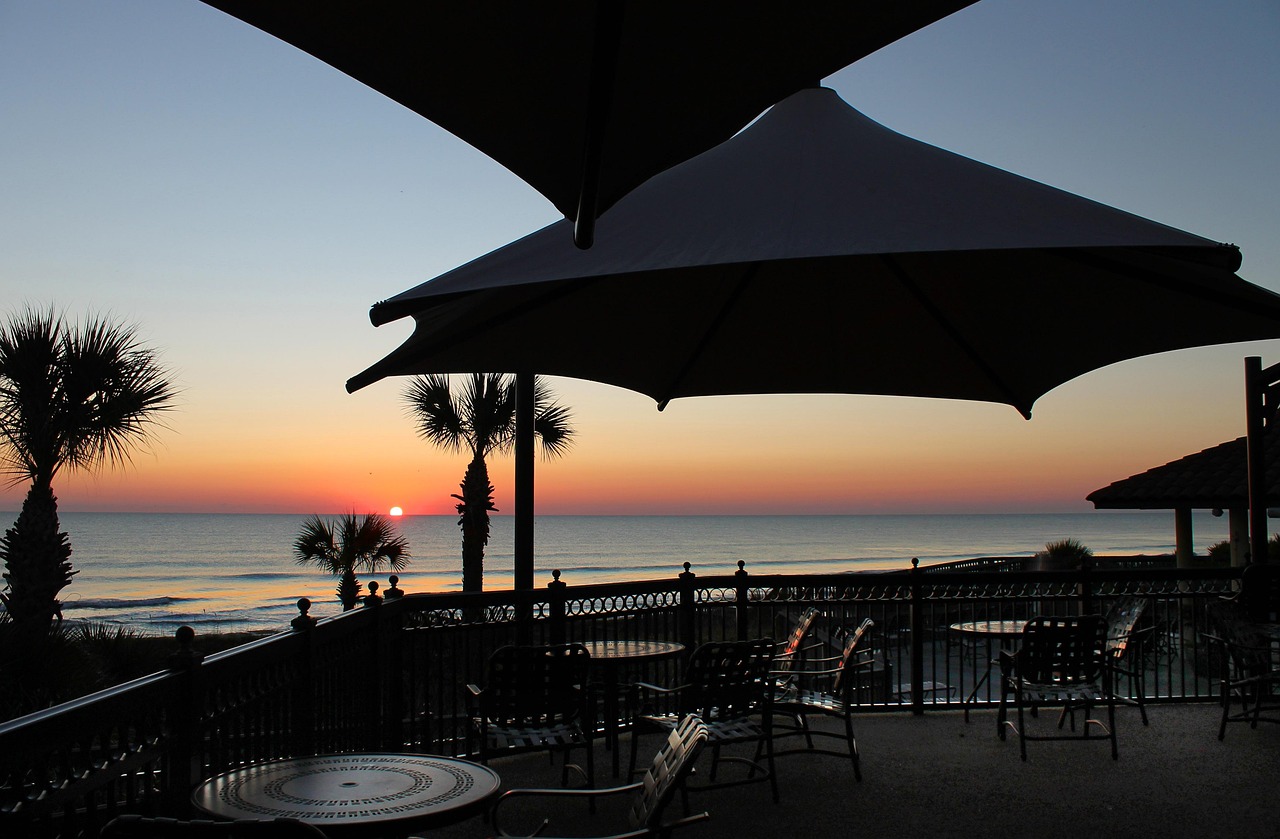
Jacksonville’s luxury market does not have one center of gravity. Four neighborhoods consistently attract buyers at the $1 million-and-up level, each serving a distinct buyer profile.
Ponte Vedra Beach is the metro’s undisputed flagship for luxury coastal living. Situated along the Atlantic coast in St. Johns County, just south of Jacksonville proper, the area is defined by world-class golf, direct beach access, and some of the most expensive real estate in Northeast Florida. Entry-level luxury starts around $700,000, but oceanfront estates on Ponte Vedra Boulevard range from $3 million to nearly $10 million. Buyers here tend to prioritize beach access, privacy, and golf community amenities. Note that Ponte Vedra Beach falls within St. Johns County rather than Duval County, which means different property tax millage rates and a distinct set of local regulations.
San Marco occupies the south bank of the St. Johns River and combines riverfront living with a curated, walkable town square. The neighborhood’s historic architecture, independent restaurants, and cultural venues make it one of Jacksonville’s most coveted addresses. Premium riverfront estates with private docks start above $1 million, and the mix of restored 1920s homes and contemporary riverfront builds gives the market unusual depth.
Riverside and Avondale are neighboring historic districts that attract buyers looking for architectural character and mature tree canopy. Prices average lower than Ponte Vedra Beach, but architecturally distinctive riverfront and renovated historic homes in the $800,000 to $2 million range have become increasingly attractive to buyers relocating from Northern markets who want substance over square footage.
Ortega sits at the confluence of the Ortega River and the St. Johns and is home to some of Jacksonville’s most established waterfront estates. Properties here rarely come to market. When they do, they tend to trade quickly within a tight circle of buyers who know the neighborhood well.
What Luxury Costs in Jacksonville Right Now
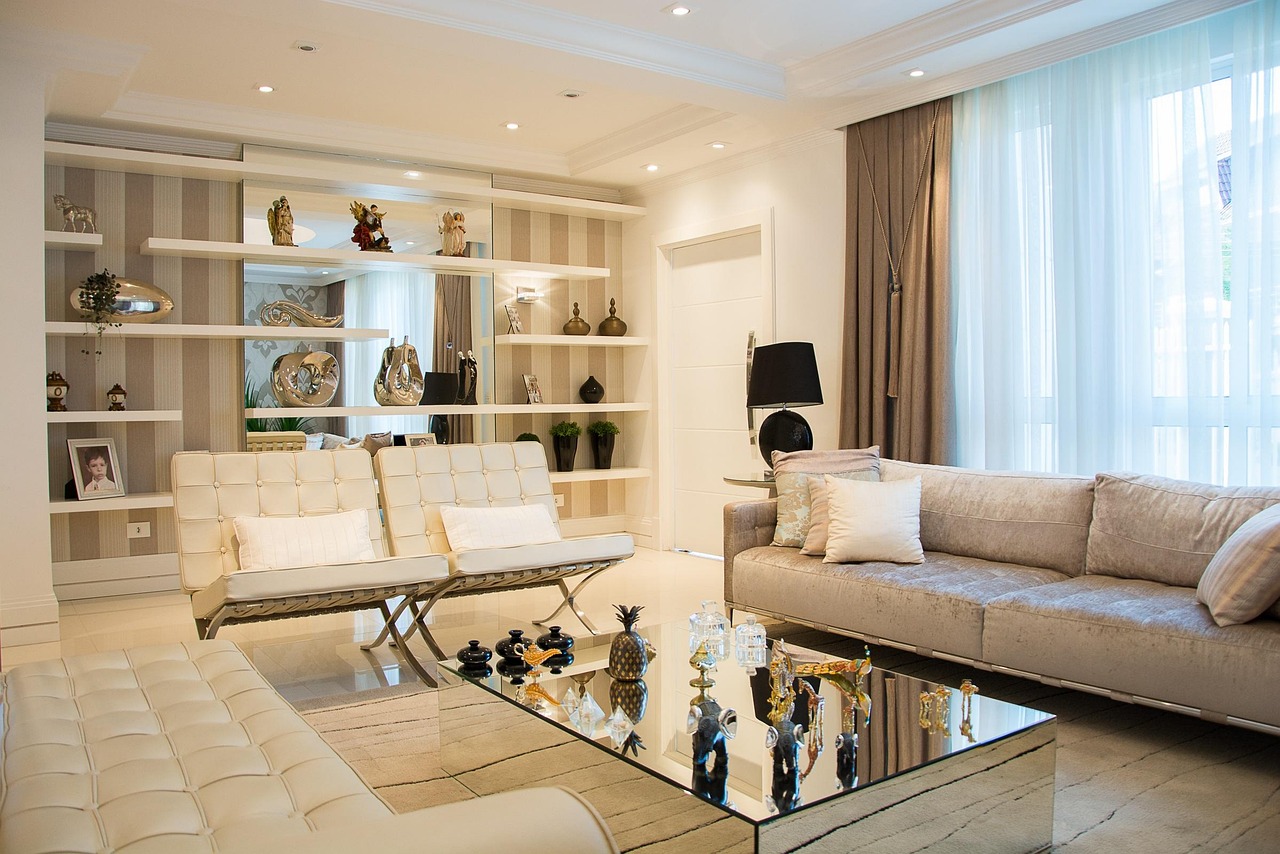
Jacksonville’s luxury market measures differently than Miami or Palm Beach. The broader metro median sits in the high $300,000s, which creates an unusual dynamic: homes that would be considered premium anywhere else become truly luxury at Jacksonville price points, and the price-to-space ratio outperforms South Florida’s most densely built submarkets by a wide margin.
Here is a realistic pricing map for 2026:
- $700,000 to $1.2 million: Entry-level luxury. Well-finished single-family homes in Ponte Vedra, renovated historic homes in San Marco or Riverside, newer construction in established gated communities. These buyers typically come from the local market or corporate relocations.
- $1.2 million to $3 million: The core luxury tier. Premium waterfront access, larger lots, custom finishes, dock access on the St. Johns or its tributaries. Ponte Vedra Beach properties in this range often include a pool, guest suite, and deeded beach access.
- $3 million to $10 million: Oceanfront on Ponte Vedra Boulevard, estate-size properties in Ortega, and premier St. Johns River frontage. At this tier, buyers expect full privacy, significant lot depth, pool and dock infrastructure, and professional finishes throughout.
The value gap between Jacksonville and South Florida remains significant. A $2 million property in Jacksonville buys substantially more home, on more land, than a comparable budget in Miami Beach or Palm Beach. That spread has driven a noticeable uptick in buyers from South Florida looking to trade coastal density for Northeast Florida space and relative quiet.
What you will not find in Jacksonville is the ultra-luxury speculative inventory that characterizes Miami’s preconstruction pipeline. The Jacksonville luxury market is primarily owner-occupant driven, which tends to produce more stable pricing and fewer distress sales over time.
Market Conditions for Buyers in 2026
The shift in Jacksonville’s 2026 market conditions is important for buyers to understand clearly. After the compressed inventory and multiple-offer conditions of 2021 through 2023, the market has rebalanced in a meaningful way.
Inventory has expanded to roughly four months of supply across the metro. Days on market have stretched considerably. Federal Reserve data tracking Jacksonville’s median days on market shows a substantial increase from the frenzied pace of recent years. In practical terms, buyers now have time to perform real due diligence, schedule the right inspectors, and make considered offers rather than waiving contingencies under pressure.
Multiple-offer situations still occur in specific price ranges and locations, but they are not the default condition across the market. Above $500,000, buyer leverage has returned in meaningful pockets. Sellers in the luxury tier are pricing carefully, and well-priced properties still move. Properties that are priced ahead of the market are sitting, and that gives buyers room to negotiate on price, repair credits, or closing terms.
New construction in Jacksonville continues at a measured pace. Several master-planned communities in St. Johns County and Nocatee are completing luxury phases, which adds inventory pressure in the $600,000 to $1.2 million range. This competition from new construction keeps resale sellers honest on pricing, which benefits buyers throughout the luxury segment.
For cash buyers and buyers with pre-arranged financing, current conditions are about as favorable as Jacksonville’s luxury market has been in several years. A clean offer with no financing contingency and an established closing timeline still commands attention from sellers who want certainty over the highest nominal price.
Why Investors Are Watching Jacksonville
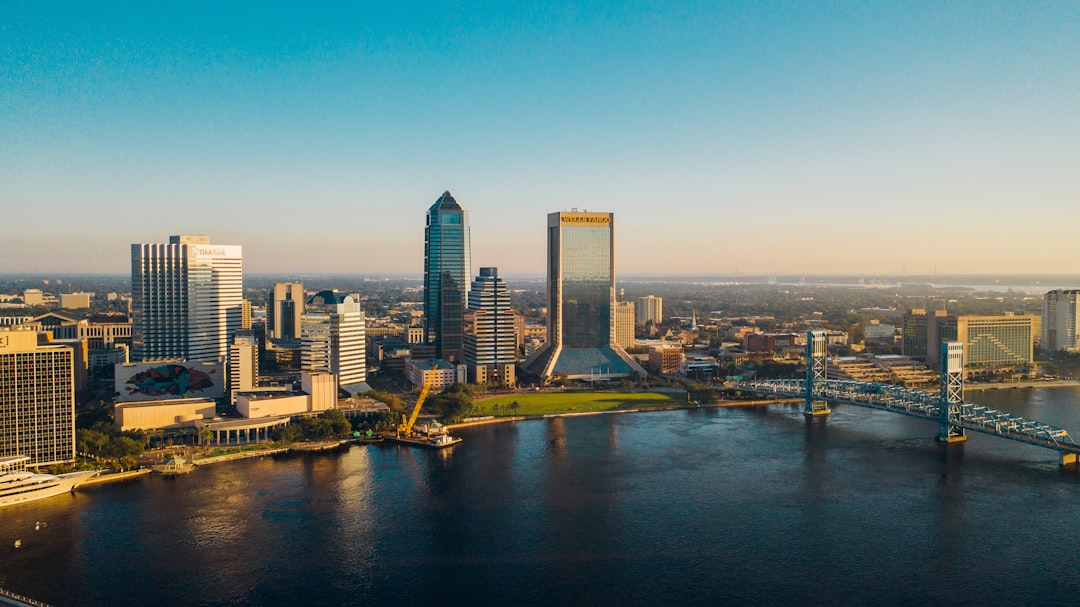
Jacksonville’s case as an investment market rests on fundamentals that are harder to manufacture than a marketing campaign. Population is growing. Jobs are diversifying. The infrastructure to support long-term appreciation is being built rather than just promised.
The data on corporate relocation is concrete. JAXUSA, the region’s official economic development organization, has documented Jacksonville’s ranking as the top large U.S. city for corporate relocation growth, with more than 150 corporate, regional, and divisional headquarters now operating in the metro. Finance, healthcare, logistics, and technology are all represented. These are not back-office service roles. They are headquarter functions that bring executive-level relocations and sustained demand at the top of the housing market.
For luxury single-family investors, the rental market in Ponte Vedra Beach and San Marco has deepened alongside that corporate migration. Many executive relocations begin as rentals before converting to purchases. A well-positioned luxury home near Ponte Vedra’s golf corridor or along the San Marco riverfront can generate meaningful rental income during the hold period while appreciating.
On the commercial side, Jacksonville’s industrial and logistics real estate sector has expanded alongside growth at JAXPORT, the city’s port authority. The Northeast Florida commercial market entered 2026 with resilient industrial occupancy, stable retail in established corridors, and continued office absorption driven by financial services firms. Investors building a diversified Florida portfolio should take the Jacksonville commercial market seriously alongside the more widely discussed South Florida submarkets.
The combination of population growth, corporate expansion, and relative affordability compared to South Florida markets makes Jacksonville one of the more compelling long-term holds in the state for buyers who think in five-to-ten-year time horizons.
Florida Tax Advantages for Jacksonville Buyers
Every Florida purchase carries property tax and income tax advantages over the high-tax states sending buyers south, but the specifics in Jacksonville and Duval County are worth understanding before you close.
Florida has no state income tax, which remains the primary financial draw for high-net-worth buyers relocating from New York, New Jersey, California, and Illinois. Once you establish Florida as your primary domicile and claim homestead, that tax advantage is locked in regardless of where you owned before.
For Duval County specifically, the Duval County Property Appraiser’s homestead exemption removes up to $50,000 from the assessed value of an owner-occupied primary residence. Beginning with the 2025 tax year, the exemption is also inflation-adjusted annually under Amendment 5, passed by Florida voters in November 2024. That indexing matters for long-term owners as values rise.
The Save Our Homes benefit applies alongside homestead and caps annual increases in assessed value at 3 percent regardless of how much the market appreciates. For a luxury buyer who plans to hold for five to ten years in a rising market, the accumulated tax savings from Save Our Homes can be substantial. A property that appreciates significantly over a decade will be assessed far below its market value by the time the owner decides to sell, and that gap does not appear on any income statement until the property changes hands.
Buyers eyeing Ponte Vedra Beach should note it sits in St. Johns County rather than Duval County. St. Johns County has its own millage rate structure and property appraiser. The homestead exemption and Save Our Homes benefit apply statewide, but the overall tax burden differs between the two counties. Requesting and comparing prior-year tax bills across both counties before finalizing a neighborhood decision is straightforward due diligence.
What to Watch When Buying Luxury in Jacksonville
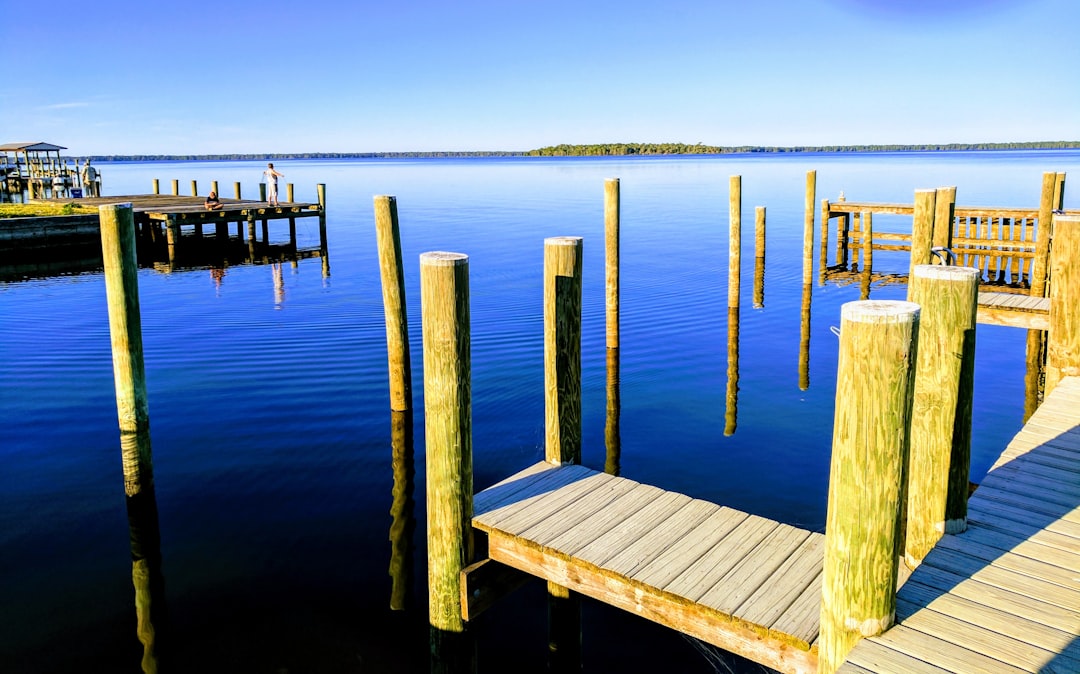
Buying luxury real estate in Jacksonville follows the same broad process as any Florida purchase, but a few considerations deserve specific attention at the higher price points.
Waterfront and riverfront due diligence should be thorough. The St. Johns River is a tidal river, which means water levels fluctuate and dock access is affected by tidal cycles in some areas. Confirm dock permits, seawall condition and age, and whether the property sits within a FEMA flood zone before making an offer. Most properties along the St. Johns River and its tributaries carry flood zone designations that require flood insurance, and those premiums should be factored into annual carrying costs. Flood insurance quotes are available before closing, and obtaining one early can affect the economics of a deal.
Historic homes in Riverside, Avondale, and San Marco come with architectural character that newer construction cannot replicate, but they require extra due diligence on building systems. Electrical panels, plumbing, and HVAC in homes built before 1970 often need updates that are not visible during a casual walkthrough. An inspector with specific experience in historic Florida construction is worth the additional cost. Buyers should also confirm whether the property falls within a historic preservation overlay, which can affect renovation scope, exterior modifications, and permitting timelines.
HOA and deed restrictions vary widely across Jacksonville’s luxury neighborhoods. Ponte Vedra’s golfing communities have detailed restrictions around exterior modifications, short-term rentals, and property use. If you plan to rent the property short-term or make significant alterations, review the governing documents carefully before closing, not after.
Flood insurance, wind mitigation inspections, and 4-point inspections are standard practice in Northeast Florida. Buyers who skip these to speed up closing frequently encounter expensive surprises after the keys change hands.
Starting Your Jacksonville Luxury Search
Jacksonville’s luxury market in 2026 sits at an interesting point: strong long-term fundamentals, rebalanced short-term conditions, and a price-to-quality ratio that outperforms South Florida’s most densely priced submarkets. Buyers who have done the research are moving. Buyers waiting for prices to fall sharply are likely to wait through the next run-up, because the population and corporate migration driving this market is not slowing down.
The Jacksonville luxury segment also rewards buyers who know what is available before it hits public listings. Ortega estates, premier riverfront homes in San Marco, and certain Ponte Vedra Beach properties trade with minimal public exposure, much like the off-market dynamic that defines South Florida luxury transactions.
At MJI Realty Group, we work with buyers and investors across Florida, including those focused on Northeast Florida who want access to off-market inventory and market expertise that goes beyond what public listings show. If you are considering a luxury purchase in Jacksonville, Ponte Vedra Beach, or the surrounding Northeast Florida market, contact us to discuss what is available and what to expect at your price point.
Real estate decisions depend on individual circumstances; the information in this article is general market commentary and is not legal, tax, or investment advice for your specific situation. Consult qualified legal, tax, and financial advisors before making any real estate decision.