The Return of Distressed Luxury in South Florida

Florida’s foreclosure rate is climbing again. In Q1 2026, the state recorded 10,099 foreclosure starts, representing one filing for every 750 housing units statewide. Bank repossessions climbed sharply in parallel, rising from 487 REOs in Q1 2025 to 1,014 by the close of the first quarter of 2026, more than doubling in twelve months.
At the luxury end of the market, the numbers are smaller but the trajectory is the same. High-value coastal properties in South Florida absorbed back-to-back shocks through 2024 and 2025: insurance premiums that repriced dramatically for waterfront and coastal exposures, mandatory reserve fund contributions triggered by new Florida condo legislation, and a cohort of buyers who financed aggressively at peak 2021 and 2022 prices now watching their margins compress as rates stayed elevated.
Florida’s average foreclosure process runs approximately 608 days from the first missed payment to the completed sale. That timeline means properties that entered distress in 2024 and early 2025 are beginning to surface as auction and bank-owned inventory through late 2026 and into 2027. For buyers with capital and patience, the supply pipeline is real and getting larger.
Luxury properties priced at $1 million and above represent a small share of total distressed inventory statewide, but that share is growing. In Miami-Dade, Broward, and Palm Beach County, even distressed pricing on high-end homes typically runs well above state median values, meaning the realistic buyer pool skews toward investors and high-net-worth owner-occupants who can close quickly, absorb an as-is purchase, and have done the due diligence to know exactly what they are buying.
How Florida’s Judicial Foreclosure Process Works
Florida is a judicial foreclosure state. That single fact shapes everything about how distressed properties reach the market here.
Unlike non-judicial states where a lender can repossess and auction a property through a private trustee process in a matter of months, Florida requires the lender to file a lawsuit in circuit court. The lender serves the borrower, allows a response period of typically 20 days, proceeds through court hearings, obtains a final judgment, and only then schedules a public sale. Under Florida Statute § 45.031, the foreclosure sale must be scheduled between 20 and 35 days after the final judgment is entered, though courts retain discretion to extend that window.
From the first missed payment to the completed auction, the typical Florida foreclosure runs 12 to 36 months depending on how contested the case becomes. Active legal defense routinely stretches the timeline to two or even three years, particularly in high-volume South Florida circuits where court calendars are full.
For buyers, the judicial process does two things. First, it creates a longer and more predictable pipeline, meaning properties hitting auction have already gone through months of public filings before sale day arrives. Second, it gives patient buyers time to identify target properties well before they reach auction. Lis pendens filings in county courthouse records are public notice that foreclosure has been filed, and those filings are where experienced distressed-property buyers begin their searches, often six to eighteen months before the auction date.
Florida Realtors maintains a legal library covering the state’s foreclosure statutes and lender obligations, which is worth reviewing for detailed context on buyer and seller rights throughout the judicial process.
Three Routes to Buying a Distressed Luxury Property
Distressed real estate is not one transaction type. There are three distinct ways to acquire a distressed luxury property in Florida, each carrying a different risk profile, timeline, and potential for discount. Buyers who understand the differences go in with realistic expectations. Those who don’t often overpay or walk away from genuinely good opportunities because they don’t know how the process works.
Foreclosure Auctions

Florida foreclosure auctions are conducted at the county level, with many jurisdictions now using online auction platforms. The opening bid is typically set at the amount owed on the mortgage plus accumulated fees and costs. The property goes to the highest bidder above that floor.
To participate, buyers must typically register in advance, demonstrate proof of funds, and have a certified deposit ready on auction day. Winning bidders often must pay the full purchase price within 24 hours of the winning bid. The National Association of REALTORS outlines the general framework for real estate auctions, including buyer obligations, deposit structures, and the difference between absolute and reserve auctions, which is useful context for first-time distressed buyers.
The core risk at auction: you may have no ability to inspect the property before bidding, title encumbrances can surface after the sale if the foreclosure judgment did not extinguish all junior liens, and prior owners or tenants may still occupy the property when you take title. Auction purchases are not for buyers who need time to decide or who can’t absorb an unknown. They are for well-capitalized buyers who have done the pre-work.
Short Sales
A short sale happens before a property reaches foreclosure auction. The owner, unable to cover the outstanding mortgage balance, asks the lender to accept a sale price below what’s owed. The lender must approve the sale, and that approval process typically adds 60 to 120 days to the standard contract-to-close timeline.
Short sales on luxury properties often come in better condition than bank-owned properties, since the seller typically remains in the home through closing and has an incentive to cooperate with the process. Discounts commonly run 5% to 15% below comparable retail sales, constrained by the lender’s independent assessment of market value. Lenders hire their own appraisers and won’t approve a short sale price they believe is significantly below market.
The buyer bears the wait and the uncertainty. Lender approval can be denied, delayed, or arrive with modified terms. For buyers with flexibility on timing who identify a well-priced short sale with a motivated seller, the extended timeline is often worth accepting.
REO (Bank-Owned) Properties
After a failed foreclosure auction, the property reverts to the lender as real estate owned, or REO. The bank typically lists it through a local broker, and offers are reviewed by asset management teams that sometimes operate from out of state and don’t have granular knowledge of local market conditions. Properties are sold as-is.
REO on luxury inventory tends to offer discounts of 10% to 25% versus comparable retail listings, particularly when properties have deferred maintenance that requires upfront capital investment. Banks with long-held REO positions often become more flexible on price as the months accumulate. For buyers who can assess renovation costs accurately before committing to a price, REO is frequently where the best value in the distressed luxury market is found.
One common frustration: response times. Lender asset management teams review offers on their own schedule. Cash buyers who have pre-qualified with the lender’s preferred vendor sometimes get faster responses, but patience is consistently required across REO transactions regardless of how attractive the offer is.
What Pushes Luxury Properties to Distress in Florida
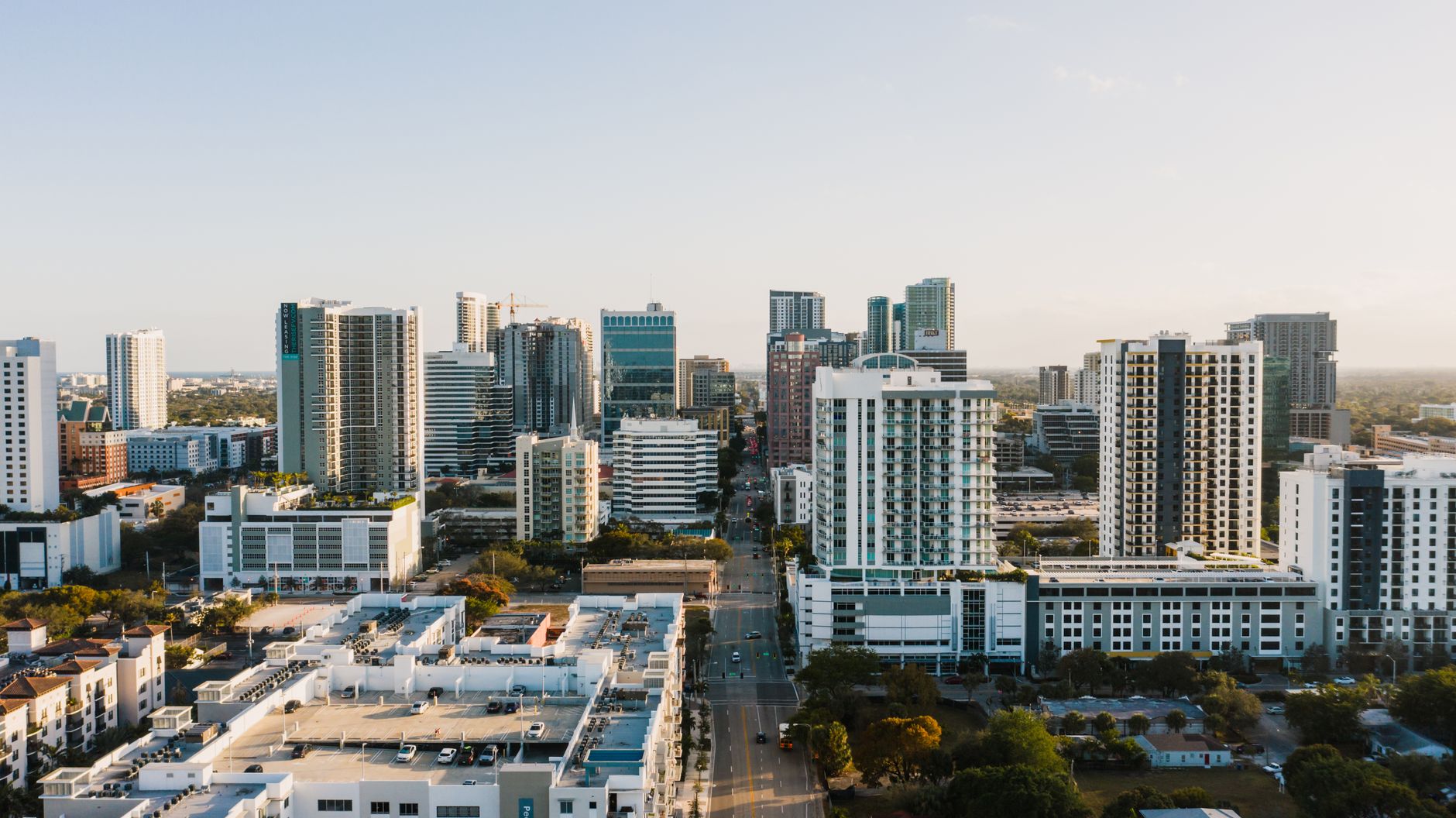
Not all distressed luxury properties stem from financial failure. Understanding the underlying cause matters because it shapes the property’s condition, the title complexity, and how motivated the lender or seller actually is.
Insurance and carrying cost compression. South Florida homeowners insurance repriced dramatically after multiple hurricane seasons and major carrier withdrawals from the Florida market. For a $3 million coastal home, annual premiums that once ran $20,000 now frequently reach $40,000 to $70,000 or higher. Combined with rising property taxes, HOA dues, and required flood insurance on low-elevation sites, monthly carrying costs for some luxury properties increased by $5,000 to $10,000 per month. Owners who financed heavily or bought with thin cash reserves found the math unsustainable.
Condo reserve fund assessments. Florida legislation passed following the 2021 Surfside condominium collapse requires associations to fully fund reserves for structural components. Special assessments to achieve compliance have ranged from tens of thousands to, in some buildings, over $100,000 per unit. Some luxury condo owners who received large special assessment notices chose to default rather than pay, accelerating distress in segments of the high-rise market in Miami and Fort Lauderdale.
Estate and dissolution situations. Distress does not always mean financial distress. Estate sales where heirs cannot agree, divorce proceedings requiring fast liquidation, and business partnerships unwinding can push luxury properties through distressed channels even when the underlying asset is in excellent condition. These situations sometimes produce the most straightforward acquisitions for buyers who are ready to move quickly.
Over-leveraged 2021 and 2022 purchases. A subset of buyers closed at peak prices with aggressive jumbo financing, then found themselves holding elevated debt costs as rates stayed high and values plateaued. Some of those positions are now unwinding through short sale or foreclosure.
Due Diligence Before You Bid or Offer
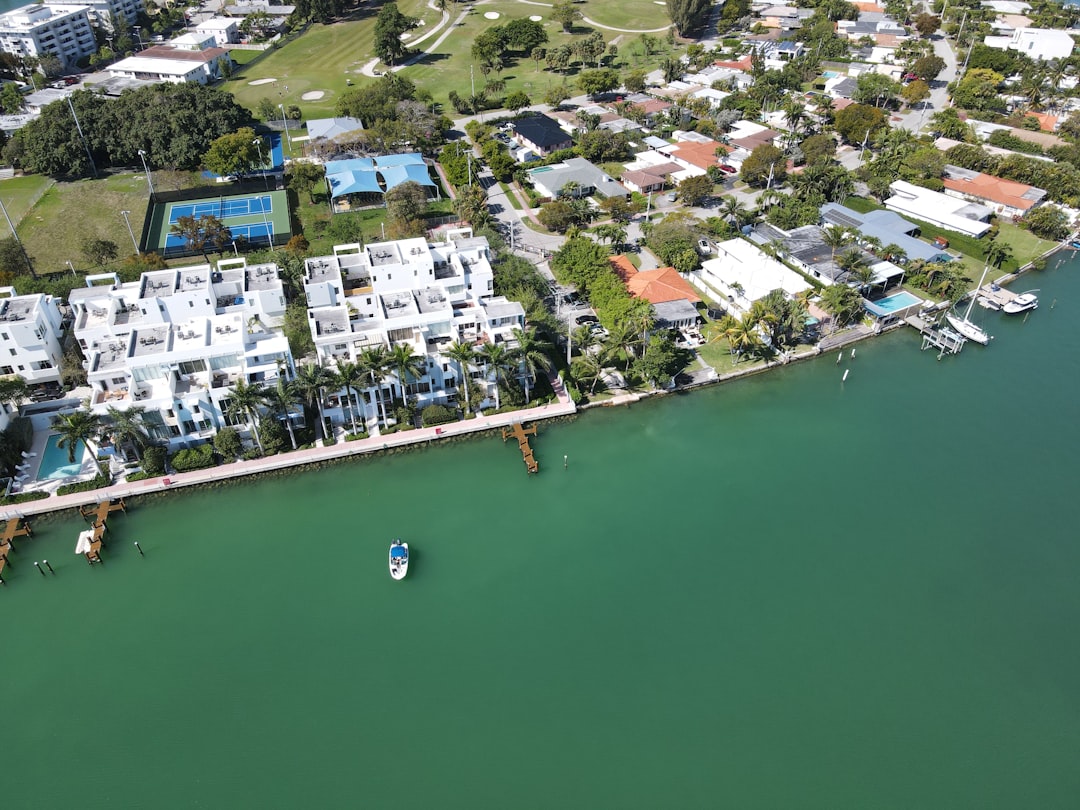
Buying distressed real estate without thorough due diligence is how buyers convert a discounted purchase into an expensive lesson. At the luxury price point, the stakes are proportionally larger and the potential surprises more costly.
Title search. Run a full title search before committing to any bid or offer. Florida foreclosure auctions typically extinguish junior liens, but certain municipal code enforcement liens and HOA liens can survive if not properly addressed in the foreclosure judgment. Know exactly what obligations attach to the property before you place a bid.
Tax certificates and back taxes. Florida counties sell tax certificates when property taxes go unpaid. A property with multiple years of delinquent taxes may carry tax certificates that must be redeemed at closing. County property appraiser websites for Miami-Dade, Broward, and Palm Beach County all provide current tax status, and the tax certificate database is publicly accessible before you bid.
HOA and condo association obligations. Under Florida statute, a buyer taking title via foreclosure has limited exposure to prior owner HOA arrears in certain circumstances, but the analysis is fact-specific. Verify the current HOA balance, any pending special assessments, and the association’s reserve fund status before making assumptions about what you’re inheriting.
Physical condition assessment. On luxury properties, deferred maintenance shows up in expensive places. HVAC systems for large Florida homes are not cheap to replace. Pool structural issues can run $80,000 to $200,000 to address correctly. Roof replacement on a 5,000 square foot South Florida home costs $40,000 to $90,000 or more depending on material and complexity. Hire a licensed inspector and specialty subcontractors to assess the property’s true condition before fixing a bid price.
Comparable sales analysis. Don’t calculate a discount from the original asking price or the listing broker’s opinion of value. Run your own analysis of what comparable properties actually closed for in the prior six months. The discount should be measured against verified comps, not a number the auction platform puts in front of you.
Pricing Distressed Luxury Correctly
The assumption that distressed automatically equals bargain doesn’t hold consistently at the luxury level, where individual properties vary widely and comparable sales are thin. The discount has to be real when you do the math, not just implied by the circumstances of the sale.
Realistic discount expectations by channel:
- Foreclosure auctions: The range is wide. If the opening bid reflects a low debt balance on an older purchase, the effective discount relative to current market value can reach 20% to 35%. If the opening bid reflects a recent purchase at peak pricing plus accumulated fees and costs, you may be bidding near or above market. Know the starting bid before auction day and have your own comp analysis ready.
- Short sales: Typically 5% to 15% below comparable retail sales, constrained by the lender’s independent appraisal. Lenders won’t approve a price they consider significantly below market.
- REO properties: The widest discount range, typically 10% to 30% depending on condition, time on market, and how aggressively the lender wants to close the position. Properties that have sat as REO for six months or more tend to see greater pricing flexibility.
The discount has to cover more than the difference in acquisition price. Factor in inspection costs, any required remediation or renovation, carrying costs during the transaction timeline (three to six months on a short sale), title insurance, legal review, and a contingency buffer for unknowns. Model total cost of acquisition before committing to a number, not after you’ve already placed a bid.
Financing a Distressed Luxury Purchase
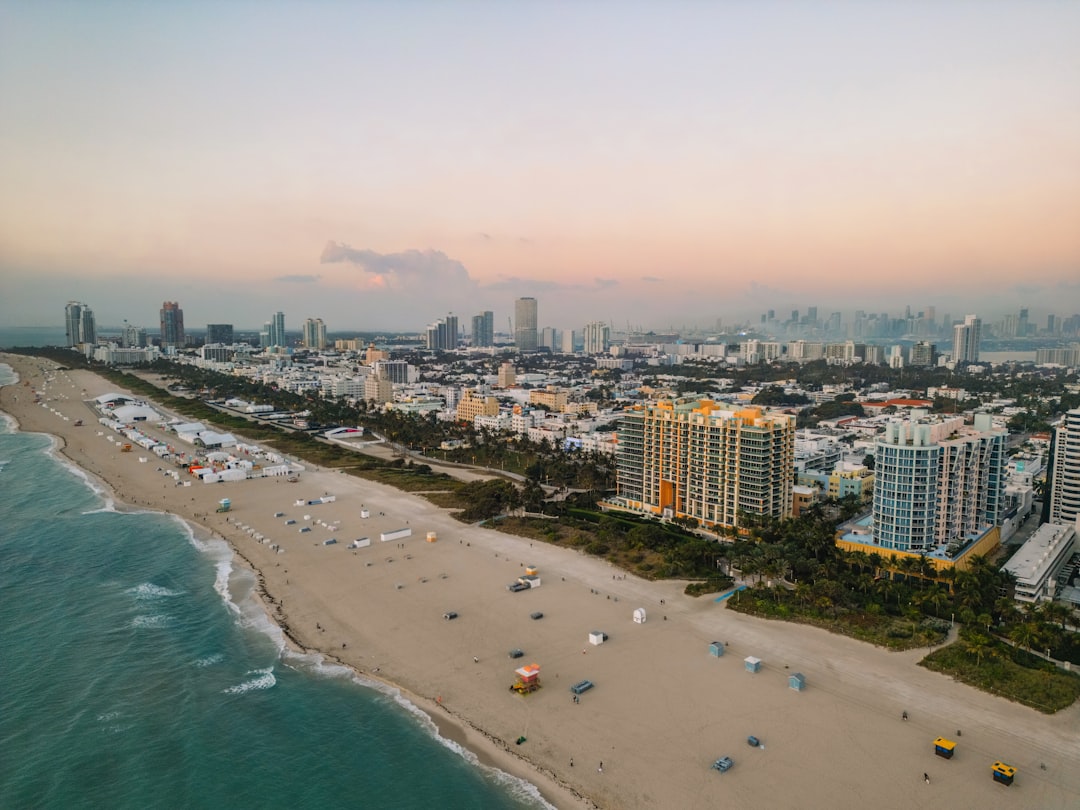
Cash dominates distressed luxury transactions, particularly at auction. Most Florida foreclosure auctions require full payment within 24 hours of the winning bid. That requirement eliminates the large majority of prospective buyers and concentrates auction inventory among buyers with substantial liquidity available immediately.
Short sales and REO purchases can accommodate financed transactions, but with constraints. Banks selling REO properties prefer cash buyers or buyers with fully committed financing already in place. Jumbo lenders are cautious about lending on properties in as-is condition; many require a property to meet baseline habitability standards before they’ll fund.
For buyers acquiring properties that need substantial renovation before reaching retail condition, bridge financing or private capital are the common tools. These carry higher rates and shorter terms than conventional jumbo financing, which means the cost of capital must factor into the acquisition price from day one.
For buyers planning to use cash to acquire and then refinance into permanent financing after renovation, confirm before closing that the renovated property at your target value will meet the underwriting standards of your intended lender. Some luxury condo projects face lender restrictions that don’t apply to single-family estates; location and project approval status matter more at this step than buyers often anticipate.
Working with the Right Team on Distressed Luxury
Distressed luxury transactions are not standard brokerage work. Identifying properties from lis pendens filings before they reach auction, assessing whether the discount is real after accounting for condition and carrying costs, vetting title issues early, and negotiating with lenders on short sales are specialized competencies. The buyers who do well in this market come prepared, move quickly when the numbers work, and walk away cleanly when they don’t.
At MJI Realty Group, we work with buyers specifically focused on distressed opportunities in the South Florida luxury market. The same network that gives us access to off-market luxury inventory also surfaces distressed situations in Miami-Dade, Broward, and Palm Beach County before they’re broadly listed. Earlier identification means better due diligence time and the ability to move decisively when the price and conditions are right.
The pipeline through late 2026 and into 2027 is real. Foreclosure activity is up statewide, the judicial timeline is bringing 2024 and 2025 distress events to market, and competition at the luxury distressed tier, while growing, is not yet crowded. If you’re a cash buyer or an investor who knows this market, the window is open now.
Real estate decisions depend on individual circumstances; this is general information, not legal, tax, or investment advice for your specific situation. Distressed property acquisitions involve title, lien, and condition risks that require review by a licensed Florida real estate attorney before completing any transaction.