Why Reserve Funds Became the First Question in Florida Condo Purchases

The June 2021 collapse of Champlain Towers South in Surfside left 98 people dead and exposed a failure that had been building for decades: a condominium association that knew its building needed repairs, could not afford them, and kept deferring the work. The financial mechanism at the center of that failure was the reserve fund, the account designed to pay for structural repairs before they become crises.
Florida’s Legislature moved quickly. Two major laws passed in 2022 and 2023 now require qualifying buildings to complete structural safety inspections, commission independent engineering reserve studies, and fund those studies’ recommendations without a unit owner vote to reduce them. The result is a buying environment that is fundamentally different from three years ago.
For buyers considering a luxury condominium in South Florida, the reserve fund question is no longer a secondary concern. It belongs alongside the price, the floor plan, and the views. A building with a fully funded reserve and a clean inspection report is a different asset entirely from one carrying deferred obligations that have not yet been formally quantified.
This guide explains what Florida’s laws now require, how to read a reserve study, what special assessment exposure looks like in dollar terms, and which documents to request before your inspection period closes.
What Florida’s New Laws Now Require
Two major laws transformed Florida condominium requirements for buyers and owners.
In May 2022, Florida enacted Senate Bill 4-D, amending Chapter 718 of the Florida Statutes, known as the Condominium Act. SB 4-D established two new requirements for condominium and cooperative buildings three or more stories tall: milestone inspections and Structural Integrity Reserve Studies. Senate Bill 154, effective June 9, 2023, refined and extended those requirements. The Florida Department of Business and Professional Regulation’s Division of Condominiums maintains the full compliance timeline for both laws.
Milestone Inspections. Buildings that were 30 years old or more as of July 1, 2022 were required to complete a Phase 1 milestone inspection by December 31, 2024. A Phase 1 inspection is a visual structural assessment performed by a licensed architect or engineer. When Phase 1 identifies potential structural concerns, a Phase 2 inspection is required. Phase 2 involves physical investigation and a detailed remediation report from the engineer of record.
Structural Integrity Reserve Studies. Every qualifying building must complete a Structural Integrity Reserve Study (SIRS) by December 31, 2026, and update it every 10 years thereafter. The study evaluates eight mandated structural components:
- Roof
- Load-bearing walls and primary structural members
- Fire protection systems
- Plumbing
- Electrical systems
- Waterproofing and exterior painting
- Windows and exterior doors
- Any single-item component exceeding $25,000 that affects those structural systems
Reserve Funding Requirements. The most consequential change for buyers: for any association budget adopted on or after December 31, 2024, reserve contributions must meet the funding levels the SIRS specifies. Owners can no longer vote to waive or reduce these contributions for the eight structural components. That vote was routine in associations keeping monthly fees artificially low. It is no longer available. Compliant associations are now on a legally mandated funding track, and the reserves are required to grow.
How to Read a Structural Integrity Reserve Study

A Structural Integrity Reserve Study is an engineering document that estimates the remaining useful life and replacement cost for each required component. The resulting funding plan tells the association how much to contribute annually so projected replacements can be handled without special assessments.
The most informative number in a reserve study is the funded ratio: the percentage of needed reserves the association has actually accumulated. Standards used across the community association industry treat ratios above 70% as financially sound, 50% to 70% as adequate but worth monitoring closely, and below 50% as carrying meaningful risk of future assessments or significant fee increases.
A reserve study also provides a component timeline: roof replacement estimated in 2029, concrete restoration in 2031, window recertification in 2033. That timeline shows whether near-term capital projects are already funded or will require additional money during your ownership period. If a major project falls within the first five years of your projected ownership and the funded ratio is below 60%, that gap belongs in your purchase analysis and your offer negotiation.
One detail buyers frequently overlook: the SIRS covers only the eight mandated structural components. Associations typically maintain additional reserve accounts for non-structural capital items, including elevators, pool equipment, parking infrastructure, common-area furnishings, and mechanical systems not classified under the SIRS categories. A building can have a fully compliant SIRS and still carry underfunding on those non-structural line items. When reviewing a purchase, request both the SIRS and the full reserve schedule covering all accounts the association maintains.
Florida Realtors® publishes market research and consumer guidance on condominium purchases, including documentation standards buyers should expect when reviewing association financials.
Special Assessments: What They Cost and Who Pays
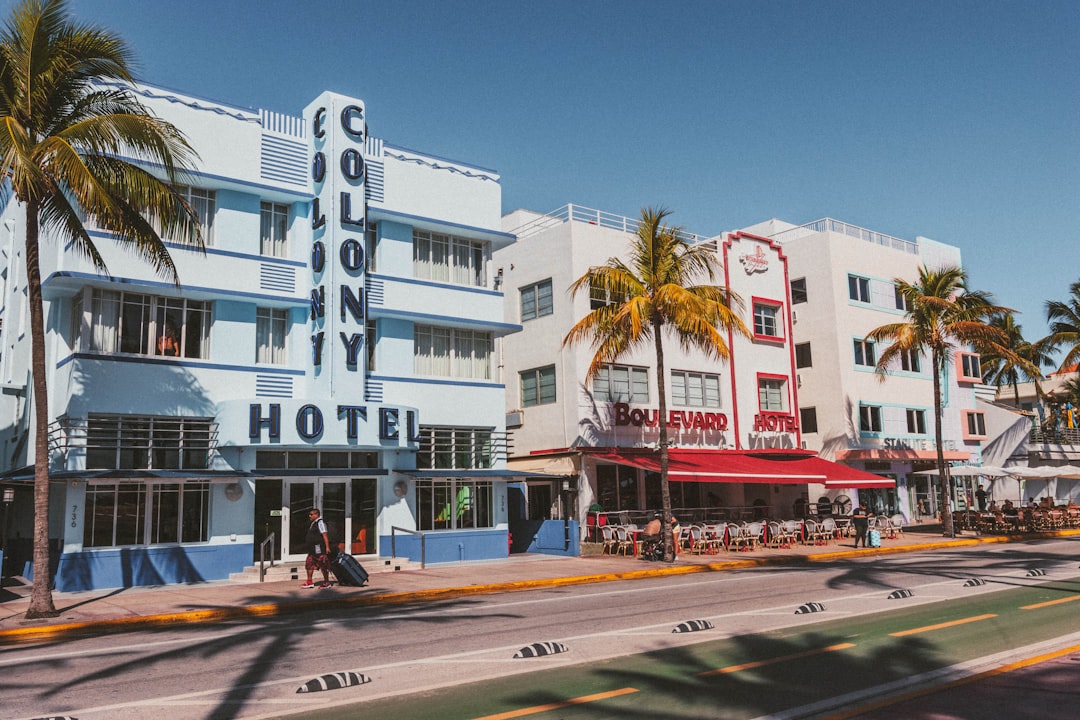
A special assessment is a one-time charge levied on all unit owners to cover expenses the association’s reserve account cannot absorb. They occur when reserves fall short of actual repair needs, when unexpected structural damage arises, or when deferred maintenance must be addressed on a deadline imposed by law, insurance requirements, or a county order.
The post-Surfside compliance period produced a significant wave of special assessments across South Florida. Residential towers built in the 1970s and 1980s, concentrated in Miami Beach, Hollywood, Hallandale Beach, and along the Broward County coastline, faced mandated repair scopes that far exceeded their accumulated reserves. Combined structural projects covering concrete restoration, waterproofing, roof replacement, and window recertification produced per-unit assessments in many buildings ranging from $30,000 to more than $100,000.
For buyers, the timing of an assessment matters considerably. Florida Statute 718.116 establishes that the buyer of a condominium unit is jointly liable with the seller for all assessments due before the closing date, up to the amount the association certifies at closing. Any new assessment approved after your closing date belongs entirely to you.
If an association votes to approve a special assessment during your inspection period, you have an opportunity to renegotiate the purchase price or exit the transaction. If the vote occurs two weeks after closing, the obligation is yours with no recourse against the seller.
Florida Statute 718.503 requires sellers to disclose any known pending special assessments, along with a copy of the most recent year-end financial statements and the approved association budget. The 15-day review period your contract typically includes is the window to act on this information. Use it fully.
Five Documents to Request Before Your Inspection Period Closes

Due diligence on a Florida condominium purchase is not a single document review. It is a coordinated package. These are the materials to request before your inspection period expires.
1. The Full SIRS Report. Not just the summary the association posts publicly. The complete report includes component-by-component analysis, remaining useful life estimates, and specific annual funding amounts the study recommends. Compare what the study calls for against what the association’s budget actually contributes. The gap between those two numbers tells you how quickly the funded ratio is improving or falling behind.
2. The Milestone Inspection Report. Confirm the Phase 1 inspection has been completed for any qualifying building. If a Phase 2 was triggered, that report is essential reading. Phase 2 documents structural concerns in detail and includes a remediation scope. An outstanding Phase 2 recommendation that has not been addressed means the association has identified a structural issue and has not yet resolved it.
3. The Current Annual Budget. Review the reserve contribution line against the SIRS funding recommendation. Associations contributing at 60% of the recommended amount are falling further behind each year. Associations that recently raised fees to meet the new requirements may be in a transitional period. Ask when the new contribution level took effect and whether additional increases are planned.
4. Most Recent Year-End Financial Statements. The balance sheet shows actual reserve account balances. Cross-reference with the funded ratio in the SIRS. If the engineering data and the financials don’t agree, find out why before proceeding to closing.
5. Board Meeting Minutes from the Past 24 Months. Minutes reveal what the board knows. Discussion of deferred work, contractor proposals for structural projects, insurance coverage changes with material gaps, and any reference to upcoming assessments all appear in the minutes before they appear on a closing statement.
The Florida DBPR’s building reporting and official records portal details what associations must make available, within what timeframes, and where to escalate requests if an association does not respond. Effective January 1, 2026, associations managing 25 or more units must post most official records on a website or mobile application accessible to prospective buyers.
Reserve Red Flags That Should Give Buyers Pause
Not every deficiency is a reason to walk away from a purchase. But each of the following warrants a direct explanation from the association or the seller before you proceed.
SIRS Not Completed for a Qualifying Building. Any building with three or more stories that is more than 30 years old should have completed its Phase 1 milestone inspection by December 31, 2024. A building that has missed this deadline is out of compliance with Florida law. That can reflect organizational dysfunction in the board, a financial position too constrained to engage engineers, or deliberate avoidance of findings the association knows will be expensive to address.
Funded Ratio Below 50%. This level means the association has materially less than half of what it needs to cover projected replacements. Unless fees have been significantly increased and the gap is actively closing, a special assessment becomes the probable path for any near-term capital project. Verify what the current monthly contribution rate is and how many years it would take to reach a funded ratio above 70% at the present pace.
Special Assessment Voted in the Past 24 Months. A recent assessment tells you reserves were insufficient for that particular project. Review what it covered and whether the underlying issue is fully resolved. If the same building systems continue to generate cost questions, pursue more scrutiny before committing.
Active Litigation Against the Association. Lawsuits involving a condominium association affect its insurance coverage, its finances, and sometimes its ability to borrow for repairs. Some lenders and insurers treat active litigation as a disqualifying condition for project approval. Request written disclosure of any pending or threatened legal actions as part of your document package.
Monthly Fees That Appear Low for the Building’s Age and Complexity. Luxury buildings with aging infrastructure, full amenities, and waterfront exposure carry real capital costs. Fees that look low compared to similar properties often reflect years of contributions below actual needs. The SIRS mandate is forcing this math into the open. If current fees appear artificially suppressed, a scheduled increase may already be in process or coming within the next budget cycle.
Financing Implications of Underfunded Reserves
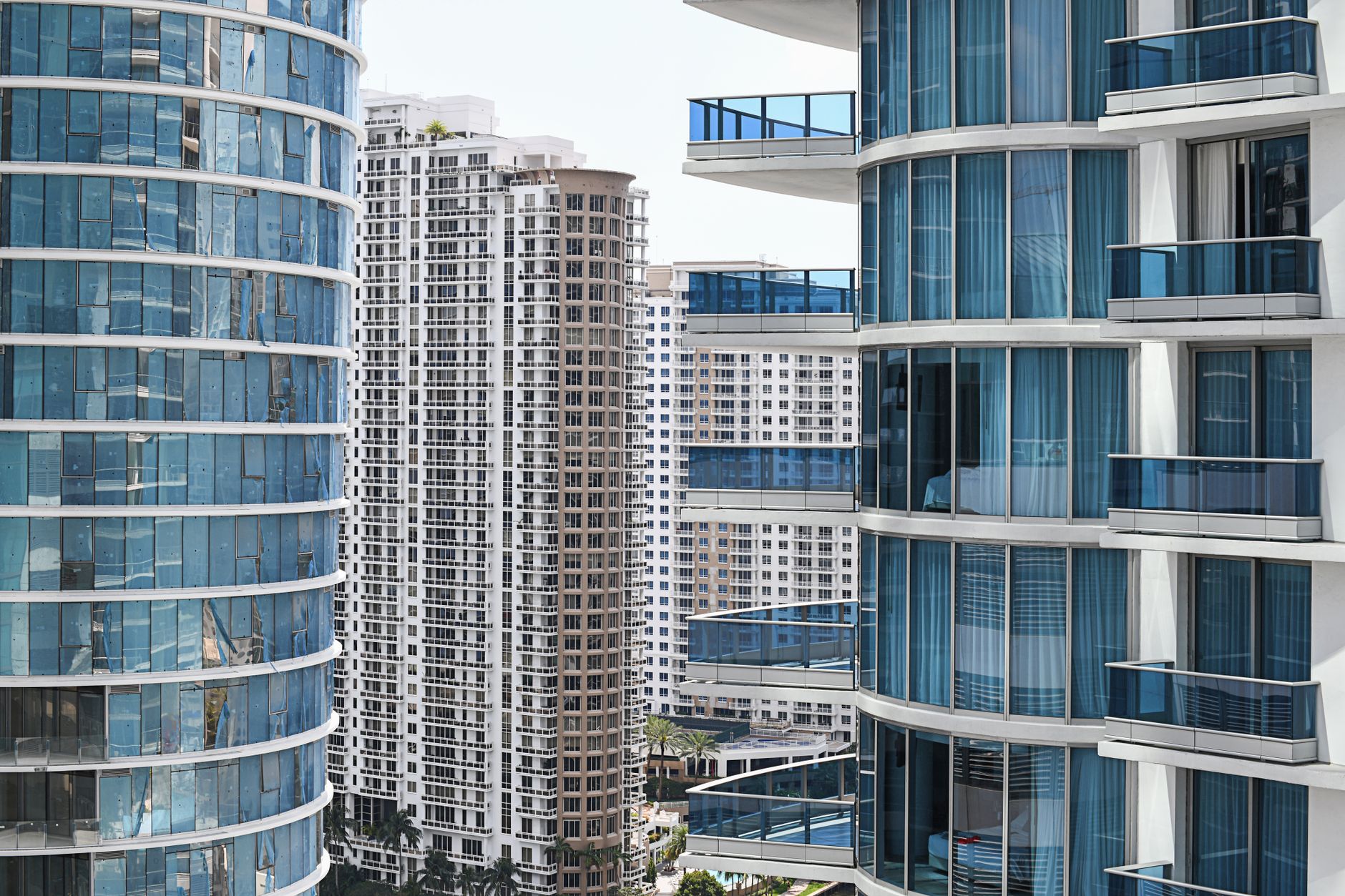
Reserve fund health is not only a buyer concern. It determines whether conventional financing is available at all.
After the Surfside collapse, Fannie Mae and Freddie Mac both revised their condominium project eligibility standards. Lenders processing conventional loans must now confirm that a project does not carry significant deferred maintenance, structural deficiencies to critical building systems, or inadequately funded reserves. Projects that fail this review are classified as non-warrantable. Financing a non-warrantable condo requires portfolio or non-agency lending, which typically carries higher interest rates, larger down payment requirements, and more restrictive qualification criteria.
FHA-insured and VA-guaranteed loans carry their own condo project approval requirements administered through HUD’s condominium project approval portal. Buildings must maintain active approval status. An association that has let its FHA approval lapse limits the resale market for every unit in the building to buyers with conventional or cash financing. That restriction compounds when the building also carries reserve fund concerns that affect conventional eligibility as well.
Cash buyers face none of these constraints at the time of purchase. But the building’s future eligibility shapes the resale market. If conventional agency financing is unavailable when you sell, the pool of qualified buyers is smaller, and what those buyers can bid is constrained by their financing costs and terms.
Before any financed offer, ask your lender to confirm the building’s eligibility for conventional financing. Many lenders can complete a preliminary review within 24 to 48 hours. If the building is currently non-warrantable, that information belongs in your offer negotiations, not in a closing-day discovery.
Working With a Broker Who Understands Reserve Risk
Florida’s luxury condominium market includes buildings that have approached their reserve funding obligations with real discipline: completed inspections, SIRS reports filed, reserves contributing at the mandated rate, no outstanding assessments, and financially stable associations. It also includes buildings where the reckoning from years of underfunding is just beginning.
The difference between those two categories is not visible from a top-floor unit with a direct ocean view and a renovated kitchen. The financials and the inspection reports are where the real picture lives. A well-positioned building worth its asking price looks entirely different on paper from one with the same views but a reserve shortfall requiring significant fee increases or an assessment within the next few years.
At MJI Realty Group, our work with luxury condo buyers in South Florida includes a thorough review of association documentation before we recommend any offer. We’ve worked through reserve studies, milestone inspection reports, special assessment disclosures, and board minutes across buildings throughout Miami-Dade, Broward, and Palm Beach counties. When the numbers raise questions, we know which ones to ask and how to read the answers.
If you’re considering a condominium purchase in South Florida, we’re glad to walk through the due diligence process with you. Strong representation at this stage protects the purchase, not just the closing.
Real estate decisions depend on individual circumstances. This article provides general information about Florida condominium law and buyer due diligence practices, and is not legal, tax, or investment advice for your specific situation. Consult a qualified Florida real estate attorney before any purchase decision.