South Florida Retail: A Tight Market with Selective Opportunity
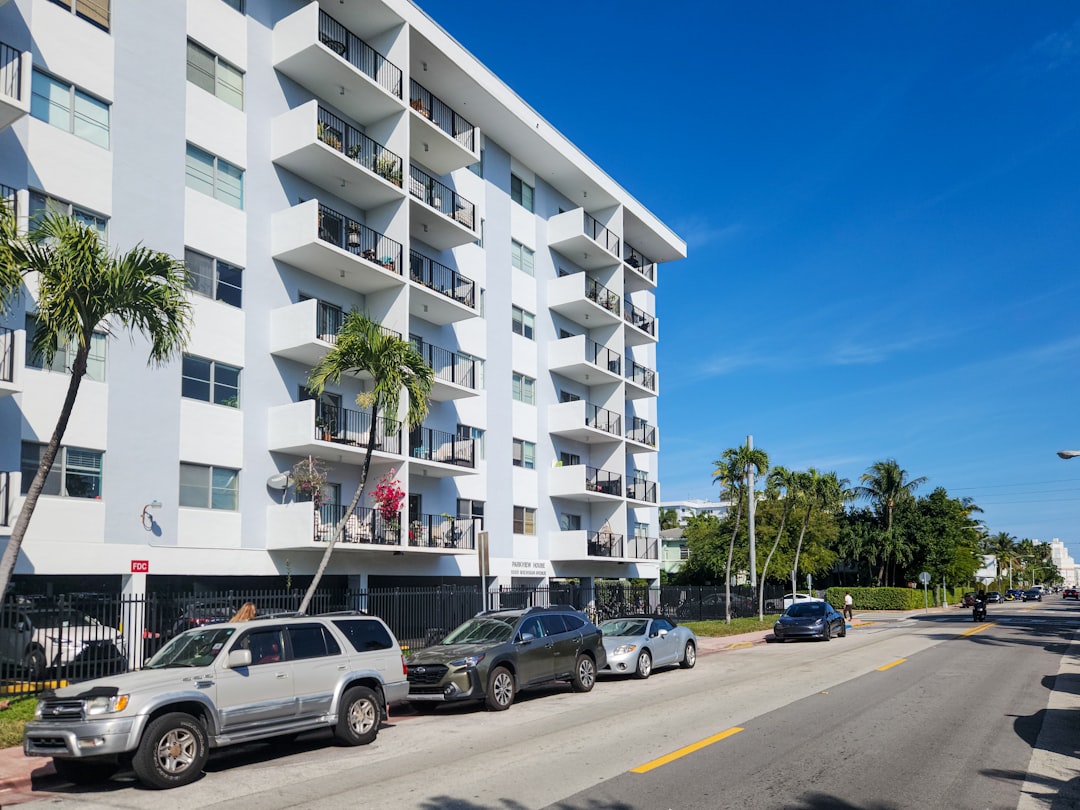
Florida retail does not look like retail in most of the country. While national commentary spent the better part of a decade writing off brick-and-mortar stores, the three-county South Florida region has maintained vacancy rates that most major metros would envy.
As of mid-2025, Miami-Dade retail vacancy sat at 3.2 percent. Broward County registered 4.1 percent. Palm Beach County came in at roughly the same level. The national retail vacancy average was running near 4.2 percent at the same time, which means South Florida’s core market was outperforming the country as a whole across every county in the region.
Less new supply coming to market is part of the story. The high cost of construction has meaningfully slowed retail development across South Florida compared to earlier cycles. Fewer new square feet means existing inventory tightens as tenants grow, relocate, and upgrade. That dynamic keeps landlords in a strong position and keeps rents firm.
The other part of the story is demand. Florida’s population growth, its tourism-driven economy, and the ongoing relocation of businesses and households from higher-cost states have kept consumer spending active in ways that benefit physical retail. Retailers who serve residents and visitors directly cannot move their operations to a fulfillment center in Memphis. They stay, they renew, and they pay market rent.
For investors, this means the retail opportunity in Florida is real, but it requires precision. Quality assets in the right formats and the right submarkets perform; commodity retail in weaker locations carries risk. Understanding which formats are working, and which are not, is the starting point for any acquisition analysis.
Grocery-Anchored Centers: Florida’s Most Durable Retail Investment
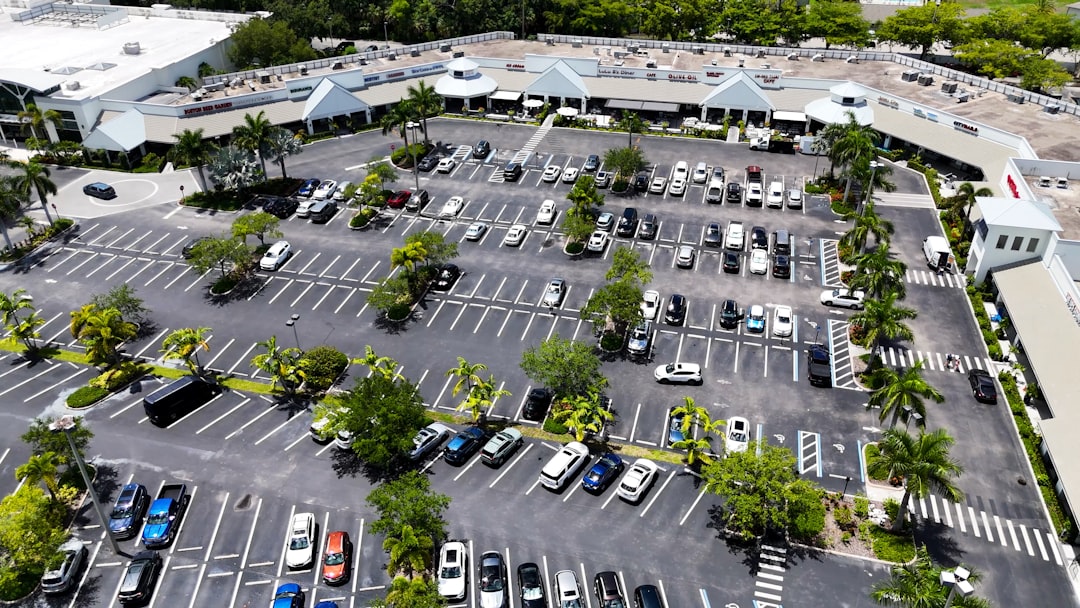
Grocery-anchored neighborhood centers are the institutional benchmark for retail investment nationally, and South Florida’s grocery anchor landscape is exceptionally strong. Publix, Florida’s dominant grocery chain with more than 900 locations statewide, anchors hundreds of shopping centers across Miami-Dade, Broward, and Palm Beach counties. These centers attract buyers willing to pay for stability: cap rates for the strongest Publix-anchored assets have compressed into the 5.5 to 5.8 percent range. Broader grocery-anchored product in Florida trades in the 6.0 to 6.75 percent band for well-located centers.
The anchor matters because it drives foot traffic that benefits every inline tenant. A grocery store pulling 15,000 to 20,000 shoppers per week creates a floor for the dry cleaner, the nail salon, the tax preparer, and the sandwich shop sharing the same parking lot. That anchor-driven traffic is difficult to replicate and virtually impossible to manufacture.
Centers anchored by Whole Foods or Trader Joe’s attract buyers at similar cap rate levels, given the demographic profile and household spending those grocers draw. Discount grocery anchors like Aldi and Winn-Dixie trade at wider spreads, typically 6.75 to 7.5 percent, reflecting the market’s read on tenant covenant strength and long-term stability relative to their Publix counterparts.
A structural tailwind for all Florida retail arrived with the elimination of the state’s commercial lease sales tax, which had added a cost burden to every commercial rental agreement in the state. That change, effective in late 2025, meaningfully reduced occupancy costs for retail tenants across Florida, improving the economics for both tenants renewing existing leases and new tenants entering the market. Lower occupancy costs translate to healthier tenant profit margins, which translates to lower default risk for landlords. For grocery-anchored center investors, it strengthened the already-favorable fundamentals of the asset class.
For background on how net lease structures work in Florida and why anchored retail attracts institutional capital, Florida Realtors offers a solid primer on the investment case for net lease retail.
Experiential Retail and Mixed-Use: Where Tenants Are Expanding

The consumer shift toward experiences over goods has reshaped what retail actually is in 2026. Fitness studios, specialty dining, food halls, entertainment concepts, and health-and-wellness tenants are among the most active expanders in South Florida’s retail market. These tenants have a characteristic that commodity retailers cannot offer: meaningful build-out investment that creates genuine stickiness.
A high-end fitness brand that installs specialized flooring, custom HVAC, mirrors, and equipment in a 5,000-square-foot suite is not walking away at lease renewal. The cost to replicate that build-out elsewhere is prohibitive. The same logic applies to a restaurant that has invested in a kitchen, hood systems, and outdoor seating. These tenants stay, and they renew at or above market because they know the alternative is starting over.
Mixed-use developments have accelerated the experiential trend in South Florida’s urban cores. Projects in Miami’s Brickell, Wynwood, and Coconut Grove corridors, as well as Fort Lauderdale’s downtown, are placing ground-floor retail and restaurant space beneath residential towers and office floors. The result is 24-hour foot traffic patterns that support food and beverage, boutique fitness, and personal services at levels suburban strip centers cannot match.
For investors, mixed-use retail is a more complex underwriting exercise than a straightforward neighborhood center. You are buying the tenant mix, the foot traffic, the surrounding density, and the demographic trajectory of the urban submarket, not just the in-place rent roll. The reward, when those factors align, is strong rent growth over time and vacancy rates that stay far below the broader market.
Pure retail centers that have repositioned around experiential tenants have also outperformed. Several enclosed malls and older lifestyle centers in South Florida have brought in fitness concepts, medical tenants, co-working users, and food halls to replace traditional anchors. The repositioning requires capital and time, but the results, measured in both occupancy and NOI stability, have validated the strategy.
Essential Service Strip Centers: Defensible, Necessity-Driven Retail
Not every strong retail investment requires a grocery anchor. Unanchored strip centers occupied by essential-service tenants: urgent care clinics, dental and medical offices, day care centers, dry cleaners, fast-casual restaurants, tax preparers, and hair and nail salons. These centers have held occupancy well across South Florida, precisely because those services cannot be replaced by an online order.
The core logic of essential service retail is defensibility. People need dental appointments and prescription pickups and haircuts regardless of what is happening in equity markets. Strip centers where the tenant mix skews toward necessity rather than discretionary spending carry lower volatility through economic cycles. They did not collapse in 2020, and they have not softened materially as interest rates have risen.
Cap rates for quality essential-service strip centers in South Florida typically run 100 to 150 basis points wider than comparable grocery-anchored product. A well-positioned, 90-percent-occupied strip center in a high-traffic Broward or Palm Beach County submarket might clear at 6.75 to 7.25 percent, depending on lease term, tenant credit, and location quality. Smaller neighborhood centers in infill Miami-Dade locations can price tighter when the location is irreplaceable and the tenant roster is stable.
The diligence priority for strip centers is the lease roll. Short remaining lease terms concentrated in the near future create risk that in-place occupancy does not reveal. A center where 60 percent of leases expire in the next 18 months is not a passive investment, regardless of the current rent collection rate. Staggered expirations, long-tenured occupants with demonstrated profitability, and below-market rents creating renewal motivation are the attributes that make a strip center genuinely low-risk for its new owner.
Single-Tenant NNN Properties: Passive Income, Concentrated Risk
Single-tenant net lease retail occupies its own category in Florida’s investment market. One tenant occupies the entire building. That tenant pays property taxes, insurance, and maintenance directly, leaving the landlord with essentially a bond-like income stream and very little day-to-day management responsibility. It is the most passive structure available in retail real estate.
The price for that passivity is compressed yield. A Walgreens, CVS, Chick-fil-A, or McDonald’s on an absolute NNN lease in a high-traffic South Florida corridor might trade at a cap rate between 4.5 and 5.5 percent, depending on remaining lease term, tenant credit quality, and whether the location has strong sales performance supporting the covenant. The highest-credit, longest-term assets price tighter; shorter remaining lease terms or weaker sales volume opens the spread.
The concentrated risk is equally clear. A single-tenant property is entirely subject to that one tenant’s health. If the tenant closes, the property goes dark. Large-format single-tenant retail that lost its occupant, including Bed Bath and Beyond and Tuesday Morning when those chains closed their Florida locations, left landlords with shells requiring significant capital to re-tenant. Credit quality at the time of purchase is not optional diligence in NNN retail; it defines the entire risk profile of the investment.
For investors seeking stable, passive income without the complexity of multi-tenant management, Florida’s single-tenant NNN market offers options. For investors seeking yield, the math typically favors anchored or multi-tenant retail where the cap rate spread compensates for the added management and leasing exposure. The right answer depends on the specific investor’s capital, timeline, and tolerance for operational involvement. NAR’s commercial research platform tracks investment volume and return data across retail asset classes for broader context.
Where Florida Retail Is Not Working
Being specific about weaker segments matters as much as identifying what performs. Not all retail product in Florida trades at the same risk profile, and several categories face structural headwinds that no amount of location quality fully offsets.
Enclosed regional malls continue to face the most challenging environment. Anchor departures, declining foot traffic, and the ongoing migration of discretionary spending online have made large-format enclosed retail a challenged product category. Florida has not been immune. Some enclosed malls have been repositioned successfully, converting old anchor spaces to medical uses, fitness concepts, entertainment, or mixed-use residential, but repositioning costs are significant and execution is not guaranteed. Buyers approaching enclosed mall opportunities need to underwrite the repositioning scenario explicitly, not just the in-place lease income.
Large-format big-box retail above 20,000 square feet faces a narrower tenant pool than a decade ago. The category of retailers willing and able to occupy those buildings has contracted. When a tenant does depart, re-leasing often requires significant landlord investment and lands below the prior rent. These properties require patient capital and realistic underwriting of re-tenanting timelines.
Office-adjacent retail in submarkets where daily office occupancy has not recovered also carries elevated risk. Concepts that depended on dense lunch-hour traffic from office workers have not fully recovered their pre-2020 economics. Submarkets where office vacancy remains elevated are worth careful scrutiny before committing to retail that depends on that office population for its business model.
None of these asset types are automatically uninvestable; they are cyclically repositionable at the right price. The buyer’s job is to price the actual risk, not the in-place income, and to ensure the acquisition cost leaves enough room to handle the repositioning without destroying returns.
Florida Retail Cap Rates: A Practical Guide for 2026
Cap rates across Florida retail vary significantly by product type, tenant quality, lease term, and location. Understanding where different retail categories clear in the market is essential before underwriting any acquisition.
Here is a framework for where Florida retail typically prices in mid-2026:
- Premium grocery-anchored centers (Publix, Whole Foods, Trader Joe’s anchor): 5.5 to 6.0 percent cap rates for the strongest assets in core South Florida submarkets
- Standard grocery-anchored neighborhood centers: 6.0 to 6.75 percent, reflecting broad institutional demand for the format
- Discount grocery-anchored centers: 6.75 to 7.5 percent, reflecting wider spread for lower-credit anchor tenants
- Essential-service unanchored strip centers, strong location: 6.75 to 7.25 percent for well-occupied, staggered lease roll
- Unanchored strip centers, secondary locations or short lease terms: 7.25 to 8.0 percent or wider, reflecting re-leasing risk
- NNN single-tenant, investment-grade national credit, long term: 4.5 to 5.5 percent, depending on brand, sales, and remaining lease term
- NNN single-tenant, regional credit or shorter lease: 5.5 to 7.0 percent or wider, with spread reflecting re-tenanting risk at expiration
These ranges are market observations, not appraisals. Specific transactions move inside or outside these bands based on asset condition, environmental history, lease structure, local supply dynamics, and overall CRE capital availability. As interest rates ease through 2026, expect cap rates across the retail sector to compress modestly, particularly for the institutional product types that benefit from wider capital inflows.
Nationally, commercial real estate investment volume is projected to rise meaningfully in 2026, with analysts estimating transaction activity approaching pre-pandemic annual averages. Florida retail, with its population growth and low vacancy profile, will attract a share of that capital. Buyers who have done their underwriting in advance will be better positioned to move on quality assets when they surface than those starting from scratch.
Florida Retail Due Diligence: What the Numbers Don’t Show
Florida presents several due diligence considerations that do not appear on a standard rent roll or trailing 12-month income statement. Getting them right before closing is far less expensive than discovering them after.
- Property insurance cost: Florida’s insurance market remains difficult following recent hurricane seasons. Insuring a retail strip center in a coastal county adds meaningful expense to the NOI calculation. Request actual insurance premium history, not just the landlord’s projection, and price replacement coverage independently before finalizing your underwriting.
- Flood zone and wind zone designation: Both affect insurance cost and carry real physical risk in a hurricane state. A property in a Special Flood Hazard Area (FEMA Zone A or AE) requires flood insurance and may face financing restrictions. Wind zone designation affects windstorm coverage cost significantly in coastal Miami-Dade, Broward, and Palm Beach counties.
- Lease review for co-tenancy provisions: Many retail leases contain co-tenancy clauses allowing tenants to reduce rent or terminate if an anchor departs or total occupancy falls below a threshold. These provisions are embedded in the lease, not the abstract. Missing one at closing can materially change the income profile of a center if an anchor later goes dark.
- Prohibited use restrictions: Older leases often contain broad prohibited use clauses limiting what other tenants the landlord can bring in. Understanding these before acquiring a center is essential if you plan to reposition the tenant mix.
- Property condition, especially roofs and HVAC: Florida’s climate accelerates wear on roofing systems and HVAC equipment. Replacing a roof across a 30,000-square-foot strip center in South Florida can cost $300,000 or more. Commission a full property condition assessment and price deferred maintenance into your acquisition cost before closing.
Florida’s commercial rental tax history is also worth reviewing. The Florida Department of Revenue’s commercial rental tax page documents the changes to commercial lease taxation that have affected occupier costs in recent years, providing useful context for understanding why tenant economics improved in 2025 and 2026.
Thorough pre-acquisition diligence on each of these items converts what looks like a straightforward income-property purchase into a genuinely informed decision. The items that surprise retail investors after closing are almost always visible in the documents beforehand; they are just overlooked or assumed away under time pressure.
Buying Florida Retail in 2026: Where MJI Realty Group Fits In
Florida retail investing rewards buyers who understand the market at the submarket level: the specific corridor, the traffic count, the trade area competition, and the lease structure in front of them, not just statewide trends. The difference between a grocery-anchored center that performs through the cycle and one that erodes over time often comes down to factors that only become visible after deep local knowledge is applied to the underwriting.
At MJI Realty Group, we work with commercial buyers and sellers across South Florida’s retail market, from Broward strip centers to Palm Beach County neighborhood anchored properties. Our focus is on buyers who are serious about the numbers and want access to off-market opportunities, honest underwriting support, and a brokerage team that knows the difference between a strong grocery-anchored deal and one that is priced for the story rather than the fundamentals.
If you are considering a Florida retail acquisition in 2026, or if you own retail property and are evaluating a sale, we are a direct conversation, not a form submission. We value your time, and we can tell you quickly whether what you’re looking at makes sense for your goals.
For additional data on Florida’s commercial market, Florida Realtors maintains a commercial real estate research library with current market reports and investment resources.
Real estate decisions depend on individual circumstances. This article is general information, not legal, tax, or investment advice for your specific situation. Consult qualified legal, tax, and financial professionals before making any acquisition decision.