When Buyers Have More to Choose From
South Florida’s luxury market above $2 million has more inventory today than it did during the 2021 and 2022 peak years. More supply means more choice for buyers, and more competition for sellers. Properties that don’t show at their best get passed over quickly, even when the location is strong and the underlying value is real.
A buyer looking at a $4 million estate in Coral Gables or a $3 million penthouse in Fort Lauderdale has more options today than that same buyer would have had three years ago. They scroll through listings fast. A dark entry photo, a cluttered kitchen counter, or outdoor furniture that hasn’t been replaced in a decade can end the consideration before the description is even read.
Professional staging is how a property tells its story correctly from the first image. Not as decoration, not as an optional add-on, but as a transaction tool that shapes the first impression, the showing experience, and the final offer number. In the luxury segment, where a 1% improvement in the final price can mean $40,000 or more, the economics of staging hold up under scrutiny.
What Staging Does for Your Sale Price
The research on staging is consistent across price points and markets. According to the National Association of REALTORS’ Profile of Home Staging, nearly 30% of listing agents reported that professional staging led to a 1% to 10% increase in the dollar value of offers compared to similar unstaged properties. On a $3 million listing, that range represents $30,000 to $300,000 in added value.
Almost half of listing agents surveyed (49%) observed that staging reduced the time properties spent on the market. In the luxury tier, days on market carries real weight. A property that sits 90 days invites low offers; buyers and their agents treat extended market time as a signal that something is off. A property that sells cleanly in its first few weeks carries no such liability.
The buyer side of the equation is equally clear. NAR’s research found that 83% of buyers’ agents said staging made it easier for buyers to picture the property as their future home. Luxury buyers are shopping for a life they want to live there, not just for square footage. Staging creates that picture and makes it concrete.
For every $1 invested in professional staging, RESA’s Q1 2025 data showed an average return of $23.34. On a $10,000 staging investment for a $4 million estate, that math suggests the investment returns well before any time-on-market savings are calculated.
Exterior Staging: The South Florida First Impression
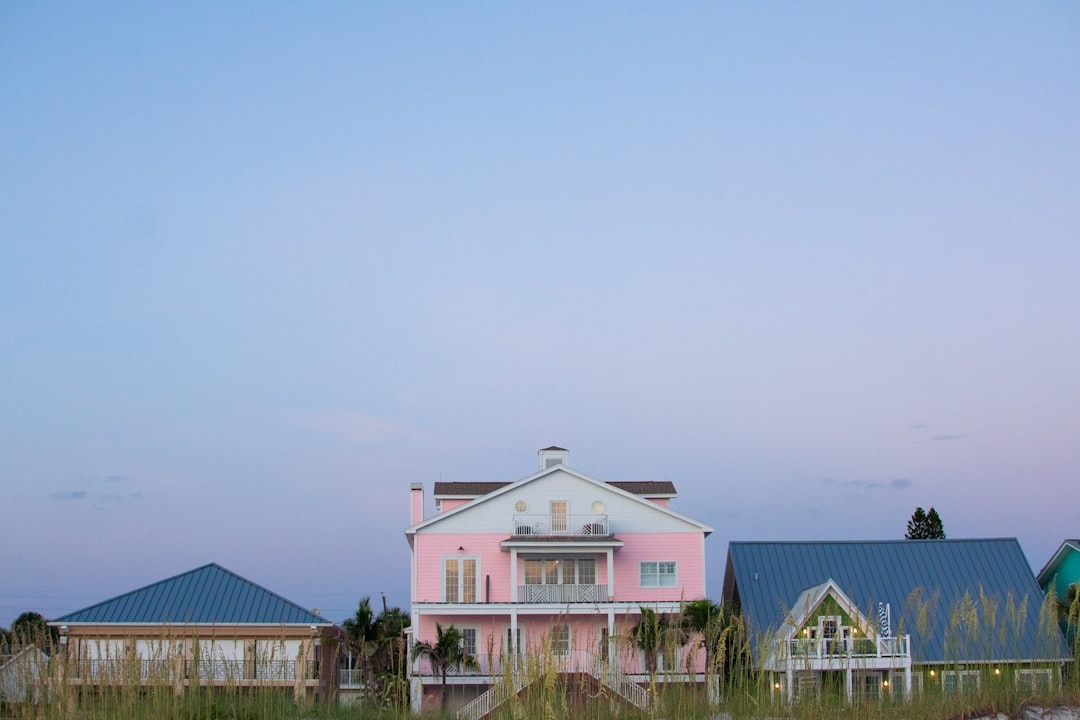
In most markets, staging begins at the front door. In South Florida, it begins at the street, and sometimes at the water.
The first image a buyer sees is typically the exterior or the pool area. Florida’s climate means tropical landscaping grows fast, sun exposure fades and cracks surfaces, and humidity leaves marks on driveways, pool decks, and exterior walls. A property that hasn’t been specifically prepared for a listing reads as a maintenance burden to an experienced buyer, even if the interior is pristine.
Exterior staging priorities before photography and before the first showing:
- Pressure wash driveways, walkways, and pool decks
- Trim or replace tropical landscaping that has overgrown or gone sparse
- Repaint or refinish exterior surfaces showing weathering or sun damage
- Stage the pool area with matching furniture, clean cushions, and a skimmed pool surface
- Add exterior entry lighting; an evening shot of a well-lit luxury estate is one of the most effective listing images in this market
- Remove vehicles, trash cans, hoses, and anything else that clutters the exterior photo angles
Color coherence matters on the exterior, especially in outdoor furniture and plantings. Mismatched chairs, faded umbrellas, and planters in three different materials undercut an otherwise strong property. A consistent material and tonal palette in the outdoor spaces photographs well and reads as intentional care.
For waterfront properties, the dock and seawall deserve the same attention as the pool deck. Power wash the dock surface, replace missing cleats, add dock lighting if the space is used in the evening. A clean, well-maintained dock tells a buyer that the rest of the property has been taken care of at the same standard.
Interior Staging: What Luxury Buyers Look For
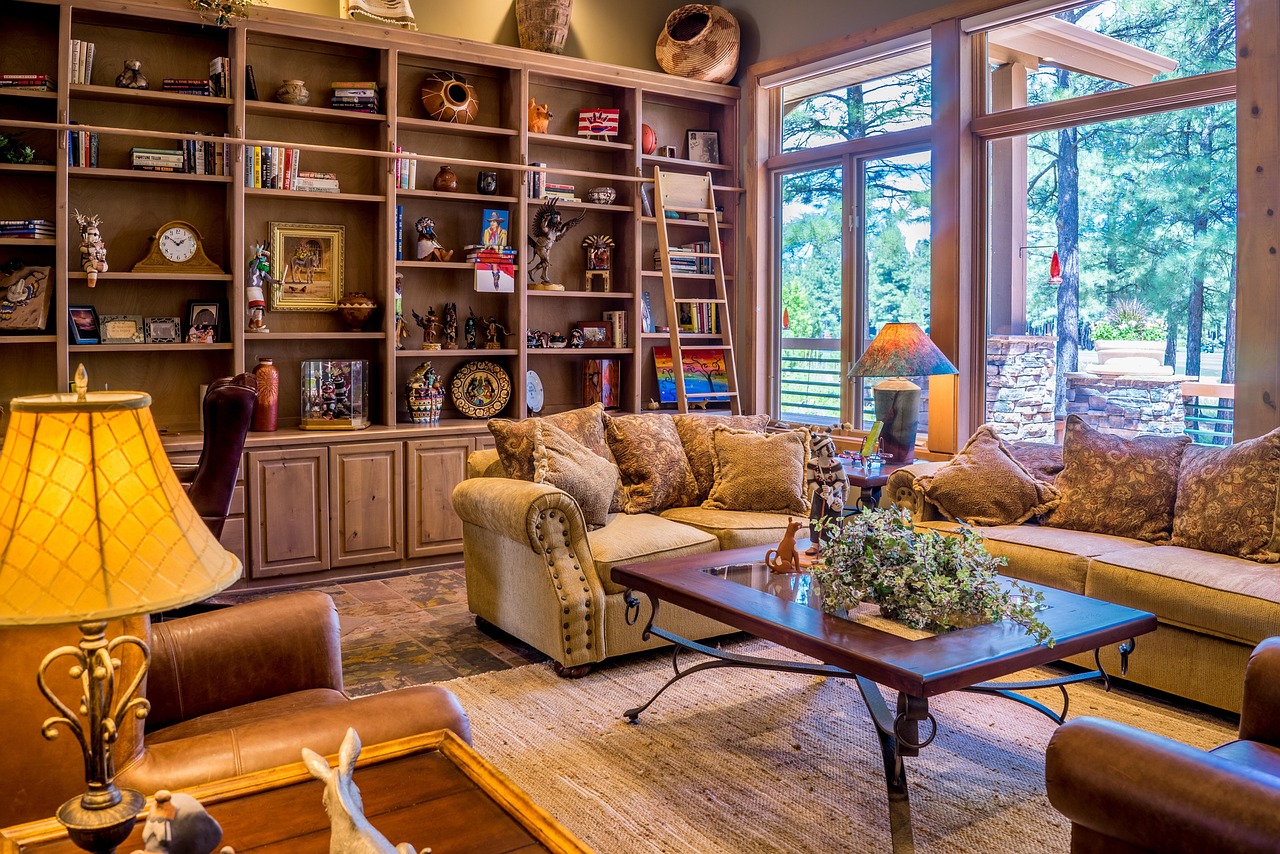
Luxury buyers read quality. Volume staging, where generic rental furniture is placed simply to make rooms look occupied, is visible immediately at this price point and can work against the seller. At $2 million to $7 million, the furniture, art, and accessories in the staged rooms need to actually belong at that level.
Interior staging priorities by room:
- Living room: Furniture placement should create conversation groupings, not push everything against the walls. A properly scaled rug grounds the seating area. Art should have real presence and appropriate scale for the room. The entry-facing angle that most listings use as their primary interior photo should be composed specifically for impact.
- Kitchen: Counters cleared except for one or two intentional elements. A quality bowl with fresh fruit, or a single architectural decorative piece. If the appliances are premium brands such as Sub-Zero, Wolf, or Miele, make sure they are visible and clean. Buyers in this segment know what those appliances cost.
- Primary suite: The bed should be dressed in linens that read as luxury. Symmetrical nightstands with matching lamps. Art above the headboard at the correct scale. If the walk-in closet is a feature, it should be organized and styled, not stuffed to capacity.
- Secondary bedrooms: Buyers walk every room. A fifth bedroom that looks neglected works against the impression the living room built. Each room should be staged simply but completely: bed dressed, nightstand present, art on the wall.
- Baths: Primary and secondary baths both matter. Clear the counters, replace towels with fresh ones in a consistent color, and add cohesive accessories. Outdated accessories in a high-end bath read as dated regardless of the fixture quality underneath.
Lighting is the detail most sellers underinvest in. Good staging in poor light is largely neutralized in photography. A stager who understands how South Florida’s natural light enters different rooms at different times of day, and how to supplement it for the shoot, is worth more than one who works without that awareness.
According to Florida Realtors’ market research, South Florida properties that sell within the first 30 days consistently achieve closer to asking price than those that sit beyond 60 days. Staging is one of the variables that determines which group a property falls into.
Outdoor Living: The Florida Advantage
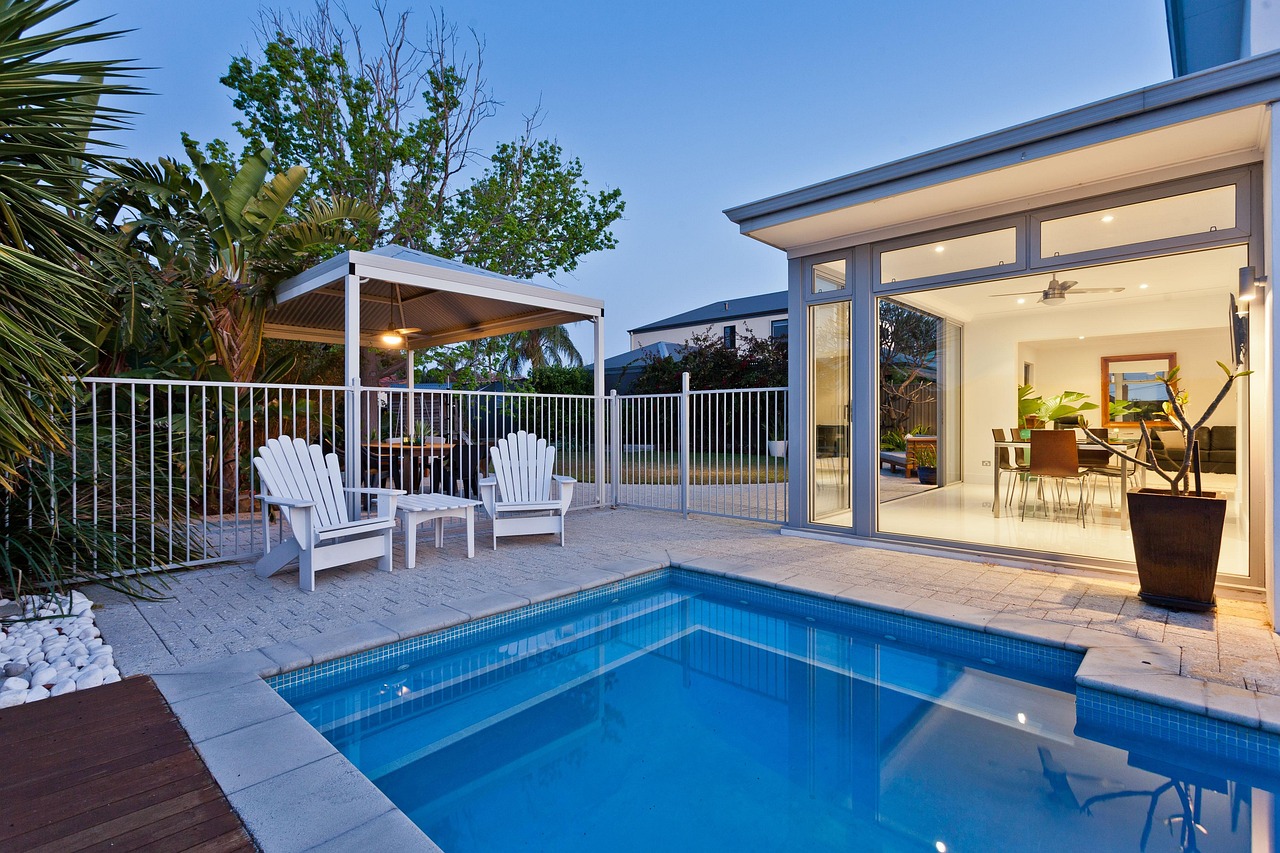
No other region in the country places the same weight on outdoor living that South Florida does. For many buyers at the luxury tier, the outdoor spaces are not a feature of the property; they are the reason for the property. A well-staged outdoor area can be the most persuasive part of the showing.
What outdoor staging requires in this market:
- Pool area: Furniture scaled to the deck space and in current condition, with matching cushions. Towels set at the towel bar. Pool surface clean and correctly lit. On the morning of photography, skim the surface and run the water features if there are any.
- Summer kitchen: If there is one, stage it as a functional space. A cutting board, a set of glasses, a small potted herb. Make it read as a place where someone would actually cook, not a stainless steel display that the sellers avoid touching.
- Covered lanai or loggia: Create two distinct furniture groupings when the space allows: a dining area and a lounge area. Buyers want to see both functions, not just one. The visual of a fully realized outdoor living space is one of the strongest selling images a South Florida luxury listing can produce.
- Boat dock and seawall: Power wash the dock surface, replace worn or missing dock cleats, add dock lighting. A clean, functional dock is part of what the buyer is paying for at this price point.
- Landscaping adjacent to outdoor living areas: Trim anything that crowds the space or blocks sightlines to the water, the pool, or the view.
A well-staged outdoor living area effectively extends the perceived size of the home. When the indoor and outdoor spaces flow visually and function as one, the total impression is greater than either space alone. That impression shows in offers.
Photography and the Online First Look
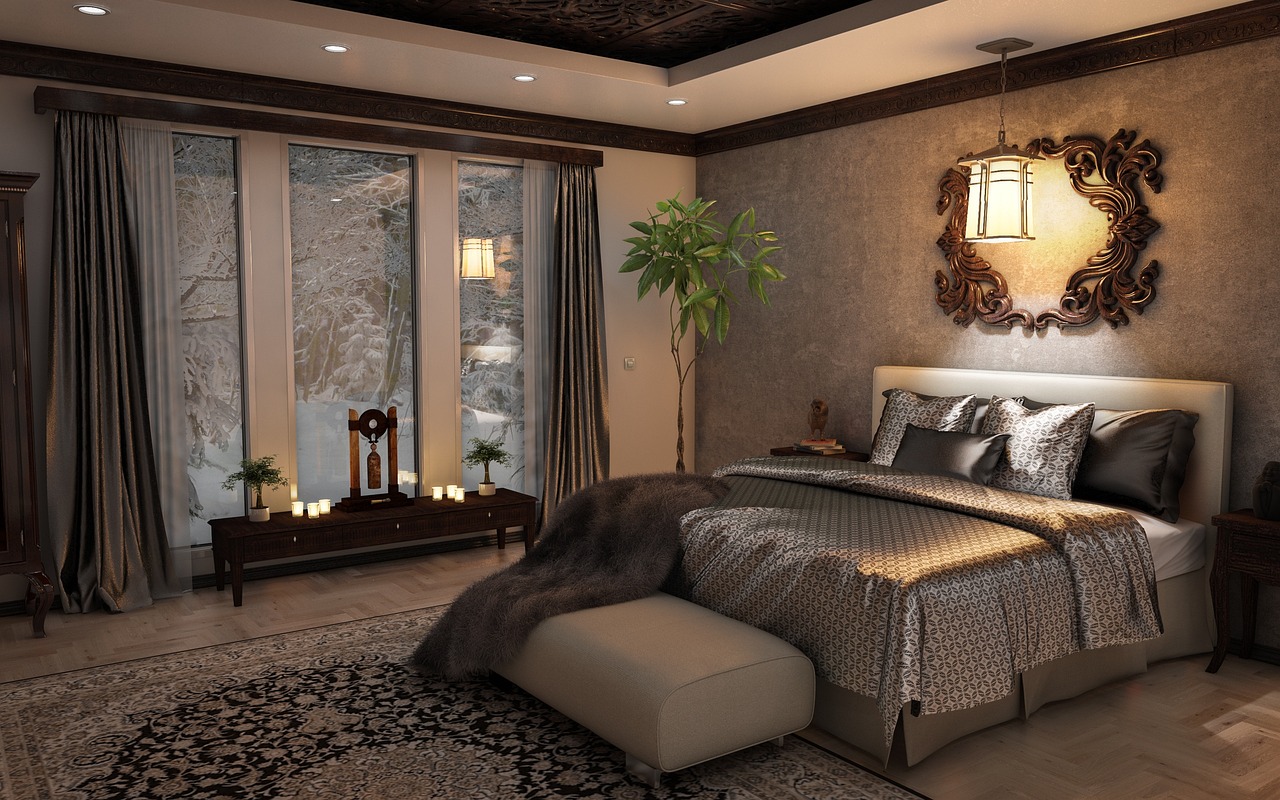
Most buyers first encounter a property online, often while in another city or another country. For South Florida luxury properties, buyers from New York, Chicago, Toronto, and internationally are part of the buyer pool. Initial decisions, and sometimes offer decisions, are made based entirely on what those buyers see on screen.
Staged properties photograph at an entirely different level than unstaged ones. The furniture placement guides the photographer’s angles. The art creates focal points. The outdoor staging makes aerial photography, standard in South Florida luxury marketing, coherent rather than cluttered. A professional shoot of a staged property gives the marketing team material that shows the property’s best version rather than its present reality.
The quality gap between smartphone photos and a professional real estate photographer using correct lighting, staging-aware angles, and post-processing is visible immediately to buyers and their agents. At the luxury level, that gap is simply not acceptable, and properties that show up with it are discounted in buyers’ minds before anyone has seen the price.
Beyond still photography, video and virtual tour content carry real weight for buyers who may not visit in person before making an offer. A polished walkthrough video that shows the flow of the home, the connection between indoor and outdoor spaces, and the surrounding neighborhood can be a deciding factor. Drone video of a waterfront property or estate in a premium neighborhood gives remote buyers something they genuinely need.
Virtual staging, where furniture is digitally added to empty room photos, is available as an option. For a luxury property, it tends to be recognized as digital rendering by experienced buyers. Real staging combined with professional photography is the combination that performs at this price point.
Staging Mistakes That Cost Sellers Money
Several staging mistakes appear consistently in South Florida luxury listings, and most of them are avoidable with early planning.
Leaving too much personal property in place. Personal photos, collections, religious decor, and heavily personalized items should be moved to storage before the first showing. Luxury buyers are purchasing their version of this home. When a property feels too personal, buyers spend their time observing who lives there rather than imagining themselves there. That shift in attention costs the seller.
Staging only the primary rooms. The living room, dining room, and kitchen receive attention; the upstairs, the secondary bedrooms, the baths, the laundry, and the garage do not. Buyers walk every room. A property that shows well on the main level and then falls apart upstairs sends a signal that undermines whatever impression the first floor built.
Treating baths as afterthoughts. Primary baths with cluttered counters, personal toiletries on display, or mismatched towels undo the impression built in the primary suite. The bath should read as part of a luxury experience, not as a storage area with a nice fixture package.
Skimping on exterior staging to focus on the interior. In South Florida, the exterior and outdoor spaces are often what buyers remember. A beautifully staged living room paired with a faded, cluttered pool deck is a missed opportunity at every price point above $1 million.
Separating staging and photography. The staging should be complete and in place before the photographer arrives. The photographer should know the property well enough to compose around what the stager created. When these two aren’t coordinated, the photography often misses the best angles of the staging work, and the listing launches with photos that don’t do the property justice.
What Staging Costs and What It Returns
Staging costs in the South Florida luxury market vary based on property size, whether the home is vacant or occupied, and how much furniture must be brought in versus how much of the existing furniture can be edited and repositioned.
Typical ranges for a property in the $2 million to $7 million range:
- Staging consultation only: $300 to $800. The stager walks the property and provides a written plan covering what to remove, what furniture to rent, and how existing pieces should be repositioned. The seller or their team executes the plan.
- Partial staging of an occupied home: $2,500 to $8,000. Key rooms are staged with brought-in furniture, art, and accessories. The seller’s existing pieces are edited and some moved to storage. A well-done partial staging can significantly change the impression of a property at a fraction of the cost of a full vacant staging.
- Full vacant staging: $10,000 to $25,000 or more for a large estate. All furniture, art, linens, and accessories are brought in and installed for the listing period, typically 30 to 90 days. Monthly furniture rental fees may be charged separately from the staging service fee.
The return data supports the investment. RESA’s 2025 research found that for every $1 invested in professional staging, sellers saw an average return of $23.34, based on actual closed transactions. A $12,000 staging investment on a $5 million estate that achieves even a 0.5% better final price returns $25,000, and the staging cost is recovered before any savings in reduced time on market are factored in.
These figures don’t guarantee a specific outcome on any individual transaction. No single variable does. But across the pool of comparable transactions, staged properties consistently outperform unstaged ones at the same price point. The seller who stages is competing at the highest possible level for the offers their property attracts.
Your Broker and Stager Working Together
The best staging outcomes happen when the listing broker and the stager collaborate early, before the listing appointment and well before professional photography.
A broker who has worked extensively in South Florida luxury understands the buyer profile for specific submarkets. What works in Boca Raton’s Mizner Park area reads differently from what works in Miami Beach or in a Naples estate community. A broker who can brief the stager on who is likely to buy this property gives the stager the right frame of reference for furniture style, color palette, and how to present outdoor living relative to interior space.
The staging consultation should happen before the listing goes live. Staging a property after it has been on the market for 45 days is damage control. Staging before the first showing is strategy, and the market responds to the difference.
The broker’s role also includes honesty about what staging can and cannot fix. Staging is not a substitute for accurate pricing. A beautifully staged property priced 12% above market is still priced wrong. Staging creates the best possible presentation for the buyer pool the price attracts. Pricing determines which pool that is.
A broker who understands this relationship can direct the seller to invest in staging at the right scale for the property and price point, rather than over-investing in staging for a home that needs price repositioning, or under-investing in a property that is correctly priced and deserves the strongest possible presentation it can get.
Selling with Strategy in South Florida
Staging a luxury property correctly requires planning, coordination, and the right team in place before the listing date. The sequence matters: staging consultation, then staging installation, then professional photography, then the listing launch. Each step sets up the one after it. When the sequence is done correctly, the property enters the market in its best form and sustains it.
At MJI Realty Group, we work with South Florida luxury sellers from the first conversation about preparation through the closing table. That includes connecting our clients with experienced stagers who know this market, coordinating the photography and digital marketing, and making sure the property is positioned and priced correctly before it ever goes public. If you’re preparing a luxury estate or high-end property for sale in Miami-Dade, Broward, or Palm Beach, reach out to talk through what preparation will actually move the number.
Real estate decisions depend on individual circumstances; this is general information, not legal, tax, or investment advice for your specific situation.