Below-Normal Season, Real Consequences
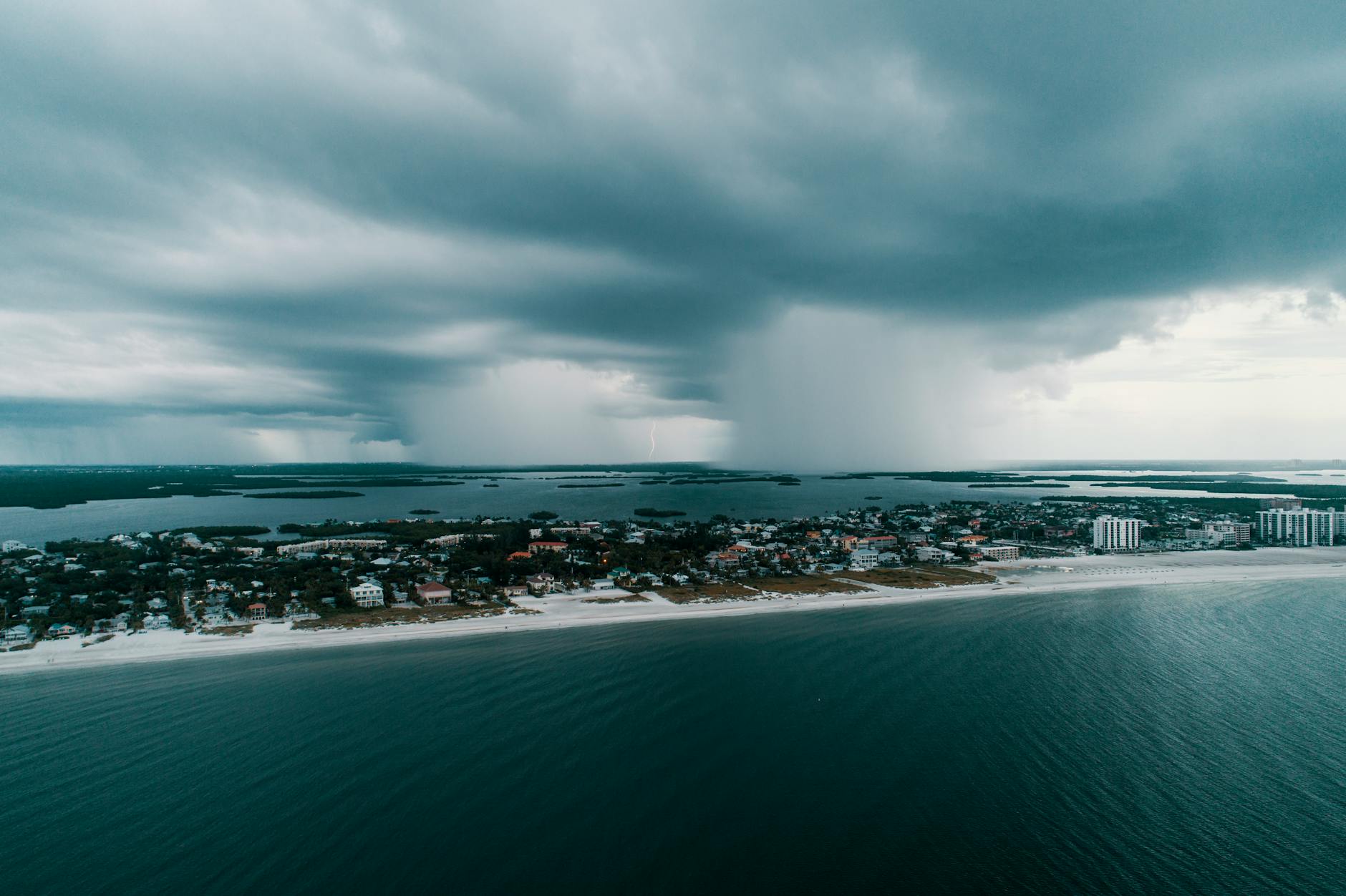
NOAA’s 2026 Atlantic hurricane season outlook calls for 8 to 14 named storms, with 3 to 6 reaching hurricane strength and 1 to 3 becoming major hurricanes at Category 3 or higher. That’s below the historical average of 14 named storms and 7 hurricanes. A developing El Nino pattern is the primary reason forecasters see quieter activity this year.
South Florida luxury homeowners should not interpret that forecast as a green light to skip preparation. Below-normal doesn’t mean no storms. A single major hurricane making landfall between Miami and West Palm Beach can produce the kind of damage that takes years and hundreds of thousands of dollars to undo.
The numbers make the point plainly. Hurricane Milton, which struck Florida in October 2024, caused an estimated $34.3 billion in total losses. Hurricane Helene the same season reached $78.7 billion in total costs. These storms arrived in what was, by historical standards, a busy but not record-shattering year. One well-positioned storm is all it takes, and South Florida sits in the direct path of systems that form in the Atlantic, the Caribbean, and the Gulf of Mexico.
Peak season runs from mid-August through mid-October, with roughly 78 percent of all tropical storm activity concentrated in those weeks. The official season opens June 1 and runs through November 30. Preparation should be complete before late May, not started when a storm is already in the forecast.
NOAA’s official 2026 outlook is worth reading in full. The agency notes that while El Nino is expected to suppress storm development, above-average sea surface temperatures could still fuel rapid intensification once systems form. Fewer storms but potentially stronger ones is precisely why preparation matters regardless of the seasonal forecast.
Windows, Doors, and Roof: Your Home’s First Defense
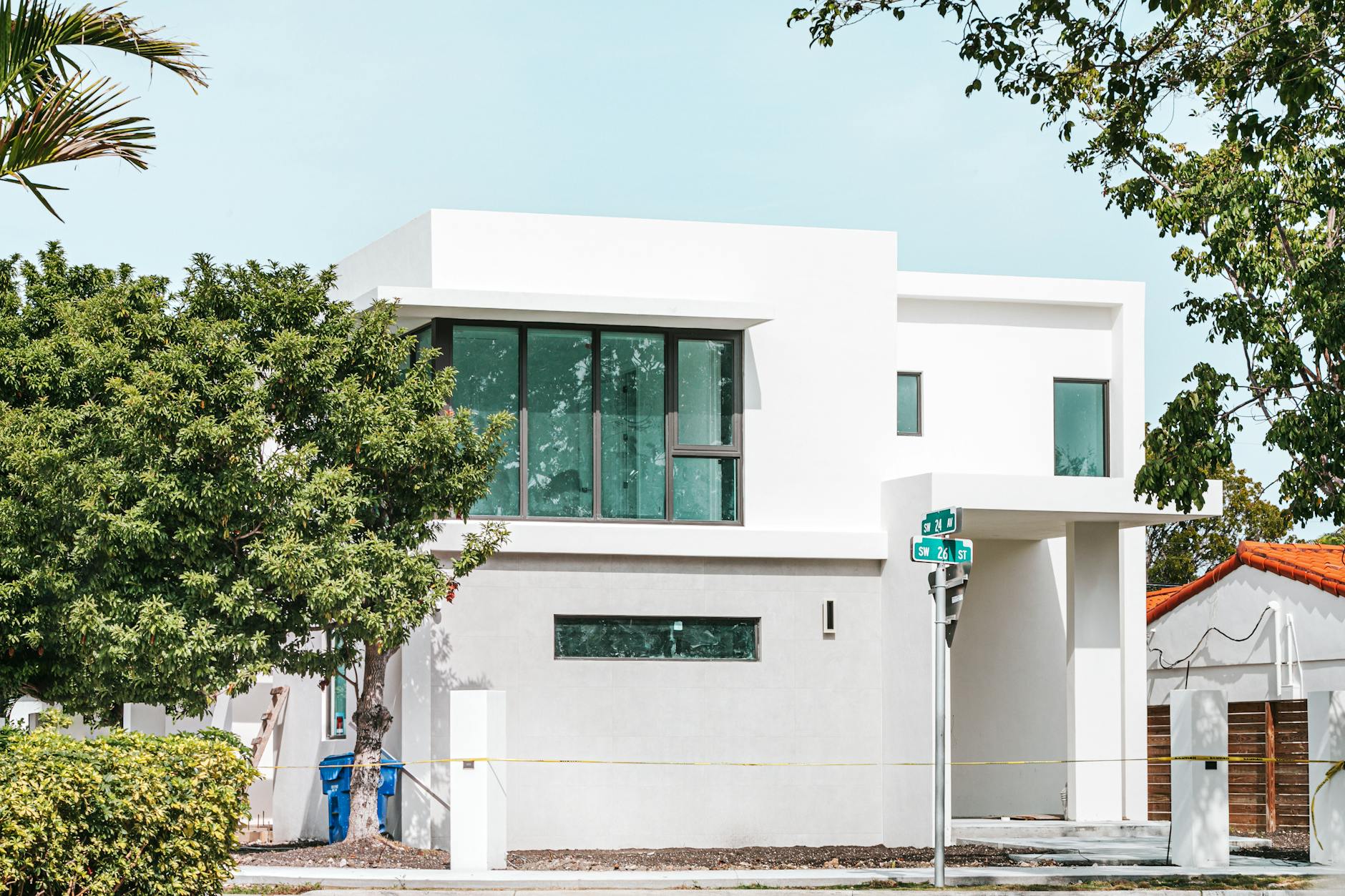
For a luxury property in South Florida, whether a waterfront estate in Palm Beach, a canal-front home in Fort Lauderdale, or a Coral Gables residence with a mature oak canopy, the building envelope is the most consequential storm investment you can make. When a window or door fails in hurricane-force winds, pressure enters the structure and can lift roofs and collapse walls from the inside out.
Impact-resistant windows and doors are the standard in new South Florida construction. Miami-Dade County maintains some of the most stringent wind-load codes in the country, revised significantly after Hurricane Andrew in 1992. If your home was built or fully renovated in the last 15 years, you likely already have this protection. If it predates the post-Andrew code revisions, verify what you actually have before assuming you’re covered.
For older homes, the choice comes down to impact windows versus hurricane shutters. Impact windows are permanent: no installation required when a storm approaches, no off-season storage problem, and year-round protection against forced entry as well. Accordion shutters and panel systems require time and physical effort to deploy, and that deployment window shrinks fast when a storm accelerates unexpectedly. Either system, properly installed and rated for your wind exposure zone, can meet Florida Building Code requirements. The difference is convenience and reliability under pressure.
Garage doors deserve special attention. The garage door is the largest opening in most homes and one of the most common structural failure points during hurricane-force winds. A retrofit bracing kit or a new hurricane-rated replacement door is a modest investment compared to what happens when one fails. If your garage door is original to an older home, budget for it now.
Roof condition is equally critical. Worn flashing, lifted shingles, or failing underlayment dramatically increases claim probability. Florida homeowners’ insurers know this and have tightened underwriting standards accordingly. If your roof is more than 15 years old, schedule a licensed roofing contractor’s inspection before June 1. Florida’s My Safe Florida Home Program pairs free wind mitigation inspections with matching grants of up to $10,000 for eligible homeowners. The Florida Division of Emergency Management publishes updated pre-season checklists and program details each year.
Whole-Home Generator: Power Is Not Optional
A luxury home without generator backup becomes a serious liability when a major storm passes through. Power outages after significant hurricanes in South Florida routinely last 7 to 14 days. In areas hit hardest, restoration can take longer. Refrigerated medications, smart home systems, pool equipment, elevators, whole-house water filtration, wine cellars, and security systems all go dark without a backup power source.
For larger estates with significant mechanical systems, generally anything above 4,000 square feet, a standby propane or natural gas generator connected via an automatic transfer switch is the appropriate solution. These units start automatically when utility power fails, require no manual intervention, and sustain the home indefinitely as long as fuel is available. Properly sized systems for large luxury homes commonly run 20kW to 45kW and above. Your electrician or generator contractor can size the system based on your critical loads.
Propane-powered standby systems have a specific advantage in South Florida: you can store substantial fuel on-site regardless of what happens to gas stations, which typically see long lines the moment a storm watch is issued. If your property uses natural gas, confirm with your supplier that the distribution infrastructure serving your area is underground. Surface infrastructure is more vulnerable to storm damage.
Portable generators are a secondary option for smaller power needs, but they carry serious risk when mishandled. FEMA and the CDC both advise keeping portable generators at least 20 feet from any structure with exhaust directed away from all windows, doors, and vents. Carbon monoxide poisoning following hurricanes is one of the most preventable causes of post-storm fatalities.
A whole-home standby system installed and ready for season typically costs $15,000 to $30,000 or more depending on size and complexity. That investment is modest compared to the property exposure and the personal disruption from going without power in a Florida August or September.
Exterior Preparation Before June 1
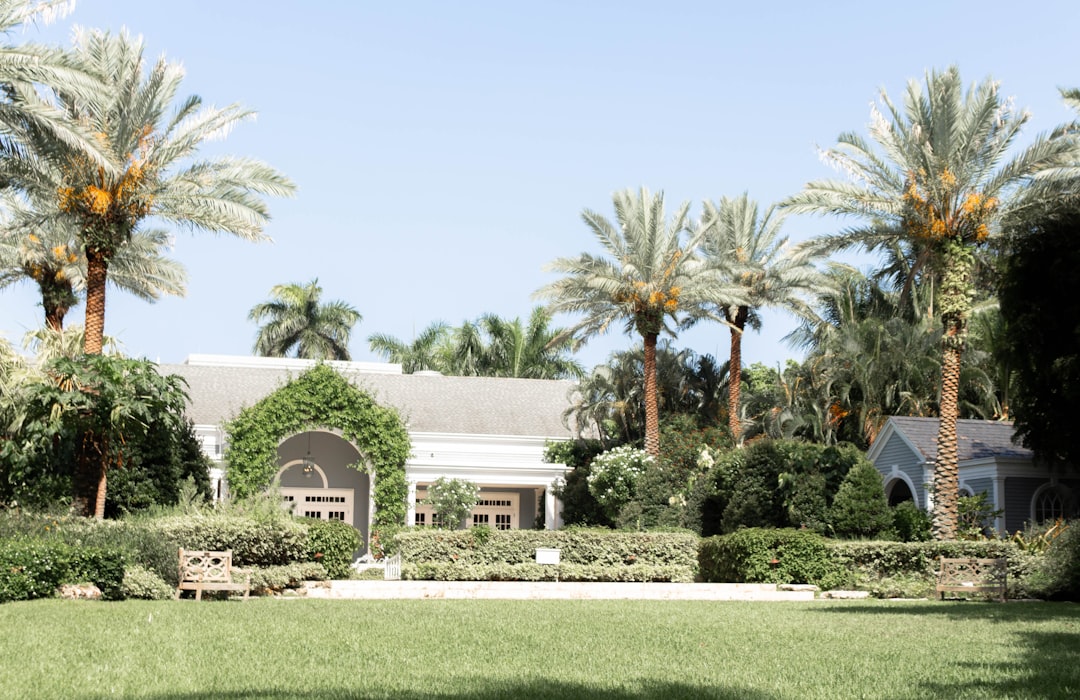
Luxury estates in South Florida often feature extensive outdoor living areas: summer kitchens, pergolas, large pool decks, fire features, mature tropical landscaping, and substantial outdoor furniture. Each element requires specific attention before hurricane season opens.
Tree and vegetation trimming is the single most cost-effective exterior preparation available. Dead branches and overhanging limbs become projectiles in winds exceeding 100 miles per hour. Hire a licensed arborist to assess mature canopy trees, not just for what might hit the structure but for root systems that can heave in saturated soil during extended rainfall. Mango trees, sea grapes, and palms each respond differently to major storms, and the right approach differs by species. This work should be completed several weeks before season, when licensed arborists have capacity and aren’t fully booked.
Pool preparation is frequently misunderstood. The longstanding advice to lower pool water levels before a storm is outdated for most modern pools. Current guidance is to leave water at normal levels, because the water’s weight helps keep the shell stable in flooding conditions. What matters more: securing or removing the pump motor cover, unplugging automation systems before potential flooding, and bringing all loose equipment inside. Pool floats, cleaners, and toys become projectiles at storm-force wind speeds.
Outdoor kitchens and furniture should be stored inside or anchored well before a named storm develops. Stainless grills, dining sets, and decorative items that seem substantial enough to stay put in a 40-mph sea breeze become dangerous in 110-mph gusts. If outdoor furniture won’t fit inside the garage, weather-resistant anchor straps and ballast bags reduce risk, though storage is always the more reliable option.
Gutters and drainage are worth checking now. Clogged gutters force water against the fascia board and roof deck. Properties with mature landscaping and large tree canopies accumulate debris quickly. Have gutters cleared and confirm that all downspout extensions direct water well away from the foundation, a detail that matters when six inches of rain falls in 12 hours.
Documenting Your Property: The Step Most Owners Skip
Insurance claims for luxury properties involve a level of complexity that standard residential claims don’t encounter. A $4 million home with a custom wine cellar, original artwork, high-end built-in appliances, designer finishes, and bespoke outdoor features requires documentation that a standard claims adjuster won’t reconstruct on your behalf. Start this process before the season opens.
Walk every room with a smartphone video. Talk through what you’re filming and describe items of significance. Open closets, cabinets, and built-ins. Film the exterior, the outdoor kitchen, the generator, pool equipment, and any structures on the property. This video becomes your baseline record of pre-storm condition. Date the recording and back it up to cloud storage so it’s accessible even if local devices are destroyed or inaccessible.
For items of particular value, including artwork, sculptures, wine collections, jewelry, antiques, and collectibles, photograph each piece with good lighting and record serial numbers, maker’s marks, or appraisal reference numbers alongside the image. Your insurance carrier’s special riders for these items typically require scheduled documentation, and a photo record accelerates the appraisal process if a claim is ever filed.
Store critical documents in a fireproof, waterproof safe on an upper floor or in a secure digital location with offline backup. That includes: homeowners insurance policy declarations, flood insurance policy, title documents, passports, estate planning documents, and your complete home inventory. Everything you would need to rebuild financially should exist in a form you can access even if the property is inaccessible for weeks after a storm.
The Florida Office of Insurance Regulation maintains consumer resources on policy review and claims preparation at floir.com, a useful starting point if you’re uncertain about what your current policy covers and what requires supplemental riders.
Insurance Gaps That Catch Luxury Homeowners Off Guard
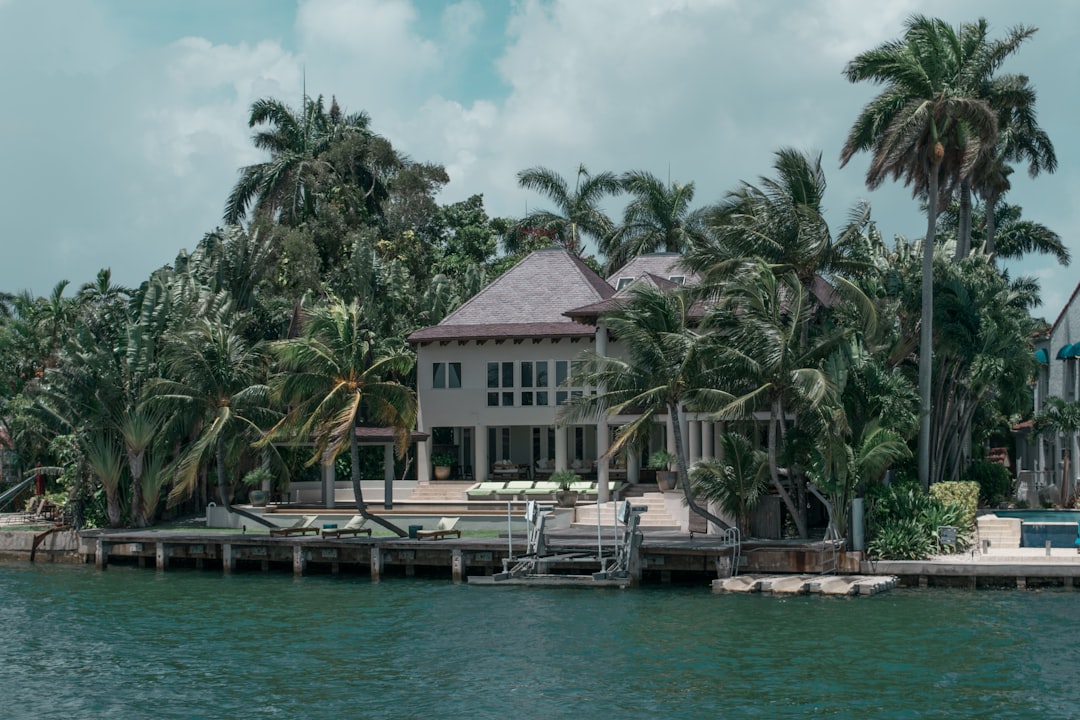
Florida homeowners’ insurance has changed substantially over the past five years, and luxury property owners in coastal South Florida markets face some of the sharpest conditions in the country. Annual premiums for high-value coastal properties commonly run $8,000 to $20,000 or more. Understanding what your policy actually covers, and what it doesn’t, matters more than the premium number itself.
Hurricane deductibles work differently than most people expect. Most Florida policies apply a hurricane deductible as a percentage of the home’s insured value, typically 2 to 10 percent. On a $3 million insured property, a 5 percent hurricane deductible means $150,000 out of pocket before insurance coverage applies. Many luxury homeowners don’t fully understand this structure until they’re filing a claim after a named storm. Review your declarations page now and confirm the exact deductible terms.
Flood insurance is a separate policy entirely. Standard homeowners’ insurance in Florida does not cover flood damage. Storm surge, which can push seawater miles inland during a major hurricane, is classified as flooding and falls outside a standard policy. For properties in coastal and waterfront locations across Miami-Dade, Broward, and Palm Beach counties, a separate flood policy is essential: it’s the only coverage that addresses the most catastrophic storm scenario. Coverage is available through the National Flood Insurance Program or through private flood insurers. Flood policies carry a 30-day waiting period for new coverage, so this is not something to arrange when a storm is approaching.
High-value personal property requires scheduled coverage. A standard homeowners’ policy applies sublimits for jewelry, artwork, wine collections, and other valuables, often $2,500 to $5,000 per category. That doesn’t approach the replacement value of a serious collection. Scheduled personal property riders or separate inland marine policies cover these items at their actual appraised value. If you haven’t reviewed these limits in the past two or three years, pull your declarations before June 1.
Wind mitigation inspections can reduce annual premiums. A licensed inspector evaluates roof shape, roof covering attachment, roof deck fastening, opening protection, and other structural factors. A favorable report translates into measurable annual savings. Most insurers require a fresh inspection following any roof work or every five years. If yours is overdue, schedule it now while contractor availability is good; demand spikes as June approaches.
Seasonal Residents: Protecting a Home You’ve Left Behind
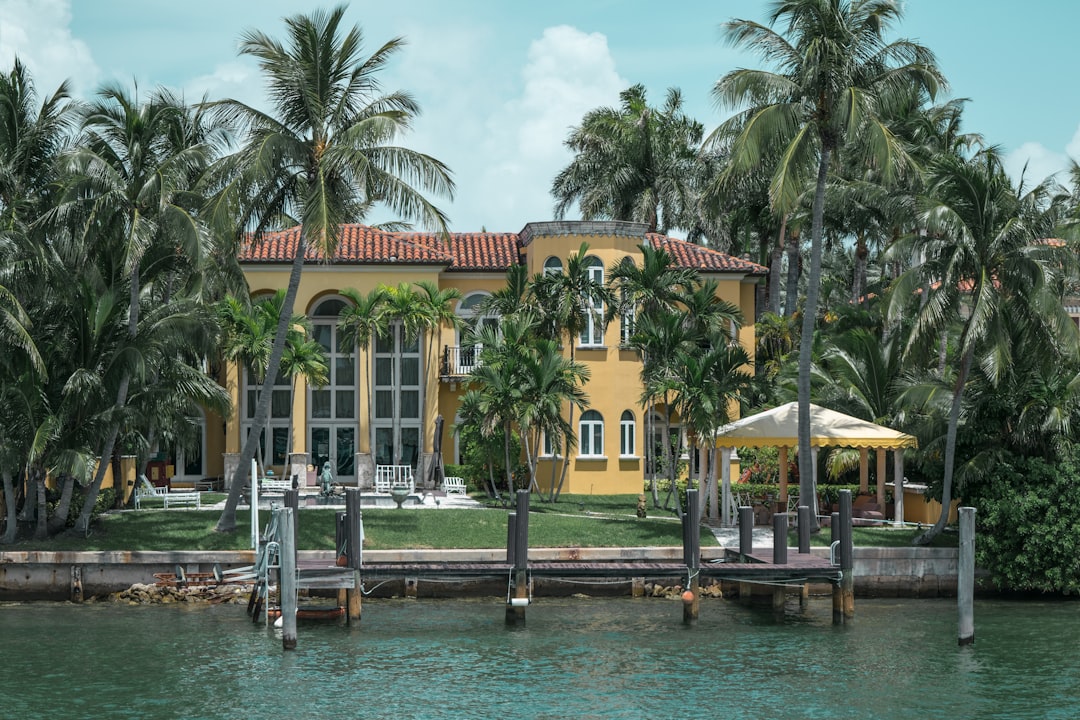
South Florida’s luxury residential market includes a significant population of seasonal owners, primarily buyers from the Northeast, Midwest, Canada, and Europe who own primary-quality estates but spend much or all of the summer months elsewhere. The timing creates a specific exposure: hurricane season runs June through November, which is precisely when these properties sit unoccupied.
Florida insurers have tightened vacancy language in recent policy cycles. Many carriers define a vacancy threshold at 30 to 60 consecutive days of unoccupancy, after which claims for certain perils can be denied or reduced. Some policies require that a caretaker physically inspect the property on a weekly basis during extended absence. If your insurer has that requirement and you’re not meeting it, a storm claim could be disputed. Read your policy’s vacancy clause before you leave for the summer, not after.
The standard approach for high-end seasonal properties is a professional home watch service. These services conduct documented inspections on a regular schedule, photograph the home’s condition with dated records, check for moisture or water intrusion, verify that mechanical systems are functioning, and confirm that storm protection is properly deployed when a storm threatens. The monthly cost is a small fraction of the exposure on a multimillion-dollar property.
Before you leave, work through this sequence:
- Shut off the main water supply valve or install an automatic water shutoff, since water intrusion from a failed supply line is among the most common and most preventable claims on vacant properties.
- Close and secure all impact windows and doors; deploy shutters fully if that’s your protection system.
- Set the thermostat to 78 to 80 degrees, enough to control humidity and prevent mold without running air conditioning at full cooling capacity.
- Unplug electronics and small appliances not connected to a whole-home surge suppressor.
- Leave a written maintenance schedule and emergency contact list for your home watch service and any contractors familiar with the property.
- Confirm that the standby generator has been recently serviced and has adequate fuel for automatic operation.
Put your departure and return dates in writing to your insurance carrier. That one step documents that you followed proper procedures and protects you if a claim is later challenged on vacancy grounds.
Evacuation Planning for Large Properties
Mandatory evacuation orders carry legal weight in Florida. For luxury homeowners with large estates in Zones A and B, the highest-risk coastal and low-lying evacuation zones, the planning calculus involves logistics that go well beyond packing a bag. The goal is a pre-planned sequence you can execute in a few hours, not a series of decisions you’re making under pressure the night before a storm arrives.
Know your evacuation zone before a storm enters the forecast. Miami-Dade, Broward, and Palm Beach counties each publish interactive zone maps, and your zone determines when evacuation orders apply to your address. Zone A typically evacuates first, often 48 to 60 hours before projected landfall. Waiting until a warning is issued means leaving in deteriorating conditions alongside everyone else, and fuel, hotel rooms, and storm supplies are already gone by then.
For properties with multiple vehicles, identify covered parking in advance. Multi-story inland parking garages offer significantly better protection than surface lots during high-wind and flooding events. Some luxury vehicle storage facilities also offer enclosed hurricane storage for high-end or collector automobiles. Reserve your spots before the season, not when a storm name is already in the headlines.
If your property includes a dock or boat lift, vessel removal is a separate, time-sensitive task. A 40-foot boat left on a lift during a major hurricane creates serious risk for the vessel, the lift, and the dock structure. Know your marina’s haul-out lead times; these fill weeks in advance when a storm is tracking toward the Gulf or Atlantic Coast.
Pets, medications, important documents, and portable valuables should be organized into an evacuation kit requiring 30 minutes or less to load and leave. Test the drill once before June 1. Actual evacuations rarely unfold under calm conditions.
FEMA’s Ready.gov hurricane preparedness resources include a structured planning framework that translates well to high-value residential properties, covering everything from supply kits to communication plans for households managing properties in multiple locations.
Buying or Selling This Summer: What Changes During Hurricane Season
The South Florida luxury market moves year-round. Hurricane season does not suspend transactions. But buyers and sellers active during the June-to-November window should account for a few practical factors that don’t apply in winter.
Buyers under contract or closing during the summer should confirm that homeowners’ insurance is fully bound before the closing date, not submitted and pending. Most lenders require proof of coverage at funding, and carriers occasionally delay binding new policies on properties in the path of an approaching storm. Getting your policy placed in May eliminates that complication. Confirm the policy includes hurricane and windstorm protection, not only standard fire and liability coverage.
As part of evaluating a property during the summer market, savvy buyers routinely review hurricane-relevant specifications: window and door protection type and rating, roof age and material, generator presence and capacity, flood zone designation, and flood insurance history. These factors affect both near-term risk and long-term carrying costs. A luxury home with 20-year-old single-pane windows and an unrated garage door in a Zone A location carries a different cost profile than a hardened home in a Zone D location, and the comparison should reflect that.
Sellers benefit from presenting the property’s storm readiness clearly. Impact windows, a recently inspected roof, a whole-home generator, and a current wind mitigation report are all tangible value items for an informed buyer. They don’t just reduce risk; they reduce the buyer’s annual insurance cost, which matters when luxury property premiums can run five figures annually.
At MJI Realty Group, we work with buyers and sellers throughout hurricane season without interruption. We know the South Florida market well, and part of that knowledge is understanding how a property’s resilience profile affects its real value. If you’re considering a luxury transaction this summer, we can walk through what matters and what doesn’t. Real estate decisions depend on individual circumstances; this is general information, not legal, tax, or investment advice for your specific situation.