South Florida’s Edge as a Global Logistics Hub
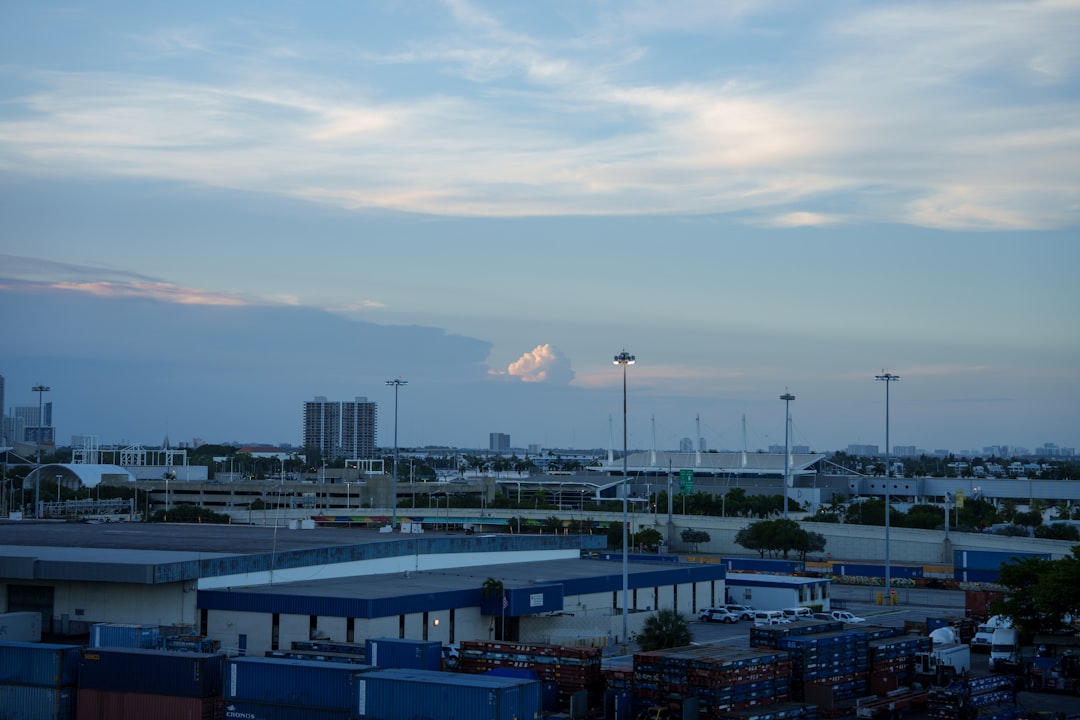
South Florida occupies a position in global commerce that no other U.S. industrial market can replicate. The region sits at the crossroads of North America, Latin America, and the Caribbean, making it the primary overland gateway for goods flowing in both directions. That structural advantage is not theoretical: it shows up in cargo volumes, leasing activity, and acquisition prices that continue to command a premium over comparable markets in the Southeast.
PortMiami processed 1,115,058 TEUs (twenty-foot equivalent units) during fiscal year 2025, marking the 11th consecutive year the port exceeded one million TEUs and a 2.35% gain over the prior year. Miami International Airport adds another dimension: MIA ranks as the top U.S. airport for international freight, handling billions in cargo annually with direct connections to Latin American cities that no other airport network matches. According to PortMiami’s official statistics, the port is actively expanding yard capacity through electric rubber-tired gantry crane projects projected to deliver a 40% increase in TEU throughput as infrastructure improvements come online.
The result is consistent, structural demand from logistics operators, freight forwarders, third-party logistics providers, and manufacturers that need distribution space within a truck run of the port and airport. That demand base does not evaporate with an economic cycle the way office or retail tenants do. It scales with trade volume, e-commerce growth, and Florida’s relentless population expansion, all of which have sustained their upward trend through 2025 and into 2026.
Where the South Florida Industrial Market Stands in Q1 2026
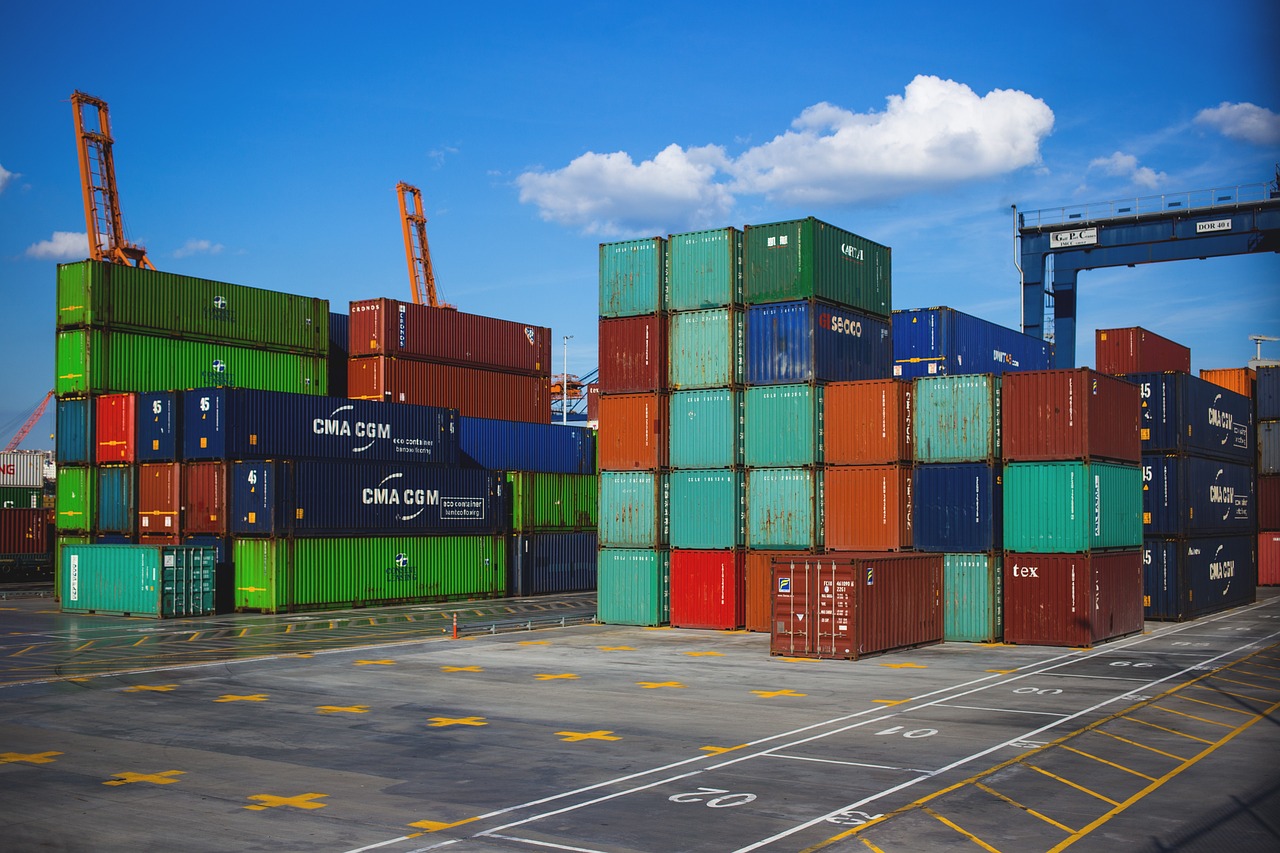
The South Florida industrial market spent 2024 and early 2025 absorbing one of the largest construction pipelines the region has ever produced. That delivery wave brought vacancy from historic lows near 2.5% to roughly 7.2% overall as of Q1 2026, with Miami-Dade reaching 8.0%, the highest vacancy reading in five years. The headline number sounds like a warning. Context matters.
Absorption is occurring. Miami-Dade posted positive year-to-date net absorption of approximately 751,000 square feet through Q1 2026, reflecting steady demand even as new supply competed for tenants. Asking rents averaged $17.26 per square foot NNN in Miami-Dade and $16.42 per square foot NNN across the broader South Florida region for the same period, both near or at five-year highs despite the softening in occupancy. The market is not collapsing; it is digesting.
The National Association of REALTORS commercial research consistently shows South Florida outperforming the Sun Belt average on rent retention even during supply cycles, a function of the market’s structural demand floor and limited available land for new development.
On the investment side, approximately $345 million in industrial sales closed in the South Florida market during Q1 2026 alone, at an average of $279 per square foot and a market cap rate of 5.4%. Those are premium numbers. Comparable assets in Tampa traded at 7.6% cap rates over the same period, and Jacksonville’s vacancy ranged between 9% and 11%. South Florida investors are paying for location, and the income history supports that price.
Big-Box vs. Small-Bay: Two Markets Running in Opposite Directions
One of the most important distinctions in South Florida’s industrial market right now is the split between large-format distribution facilities and small-bay flex warehouses. They are not performing the same, and investors who treat them as interchangeable will underwrite the wrong deal.
Large-format logistics facilities, typically 100,000 square feet and above, accumulated the most vacancy during the construction wave. National and regional distributors signed pre-leases during 2022 and 2023 when e-commerce growth projections were aggressive; some later pulled back on space requirements as inventory correction cycles worked through retail supply chains. Big-box absorption has been slow as a result, and landlords of large-format product are offering more aggressive concessions to attract and retain tenants. Underwriting a new big-box acquisition today requires honest assumptions about lease-up timing and concession packages.
Small-bay and flex industrial (units in the 2,000 to 30,000 square foot range) tell a different story. Local service businesses, contractors, last-mile delivery operators, cold chain operators, and specialty distributors compete hard for this product, and supply has not kept pace. Vacancy in this segment runs well below the overall market average, and rents have remained firm. For investors, small-bay product in strong South Florida locations has shown more durable income than its big-box counterpart through this cycle. That is a factor worth weighing carefully when comparing acquisition opportunities across building types.
Miami-Dade Submarkets: Airport Corridor, Doral, and Beyond
Miami-Dade is not one market. It is a collection of distinct industrial submarkets, each with its own rent band, tenant profile, and investor appetite. Understanding the differences shapes both acquisition strategy and leasing projections.
Doral and the Airport Corridor is the county’s premier industrial address. Proximity to Miami International Airport and the expressway network connecting to PortMiami makes this the top location for logistics and freight operators. Class A distribution space in Doral commands rents regularly exceeding $18 to $20 per square foot NNN, and vacancy for quality product runs below the county average. Institutional investors dominate acquisitions in this submarket, and pricing reflects it.
Medley offers solid access to the airport and intermodal infrastructure at a more moderate price point, with asking rents generally between $13 and $17 per square foot NNN. Mid-market distributors and manufacturing tenants are the primary demand source, and the submarket provides a reasonable entry point for private investors who cannot compete at Doral pricing.
Hialeah and Miami Gardens provide competitive pricing, typically $11 to $14.50 per square foot NNN, with proximity to Miami-Dade’s residential population base. Last-mile operators serving dense urban neighborhoods actively target these corridors, and the tenant pool is broad.
Homestead and South Dade offer the county’s lowest rents and the most available land for new development. Agricultural, cold storage, and south-port-related logistics tenants anchor this submarket. Port expansion investments may pull additional distribution demand southward over time.
Broward County and Palm Beach: Value and Scale Beyond Miami-Dade
Investors who cannot justify Miami-Dade’s premium cap rates find compelling alternatives in Broward County and Palm Beach County, each offering a distinct combination of price point, tenant demand, and development pipeline.
Broward County sits between Miami-Dade’s premium pricing and markets further north, with asking rents in the $13 to $16 per square foot NNN range and vacancy generally between 5% and 7% in Q1 2026. The market attracts mid-size distributors, contractors, and regional logistics operators that need South Florida access without the full cost of a Doral or airport-area address. Fort Lauderdale’s highway network and Fort Lauderdale-Hollywood International Airport add independent infrastructure value that supports a broad tenant base.
Palm Beach County rounds out the South Florida industrial market with the region’s greatest availability of large-block space and the lowest average rents: $10 to $13 per square foot NNN. Lower land costs support new development, the county’s workforce base continues to expand with residential growth, and some large distribution users are evaluating Palm Beach as a cost-effective southern terminus for their Southeast distribution networks. For investors with a development angle or a longer hold horizon, Palm Beach offers upside potential that is largely absent from infill Miami-Dade product.
The Structural Demand Drivers That Outlast Any Supply Cycle
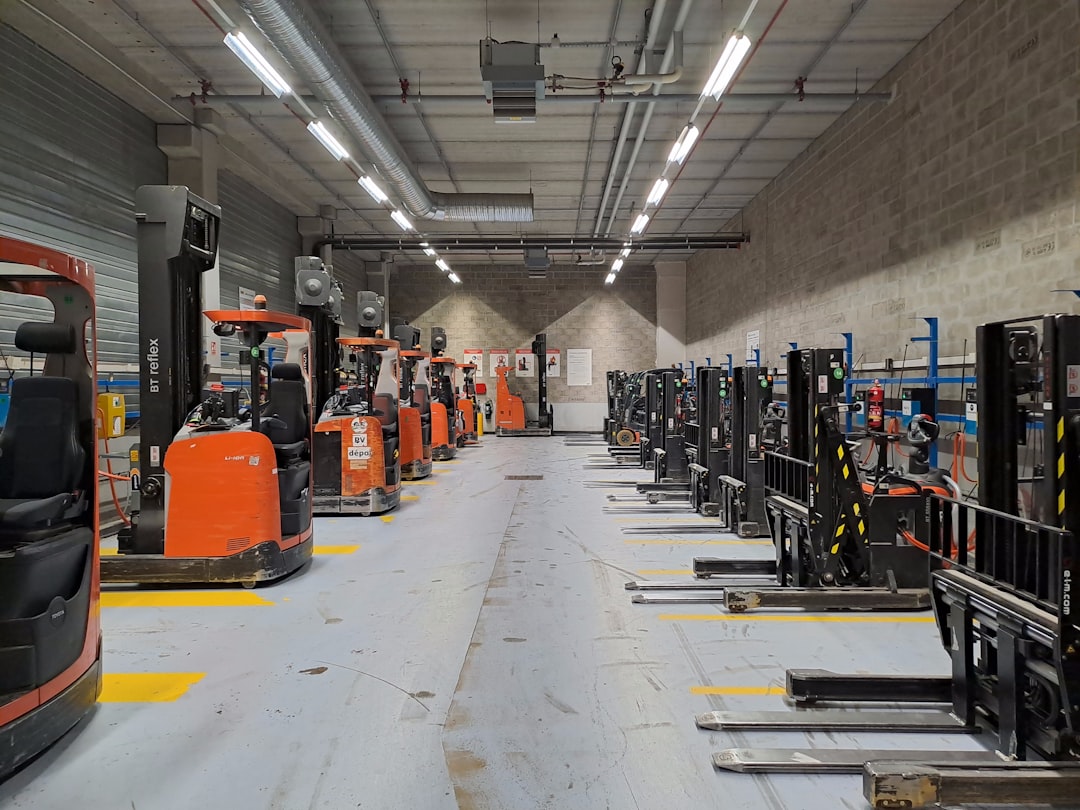
Cyclical supply and demand swings are real in industrial real estate. What separates South Florida from most U.S. markets is the depth of structural demand that forms the floor when construction cycles temporarily inflate vacancy.
Florida’s population growth is one of those foundations. The U.S. Census Bureau reported Florida as the fastest-growing state by numeric gain in recent years, adding hundreds of thousands of new residents annually and creating consistent demand for distribution and service operations close to the growing consumer base. More residents means more packages delivered, more food distribution required, more medical supply logistics, and more building materials consumed. That population base is not leaving.
E-commerce is the second structural force. Retailers and third-party logistics providers are under continuous competitive pressure to reduce delivery windows. Every percentage point of market share that shifts from in-store to online purchase drives incremental demand for regional fulfillment capacity within a short drive of the end customer. South Florida’s dense coastal population corridor, running from Miami through Boca Raton to Palm Beach, is one of the most valuable last-mile delivery zones in the country.
The Latin America trade relationship is the third leg. As U.S. and Latin American bilateral trade volumes grow (a long-term trend supported by demographic and economic expansion across the region), Miami’s role as the primary freight hub for that corridor expands with it. Port expansion investments by Miami-Dade County reinforce that position for the decade ahead. Investors acquiring well-located South Florida industrial today are positioned in front of that trade growth, not behind it.
Cap Rates, Pricing, and How to Underwrite an Industrial Acquisition
At 5.4% cap rates, South Florida industrial properties are priced for permanence, not for opportunistic discounts. Buyers paying $279 per square foot for stabilized product are making a long-term statement about the market’s income durability and appreciation potential. That math works when the building is well-located, the tenant credit is sound, and the lease term provides stability through the financing period.
Underwriting a South Florida industrial acquisition in 2026 means accounting for several variables. The income side is relatively straightforward: NNN leases place operating expenses on the tenant, so the landlord’s primary exposure is vacancy risk and the re-leasing spread when a lease expires. Given current vacancy trends, conservative underwriting should budget a stabilization period for any vacant big-box product, while assuming tighter turns for small-bay assets where tenant demand remains strong.
On the tax side, industrial buildings offer investors meaningful advantages through cost segregation studies, which accelerate depreciation on components with shorter useful lives, including personal property, land improvements, and qualified improvement property. The IRS depreciation guidelines allow investors to front-load deductions that improve after-tax cash flow substantially in the early years of ownership. Combined with a 1031 exchange exit strategy, South Florida industrial can function as a highly tax-efficient long-term hold.
Debt service coverage remains the practical constraint in the current rate environment. Buyers using leverage need strong in-place net operating income or credible rent growth at renewal to hit lender DSCR thresholds. Free-and-clear buyers and low-leverage acquisitions have more flexibility to acquire at current cap rates and wait for the rate cycle to create refinancing upside.
What to Look For in an Industrial Building
Building specifications determine which tenants qualify and at what rent. Before placing an offer on a South Florida industrial property, review these factors carefully.
- Clear height: Modern logistics tenants want 32 to 36 feet of clear height for high-rack storage systems. Class B buildings typically offer 24 to 28 feet. The spread in market rent between a 28-foot clear and a 36-foot clear facility can exceed $3 to $5 per square foot NNN annually, which compounds significantly over the hold period.
- Dock doors and grade-level access: Distribution users need dock-high doors (typically 8 by 10 feet) in adequate quantity relative to building footprint. Grade-level drive-in doors serve contractors and smaller users who cannot back a trailer to a dock. A building with only one dock door and no drive-in access limits your tenant pool.
- Truck court depth: 130 to 185 feet of truck court allows a full 53-foot trailer to stage without blocking circulation. Shallow courts restrict the type and size of operators who can use the space efficiently.
- Power: Three-phase electrical service is the baseline requirement for most industrial users. Cold storage operations, manufacturing tenants, and EV fleet charging users need substantially more amperage. Verify the service capacity before assuming a tenant type is feasible.
- Zoning: Miami-Dade designations M-1 (light industrial) and M-2 (heavy industrial) determine permitted uses. Confirm zoning compatibility with your intended tenant profile before negotiating price, not after completing due diligence.
- Environmental history: Industrial sites carry environmental risk that residential properties do not. Phase I and Phase II environmental assessments are standard for any commercial acquisition; budget for them and review them with counsel.
These specifications directly affect your net operating income by determining the quality and depth of the tenant pool available when space turns over. A building that cannot serve modern distribution users will re-lease more slowly and at a lower rate than one that can.
Working With a Commercial Broker on South Florida Industrial
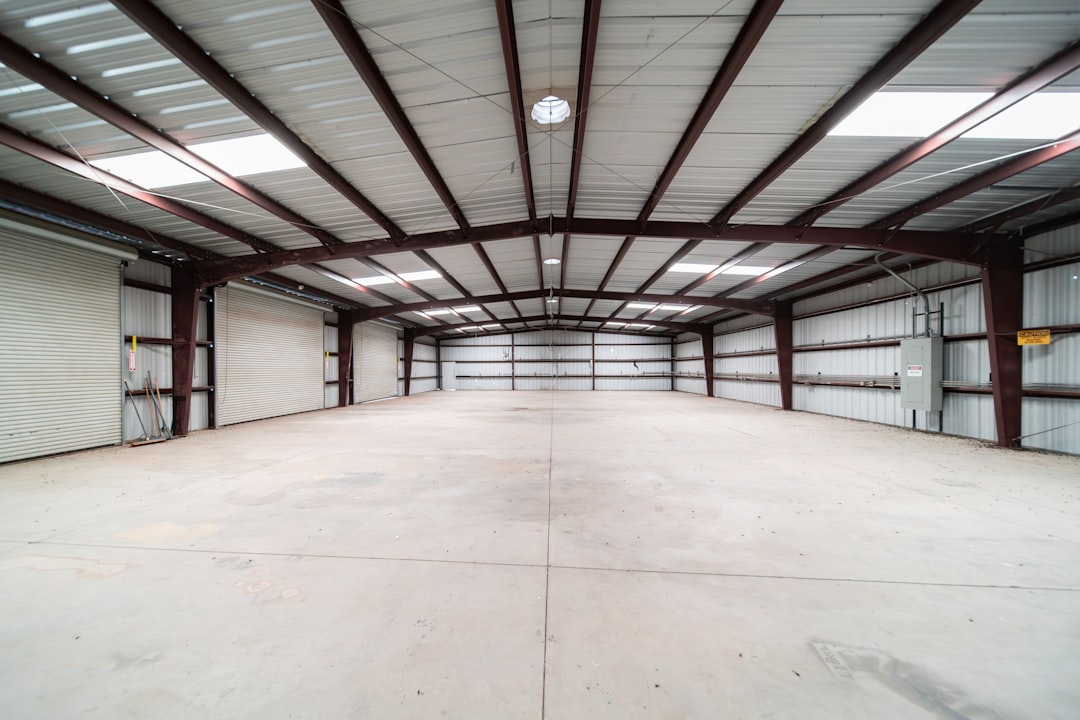
South Florida industrial real estate is not a market for casual participation. The bid-ask spread on well-located product is tight, buyer competition for quality assets is real, and the due diligence requirements for commercial property (environmental reports, zoning confirmations, lease abstracts, building inspections, title review) are more involved than a residential closing by a significant margin.
MJI Realty Group works with commercial investors seeking industrial, flex, and distribution assets across Miami-Dade, Broward, and Palm Beach counties. Our access to off-market opportunities and active owner relationships means clients see product before it reaches broad marketing. When you’re sizing up a South Florida industrial acquisition, the right introduction at the right time often determines whether you close the deal or watch someone else close it.
Whether you’re building an industrial portfolio, seeking a single-asset 1031 replacement property, evaluating an owner-user purchase, or entering South Florida commercial real estate for the first time, we can help identify, underwrite, and close the right opportunity efficiently.
Real estate decisions depend on individual circumstances; this is general information, not legal, tax, or investment advice for your specific situation. Consult qualified legal, tax, and financial professionals before acting on any commercial real estate decision.