Why Florida Owners Sell the Building and Stay
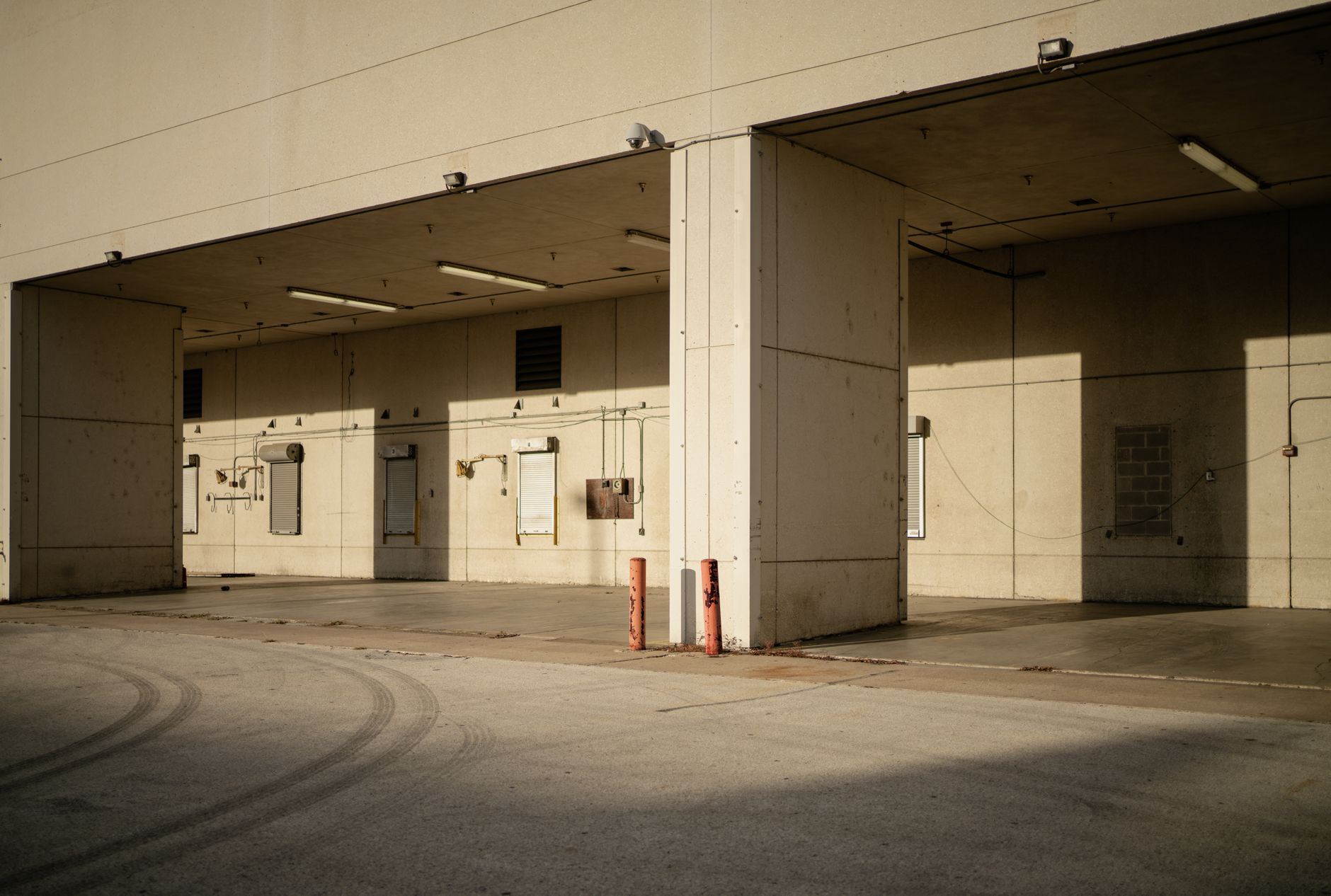
A Miami-Dade distributor has run its business out of the same 60,000 square foot warehouse for twenty years. The building is paid down, the business is growing, and the owner needs capital for inventory, equipment, or a second location. A traditional bank loan would add debt against the operating company. A sale-leaseback offers another route: sell the building to an investor, sign a long lease in the same transaction, and keep operating without moving a single pallet.
That structure converts real estate equity into cash while the business keeps its location, its customers, and its staff. It is common among South Florida industrial, retail, medical, and office owner-occupants, and it appeals to investors who want a creditworthy tenant already in place on day one.
The structure is easy to describe and easy to get wrong. The sale price, the rent, the lease term, the tax result, the accounting treatment, and the Florida transfer costs all depend on each other. Changing the rent by a few cents per square foot shifts the price an investor will pay by hundreds of thousands of dollars. This guide walks through how the pieces connect so an owner can judge whether the idea deserves a serious look.
How a Florida Sale-Leaseback Works
Two documents close on the same day. The first is a purchase and sale agreement, ending in a deed that moves title from the owner to the investor. The second is a lease that puts the former owner back into the building as a tenant. Neither document means much without the other, so the buyer prices them together.
Most Florida sale-leasebacks use an absolute or modified triple net lease. The tenant keeps paying property taxes, insurance, and maintenance, just as it did as the owner. The investor collects a check and carries little operating responsibility. That low-maintenance income stream is why institutional and private investors will pay a premium for these deals.
Typical terms include:
- Lease term: 10 to 20 years for industrial and retail, often with two or three renewal options of five years each.
- Rent escalations: fixed annual increases of 2 to 3 percent, or periodic increases tied to an index.
- Security: a deposit, a letter of credit, or a personal or corporate guaranty from the operating company.
- Repurchase rights: sometimes requested by sellers, though they carry accounting consequences covered below.
The seller should negotiate the lease with the same intensity as the price, because the lease becomes the cost of occupying the building for the next decade or two.
Pricing: The Cap Rate and the Rent Move Together

Investors price a leased building off its net operating income and a capitalization rate. When the tenant pays all operating costs, net operating income is close to the base rent. Divide the rent by the cap rate and you have the price.
Here is an illustration with round numbers. Suppose an investor will accept a 6.5 percent cap rate for a well-located South Florida warehouse backed by a strong operating tenant. If the lease starts at $520,000 a year, the price works out to $8.0 million. If the owner negotiates the starting rent down to $480,000, the same investor pays about $7.38 million. The owner chose a lower occupancy cost and gave up roughly $620,000 of sale proceeds to get it. Neither number is wrong. They are two sides of the same trade, and the owner has to decide which side matters more.
Rent that sits above market inflates the sale price on paper but sets up a problem later. An appraiser or lender will notice the gap, the tenant carries a heavier burden, and a renewal negotiation at the end of the term can turn difficult. Rent set at or near market is easier to defend, finance, and resell.
Cap rates for South Florida industrial and neighborhood retail property have shifted meaningfully with interest rates over the last several years, so any figure here is a placeholder. A current appraisal and a broker opinion of value should drive a real transaction.
Federal Tax Treatment: Gain, Recapture, and Rent
The tax result is often the deciding factor. The sale is generally a taxable disposition of real property, and the seller reports the difference between the sale price and the adjusted basis. Because most owners have depreciated the building over many years, the adjusted basis may sit far below what they paid, and the gain can be large. The IRS explains how these sales are reported in Publication 544, Sales and Other Dispositions of Assets.
Three federal points deserve attention before an owner signs anything:
- Depreciation recapture: For an individual or pass-through owner, gain attributable to prior depreciation on real property is generally taxed at a maximum 25 percent rate as unrecaptured section 1250 gain. The statute is posted at Cornell Law School’s Legal Information Institute.
- Capital gain on the rest: Gain above the recaptured amount on property held longer than a year is usually treated under section 1231 and may qualify for long-term capital gain rates.
- Rent deductions: After the sale, the rent the company pays is generally deductible as a business expense under section 162(a)(3), a rule that covers rentals required as a condition of using property in which the taxpayer has no equity.
The rent deduction partly replaces the depreciation and interest deductions that came with ownership. Whether the swap helps or hurts depends on the owner’s tax bracket, the building’s remaining basis, and the way the business is organized. IRS Publication 535, Business Expenses lists what qualifies.
The IRS looks at substance over labels. A transaction in which the seller keeps the economic risks of ownership, such as a below-market repurchase option or a rent that exceeds a fair return on the price, can be recharacterized as a financing rather than a sale. That changes everything: no gain is reported, no sale occurs for tax purposes, and the rent is treated as loan payments.
Florida Costs: Documentary Stamp Tax and Property Taxes
Florida has no personal income tax, but real estate transfers still carry state costs. The deed in a sale-leaseback is subject to documentary stamp tax under section 201.02 of the Florida Statutes, which sets the standard rate at $0.70 per $100 of consideration. The Florida Department of Revenue publishes current guidance, and the statute text is available from the Florida Senate website.
On an $8.0 million sale, the standard rate produces $56,000 in documentary stamp tax. Miami-Dade County follows a different schedule for most transfers other than single-family homes: $0.60 per $100 plus a $0.45 per $100 surtax, which totals $1.05 per $100 and would put the same sale at $84,000. Custom in most Florida counties places this cost on the seller, though the contract can say otherwise, so a seller should model it before agreeing to a price.
Property taxes deserve a separate look. Non-homestead property in Florida carries an assessment cap that limits annual increases, but a change of ownership generally resets the assessed value to just value. When the investor buys the building, the property appraiser may reassess it to something close to the sale price. In a net lease, the tenant pays that tax. A sale-leaseback can therefore raise the tenant’s cost of occupancy even when the base rent looks reasonable, so the full cost of the lease should be modeled with the reassessed tax bill, not the old one.
One recent Florida change helps tenants. Sales tax on commercial rent was repealed for periods beginning October 1, 2025, so the rent in a new leaseback does not carry the state and county charges that applied for decades. Company owners who also operate as corporations should confirm with a CPA whether Florida’s corporate income tax applies to the gain, since the state taxes C corporation income even though it has no personal income tax.
Accounting: When the Sale Counts as a Sale
For companies that issue financial statements to lenders or investors, a second test runs alongside the tax analysis. Under US GAAP lease accounting (ASC 842), the seller first has to decide whether the transfer qualifies as a sale at all. If it does, the building leaves the balance sheet, the gain is recognized, and a right-of-use asset and a lease liability appear for the leaseback. If it does not, the building stays on the books and the cash received is recorded as a financial liability.
Two features commonly prevent sale treatment. A repurchase option on real estate generally defeats it, because real estate is unique and the option keeps control with the seller. A leaseback that is classified as a finance lease does the same. Owners who want a clean sale for their financial statements often agree to leave out the option and to keep the lease term and renewals in a range that supports operating lease treatment.
Book and tax answers can differ. A deal might qualify as a sale for tax and fail as one for accounting, or the reverse. The company’s CPA should review both conclusions before the letter of intent is signed, since changing either one after the fact usually means reopening price and rent.
Who Buys and What They Underwrite
Buyers of leased commercial property in Florida include private investors, family offices, 1031 exchange buyers, and institutional net lease funds. Each reads the same deal differently, and an owner who understands the audience can shape the offering to attract the right one.
The buyer will underwrite the tenant before anything else, because the tenant is the credit. That means three years of financial statements, tax returns, a review of debt covenants, and an honest conversation about the company’s outlook. A buyer will also study the property: age of the roof and air conditioning systems, environmental history, flood zone and elevation, and the cost of deferred maintenance that the tenant will now be responsible for under the lease. Florida properties near the coast also draw attention to windstorm coverage and flood insurance pricing, which affect the net lease economics directly. FEMA’s flood map resources are a standard starting point for that review.
1031 buyers are a large share of this market. They work against a deadline, and a stabilized building with a long lease is exactly what they look for. The rules for those exchanges appear in section 1031 of the Internal Revenue Code. An owner working with a broker who knows these buyers can often run a short, competitive process rather than negotiating with a single bidder.
Risks and Alternatives to Weigh First
The advantages are real: cash without new debt, a retained location, and a lease that can be structured around the owner’s growth plans. The risks are just as real, and they usually appear years after closing.
- Loss of appreciation: South Florida property values have risen sharply in many submarkets. A seller gives up that upside, and the lease may escalate while the value does too.
- Lease renewal risk: At the end of the term, the former owner negotiates with a landlord who knows the business cannot easily move.
- Tax cost today: A low-basis building can produce a large tax bill at closing. Without a plan to defer or offset it, the net proceeds may be smaller than expected.
- Control: The landlord decides on sale, financing, and redevelopment. A new owner could be a stranger with different priorities.
Alternatives include a cash-out refinance, a commercial mortgage with a different amortization schedule, selling part of the property, bringing in a joint venture partner, or selling the real estate to a related entity the owner controls. Each solves a different problem and carries different costs. A conversation with a CPA, a real estate attorney, and a commercial broker at the same table usually shows which one fits.
Working With a Boutique Brokerage on a Sale-Leaseback
A sale-leaseback is a real estate transaction and a corporate finance decision at the same time, which is why the process works best when the broker, attorney, and CPA coordinate from the first meeting. The steps are usually the same: a broker opinion of value and cap rate range, a draft lease with the rent and term the company can live with, a confidential marketing process to qualified buyers, and a closing that delivers the deed and the lease simultaneously.
Confidentiality matters here. An owner who tells vendors, employees, or lenders that the building is for sale before a deal is signed can create problems that have nothing to do with real estate. MJI Realty Group is a boutique brokerage that handles both residential and commercial transactions and offers confidential marketing to Florida owners who value discretion and speed. If you own a South Florida commercial property and want to understand what a sale-leaseback could look like for your business, call or text (561) 859-5631.
Real estate decisions depend on individual circumstances; this is general information, not legal, tax, or investment advice for your specific situation. Tax rules and Florida transfer costs change, so confirm current requirements with a Florida real estate attorney or CPA before you rely on them.