What a Pre-Listing Inspection Is and Why Luxury Sellers Order One

A pre-listing inspection is a full property inspection that the seller commissions before the home goes on the market. The seller, not the buyer, picks the inspector, receives the report first, and decides what to do with it. For a $6 million estate in Coral Gables or a waterfront residence on the Intracoastal in Fort Lauderdale, that sequence changes the negotiation. Instead of learning about a failing roof drain or an aging electrical panel during a buyer’s inspection period, with a ticking contract clock and a nervous buyer, you learn about it in week one of your own timeline.
Luxury properties carry more systems and more things to go wrong: multiple air handlers, generators, pool and spa equipment, seawalls and docks, elevators, smart-home wiring, irrigation zones, and sometimes a guest house with its own set of utilities. Every one of those is a line item a buyer’s inspector will test, photograph, and list. A report written for a buyer reads as a list of problems. A report you ordered yourself becomes a planning document.
This guide covers how pre-listing inspections work in Florida, how they interact with the seller’s disclosure duty, which findings are worth fixing before listing, and how to use the report in pricing and marketing. MJI Realty Group works with luxury sellers who want fewer surprises between contract and closing, and the inspection is one of the earliest steps in that plan.
Your Disclosure Duty Does Not Change, but Your Knowledge Does
Florida sellers operate under a duty created by the Florida Supreme Court in Johnson v. Davis. A seller who knows of facts that materially affect the value of the property, and who knows those facts are not readily observable and not known to the buyer, must disclose them. The Florida Realtors disclosure law library summarizes the rule, notes that written disclosure is recommended, and confirms that sellers must still disclose known latent defects in an “as is” sale.
This is the point many sellers miss. Once your inspector hands you a report, you know what is in it. A defect that you might honestly never have noticed becomes a fact within your knowledge. If it is material and not visible to a buyer, the disclosure duty applies to it. A pre-listing inspection does not create new legal obligations in the abstract, but it removes the argument that you did not know.
That is a feature, not a flaw, if you plan for it. Sellers who disclose a documented finding along with a repair invoice or a licensed contractor’s estimate are in a far stronger position than sellers who are accused of concealing a problem after closing. Ask your real estate attorney how your specific findings should be disclosed, and do it in writing.
Florida also requires other disclosures at or before contract. According to Florida Realtors, the seller must provide the flood disclosure form (FD-1) at or before the time the sales contract is signed, a radon disclosure appears in the standard contract language under Section 404.056(5), and a pending code enforcement action must be disclosed in writing. An inspection report often surfaces items that touch all three, particularly flood exposure and unpermitted work.
What a Thorough Luxury Inspection Should Cover
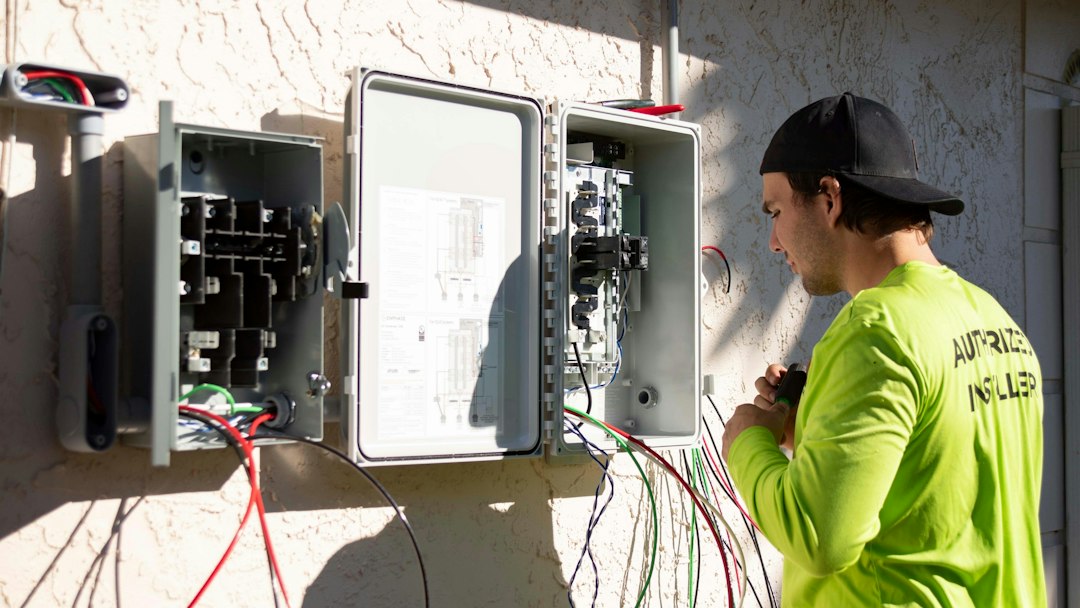
A general home inspection is the starting point, but a luxury property usually needs more than one set of eyes. Plan on a scope that matches the home.
- Structure and roof: foundation, framing, roof covering, flashing, drainage, and the remaining service life of the roof.
- Mechanical systems: every air conditioning unit, air handler, condensate line, water heater, whole-home generator, and electrical panel.
- Plumbing and electrical: supply lines, drains, fixtures, grounding, breakers, and any visible aging or unsafe wiring.
- Windows, doors, and openings: impact glass, hurricane shutters, seals, and signs of moisture intrusion.
- Pool, spa, and outdoor kitchen: pumps, heaters, automation, barriers, and gas lines.
- Waterfront elements: seawall, dock, davits, boat lift, and electrical service to the water.
- Specialty inspections: wood-destroying organisms, wind mitigation, four-point where insurers require it, septic where applicable, and a survey review.
Hire a licensed inspector. The Florida Department of Business and Professional Regulation licenses Florida home inspectors, requires an approved examination, and handles complaints and discipline. Ask for sample reports, confirm the license number, and check whether the inspector carries errors and omissions coverage. For specialty systems such as elevators, large generators, or complex pool automation, a separate licensed trade professional will often give you a more reliable read than a generalist.
The Benefits: Pricing, Speed, and Control
The financial case for a pre-listing inspection rests on three advantages.
First, pricing accuracy. Luxury homes often lack close comparable sales, so every dollar of condition-related uncertainty gets priced into buyer offers. If your report shows a roof in good order and updated electrical, you can price with confidence and defend the number. If it shows deferred maintenance, you can adjust your ask or fix the issue before buyers discount it for you.
Second, speed. Buyers who inspect and then renegotiate burn days of the contract period. A prior inspection shortens that cycle because the major findings are already documented, quoted, and either repaired or priced. Contracts that survive the inspection period tend to reach closing, and for a seller carrying a large mortgage, taxes, and insurance on a vacant estate, saved weeks have real value.
Third, control of the narrative. A buyer’s inspector writes in the language of risk. A seller’s report, paired with receipts and contractor warranties, tells the story of a maintained property. Discretion matters too. Many luxury sellers want a quiet, orderly process, and fewer renegotiation rounds mean fewer people reading and discussing your home’s flaws.
There is a trade-off. You pay for the inspection whether or not you list, and a report that finds serious problems forces decisions. But those problems exist either way. The only question is whether you hear about them from your inspector or from a buyer’s attorney.
Which Findings Are Worth Fixing Before You List

Not every item deserves a repair. Use a simple triage so you spend money where it protects price and keeps deals intact.
- Fix first: active leaks, roof defects, electrical hazards, failing air conditioning, termite activity, non-functioning safety devices, and anything that could cause an insurer to decline or surcharge coverage.
- Fix or credit: aging water heaters, worn pool equipment, deteriorating seals, and damaged seawall caps where a repair estimate is clear.
- Disclose and leave: cosmetic wear, older but functioning systems, and items a buyer will likely replace in a renovation anyway.
Insurance deserves its own mention. In Florida, roof age, wiring type, plumbing materials, and wind mitigation features drive both coverage availability and premium. A buyer’s insurance agent will review those items early, and an unfavorable answer can stall a contract. Fixing an insurability problem before listing is usually cheaper than negotiating around it later.
Flood exposure belongs in the same conversation. If the property sits in a mapped flood zone, review the zone through FEMA’s flood maps program and gather any existing elevation certificate. Buyers of waterfront homes will ask for it, and having it ready supports both your disclosure and your insurance discussion.
Permits, Unpermitted Work, and Code Enforcement
Inspection reports regularly reveal work that appears to have been done without a permit: an enclosed lanai, a converted garage, an added bathroom, a new dock, or a replaced air conditioning system. Luxury homes that have changed hands several times often carry a history of renovations whose paperwork was never closed.
This is a title and compliance issue as much as a physical one. Buyers’ lenders and insurers can ask for permit history, and a pending code enforcement action carries its own written disclosure duty. Before you list, ask your county or city building department for the permit record, compare it with what the inspector saw, and decide with your attorney how to resolve any gap. Options include pulling a retroactive permit, hiring a licensed contractor to bring the work to code, or disclosing the item and pricing the home accordingly.
Waterfront and coastal properties add another layer, because dock, seawall, and shoreline work often involves separate approvals beyond the building department. Ask your inspector to flag any such structures so you can track down their paperwork at the same time as the main house.
Start this early. Permit offices in Miami-Dade, Broward, and Palm Beach counties can take weeks to respond, and a listing that waits on paperwork loses momentum.
How to Use the Report in Marketing and Negotiation
A report that stays in a drawer does nothing. Decide how you will use it before listing day.
Many sellers make a summary available to qualified buyers after a signed confidentiality agreement and proof of funds, which fits the discretion most luxury owners want. Pair the summary with a repair log: what was found, what was fixed, who did the work, the date, and any warranty. Buyers read documentation as evidence of care.
Be accurate about what the report is. It reflects conditions on the inspection date, by one inspector, within a set scope. A buyer will still order an independent inspection, and that report may differ. Do not describe your report as a guarantee, and do not tell buyers they can skip their own. Your goal is to remove surprises, not to replace their diligence.
Plan for the follow-up questions, too. Serious buyers and their advisors will ask who performed each repair, whether permits were closed, and whether warranties transfer. Keep a single folder, digital and printed, with invoices, permit sign-offs, and contractor contact details, so your broker can answer within hours instead of days.
In negotiation, a documented finding with a quote or invoice gives you a fixed number to discuss. A vague buyer complaint about an old system can turn into a request for a large credit. A written estimate from a licensed contractor keeps the conversation anchored.
Common Mistakes Luxury Sellers Make
- Ordering the inspection and ignoring it. Once you have the report, you carry that knowledge into every disclosure.
- Hiring the cheapest inspector. A thin report on a complex estate is worse than none, because it creates false comfort.
- Doing repairs without permits or licensed trades. A rushed fix can create a new compliance problem.
- Skipping specialty inspections. Pools, seawalls, generators, and elevators need qualified specialists.
- Waiting until the week before listing. Repairs, permits, and re-inspections take time, and the best selling window can pass.
- Treating the report as marketing copy. It is a technical document; keep claims about it accurate.
For broader disclosure questions, the Florida Realtors legal resources are a good starting point, and your attorney should confirm what applies to your sale.
A Practical Pre-Listing Inspection Timeline
Work backward from your target listing date. A workable sequence for a luxury Florida property looks like this.
- Eight to ten weeks out: pull permit history, locate surveys, elevation certificates, warranties, and prior inspection reports.
- Six to eight weeks out: schedule the general inspection and the specialty inspections your property needs.
- Five to six weeks out: review the reports with your broker and attorney, then sort findings into fix, credit, and disclose.
- Three to five weeks out: hire licensed contractors, get written estimates, and complete priority repairs under permit.
- Two weeks out: re-inspect repaired items, assemble the repair log, and finalize the disclosure package.
- Listing day: price with the documented condition in mind and decide how the summary will be shared.
If you are preparing to sell a luxury home or commercial property in South Florida and want a boutique brokerage that treats discretion and speed as defaults, MJI Realty Group can help you plan the inspection, repairs, and pricing before the property goes public. Real estate decisions depend on individual circumstances; this is general information, not legal, tax, or investment advice for your specific situation, so speak with your attorney and a licensed inspector before you act.