What a Florida Elevation Certificate Actually Is
An elevation certificate is a standardized FEMA form completed by a Florida licensed surveyor, engineer, or architect. It records how high a building sits compared with the flood level the official maps predict for that location. For a buyer closing on a $5 million waterfront residence in Fort Lauderdale or Palm Beach, it is one of the few documents that turns a vague flood zone label into measured numbers.
The certificate lists the building’s flood zone, the base flood elevation (BFE), the elevation of the lowest floor, the elevation of the highest and lowest adjacent grade, and the height of mechanical equipment such as air handlers, water heaters, and electrical panels. It also includes photographs of the building and details about enclosures below the lowest floor, such as garages, storage rooms, and crawl spaces. Each of those entries affects either the cost of flood coverage or what a local building department will let an owner do.
The base flood elevation is the height that floodwater is expected to reach during a flood with a one percent chance of occurring in any given year. You can look up a property’s mapped zone through the FEMA Flood Map Service Center and read more about how flood maps are built through FEMA’s flood maps program. A map tells you the zone. An elevation certificate tells you where this specific building sits inside it.
At MJI Realty Group, we ask luxury buyers to request any existing certificate during the first week under contract, because a certificate that already exists costs nothing and a new one takes scheduling time.
Why Luxury Buyers Should Care Before Closing
Two buyers can purchase homes on the same street with the same list price and face very different annual flood premiums. The difference often comes down to a few inches or feet of elevation, or to whether the lowest enclosed space sits below the base flood elevation. That is a carrying cost that lasts as long as the buyer owns the property, and it shapes what the next buyer will pay.
The certificate also shapes what you can build. Many Florida cities and counties apply a substantial improvement rule: if the cost of an addition or remodel reaches half of the building’s market value, the whole structure may have to be brought up to current floodplain standards. For an older Miami Beach or Palm Beach Island residence sitting below the current BFE, that rule can change the economics of a planned renovation. A buyer who learns this after closing has already paid for the problem.
Lenders care as well. A mortgage on a property in a high-risk flood zone typically requires flood insurance, and a lender can require proof of coverage before closing. Cash buyers do not face that requirement, but they still carry the loss if water reaches an uninsured home.
- Annual flood premium, which depends on the property’s risk profile and elevation
- Cost to elevate or flood-proof equipment if it sits below the BFE
- Renovation limits under local substantial improvement rules
- Resale appeal, because the next buyer will ask the same questions
Treat the elevation figures as negotiation facts. A home whose lowest floor sits comfortably above the BFE earns a stronger price than a comparable home that sits below it, and the certificate is the evidence that backs up the difference.
How to Read the Key Numbers
The form looks technical, but a buyer only needs to understand a handful of entries. Ask your surveyor or agent to walk through them line by line, and compare each number against the base flood elevation printed on the same page.
Flood zone. Zones beginning with A or V are Special Flood Hazard Areas. Zone AE has a published BFE, and zone VE marks coastal areas with wave action. Zone X means moderate or minimal mapped risk, though water does not read the map, and many Florida claims come from outside the highest-risk zones.
Lowest floor elevation. This is the number that matters most. If it is above the BFE, the building has what floodplain managers call freeboard, which is extra height beyond the minimum. Many Florida communities require a foot or more of freeboard for new construction, so check the local rule where you are buying.
Lowest adjacent grade. This measures the ground next to the building. A large gap between grade and the lowest floor can signal a well-protected structure, or it can reveal fill that was added after construction.
Machinery and equipment. In a luxury home, the elevator pit, generator, pool equipment, and home automation hardware can represent hundreds of thousands of dollars. If this equipment sits below the BFE, a flood can damage it even when the living space stays dry.
Pay attention to the date and the form version. An older certificate may reference a previous flood map. If the maps changed since it was signed, the BFE on the form may no longer match the current one, and the numbers should be rechecked.
Elevation Certificates and Flood Insurance Pricing Today
The role of the certificate in pricing has changed. FEMA’s Risk Rating 2.0 methodology, which the National Flood Insurance Program describes on its Risk Rating page, prices policies using building-specific factors such as first floor height, distance to water, and rebuilding cost, instead of relying only on the flood zone. Under the earlier system, an elevation certificate was often needed to get a favorable rate. Today it is not required to purchase an NFIP policy in most cases, yet the details it records, especially the first floor height, still feed the rating.
That does not make the certificate obsolete. It remains the standard way to document elevation, and many local governments still require one for permits and floodplain compliance. A current certificate can also help an insurer verify the elevation instead of estimating it. Whether it lowers a given premium depends on the insurer and the property, so ask for a quote with and without it before spending money.
Luxury properties often exceed the NFIP coverage limits, which are $250,000 for the building and $100,000 for contents on a residential policy. Owners of higher-value homes commonly add private flood coverage or excess flood policies. Private carriers set their own underwriting rules and may ask for an elevation certificate regardless of what the NFIP requires. The Florida Office of Insurance Regulation is the state regulator for insurers, and it is a useful starting point for understanding the market your insurer operates in.
Ask your insurance agent three questions. Does the quoted premium assume a specific lowest floor height? Would a new certificate change the quote? Is the policy transferable to a buyer, and what does that cost? Answers should come in writing.
Ordering a New Certificate During Your Inspection Period
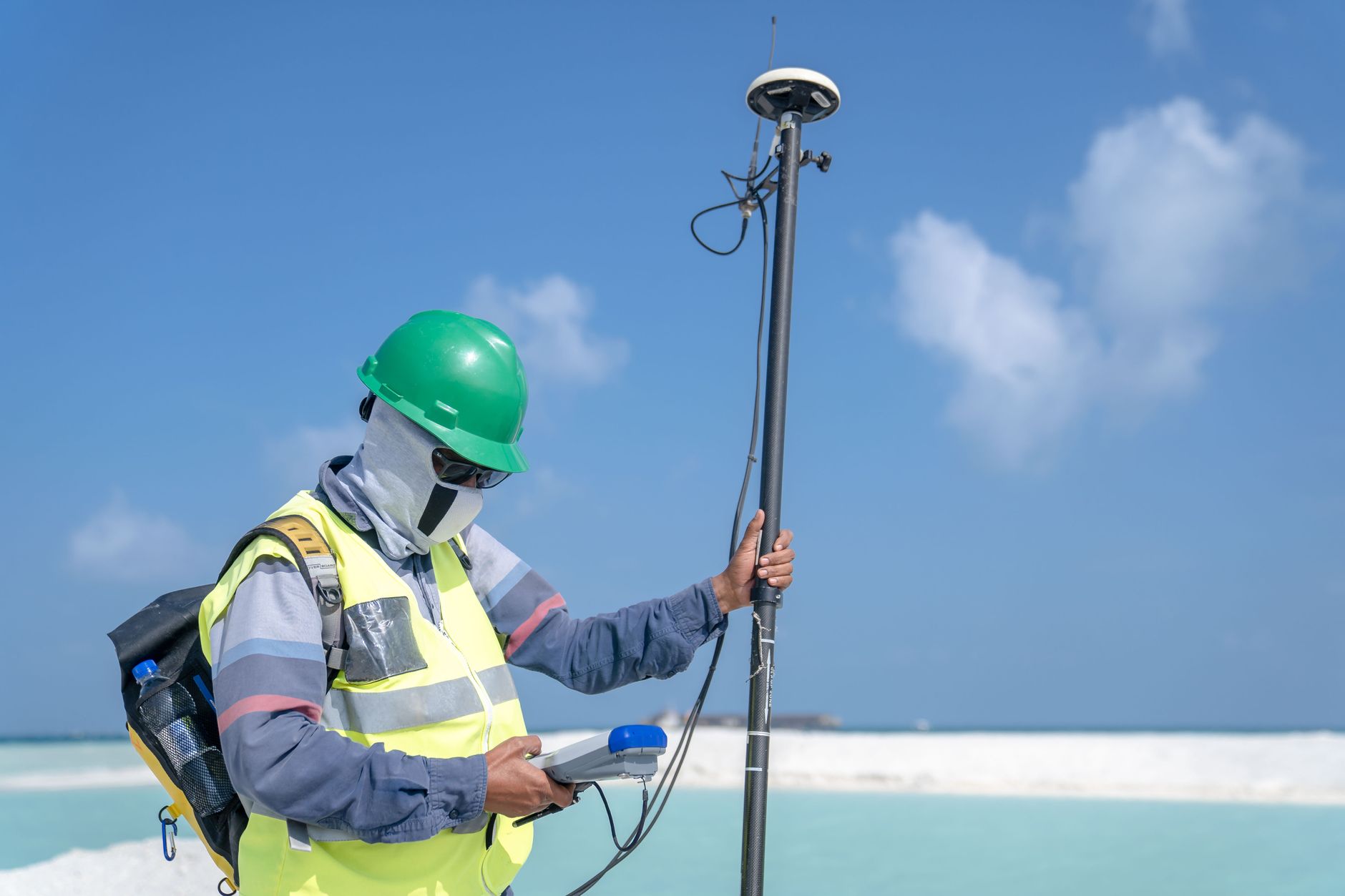
If the seller has no certificate, or the one on file is outdated, a buyer can order a new one. Only a licensed Florida professional can sign it, so start by calling a surveyor who works in that county and knows the local datum and floodplain rules. Many buyers use the same surveyor who is already preparing the boundary survey, which can save a site visit.
Cost varies with property size and access. Expect a fee that commonly runs from several hundred dollars to more than a thousand for a large waterfront estate, and ask for a written quote. Turnaround can take days to a couple of weeks, and the clock on your inspection period keeps running while you wait. Order it within the first few days after the effective date.
- Ask the listing agent whether the seller has an existing certificate and the date it was signed.
- Check the current flood zone on the FEMA Map Service Center.
- Hire a licensed surveyor and tell them the property is under contract with a deadline.
- Share the completed form with your insurance agent and your attorney.
- Decide whether to renegotiate, request a credit, or cancel under your contract rights.
Whether the contract lets you cancel over flood findings depends on its terms and your inspection contingency. Confirm every deadline against your signed contract with your real estate attorney.
What the Numbers Mean for Negotiation
Once the certificate arrives, the numbers either support the purchase price or give you leverage. A lowest floor well above the BFE with equipment elevated tends to produce a clean file. A lowest floor below the BFE does not kill a deal, but it changes how you price the risk.
Consider a buyer under contract for a $4.8 million residence in Coral Gables. The certificate shows the garage and a ground-level guest suite sitting under the BFE. The buyer gets an insurance quote that is meaningfully higher than the seller’s current premium and learns that a planned kitchen expansion could trigger the substantial improvement rule. Armed with those facts, the buyer asks for a price reduction, or for the seller to cover the cost of moving equipment above the flood line. The seller can accept, counter, or decline, but the conversation now rests on documents, not opinions.
Sellers benefit from the same logic. A seller who pulls a current certificate before listing can show a buyer the elevation upfront, answer insurance questions quickly, and avoid a late renegotiation. Florida law also requires sellers to disclose known material defects, and flood history should be addressed openly. The Florida Realtors association publishes the standard forms and guidance most agents use for these disclosures.
Do not read one favorable number in isolation. A home can sit above the BFE and still have drainage problems, a seawall in poor condition, or a history of water intrusion. Pair the certificate with a thorough inspection, a seawall review, and a conversation with the municipality about past flooding.
Common Mistakes Luxury Buyers Make
The first mistake is assuming that a Zone X label means no risk. The second is relying on a certificate that was signed years ago, before map revisions or renovations changed the building. The third is waiting until the insurance binder is due to ask about elevation.
Another frequent error involves condominiums. For a condo unit, the association may hold the certificate for the building, and the unit’s elevation relative to the BFE can differ by floor. A ground-floor unit in a Brickell or Sunny Isles building faces different exposure than a unit on the twelfth floor, yet the master insurance policy and the association’s reserves affect every owner. Ask for the building’s certificate and the master flood policy summary.
Finally, buyers sometimes treat the certificate as a pass or fail test. It is a measurement. The right question is not whether the home passes but what the numbers cost over a ten-year hold, and whether the price reflects that cost.
- Relying on the flood zone label without measured elevation
- Using a stale certificate after a map change or renovation
- Ignoring equipment elevation in homes with expensive systems
- Skipping the insurance quote until late in the contract period
A Practical Elevation Certificate Checklist
Use this sequence on your next Florida purchase or listing. It keeps the work organized and the deadlines visible.
- Look up the flood zone and base flood elevation on the FEMA Map Service Center before you make an offer.
- Request any existing elevation certificate from the seller on day one.
- Compare the certificate date with the current flood map date.
- Get insurance quotes from your agent using the certificate’s numbers, including private flood options for high-value homes.
- Ask the local building department how its substantial improvement rule applies to your renovation plans.
- Order a new certificate if the old one is missing, outdated, or inconsistent with the property today.
If you are buying or selling a luxury property in South Florida and want a broker who raises flood questions early, MJI Realty Group works with clients who value discretion, speed, and clear numbers. Real estate decisions depend on individual circumstances; this is general information, not legal, tax, insurance, or investment advice for your specific situation, so speak with your attorney, insurance agent, and surveyor before you commit.