Miami Beach’s 2026 Luxury Market at a Glance
Miami Beach is not one market. It is a string of distinct submarkets stacked along a seven-mile barrier island, and in 2026 they are moving at different speeds. The citywide median home sale price sits near $590,000, but that figure blends studio condos in mid-century buildings with $30 million estates on Star Island, so it tells a buyer almost nothing about what a specific property should cost.
Look at the luxury tier separately and the picture sharpens. The average list price for Miami Beach homes has climbed to roughly $2.7 million, up about 3% year over year, with an average of $1,063 per square foot. Luxury condo resales have moved even further, with the top tier posting a median sale price near $8.3 million and double-digit annual appreciation, according to market data compiled by MIAMI REALTORS®. Meanwhile, the broader Miami-Dade single-family market has been steadier, with county-wide median prices holding in the high $600,000s to $699,000 range through the first half of the year.
The takeaway for a buyer or seller: Miami Beach luxury pricing depends entirely on which slice of the island you are in, whether the product is a condo or a single-family estate, and how recently the building or block has turned over. At MJI Realty Group, we walk clients through comparable sales by micro-neighborhood, not citywide averages, because the citywide number can mislead a buyer in either direction.
Neighborhood by Neighborhood: Where the Money Moves

Miami Beach breaks into a handful of distinct pockets, and each one trades on a different logic.
South Beach and the Art Deco District
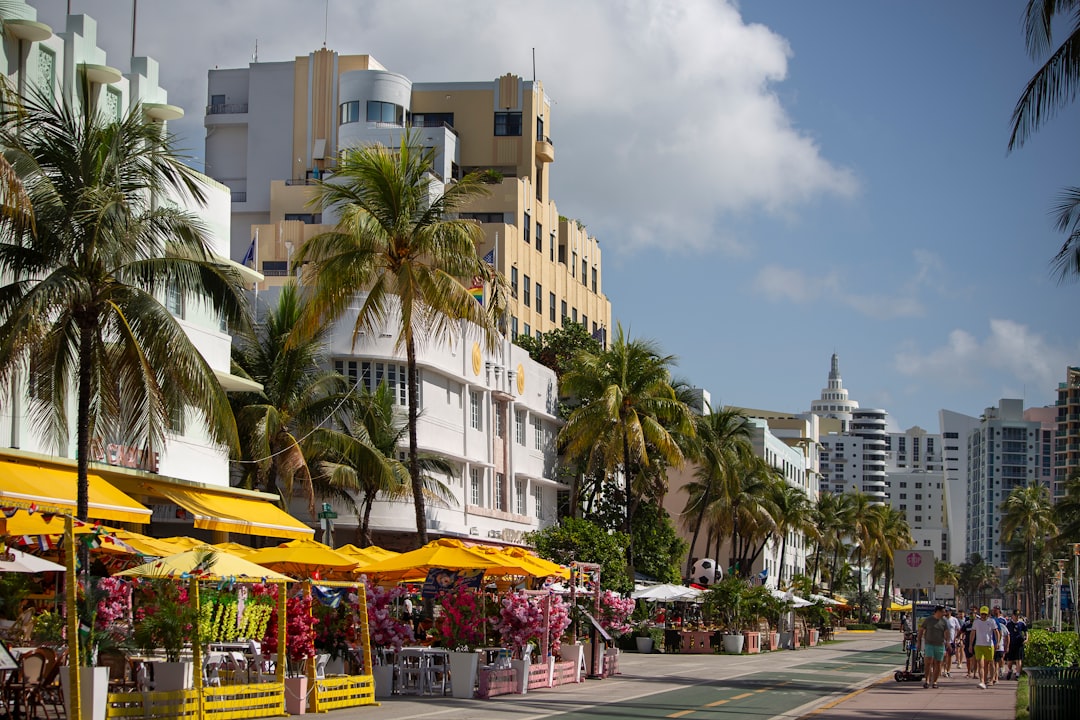
South of 23rd Street, South Beach is where the city’s global brand was built: Ocean Drive, Lincoln Road, and the Art Deco Historic District. Pricing here is driven by walkability, nightlife access, and pre-construction condo product replacing older stock. Historic district properties carry design review restrictions that a buyer should confirm with the city before assuming a renovation plan is achievable.
Mid-Beach
Roughly 23rd to 63rd Street, Mid-Beach has become the corridor for new luxury condo development, anchored by hotel-branded residences and larger floor plans than South Beach’s older buildings typically offer. Buyers here tend to be trading density and nightlife for larger units, ocean-direct exposure, and full-service amenities.
North Beach
North of 63rd Street, North Beach remains the relative value play on the island, with a mix of mid-century buildings, single-family pockets, and active redevelopment. It draws buyers priced out of Mid-Beach who still want barrier-island access.
The Barrier Islands: Star Island, Sunset Islands, and La Gorce
The private islands connected by causeway, Star Island, the Sunset Islands, Palm Island, and La Gorce, hold the city’s single-family estate inventory. These are guard-gated or otherwise access-controlled, and listings rarely surface on public portals before word moves through broker networks first. This is where MJI Realty Group’s off-market relationships matter most: a meaningful share of estate-level transactions on the barrier islands close without ever appearing in public search results.
Condo Market vs. Single-Family Estates
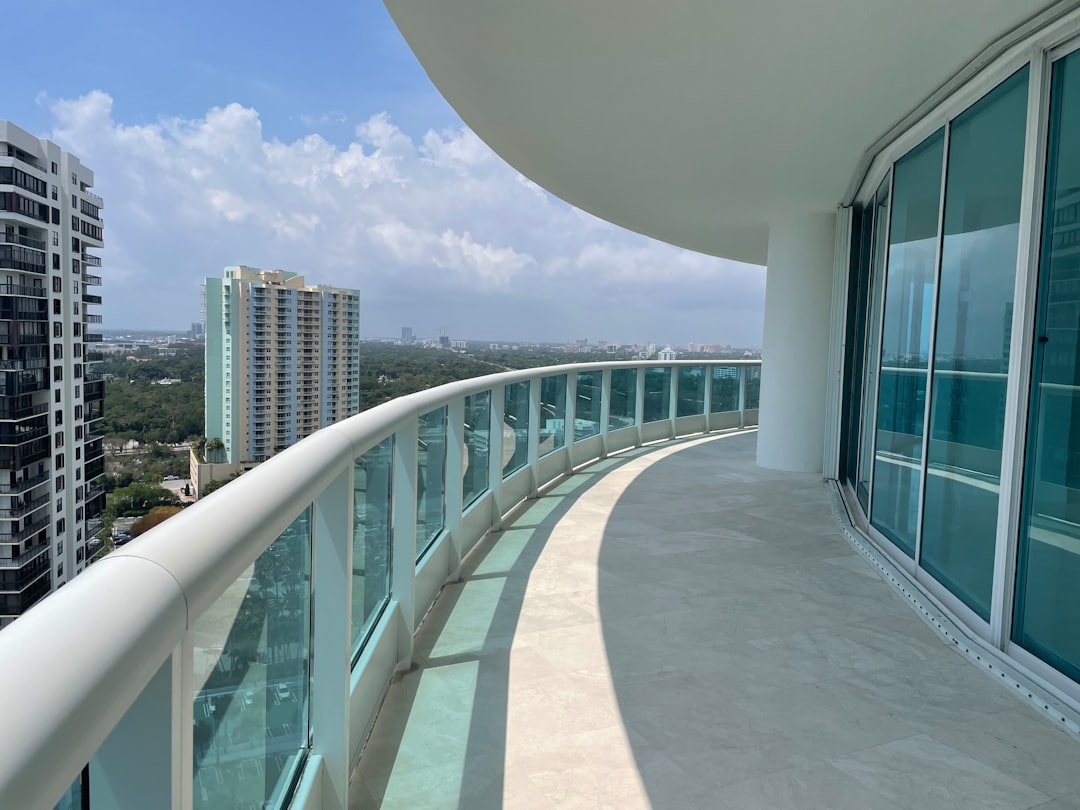
Roughly nine in ten Miami Beach transactions are condos, and the rules of that market differ sharply from single-family. A condo buyer is not just buying square footage; they are buying into a building’s balance sheet. Reserve funding levels, ongoing structural inspection obligations for buildings three stories and higher, and pending special assessments can add tens of thousands of dollars to the real cost of a unit that looks attractively priced on paper.
Buyers should request the condo association’s most recent reserve study, the minutes from the last two board meetings, and confirmation of any structural inspection or assessment activity before writing an offer. This is standard due diligence, not optional caution. It applies with more force on the island because a meaningful share of Miami Beach’s condo stock was built before 1990 and is now working through required structural reviews.
Single-family estates operate on a different clock. Barrier island and canal-front homes trade less frequently, carry wider price negotiation ranges, and depend heavily on lot orientation, dock access, and seawall condition rather than finish quality alone. A buyer comparing a $6 million condo to a $6 million single-family lot on Sunset Island is comparing two different asset classes, not two versions of the same purchase.
Closing costs also diverge between the two. Every Florida deed transfer triggers documentary stamp tax, and a financed purchase adds stamp tax on the mortgage itself. Miami-Dade County layers on an additional surtax of 45 cents per $100 of consideration, but that surtax specifically exempts single-family residences, which under state rules includes individual condominium units. In practice, that means a Miami Beach condo sale, whether owner-occupied or a pure investment unit, is not subject to the county surtax, while a duplex, small apartment building, or commercial parcel on the island is. Sellers should confirm which category their property falls into with their closing agent early, since it changes the net proceeds calculation.
Flood Risk and Resilience: What Buyers Must Verify
Miami Beach sits almost entirely within FEMA-designated flood zones, primarily Zone AE, with oceanfront parcels reaching into the higher-risk Zone VE. Any property carrying a federally backed mortgage in these zones is required to hold flood insurance, and even cash buyers should treat a flood policy as a real cost of ownership rather than an optional add-on, particularly on ground-floor and lower-level units. Buyers can confirm a specific parcel’s zone designation through Miami-Dade County’s flood zone maps before making an offer, and should get a written flood insurance quote during the inspection period rather than assuming the seller’s existing premium will transfer.
The city has been direct about the scale of the challenge. In 2025, Miami Beach adopted a formal Sea Level Rise Adaptation Strategy identifying more than 67,000 city assets vulnerable to flooding through 2070, built around adaptation triggers rather than a single fixed timeline. The city has already raised streets, installed stormwater pumps, and built retention infrastructure in some of the most exposure-prone neighborhoods, and that work is ongoing rather than finished.
None of this should be read as a reason to avoid the market; Miami Beach real estate has appreciated through decades of known flood exposure because location, lifestyle, and scarcity of oceanfront land outweigh the risk for most buyers. But a serious buyer should ask three concrete questions before closing: what is the parcel’s base flood elevation relative to the structure, what has the building or property owner already done to mitigate risk, and what would a full flood insurance policy actually cost. Skipping that homework is the single most common mistake we see in Miami Beach purchases.
Who Is Buying: International, Domestic, and Investor Demand
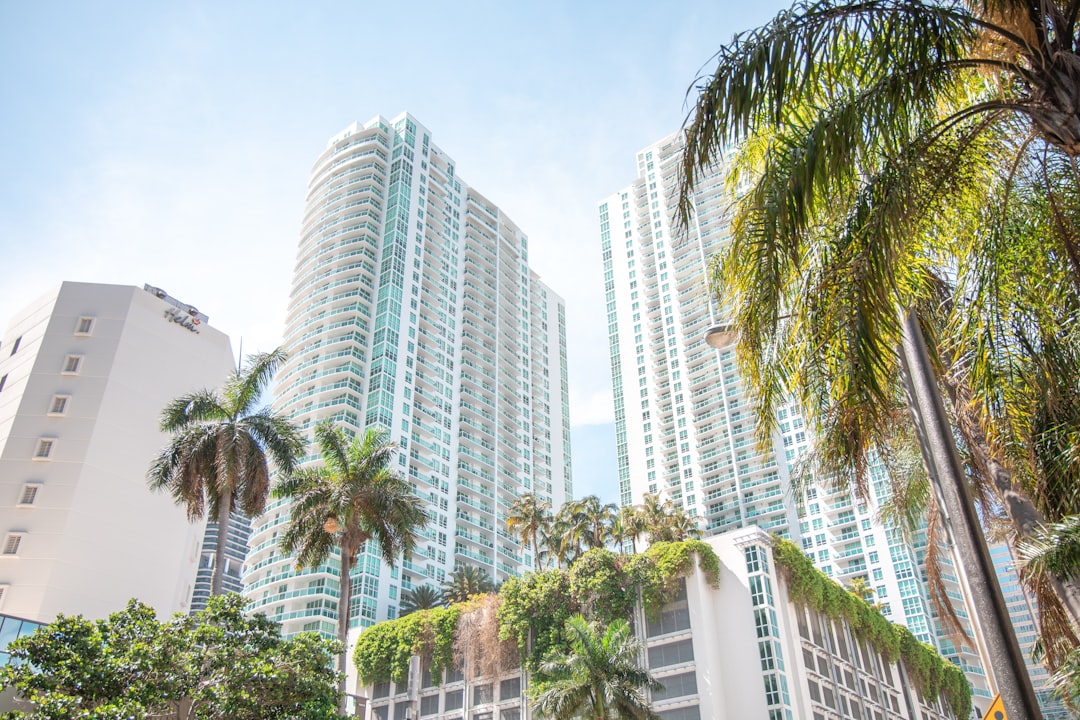
Miami Beach draws three overlapping buyer profiles, and understanding which one a seller is marketing to changes the entire strategy.
International buyers, historically concentrated among Latin American and European purchasers, still make up a meaningful share of luxury condo demand, often paying cash and prioritizing building security, rental flexibility, and proximity to Miami International Airport. Domestic relocators, largely from the Northeast and California, have driven much of the single-family estate demand over the past several years, drawn by Florida’s absence of a state income tax and a lifestyle shift toward year-round outdoor living. Investors, both individual and institutional, target the condo-hotel and short-term rental segment, where Miami Beach’s tourism base supports strong nightly rates but comes with building-specific and municipal restrictions on rental frequency that vary block by block.
The National Association of REALTORS® has tracked the national luxury segment stabilizing in 2026 after several volatile years, with the entry point to the top 10% of listings holding near $1.2 million nationally. Miami Beach sits well above that national luxury floor across nearly every neighborhood, which is part of why the city continues to draw buyers trading up from other major metros rather than first-time luxury purchasers.
For the investor segment specifically, the math runs differently than a primary-residence purchase. A well-located Miami Beach condo in a building that permits short-term rentals can produce strong gross nightly revenue during winter high season, but net returns depend heavily on association fees, property management costs, and the specific rental frequency the building allows; some Miami Beach buildings permit rentals as often as monthly, while others restrict leasing to once or twice a year. An investor evaluating a Miami Beach acquisition should model net operating income against the building’s actual rental cap, not the citywide average nightly rate advertised on a listing.
New Construction and the Pre-Construction Pipeline
Mid-Beach and the northern end of the island continue to see new luxury condo development, much of it hotel-branded and priced well above resale comparables in the same submarket. Pre-construction buyers are compensated for taking on timeline and construction risk with pricing that typically runs below where finished units in comparable buildings trade, plus the ability to select floor plans and finishes before a project sells out.
That said, pre-construction in Miami Beach carries specific diligence points beyond the usual contract review. Buyers should confirm the developer’s track record on prior deliveries, review the condominium documents for rental restriction language, and understand the deposit schedule, since Florida developers can require deposits well above the 10% common in resale transactions. A buyer’s deposit is typically held in escrow, and confirming the escrow arrangement in writing before signing a purchase contract is not optional.
- Confirm the developer’s completed project history, not just renderings for the current one
- Review rental restriction and short-term rental language in the proposed declaration
- Verify the deposit escrow structure and release conditions in writing
- Ask for the projected assessment or maintenance fee range, not just the current estimate
New construction pricing has held up better than resale pricing in several Mid-Beach buildings through 2026, in part because buyers are willing to pay a premium for hurricane-resistant construction standards and modern building systems that older Miami Beach stock cannot match without significant renovation.
Working the Market: Discretion and Speed
Miami Beach’s most valuable transactions rarely start with a public listing. Owners of barrier island estates and top-floor penthouses frequently prefer to test the market quietly, through direct broker outreach, before committing to a public marketing campaign that puts a price and a floor plan in front of every competitor, curious neighbor, and appraiser on the island. Sellers who value privacy work with brokers who maintain relationships across the buyer pool rather than relying entirely on public portal traffic.
At MJI Realty Group, we treat that discretion as standard practice, not a premium service. Typical Florida brokers do not offer their clients real estate confidentiality because they don’t have to. We don’t have to either, but we do, because a boutique brokerage’s value is knowing the players on both sides of a transaction well enough to move quickly and quietly when a client needs it.
Speed matters just as much for buyers. The best Miami Beach inventory, particularly on the barrier islands and in select pre-construction allocations, moves through relationships before it moves through public marketing. A buyer working with a broker who only responds to active listings is starting several steps behind.
Getting Started in the Miami Beach Market
Miami Beach rewards buyers and sellers who do the homework: verifying flood zone status and insurance costs, reviewing a condo association’s financial health, confirming a barrier island property’s seawall and dock condition, and understanding which submarket actually matches the lifestyle or investment goal in question. It punishes those who buy off a headline median price without checking what is underneath it.
If you are considering a purchase or sale in Miami Beach, whether that means a Mid-Beach condo, a Star Island estate, or a pre-construction allocation in a new tower, MJI Realty Group works with buyers and sellers across the barrier island market who value senior-broker attention and direct access to off-market inventory. Real estate decisions depend on individual circumstances, including financing, tax position, and risk tolerance; this article is general information, not legal, tax, or investment advice for your specific situation, and buyers should confirm flood zone status, association financials, and insurance costs directly before making an offer.